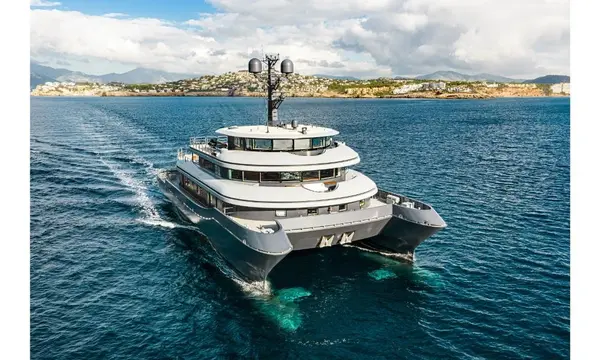
40.5m SWATH Yacht NURJA Shows the Scope of a Complete Rebuild
An engineering and ownership analysis of the rebuilt 40.5-metre SWATH superyacht NURJA, covering its unusual twin hulls, stabilisation, systems and revised guest accommodation.

Pendennis has completed a comprehensive refit of the 27m Nauta 86 expedition yacht ROX, formerly Silver Fin, renewing cabins, galley, paintwork, teak decks and more.
Pendennis has completed a comprehensive refit of the 27-metre explorer yacht Rox, formerly known as Silver Fin. Built by Italian shipyard Cantiere delle Marche, the motor yacht belongs to the Nauta 86 model family in the Nauta Air series. Her change of name and new chapter under different ownership are part of the story, but the work itself goes well beyond a fresh identity. The yard describes a coordinated programme involving interior presentation, exterior finishes, deck materials and technical attention intended to make the yacht ready for renewed use.
An expedition-style yacht is not necessarily defined by remarkable length. At 27 metres, Rox must balance equipment, practical circulation and guest spaces within a significantly smaller envelope than a 50-metre vessel. The Nauta Air concept is associated with generous indoor and outdoor living areas, an approach which places unusual emphasis on the quality of each usable space. A refit therefore has to protect what was appealing about the design while correcting wear, updating finishes and reflecting the priorities of current owners.
The distinction between a refit and a complete structural rebuild is important. Pendennis has not described Rox as having received a new hull, a replaced propulsion system or changes to her original naval architecture. The confirmed programme is extensive, but its scope should be reported precisely. For prospective owners watching the market, that precision helps distinguish an attractive recent cosmetic and technical upgrade from a vessel with fundamentally altered performance or machinery specifications.
Working with D-iD Studio, Pendennis redesigned and refinished the guest cabins and galley. These are spaces that guests and crew experience in different ways: cabins are judged by their atmosphere and comfort, while the galley must sustain an efficient daily service routine. Treating them as part of the same project can help avoid the visual and operational mismatch that sometimes follows a sequence of small, unrelated upgrades. The yard describes the new interior as contemporary and welcoming, rather than presenting a list of decorative features that cannot be verified.
Cabin refinishing is easily underestimated when viewed only through photographs. Bulkhead surfaces, fitted furniture, lighting, textiles and their junctions all influence how a smaller yacht feels, especially when people remain aboard for several days. Even where the underlying layout stays the same, a disciplined programme of renewal can change the perception of space. Owners considering a comparable project should review material durability and access for maintenance alongside colour samples, because refined appearance is only one test of a successful marine interior.
The galley deserves particular attention because it is a working space whose reliability shapes the experience in every other part of the vessel. Pendennis does not specify a complete replacement of galley equipment in its public announcement, so it would be inaccurate to claim that. What the yard does confirm is redesign and refinishing. An owner assessing the completed work should establish exactly which equipment and surfaces were retained, replaced or reconfigured, and ensure that the results work comfortably for the intended crew complement.
Outside, the yard carried out extensive work to the topsides paint finish. On a yacht with long uninterrupted hull surfaces, consistency matters: reflections can reveal variations in the preparation and finishing stages that would be far less obvious on small individual components. Paintwork is also more than a presentation exercise, particularly when a vessel spends long periods in salt water and intense sunlight. A properly documented programme should include the coatings used, preparation undertaken and appropriate inspection records for a future maintenance plan.
Pendennis also renewed exterior cushions and upholstery across guest areas. These items are central to daily enjoyment, but they endure repeated contact with salt, moisture, ultraviolet light and sunscreen. Choosing materials for comfort is only part of the brief; drainage, cleaning procedures and sensible off-season storage also matter. The benefit of replacing upholstery as a coordinated package is visual consistency throughout the outdoor accommodation rather than a patchwork of differently aged fabrics.
New teak decking was installed on both the swim platform and foredeck, two places with very different patterns of use. The swim platform is a point of frequent contact with wet feet and watersports activity, while the foredeck is exposed during passage and anchoring operations. Both require workmanship that accounts for movement, drainage and safe footing. The yard describes these as meaningful functional and aesthetic improvements. Owners should nevertheless follow the builder's maintenance recommendations rather than assume that new teak demands little care.
Alongside its visible changes, Pendennis confirms a programme of technical improvements and what it calls HBW works, without supplying a detailed public inventory of the equipment affected. That limits what a responsible report can conclude about machinery, electrical systems or autonomy. For an expedition-style yacht, those subjects are fundamental, but they require an itemised survey and service documentation rather than optimistic inference from an attractive exterior photograph. The practical significance of the technical programme can only be judged fully against those records.
Refit work becomes especially valuable when it reduces operational surprises for the captain and crew. Fresh finishes may make a yacht easier to present to guests, while attention to systems can improve the confidence with which she is prepared for longer trips. Neither outcome should be claimed as a measured performance gain unless supported by trial or maintenance evidence. A careful buyer should ask which systems were inspected, whether any outstanding items remain and how warranty and service responsibilities are handled after delivery.
Rox illustrates the potential of a considered second chapter for a compact superyacht. Her 27-metre platform is substantial enough to support serious coastal and exploratory cruising, yet small enough that every design and maintenance decision remains highly visible. Pendennis has delivered a documented combination of renewed accommodation, exterior presentation and technical work without claiming to have reinvented the underlying boat. For owners comparing a refitted explorer with a newer build, that honest distinction is useful: the quality of execution and the completeness of its documentation are what matter in practice.
Continue reading
An engineering and ownership analysis of the rebuilt 40.5-metre SWATH superyacht NURJA, covering its unusual twin hulls, stabilisation, systems and revised guest accommodation.
Yacht Refit Asia has shifted its head office to Singapore while retaining its Thailand base and working on 76m and 33m yacht coating projects …
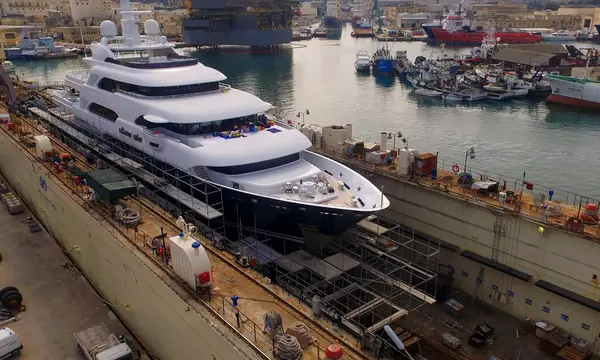
Malta-based Melita Marine Group has started construction on a waterfront facility for captains and crew during yacht refits, with a gym, sauna, shared social …
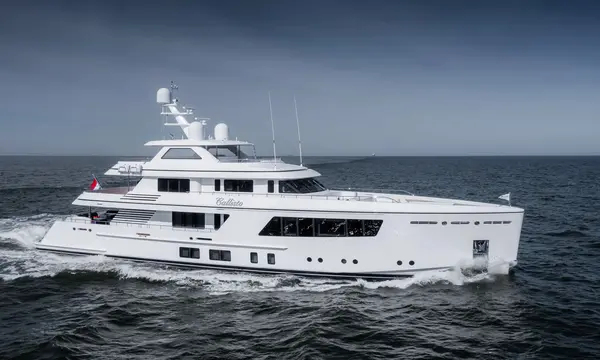
An October report shows the 42.5-metre 2022 Feadship CALLISTO back at its Aalsmeer builder, with the nature of any maintenance or refit work not …
Superyacht Guide
Continue into the wider Superyacht Guide.
Business opportunities · Superyacht Guide
Companies serving the superyacht market can discuss clearly identified advertising, sponsorship and business-profile opportunities. Commercial activity remains separate from independent editorial coverage.