Praxis Targets Superyachts With Ultra-Thin Solar Composite for Hulls and Hardtops
By Stephen Yardley · Edited by Stephen Yardley
Australian firm Praxis is proposing its sub-2mm integrated photovoltaic skin for superyachts after trials in production motor yachts, with claims of lower weight and flexible installation.
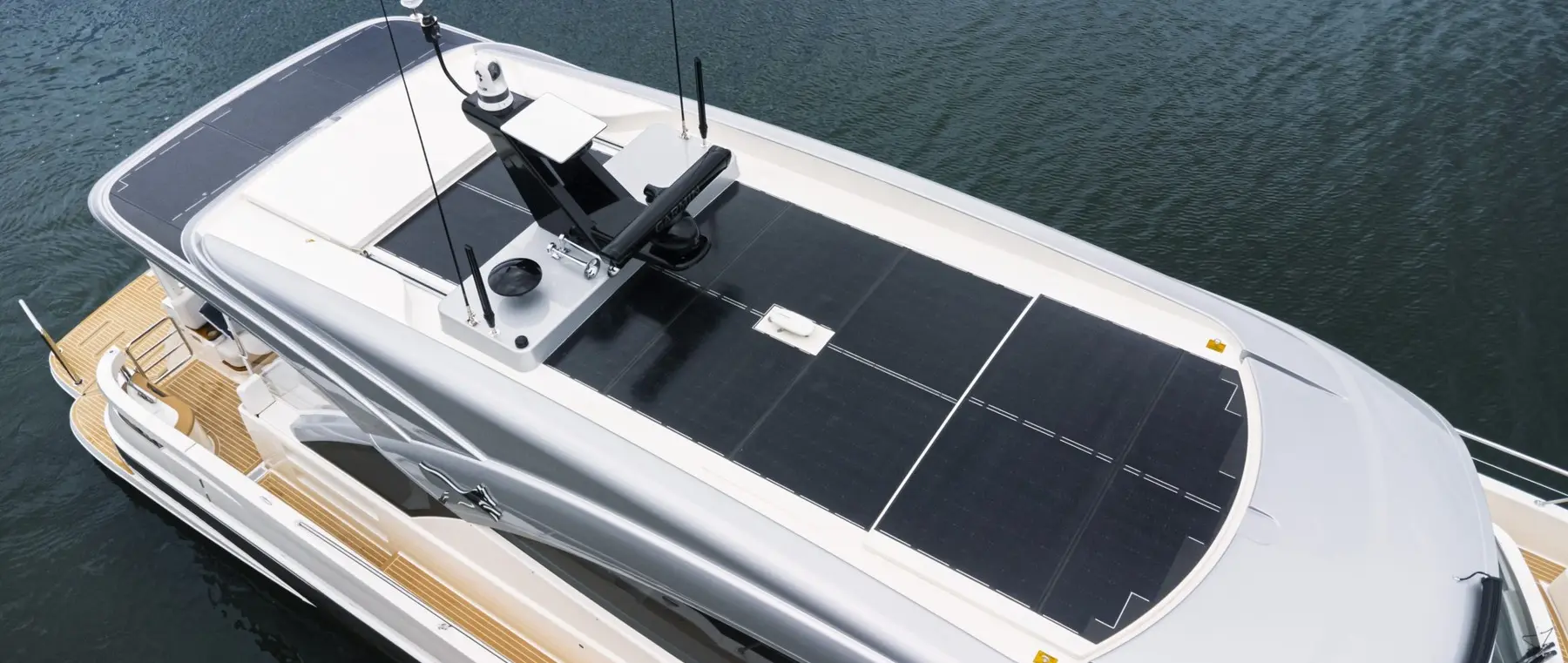
Australian technology firm Praxis is positioning its integrated nano-composite solar material for the superyacht construction and refit market, following years of development for production motor yachts. An October 2026 industry report describes a photovoltaic skin less than two millimetres thick which the company says can be laminated into a moulded component or bonded to existing surfaces. The proposed advantage is usable electricity generation across curved hardtops, deck structures and other areas where conventional framed panels can be visually or structurally awkward.
The announcement should not be confused with delivery of a Praxis-equipped hundred-metre yacht. The company has established applications with builders including Riviera Yachts and Grand Banks, while the extension to larger, more complex yachts is a commercial opportunity under consideration. A buyer should therefore separate demonstrated production installations from projected performance on a custom superyacht with very different electrical loads and available surface areas.
Unlike a framed glass photovoltaic module supported by a separate rack, Praxis describes its solar skin as a layered composite with an optically transparent protective surface and embedded solar cells. During new construction, the material can become part of a laminated hardtop or deck component; a retrofit application uses a thin surface layer over a pre-existing structure. Both approaches can make solar integration less visually intrusive than rectangular panels mounted above the boat.
Structural use creates responsibilities beyond electricity production. The laminate must meet the relevant strength, fatigue and fire-safety requirements of its location, while sealed electrical connections need protection against water, vibration and repair damage. On a superyacht, the designer should ensure that solar material does not obstruct essential drainage, deck fittings, visibility or safe walking routes. The claimed integration benefit needs approval within the actual construction specification.
Praxis says its modules can be up to 85 per cent lighter than conventional rigid rooftop solar panels and can follow surfaces across multiple planes. Reduced weight high on a superstructure may be useful because the mass and position of equipment affect yacht stability and dynamic behaviour. The material is also described as walkable, raising possibilities for areas where a traditional panel assembly might interfere with normal guest or crew movement.
These are company claims and should be validated under defined test conditions before becoming guaranteed advantages in a sales contract. Lightness depends on whether the comparison includes substrate, mounting brackets, wiring and structural reinforcement. Walkability does not mean immunity to dropped equipment, sharp heels, persistent abrasion or careless deck cleaning. A robust warranty should address impact resistance, power-output degradation and access to repairs.
The amount of electricity a yacht can collect depends on insolation, orientation, shading, temperature, cleanliness and the performance of its electrical conversion equipment. A solar skin covering a broad curved hardtop will not produce the same output per square metre as a perfectly oriented laboratory panel. Superstructures, antenna domes and nearby masts may cast changing shadows, while salt deposits can affect the outer surface.
Owners should ask for a predicted energy yield for their realistic cruising programme rather than simply multiply a panel's rated output by its total area. Mediterranean summer conditions differ from the North Sea or equatorial cloud cover. At anchor, air conditioning and other hotel loads may remain high during the same hours solar production is strongest. Matching supply to demand is an engineering exercise rather than a marketing calculation.
Praxis says it also designs the supporting electrical architecture, from panels through battery integration and power-management controls. That is important because generating electricity is only one part of its practical use. A yacht may need to prioritise charging, hotel services and generator operation while protecting battery health and maintaining a reliable reserve for safety-critical equipment.
Battery systems introduce further requirements for cooling, fire protection, monitoring and crew training. A solar array may reduce generator running hours under favourable circumstances but should not be described as replacing conventional power systems without measured evidence. Electrical redundancy and emergency procedures remain essential. Owners considering a retrofit must establish whether existing alternators, inverters, chargers and distribution boards are compatible with the proposed installation.
The Australian company points to installations on Riviera motor yachts and reports instances of a reduction in generator use of approximately 75 per cent, with some owners able to remain at anchor for several days without running a generator. Those examples illustrate possible benefits in particular use cases, but the result depends on equipment loads, weather, energy storage and the owners' patterns of consumption.
A superyacht's power profile can be very different. Multiple galleys, crew accommodation, stabilisation equipment, pools, entertainment systems and substantial HVAC plant create ongoing demand. Even large solar surfaces may offset only part of the total requirement. Before commissioning, operators should examine the vessel's actual daily energy data and request realistic predicted generation under several seasonal conditions.
Praxis is based in South Australia and says its development work on integrated photovoltaic composites spans roughly eighteen years. Co-founder and executive director Katie Donaldson and chief executive Rory Linehan have discussed using the technology on bigger yachts after proving it on smaller production platforms. Riviera Yachts is one of the marine builders that has worked with the company, providing a reference for the practicality of integrating the material at design stage.
That relationship makes Riviera relevant to the story, but Riviera is not being presented as the developer of the nano-composite itself. Designers considering a custom application would still need to engage Praxis, the superyacht's builder, electrical integrators, surveyors and the relevant class or flag advisers. Installation approval is a project-specific decision, not something inherited automatically from success on a different model.
Praxis's October proposal opens up a potentially valuable design option at a time when owners expect quieter operation and better energy management. Its ability to conform to complex geometry could appeal to architects who want renewable-energy equipment without bulky visible panels. The strongest use case may be a holistic new-build installation rather than adding isolated pieces late in a refit.
The decisive evidence will be completed large-yacht projects with measured solar yield, secure structural integration, long-term weathering data and documented service requirements. Until those are available, claims about lightweight construction and generator savings should remain qualified. The opportunity is real enough to merit design-stage evaluation, but a responsible superyacht specification begins with tested performance, not the assumption that all available deck surfaces can simply become power stations.
Explore
Go deeper into the yachts, companies, events and destinations directly connected to this article.
Continue reading

NEGU founder Dan Briggs reports nearly a petabyte of yacht data delivered since May, underscoring demand for fast, resilient connectivity as owners run businesses …
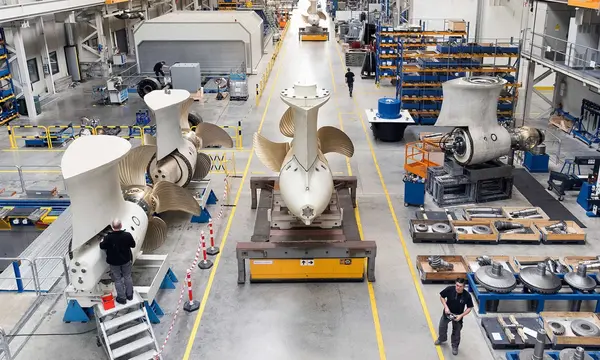
Schottel reports 20 superyachts on order with its forward-facing EcoPeller azimuth propulsion system, highlighting efficiency, manoeuvrability and reduced onboard noise.
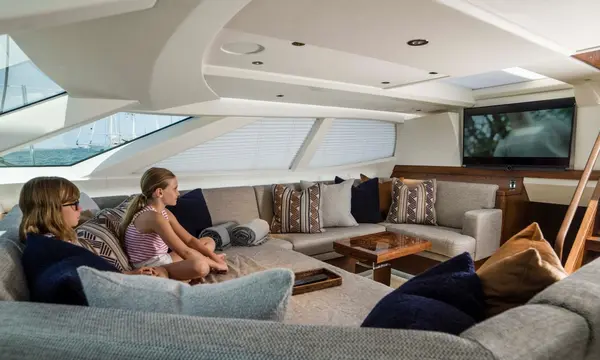
Crestron Marine explains how guided motorised shading, lighting control and yacht automation affect comfort, privacy and serviceability aboard large yachts.
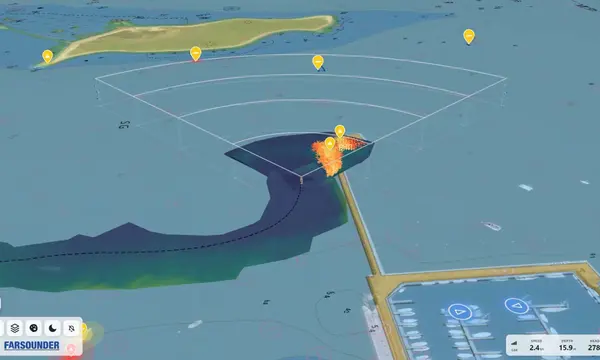
FarSounder adds Tocaro Blue's ProteusCore radar perception to Argos sonar's SonaSoft LT interface, combining surface-target and underwater information for navigators.
Superyacht Guide
Continue into the wider Superyacht Guide.
Business opportunities · Superyacht Guide
Companies serving the superyacht market can discuss clearly identified advertising, sponsorship and business-profile opportunities. Commercial activity remains separate from independent editorial coverage.