SEA.AI Tests Machine Vision Across Multiple USV Platforms at REPMUS 2026
SEA.AI has tested its machine-vision technology across multiple crewed and uncrewed vessel platforms during the REPMUS 2026 exercise in Portugal.
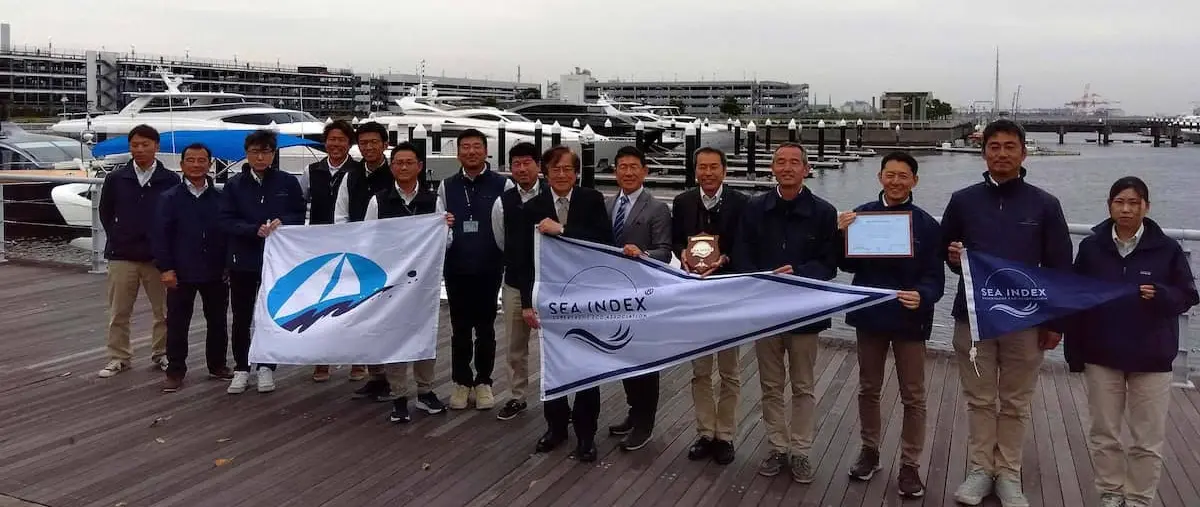
Image: Official source
SEA Index has partnered with the Japan Marina & Beach Association, adding 87 marinas and extending its environmental-assessment network into Asia-Pacific for the first time.
The Superyacht Eco Association's SEA Index has entered its first Asia-Pacific institutional partnership through an agreement with the Japan Marina & Beach Association. The alliance adds 87 Japanese marinas to a network built around measurable environmental performance and creates a new route for promoting yacht certification in the region.
Before the Japanese partnership, SEA Index worked with twenty-five major superyacht ports and marinas across several countries. Adding the Japan Marina & Beach Association extends that reach by eighty-seven facilities in one step and creates the organisation's first formal alliance in Asia-Pacific.
The scale matters because environmental programmes become more useful when yachts encounter similar metrics across multiple destinations. A captain can respond more consistently when marinas recognise the same framework instead of every port using unrelated language and expectations.
The initiative was founded by Yacht Club de Monaco with Credit Suisse to provide an independent method for assessing and comparing yacht environmental impact. Its purpose is to move discussions beyond broad sustainability claims toward data that can be communicated in a common form.
For owners and managers, comparable information can support operating decisions and demonstrate progress without pretending that one score captures every environmental issue. The value depends on transparent methodology, credible data and continued adoption across different cruising regions.
JMBA has operated for more than fifty years and represents a nationwide network of marinas and coastal facilities. As an institutional member, it plans to promote SEA Index certification and environmental-awareness programmes while gradually introducing sustainability-linked incentives through its member network.
That local involvement is important because standards imported without regional participation can struggle to gain practical support. Japanese marina operators understand their own customer base, regulations and coastline, giving the programme a better chance of becoming part of day-to-day yachting activity.
SEA Index president Bernard d'Alessandri says shared metrics can connect yachting communities that operate very differently from Monaco and the Mediterranean. The Japanese agreement tests whether the framework can remain meaningful when applied across another large and distinctive maritime market.
For the superyacht industry, the expansion creates a more visible sustainability network around an increasingly important cruising region. The next measure will be how many individual yachts and marinas use the certification tools in practice rather than simply joining the institutional partnership.
Official sources: marinebusiness.news.
Continue reading
SEA.AI has tested its machine-vision technology across multiple crewed and uncrewed vessel platforms during the REPMUS 2026 exercise in Portugal.
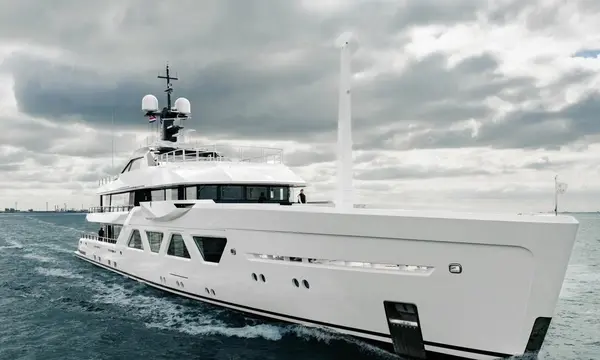
Damen Yachting has delivered the 60-metre Amels QU2 from Vlissingen, with Winch Design interiors and a Mediterranean charter programme ahead.
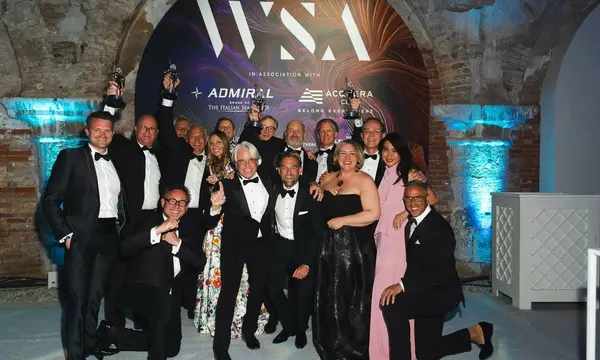
Feadship has secured multiple honours at the 2026 World Superyacht Awards, including recognition for Breakthrough, Valor and Pi.

Burgess says charter days booked increased 35% in 2025, with demand also rising in the 40–60m sectors and winter 2026/27 bookings well ahead of …
Superyacht Guide
Continue into the wider Superyacht Guide.
Business opportunities · Superyacht Guide
Companies serving the superyacht market can discuss clearly identified advertising, sponsorship and business-profile opportunities. Commercial activity remains separate from independent editorial coverage.