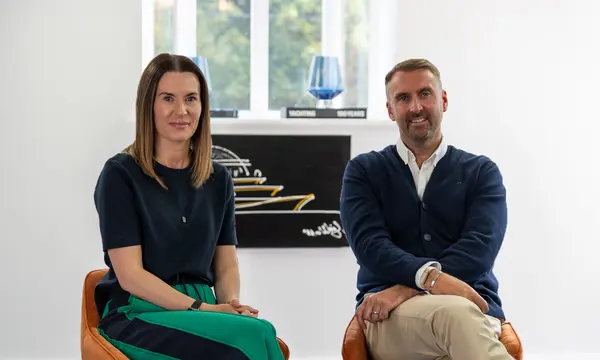
dsnm Acquires NavigatX to Unite Superyacht Navigation and Bridge Hardware
Superyacht navigation specialist dsnm has acquired sister company NavigatX, bringing navigation management, passage-planning software and bridge refit support together.
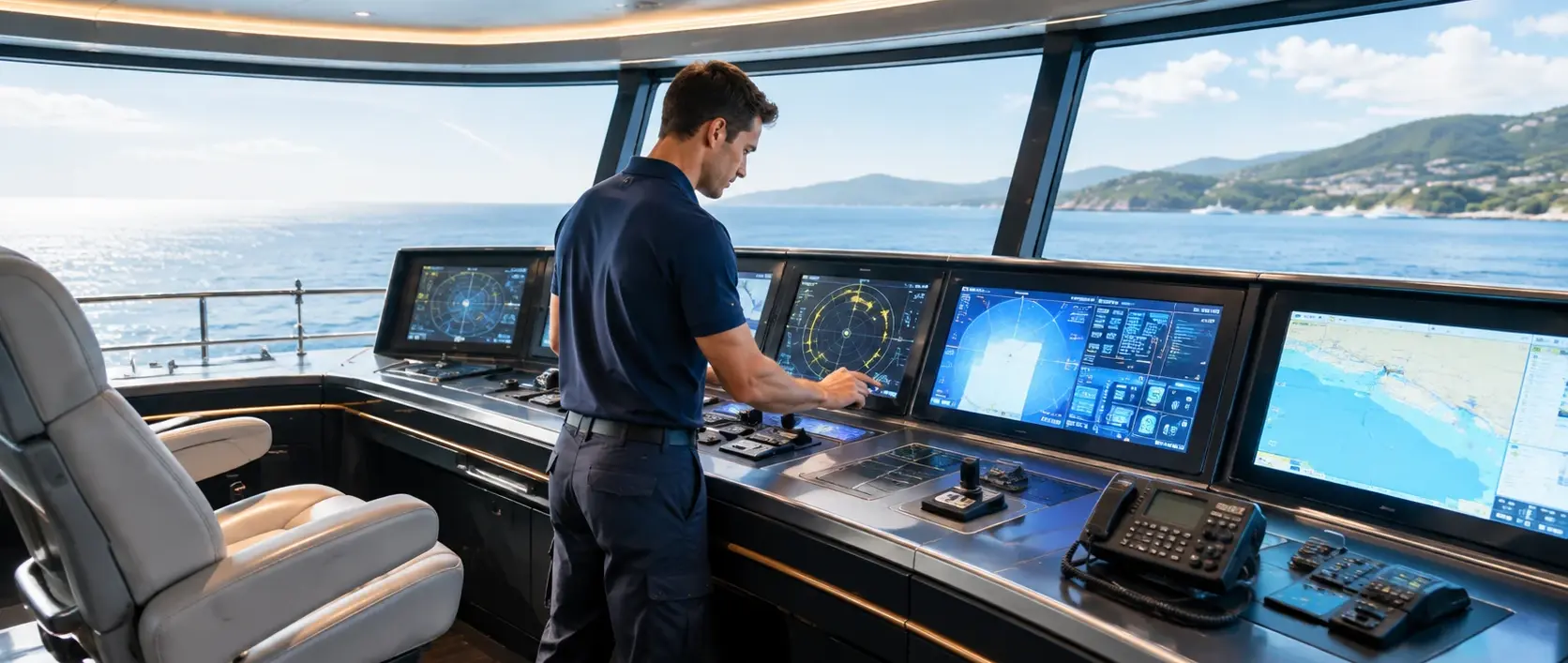
Modern superyacht bridges can integrate charts, radar, AIS, positioning, alerts and control functions, but the technology still depends on trained people making sound navigational decisions.
The modern superyacht bridge can look more like an aviation control room than the wheelhouse of a generation ago. Large multifunction displays, electronic charts, radar overlays, AIS targets, integrated alerts and networked sensors can place an extraordinary amount of information in front of the officer of the watch, often with fewer separate boxes and switches than earlier systems required.
That transformation has improved access to information and reduced some routine workload, but it has not changed the basic nature of navigation. A bridge can collect, fuse and present data more intelligently than before; it still cannot remove the need for a competent watchkeeper to understand what the data means, notice when it is wrong and decide what the yacht should do next.
The International Maritime Organization defines an integrated bridge system as interconnected systems that allow centralized access to sensor information or command and control from workstations. The purpose is safer and more efficient ship management by suitably qualified personnel, with SOLAS requiring failures in one part of an integrated system to be brought to the watchkeeper's attention without taking down the other independent functions.
That architecture is one of the most important changes on a contemporary large-yacht bridge. Position, heading, speed, radar, chart, AIS and alert information can be shared across workstations, so the officer is no longer moving between completely separate instruments to build a picture of what the yacht is doing and what is around it.
Electronic charts moved navigation away from the paper-chart workflow that dominated professional bridges for generations. IMO's ECDIS guidance explains that electronic chart systems can satisfy SOLAS chart-carriage requirements on applicable ships and combine route planning and monitoring with continuously displayed position information and other real-time data.
ECDIS is also becoming a richer data platform rather than simply an electronic replacement for paper. IMO's revised performance standards allow radar, tracked radar targets, AIS and other appropriate layers to assist route monitoring, while the standards adopted at MSC 106 introduced the new S-100 family of hydrographic data specifications into ECDIS from 2026 on a phased basis.
More integration created a new problem: a navigator moving between vessels could encounter different menus, icons and control logic for essentially the same task. In 2019, IMO approved guidelines for standardizing navigation-equipment user interfaces, covering integrated navigation systems, ECDIS and radar with the aim of improving usability and situational awareness.
The same direction appears in IMO's wider e-navigation strategy, which prioritizes improved and harmonized bridge design, stronger reliability and integrity of navigation information, and better integration of information on graphical displays. The goal is not simply to add more functions, but to make complex systems easier for people to understand and use consistently.
A modern bridge can display more targets, alarms, overlays and sensor inputs than a watchkeeper could realistically process if everything demanded equal attention at once. IMO's e-navigation work therefore places reliability, resilience, integrity and human-centred presentation alongside integration, because a display full of data is useful only when the operator can distinguish what matters from what is merely available.
This is why alert management and redundancy matter as much as screen size. Integrated systems are expected to identify failures and preserve other functions, while the navigator still has to recognize a suspect sensor, compare sources and understand when a clean graphical presentation may be hiding uncertainty in the information underneath it.
The legal core of watchkeeping has not been automated away. Under COLREG Rule 5, every vessel must maintain a proper lookout by sight and hearing as well as by all available means appropriate to the circumstances, and Rule 2 places responsibility for compliance on the master, owner and crew.
Radar, AIS, ECDIS and automatic steering can support that obligation, but none changes the need to evaluate risk and act correctly. Each system presents a different part of the navigational picture, while decisions about safe speed, collision risk and the action required under the collision regulations still rest with the people conducting the watch.
IMO explicitly treats the human element as central to maritime safety, emphasizing the professionalism and competence of the people who operate ships. On a superyacht, that means technology is only as effective as the bridge team's training, familiarization and willingness to challenge what the equipment appears to be saying when visual conditions or another independent source do not agree.
Fatigue is equally resistant to technological solutions. IMO's fatigue guidance treats fatigue as an operational safety issue affecting companies and seafarers, making rest and watchkeeping arrangements relevant even when the bridge itself is highly automated and routine tasks have become easier.
The next generation of bridge systems will continue to integrate more data, automate more reporting and present more information through common interfaces. That can reduce repetitive work and help a well-trained officer detect developing situations earlier, but the safest bridge is not necessarily the one with the most screens or the greatest number of automated functions.
For owners and managers, the practical lesson is that bridge investment has two inseparable parts: equipment and people. Funding better sensors, displays and integration without equally serious attention to training, familiarization, watchkeeping discipline and fatigue management produces only half a safety system, because the final interpretation of what the yacht sees still happens in a human mind.
Continue reading
Superyacht navigation specialist dsnm has acquired sister company NavigatX, bringing navigation management, passage-planning software and bridge refit support together.
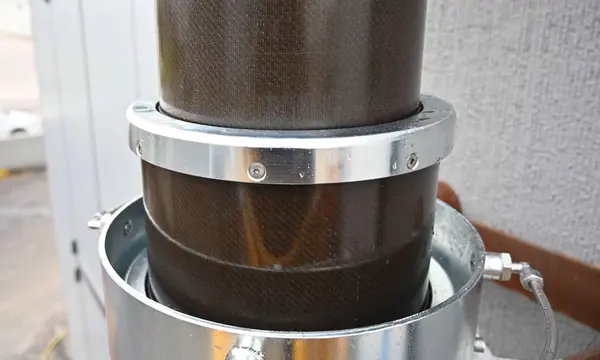
AMS Advanced Mechanical Solutions has developed a low-pressure pneumatic telescopic mast for navigation lights, signal equipment and sensors aboard yachts and superyachts. The prototype …
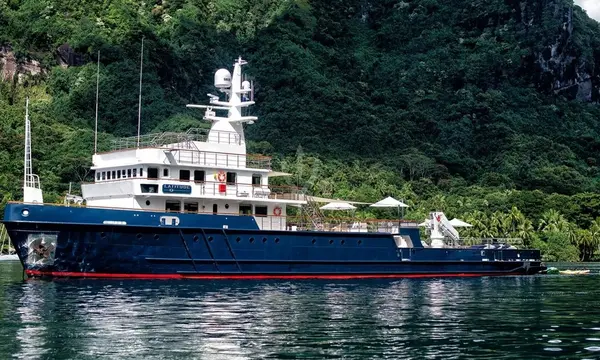
The 54.7m BUCCARA LATITUDE has been photographed in Germany’s Kiel Canal while sailing westward, highlighting a 1973 commercial vessel converted into an explorer yacht.
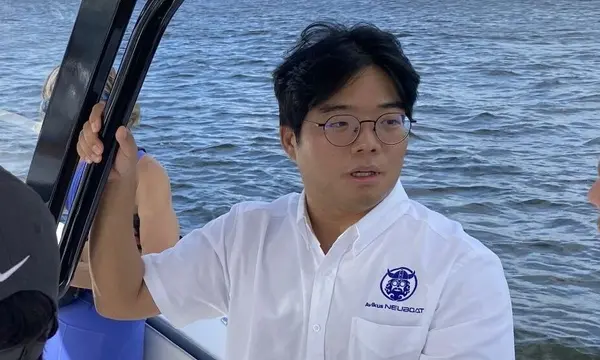
Avikus USA executive Sangwon Shin is discussing how sensors, steering, propulsion and AI need to operate as one system for future assisted superyacht navigation.
Superyacht Guide
Continue into the wider Superyacht Guide.
Business opportunities · Superyacht Guide
Companies serving the superyacht market can discuss clearly identified advertising, sponsorship and business-profile opportunities. Commercial activity remains separate from independent editorial coverage.