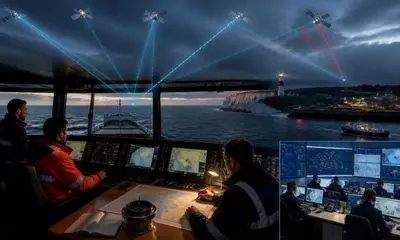
MCA MGN 719 Warns Superyachts on GNSS Disruption
- Company
- British Marine
British Marine has highlighted the MCA’s 1 October MGN 719 on GNSS disruption, with recommendations for superyacht navigation resilience and bridge preparation.
Read launch updates, market news, shipyard announcements, destination features and superyacht industry coverage.
21 news articles found.
British Marine has highlighted the MCA’s 1 October MGN 719 on GNSS disruption, with recommendations for superyacht navigation resilience and bridge preparation.

German specialist Leak Stop Gun is bringing its portable CO2-operated temporary leak-sealing equipment into the superyacht technology spotlight ahead of METSTRADE 2026.
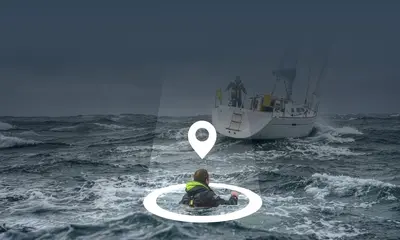
PredictWind introduces a man-overboard warning system that links supported crew phones and watches to DataHub Pro, providing escalating alerts and a last-known-location record.
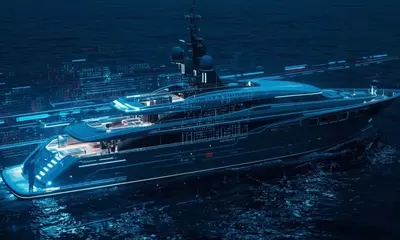
CND security specialist Charles Bain examines how AI-assisted threats, shared networks and crew practices can expose sophisticated superyacht automation and guest systems.

Panoblu argues that continuous 360° recording can help superyachts investigate marina and shipyard incidents that occur outside a PTZ camera's field of view.

Computer Network Defence received British Marine's first national Product or Service award for Osprey, a maritime cybersecurity appliance.

Security researchers disclosed two hard-coded-key issues in Wärtsilä FOS-Onboard 5.07.0923.01, with a vendor patch available through Wärtsilä.
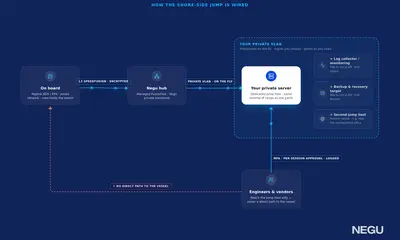
NEGU has launched an IACS E26-focused remote-access service that moves vendor connections to a controlled shore-side jump host instead of onboard PCs.

Marlink has launched an operational-technology security offering for connected vessel systems, targeting risks around navigation, propulsion, HVAC, access control and other operational equipment.
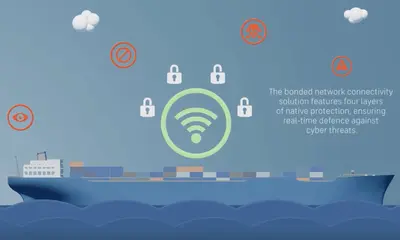
Bureau Veritas has granted Cyber Security Type Approval to Inmarsat Maritime’s NexusWave bonded multi-network service against IACS UR E27.

There is no verified public evidence that AZZAM carries a missile system. Official Lürssen and Nauta material documents the yacht’s design and performance but does not …
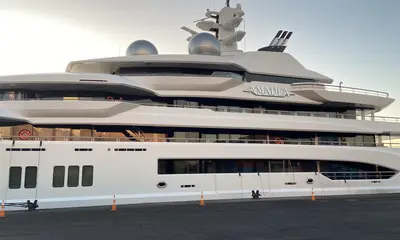
A superyacht can offer distance from conflict, but port access, sanctions, insurance and wartime law can quickly turn autonomy into exposure.
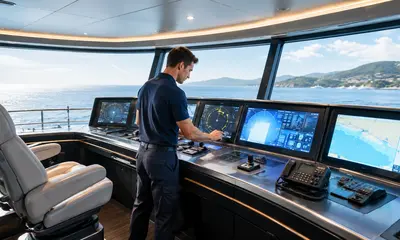
Modern superyacht bridges can integrate charts, radar, AIS, positioning, alerts and control functions, but the technology still depends on trained people making sound navigational decisions.
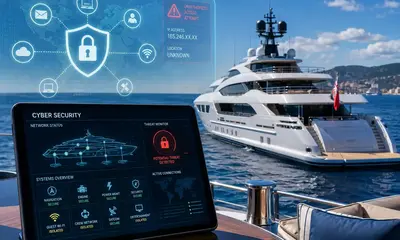
As superyachts become more connected, the threat is moving beyond stolen data. Navigation, machinery, guest networks and remote access can now share the same digital risk.
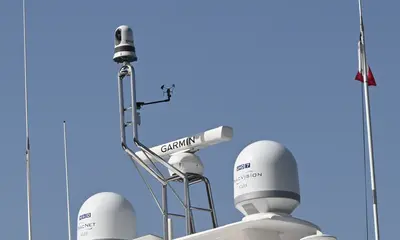
Superyachts can expose far more than their location. AIS, connected systems, ownership records, suppliers and human activity can collectively reveal owners, guests and itineraries.
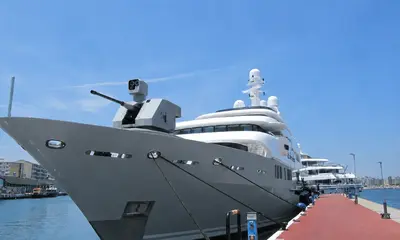
A large private yacht could, in principle, be taken into government service or used for limited military-support roles. That does not make it a practical warship, …
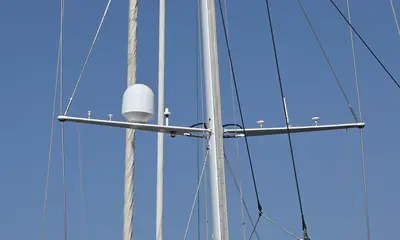
AIS was designed to help ships identify one another and reduce navigational risk, yet the same broadcasts can expose a superyacht’s movements to the public, commercial …
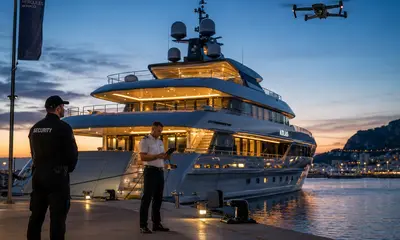
Superyacht security now covers far more than guards and cameras, from drone privacy and intruders to cyber risk, social media leaks and shore movements.
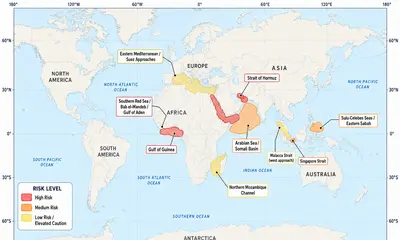
High-risk waters change a yacht’s operating model: routing, insurance, watchkeeping, AIS policy, crew drills, guest movement and security decisions.
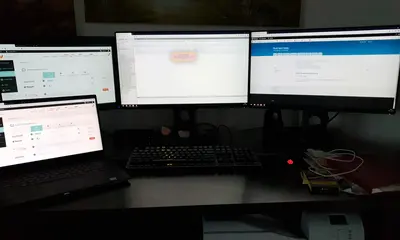
Cybersecurity on superyachts is now a core safety, privacy and operational issue, covering navigation, Wi-Fi, AV, crew devices and suppliers.
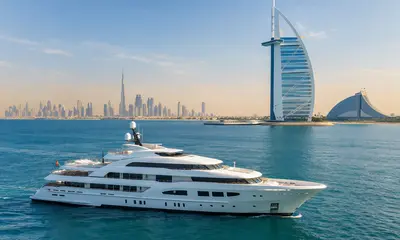
Middle East superyacht operations can be safe in some areas, but owners and captains must treat route choice, security, insurance and live threat advice as essential.
For companies and PR teams
Shipyards, designers, brokers, marinas, suppliers and service providers can submit official company news, launch updates, project announcements, images and press releases for editorial review.