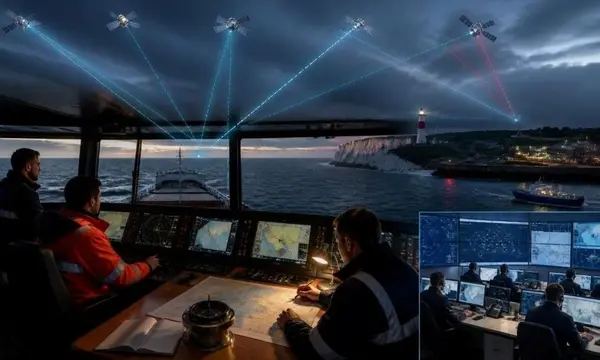
MCA MGN 719 Warns Superyachts on GNSS Disruption
British Marine has highlighted the MCA’s 1 October MGN 719 on GNSS disruption, with recommendations for superyacht navigation resilience and bridge preparation.

German specialist Leak Stop Gun is bringing its portable CO2-operated temporary leak-sealing equipment into the superyacht technology spotlight ahead of METSTRADE 2026.
German manufacturer Leak Stop Gun is among the companies named for the Superyacht Startups Area at METSTRADE 2026, bringing equipment designed to slow or stop fluid leaks during an emergency. The Amsterdam exhibition, scheduled for 17 to 19 November, gives yacht builders, technical managers and engineers an opportunity to examine a compact approach to temporary leak control.
The company's products are intended for several maritime and industrial environments, but the yacht-specific application is particularly relevant to crews who must react promptly to unexpected water ingress or damaged pipes. The proposed equipment is a damage-control aid, not a permanent repair procedure or a replacement for the vessel's existing bilge alarms and emergency systems.
Leak Stop Gun uses a cartridge-driven mechanism to place an expandable sealing element into an opening, allowing it to conform to irregular edges as it inflates. According to the manufacturer, the product can be used for water and other liquids in a range of pressured and unpressurised applications, subject to the correct device and manufacturer's limits.
The range includes a compact S model intended for smaller spaces, a 150 variant and a larger 400 unit for openings of different sizes. The published model information separates the intended leak diameters and water-pressure ratings, making it important for an engineer to choose equipment for the actual hazard rather than assuming any one device fits all cases.
Superyachts have extensive piping and through-hull arrangements serving machinery, tanks, pools, stabilisers and hotel systems, so an uncontrolled leak can develop in a location that is difficult to reach. A portable sealing system could give a damage-control team additional time to isolate a line, secure a compartment or arrange more comprehensive work.
Yet effective use depends on the condition and location of an opening, available access and whether a pressure differential makes intervention safe. Deploying a device around moving machinery, electricity or unfamiliar chemicals requires a risk assessment, and crew must not treat manufacturers' demonstration claims as proof that every onboard scenario can be managed in the same way.
The manufacturer states that the sealing devices can be reused, but a new sealing element should be fitted after an actual emergency application. It also recommends training and routine condition checks, including verifying the CO2 supply and the components needed to make the unit operational.
Vessels considering the equipment should discuss its place within the approved damage-control plan and train crewmembers using the correct model and procedures. A technical demonstration at METSTRADE may help engineers assess storage, accessibility and compatibility with their existing onboard response equipment before any purchase or operational deployment.
The company's place in the Superyacht Startups Area highlights the broad scope of innovation now marketed to builders and managers, extending beyond software and propulsion to physical emergency equipment. A product that can support early containment is of interest because it addresses an immediate operational problem rather than an optional guest amenity.
METSTRADE's published participant list confirms the intended presence of Leak Stop Gun alongside other young superyacht-sector suppliers. The event is still forthcoming, so any demonstration results or subsequent orders should be reported separately once independently confirmed.
Continue reading
British Marine has highlighted the MCA’s 1 October MGN 719 on GNSS disruption, with recommendations for superyacht navigation resilience and bridge preparation.
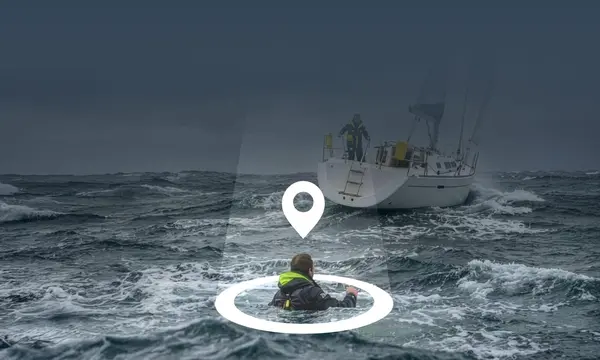
PredictWind introduces a man-overboard warning system that links supported crew phones and watches to DataHub Pro, providing escalating alerts and a last-known-location record.
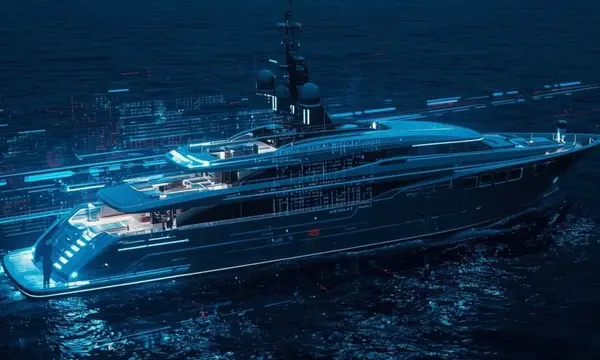
CND security specialist Charles Bain examines how AI-assisted threats, shared networks and crew practices can expose sophisticated superyacht automation and guest systems.

Panoblu argues that continuous 360° recording can help superyachts investigate marina and shipyard incidents that occur outside a PTZ camera's field of view.
Superyacht Guide
Continue into the wider Superyacht Guide.
Business opportunities · Superyacht Guide
Companies serving the superyacht market can discuss clearly identified advertising, sponsorship and business-profile opportunities. Commercial activity remains separate from independent editorial coverage.