A superyacht can offer distance from conflict, but port access, sanctions, insurance and wartime law can quickly turn autonomy into exposure.
A superyacht can appear to offer an unusually convincing escape from conflict: long range, private accommodation, substantial stores and the ability to move without waiting for an airport to reopen. Yet wartime does not give the vessel a single fixed status, because the same yacht can operate as a safe haven, become a legal and financial liability, or lose civilian protection if its actual use changes.
The practical question is therefore not whether superyachts are safe in war, but which of those three conditions applies at a particular time and place. That assessment depends on lawful port access, insurance, crew, ownership and sanctions, alongside the vessel’s route, behaviour and operational purpose.
A yacht functions as a safe haven while it remains in civilian use, has a lawful destination, carries willing and properly supported crew, retains effective insurance and can obtain fuel, communications and shore services. If one or more of those conditions disappears, mobility may remain technically possible while the yacht’s usefulness as a refuge falls sharply.
It becomes a liability when continued movement or detention creates greater exposure than relocation solves, including uninsured navigation, sanctions restrictions, inaccessible ports, stranded crew or an inability to pay essential suppliers lawfully. It enters the target question only when its nature, location, purpose or use may make an effective contribution to military action, not simply because it is conspicuous, valuable or associated with a particular nationality.
Range and self-sufficiency matter most before a crisis closes the available routes. A master who departs early may place guests and crew beyond immediate danger, but the yacht remains subject to its flag state, coastal-state rules and the decisions of every port authority on which the voyage depends.
The International Maritime Organization’s places-of-refuge framework concerns ships needing assistance; it does not guarantee admission to a chosen harbour. Security conditions, environmental risk, berth capacity, beneficial ownership and sanctions can all affect access, turning an assumed destination into another operational problem.
A yacht need not be attacked for conflict to impose a major loss. As examined in our analysis of war-risk insurance, routing and value, listed areas, notice requirements, additional premiums and differing policy responses can alter a cruising programme long before the vessel reaches a combat zone.
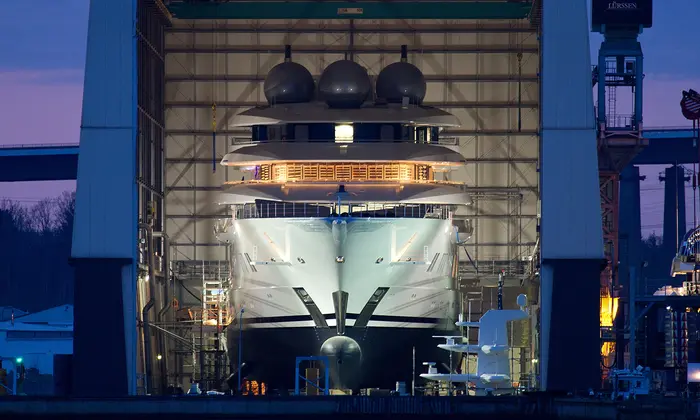
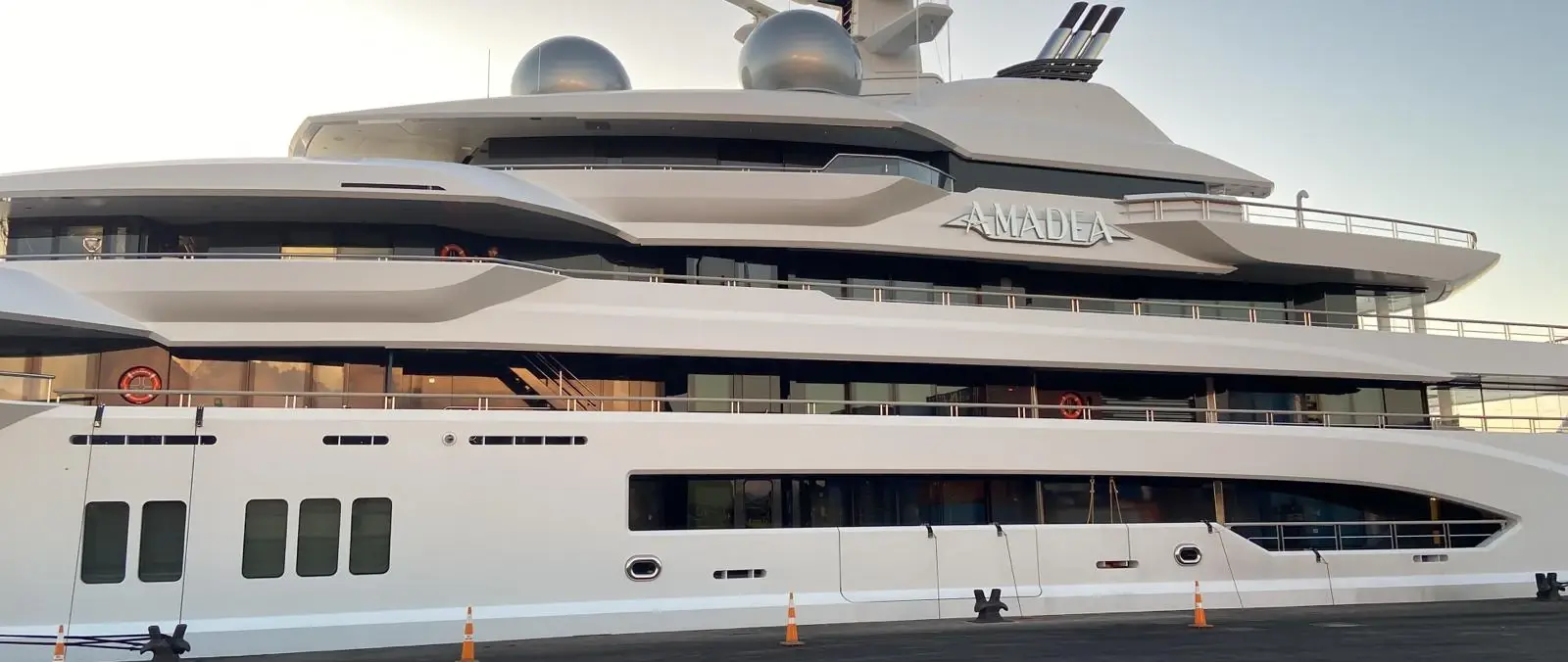
Sanctions can restrict maintenance, crewing, bunkering, insurance, banking and port services even when the yacht itself is physically secure. The Amadea case demonstrated that reach: Fijian authorities executed a seizure warrant at the request of the United States, while the US Department of Justice alleged that transactions supporting the yacht violated US law.
International humanitarian law ordinarily treats a privately operated yacht as a civilian object, and ownership, flag, value or symbolism alone does not make it a lawful military objective. The boundary is explored in our analysis of military uses for superyachts: protection may change if the vessel makes an effective contribution to military action and neutralising it offers a definite military advantage in the circumstances at the time.
Owners and captains should therefore define decision thresholds ashore: lawful alternative ports, insurer and broker approval, sanctions screening, crew consent and repatriation, communications and navigation redundancy, and clear triggers to abort a voyage. A superyacht is a safe haven only while that framework remains intact; it becomes a liability when permissions and support collapse, while target status follows actual military use rather than prestige.
Explore
Go deeper into the yachts, companies, events and destinations directly connected to this article.
Continue reading
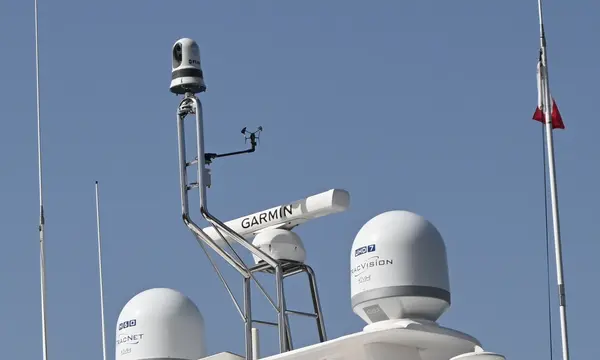
Superyachts can expose far more than their location. AIS, connected systems, ownership records, suppliers and human activity can collectively reveal owners, guests and itineraries.

A superyacht can be easy to locate but far harder to connect legally to the person authorities want to target. Layered companies, differing ownership …
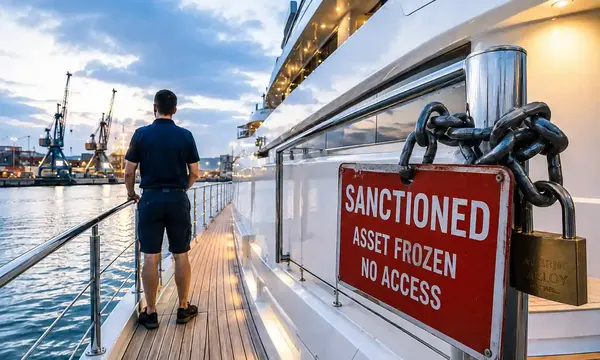
A sanctions freeze can immobilise a superyacht without making its crew sanctioned, leaving wages, contracts and daily operations caught between employment law and financial …
When authorities seize or freeze a superyacht, maintenance bills continue. Who pays depends on custody, sanctions rules, owner funds and eventual sale.
Superyacht Guide
Continue into the wider Superyacht Guide.
Business opportunities · Superyacht Guide
Companies serving the superyacht market can discuss clearly identified advertising, sponsorship and business-profile opportunities. Commercial activity remains separate from independent editorial coverage.