Tecma Extends 48-Volt Architecture to Its SANISPLIT Marine Greywater Transfer Systems
By Superyacht Guide Newsroom · Edited by Superyacht Guide Newsroom
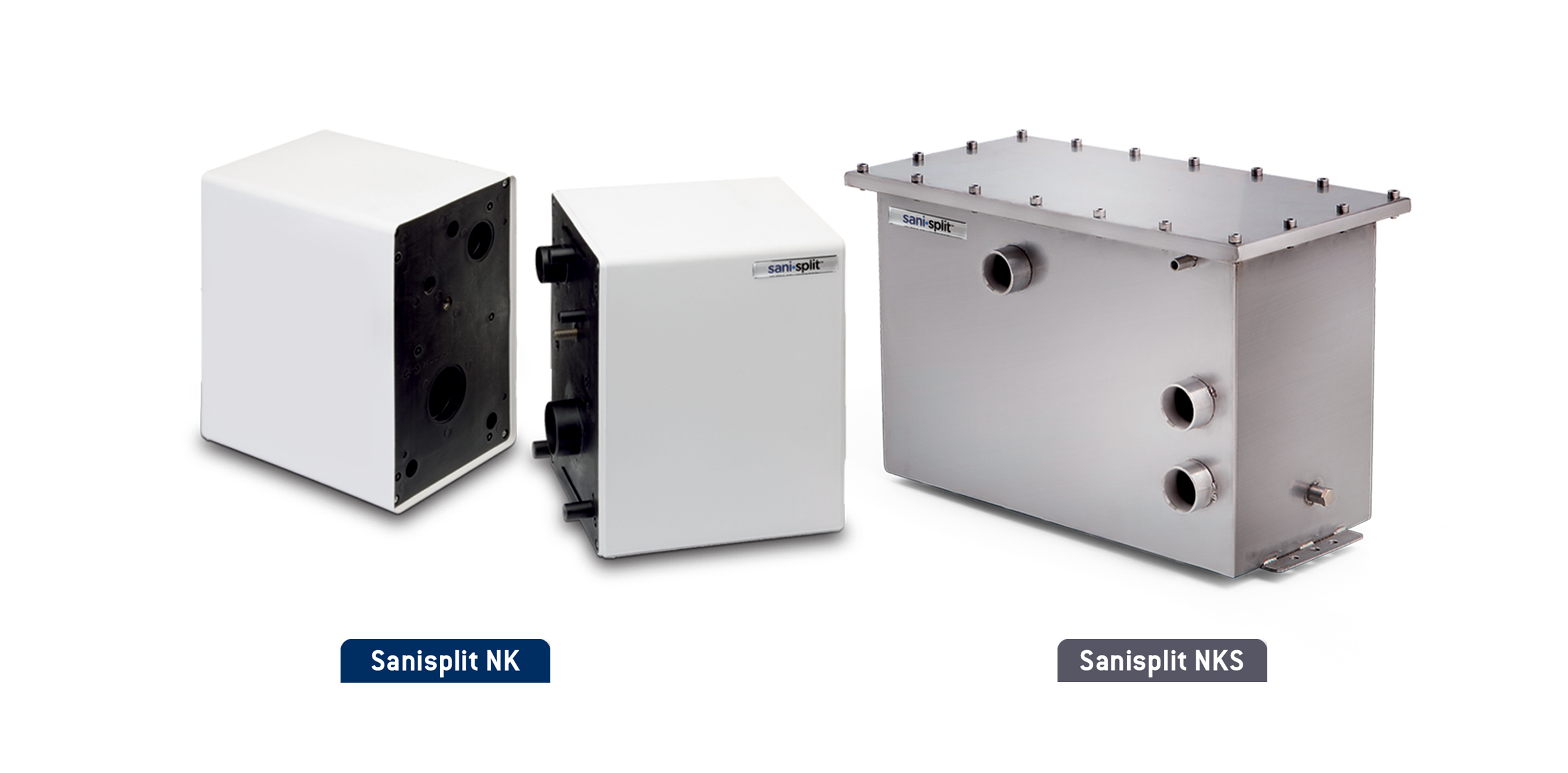
Tecma official SANISPLIT 48V equipment METSTRADE 2026 original-resolution publicity image
Tecma upgrades its NK and stainless-steel NKS greywater transfer equipment with 48V technology, retaining removable pump assemblies and service-access features.
Marine sanitation specialist Tecma has announced a new generation of its SANISPLIT NK and SANISPLIT NKS greywater transfer systems at METSTRADE 2026. Its official exhibitor statement of 17 November identifies the incorporation of 48-volt electrical technology in both versions, alongside the retention of the removable pump and pressure-switch arrangements associated with the existing equipment. The NKS is distinguished by its stainless-steel enclosure and the manufacturer's stated IP67 certification. The development is not a new central wastewater treatment plant for a large vessel. It concerns the local transfer equipment that can form part of a wider installation moving water from sanitary appliances towards collection or management systems. For a superyacht interior outfitter, the significance of a revised local transfer unit lies in the relationship between the arrangement of guest accommodation, the vessel's power distribution and the practical requirements of accessing equipment after the furnishings have been installed.
A yacht's bathrooms and other water-using facilities may not all be situated conveniently above the tanks or drainage routes that serve them. The geometry of a hull, the distribution of structural elements and the relationship between accommodation decks can make direct drainage difficult in particular locations. A local transfer unit provides another means of moving greywater towards the relevant collection arrangement. This can contribute to greater flexibility in planning an interior, but the equipment still has to be incorporated into an appropriately engineered system. The distinction between transferring wastewater and treating it is important. The November announcement describes pumping and maceration technology; it does not suggest that the equipment independently treats the water to a standard suitable for discharge in every operating environment. The surrounding pipework, tanks, ventilation and any treatment equipment must be considered separately. A large yacht's intended operating regions and applicable environmental requirements also need to be examined when the complete wastewater management installation is specified.
For comparable electrical input power, a higher DC supply voltage can reduce the current needed to operate a load. This can influence the selection of cables, connectors and associated distribution equipment. Lower current may also reduce resistive losses for otherwise comparable wiring arrangements. Tecma identifies these considerations among the advantages of its new platform. However, the actual extent of any reduction depends on the characteristics of the pump, the cable run, the operating duty and the equipment that supplies the power. A system may need to meet requirements relating to voltage drop, protection and the conditions under which wiring is installed. A higher nominal voltage alone does not establish that a particular installation will consume a specified percentage less energy. Nor does it mean that components intended for another supply voltage can simply be connected to the revised system. The press release does not disclose the complete current and power specifications or provide a quantified comparison of energy consumption for both generations.
The launch is pertinent to project teams considering the distribution of 48-volt DC supplies to particular local services. A superyacht may contain a combination of supply voltages rather than rely on a single electrical architecture throughout the vessel. The technical justification for using a different supply for a particular load depends on the existing distribution arrangement and the location of other compatible equipment. A new-build project may provide opportunities to coordinate these decisions across several installations before cable routes and distribution panels are specified. In refit, the benefits of replacing a local unit need to be considered against the cost and implications of introducing or extending a different supply. The availability of appropriate isolation, protection and controls will influence the feasibility of the change. The revised SANISPLIT equipment represents an additional choice for the project designer, rather than a prescription that every yacht should convert its entire sanitation system to a different voltage. The manufacturer's release identifies its equipment's platform but not a complete model for vessel-wide distribution.
Tecma describes its established NK system as retaining a split arrangement in which the active pump and pressure-switch assembly can be removed from the fixed portion. This is an important consideration for interior installations because the location of a piece of machinery can be as significant to its future maintenance as its nominal performance. When a component requires service, engineers need to be able to reach it and carry out the work without unnecessarily disturbing adjacent finishes or equipment. Even a compact removable assembly requires sufficient clearance in the actual installation for inspection and withdrawal. Access needs to be assessed while the interior drawings are being developed, rather than assumed to exist because access to the equipment is possible before the joinery is fitted. The manufacturer reports that the NK design has been used in the marine market for more than fifteen years. The new generation retains the underlying serviceability concept while introducing the revised electrical platform. Exact dimensions and clearances should be established from the documentation for the model being installed.
The NKS version is presented as a submersible configuration incorporating a stainless-steel housing. Tecma identifies IP67 certification for the enclosure, distinguishing it from the conventional NK arrangement. The actual meaning of an ingress protection rating must be considered in relation to the equipment's specified test conditions and installation instructions. A rating does not establish that a unit can safely operate indefinitely under any depth or condition of immersion. It also does not establish suitability for an atmosphere or location requiring other specific approvals. Designers should examine the intended installation conditions, the arrangement of associated electrical connections and the accessibility of the unit before selecting the appropriate model. Tecma reports that the NKS can be serviced after detaching the relevant parts without disconnecting the hoses. The value of that feature depends on the layout of the installation and whether personnel can actually reach the parts required. Both models retain macerator technology according to the company's announcement.
The manufacturer highlights measures intended to reduce operating noise, including the use of an internal rubber tank and pump design. Noise from local service equipment may be particularly noticeable within a yacht cabin or adjoining quiet room, especially during periods when other machinery is operating at relatively low levels. The noise level experienced by a guest is influenced not only by the source itself but also by the way vibration passes into surrounding structures and furnishings. Pipework and installation supports may transmit sound if their arrangement creates an effective mechanical connection to adjacent surfaces. The design of the enclosure around equipment can also influence the way airborne sound reaches the accommodation. A yacht designer should therefore consider the complete installation rather than rely exclusively on a supplier's general description of quiet operation. The November release does not provide measured sound pressure levels under defined test conditions. It identifies the manufacturer's intention to retain the noise-management features of the existing technology in the revised models.
The release does not publish pump curves or identify the combinations of appliances that can be connected to each new 48-volt unit. Those details matter where a project intends to use local transfer equipment for several facilities. The expected flow from appliances, the vertical and horizontal routing of the pipework and the characteristics of the receiving system can all affect the suitability of an installation. A specification for an individual pump cannot establish the capacity of the vessel's complete wastewater network. Project teams should determine which loads may operate simultaneously and how local installations interact with the associated tank and control arrangements. Existing product information for earlier NK and NKS configurations should not be assumed to provide identical performance figures for the new voltage versions. Tecma's announcement confirms the technology upgrade but does not supply all the detailed parameters needed for an engineered selection. Current product documentation and the manufacturer's technical advice remain necessary before specifying either unit for a particular vessel.
For yacht managers and interior outfitters, the METSTRADE announcement introduces a further option for local greywater installations where a suitable 48-volt distribution arrangement is available or planned. The choice should be based on the design of the complete system, including the physical conditions of the proposed location, maintenance access and the relevant electrical and wastewater requirements. The new models retain existing features that may be attractive in accommodation fit-outs, particularly the removable service assembly and the alternative stainless-steel configuration. Their final suitability will depend on the technical specifications for the particular unit and the requirements of the project. Prices, availability in individual markets and detailed marine approval documentation were not set out in the launch release. The next step for a project team is therefore to establish the particulars with Tecma and coordinate them with the wider engineering design. The central news is that the company has extended its 48-volt technology to both SANISPLIT greywater transfer models, rather than restricting that electrical development to other parts of its marine sanitation portfolio.
Primary source: Tecma official METSTRADE exhibitor release, 17 November 2026.
Image: Tecma / Thetford Marine, original manufacturer media asset accompanying the November 2026 exhibitor release. Official source.
Explore
Go deeper into the yachts, companies, events and destinations directly connected to this article.
Continue reading
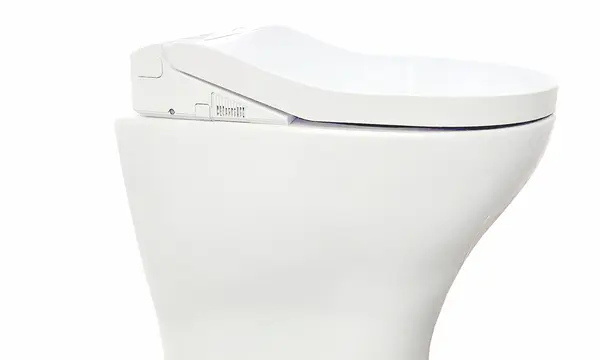
Tecma debuts its compact electronic bidet with instantaneous water heating, adjustable flow and declared drinking-water protection certification at METSTRADE.

Ambright introduces a custom six-millimetre lighting composite with integrated conductors and LEDs, enabling illuminated shelves, pendants and ceiling elements.
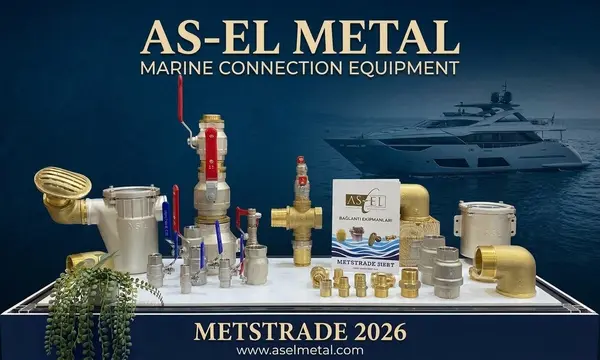
Turkish manufacturer AS-EL Metal highlights brass and bronze seawater strainers, hull connections and marine pipework fittings in its 2026 exhibitor announcement.
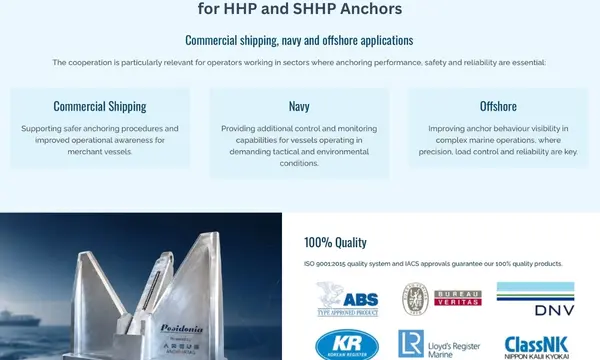
Posidonia and ARGUS demonstrate integrated stockless anchor monitoring, transmitting orientation and movement measurements through the anchor chain to the bridge.
Superyacht Guide
Continue into the wider Superyacht Guide.
Business opportunities · Superyacht Guide
Companies serving the superyacht market can discuss clearly identified advertising, sponsorship and business-profile opportunities. Commercial activity remains separate from independent editorial coverage.