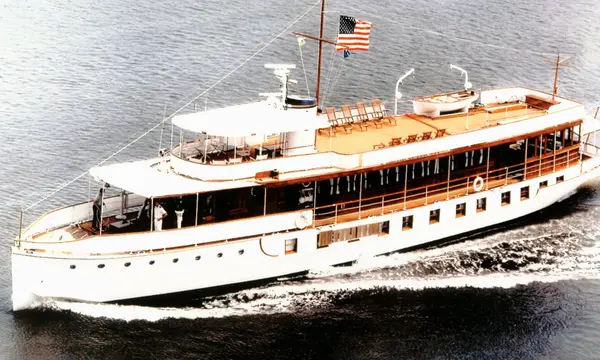
USS Sequoia: The Presidential Yacht Used by Nine U.S. Presidents
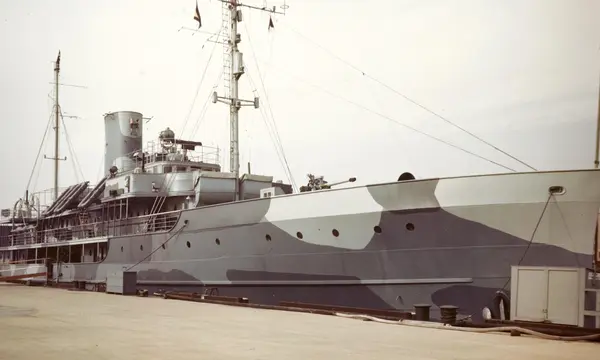
USS Sequoia served nine U.S. presidents and became a floating setting for diplomacy, political decisions and private presidential life. From Roosevelt and Kennedy to …
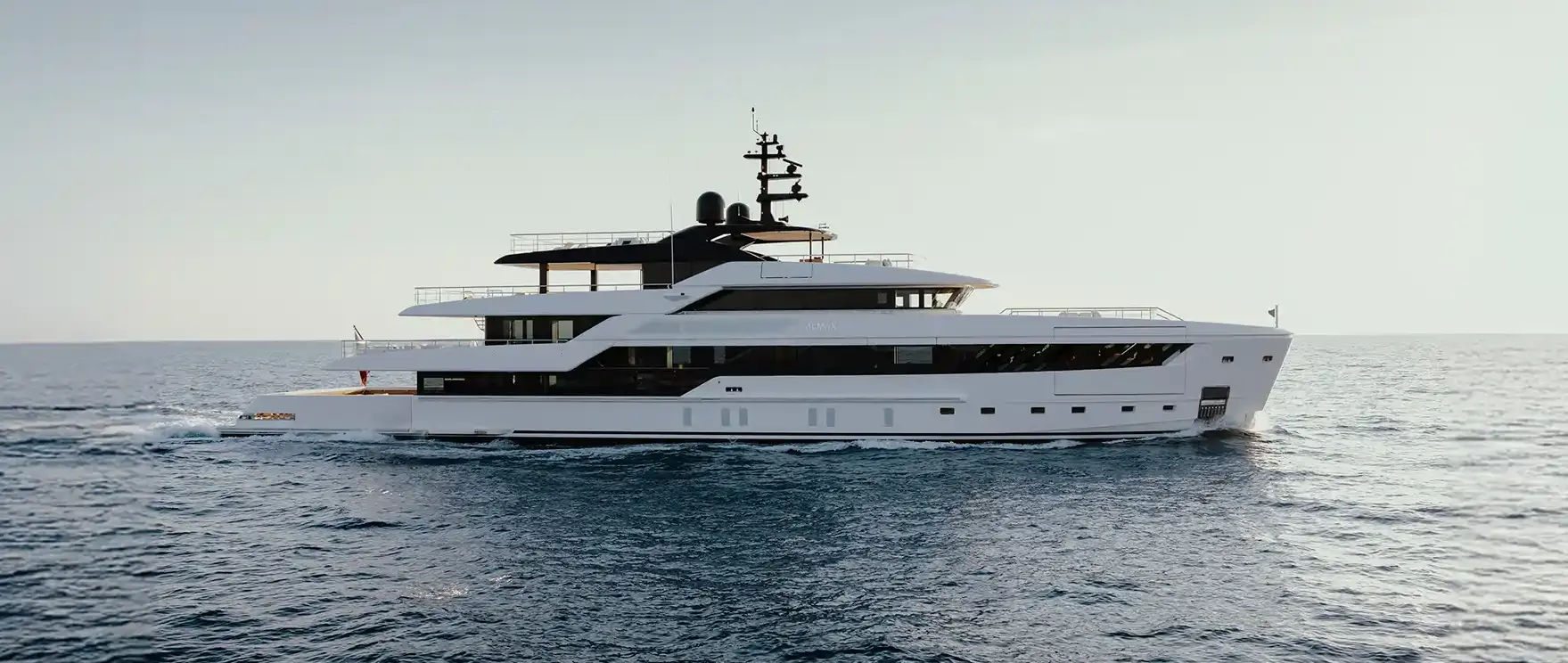
NYSE-listed TOP Ships plans to sell the 47-metre Sanlorenzo explorer yacht Para Bellvm and withdraw from the megayacht sector, releasing capital for reinvestment in its core tanker business.
NYSE-listed shipping company TOP Ships is preparing to sell the 47-metre Sanlorenzo explorer yacht Para Bellvm and withdraw completely from the megayacht sector, ending an unusual period in which a publicly traded tanker operator became the corporate owner of a large luxury yacht. The company says the move is intended to release capital for reinvestment in its core shipping business, with the potential proceeds considered significant in relation to TOP Ships' current stock-market value.
Built by Sanlorenzo and delivered in 2023, Para Bellvm is a 500Exp explorer yacht with a steel hull and aluminium superstructure. Designed for long-range cruising, she offers the volume and capability expected of Sanlorenzo's explorer range while retaining the finish and accommodation of a contemporary luxury yacht. She is currently offered for sale at €29.5 million and accommodates up to 12 guests, supported by a professional crew.
The story behind the yacht's ownership is considerably more unusual than a conventional brokerage sale. Para Bellvm was held through Seawolf Ventures Limited, a Marshall Islands company previously owned by TOP Ships president and chief executive Evangelos J. Pistiolis. In July 2024, a TOP Ships subsidiary agreed to acquire Seawolf Ventures from Pistiolis for $20 million, with the transaction completed in April 2025. Because the deal involved the company's chief executive, it was treated as a related-party transaction and reviewed through an independent committee process.
By acquiring Seawolf Ventures, TOP Ships did not simply buy a yacht at a stated purchase price. It acquired the company that owned the vessel together with its existing assets and liabilities, including financing secured against Para Bellvm. At the time of the acquisition, company filings placed the yacht's carrying value at approximately $26.46 million, while Seawolf Ventures had around $13.68 million in net long-term debt associated with the asset.
The financing originated with HSBC Private Bank in Switzerland under a euro-denominated facility established before TOP Ships took control of the yacht-owning company. By the end of 2025, approximately $13 million remained outstanding. This means the eventual sale price of Para Bellvm will not translate directly into the same amount of free cash for TOP Ships, as secured debt and transaction costs will need to be taken into account before the company can determine how much capital has actually been released.
What makes the case particularly interesting is that Para Bellvm was not simply sitting on the balance sheet as a private-use luxury asset. TOP Ships operated the yacht commercially and disclosed its financial performance as a separate business segment. During 2025, the megayacht operation generated approximately $4.35 million in charter revenue and recorded operating income of about $1.27 million before wider corporate overheads.
The company's filings also provide a rare glimpse into the real expenditure associated with operating a yacht of this size. Costs included crew wages, insurance, repairs and maintenance, spare parts, consumables, port expenses, fuel, taxes and charter-related commissions. Direct related-party management fees were also recorded, reflecting the involvement of Central Shipping Inc., a company connected to the family of Evangelos Pistiolis, in aspects of the yacht's operational and commercial management.
The decision to sell therefore does not appear to be simply the disposal of an obviously failing asset. Instead, it marks a strategic retreat from a business that sits outside TOP Ships' main activity of owning and operating tankers. The company has made clear that it wants to redirect capital towards its core shipping operations, where management evidently believes the funds tied up in the yacht can be used more effectively.
That change of direction has already been visible elsewhere in the company. TOP Ships had also acquired Roman Explorer Inc., a company holding a construction contract for a much larger Sanlorenzo explorer yacht of around 60 metres and approximately 1,150GT. That project was subsequently sold, leaving Para Bellvm as the company's principal remaining megayacht asset and making her sale the final step in TOP Ships' withdrawal from the sector.
Perhaps the most striking element of the announcement is the company's own comparison between the value locked into the yacht and the value placed on TOP Ships by the stock market. Management has indicated that the capital potentially released by a sale could amount to a multiple of the company's current market capitalisation. That does not mean TOP Ships will receive the full €29.5 million asking price as unrestricted cash, but it illustrates how significant a single superyacht can become when held inside a relatively small publicly traded company.
For the superyacht market, Para Bellvm is notable for another reason. Most large-yacht ownership structures are private, and the underlying purchase price, debt, operating income and running costs rarely become public. In this case, the involvement of a listed company has created an unusually detailed financial record covering the yacht's acquisition, financing, charter operation, management and eventual disposal.
The final sale will therefore be watched for more than the identity of the next owner. It will provide another important piece of information in one of the most transparent modern examples of corporate superyacht ownership, showing how the market ultimately values a nearly new 47-metre Sanlorenzo explorer that has moved from private ownership, through a related-party corporate acquisition, into commercial charter operation and now back onto the brokerage market.
For TOP Ships, the objective is straightforward: convert a valuable but non-core luxury asset into capital that can be redeployed into its tanker fleet. For the wider superyacht industry, however, Para Bellvm offers something far rarer — a documented view of what happens financially behind the ownership and operation of a modern superyacht.
Continue reading
USS Sequoia served nine U.S. presidents and became a floating setting for diplomacy, political decisions and private presidential life. From Roosevelt and Kennedy to …
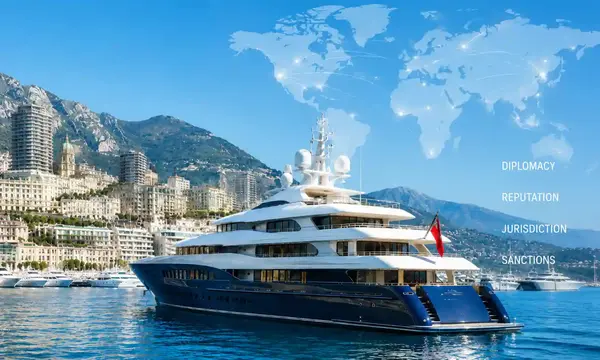
Superyachts are unusually visible forms of private wealth, so where they berth can carry reputational as well as legal significance. Soft power begins with …
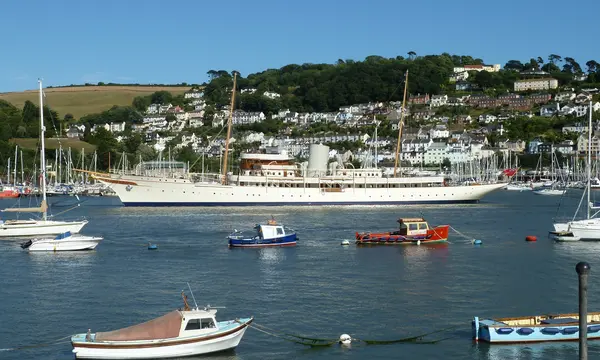
Nahlin is a 91.44-metre classic motor yacht built by John Brown & Sons in 1930 to a G.L. Watson design. Her 1936 Mediterranean charter …
Built for Horace Dodge in 1921, SS Delphine survived sinking, wartime service as USS Dauntless and decades of uncertainty before a landmark restoration returned …
Superyacht Guide
Continue into the wider Superyacht Guide.