Vitters' 53m Project 3097 Combines Classic Sloop Design With Regatta Performance
By Stephen Yardley · Edited by Stephen Yardley
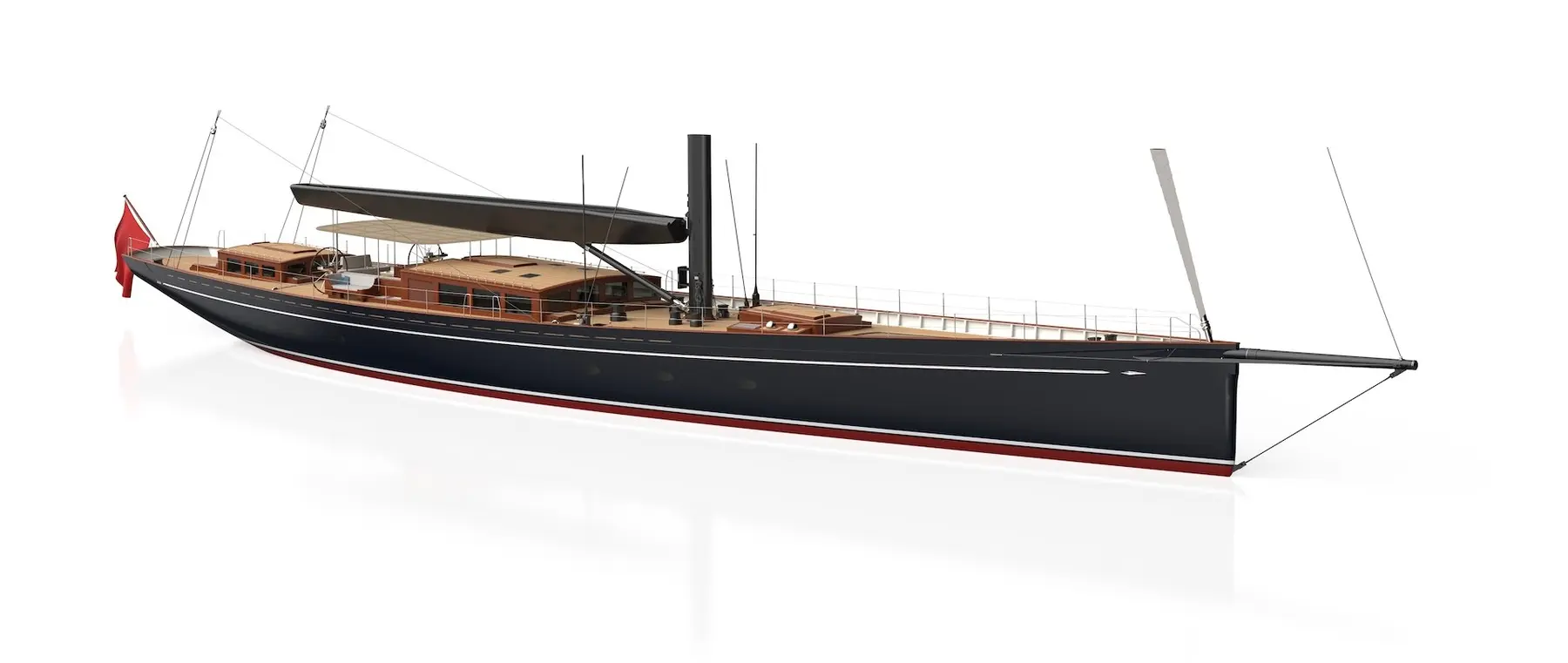
Vitters' contracted 53m Project 3097 combines Dykstra's classic sloop styling, a lifting keel and 1,200m² of sail, with delivery planned for 2029.
Vitters Shipyard has secured a contract for Project 3097, a 53-metre sloop-rigged sailing superyacht being developed under the name SY 07. The Dutch builder confirmed the project in February 2026, with naval architecture and exterior design by Dykstra Naval Architects and interior design by Vripack. The keel laying is scheduled for January 2027 and delivery for February 2029. As of October, these remain future programme milestones, not evidence of a yacht already launched or accepted by its owner.
The brief is unusually clear in its combination of aims. The owner wants a vessel suited to long-range family cruising while retaining performance sufficient for occasional superyacht regattas. Those are related but sometimes competing objectives. Spacious and comfortable interiors add weight, while responsive sailing depends on hull geometry, sail area, appendages and disciplined mass control.
Dykstra's design refers to the graceful pilot cutters of an earlier era, using a generous aft overhang and a profile that evokes the golden age of sailing. The appearance may be historic, but the underwater engineering and structural specification are being developed around contemporary sailing performance. Its long bow and controlled deckhouse proportions aim to make the yacht feel purposeful rather than ornate.
Classic styling can conceal demanding technical decisions. Keeping a fair sheerline while providing sufficient headroom and machinery access calls for careful arrangement. A hull form optimised for strong sailing characteristics still has to behave comfortably under engine power, at anchor and when entering confined ports. The best design permits the historic visual language to coexist with robust safety and service provision.
The published specification identifies a telescopic lifting keel that changes draft from approximately 4.5 metres when raised to 6.9 metres when lowered. Deep draft can improve lateral resistance and righting characteristics during sailing, while a reduced-draft mode can allow access to some anchorages and facilities that would otherwise be impractical. This arrangement adds useful flexibility, but also creates a significant moving structural system below the vessel.
Engineering such a keel demands attention to load transfer, hydraulic or mechanical operation, sealing, position monitoring and emergency procedures. A yacht's crew will need clear limitations for the position of the keel when sailing and manoeuvring. Surveyors should inspect the supporting structure and the maintenance access of the trunk. The possible advantage in cruising choice must be balanced against inspection and long-term service responsibilities.
The planned mast is just under 62.5 metres high, with approximately 1,200 square metres of sail area. The brief deliberately considers the height restrictions associated with Panama Canal passages while preserving enough sail to drive a substantial displacement yacht. A square-top mainsail and slab-reefing boom arrangement form part of the sail plan, requiring careful coordination between sails, mast stiffness, deck equipment and crew handling.
Quoted mast height should be checked against the full air draft, including lights, antennas and other fittings, rather than treating a nominal spar dimension as an automatic navigation permit. Canal limits and local rules can change, and safe clearance depends on the precise configuration of the finished vessel. The rig will also experience high cyclic loads during ocean passages, making inspection, monitoring and crew familiarisation central to ownership.
Project 3097 is targeting a lightship displacement of about 230 tonnes and a gross tonnage of approximately 253GT. Displacement measures the mass supported by the water, while gross tonnage is a measure derived from enclosed volume. The two describe fundamentally different characteristics. Dykstra's effort to manage weight is important because every additional tonne can influence acceleration in light winds, pitching behaviour and loads on the sailing systems.
A construction budget should include a disciplined weight register covering structural components, batteries, interior materials, hydraulic machinery and stores. Stone or decorative metal that looks relatively modest within a drawing can represent a meaningful mass high above the waterline. Independent monitoring during fabrication and fit-out is particularly valuable on a performance-oriented sailing yacht where the owner also expects comfortable accommodation.
The vessel is designed for eight guests in four cabins, with accommodation for seven crew. The layout aims to preserve shared sailing experiences and give the owner and family close engagement with the helm and deck activity. Vripack's interior brief draws on traditional panelling and woodwork while adapting the spaces to contemporary comfort and operational needs. A prominent saloon bar is among the details reported from the early design.
Designing a family sailing yacht involves more than putting cabins below a classic deckhouse. Guests need safe handholds, secure furniture, accessible companionways and places to rest while under way. Crew require practical routes for provisioning, laundry, galley service and sail handling. A good arrangement allows people to participate in the sailing experience without obstructing operations or compromising privacy on long passages.
Vitters is an established Dutch builder of demanding custom sailing yachts. Dykstra Naval Architects has a long record of combining performance design with historic sailing references, while Vripack brings interior and broader yacht-design expertise. Van Ineveld & Co is acting as the owner's representative, overseeing specification, schedule and budget. These roles are complementary rather than interchangeable.
The owner's representative can help ensure the project remains aligned with the original brief as decisions move through detailed engineering. Designers develop the vessel and its experience, the shipyard must turn approved plans into safe construction, and surveyors verify defined technical standards. Vitters says the yacht will be built under Lloyd's Register classification and fly the Cayman Islands flag. Owners should still examine the precise applicable rules and acceptance procedures.
Project 3097 has an announced January 2027 keel-laying milestone, with delivery planned for early February 2029. Until construction and certification are complete, sailing performance figures remain forecasts derived from design and engineering. The final boat will require testing of propulsion, rigging, steering, hydraulic systems, anchoring and guest equipment before the owner can establish a routine of longer voyages.
The value of this commission lies in its attempt to protect two distinct joys of large sailing yachts: real connection to wind and water, and the freedom to live comfortably aboard for extended periods. The classic exterior is only one element of that ambition. Its eventual achievement will be judged by controlled displacement, dependable systems, crew handling and the owner's experience under sail.
Explore
Go deeper into the yachts, companies, events and destinations directly connected to this article.
Continue reading
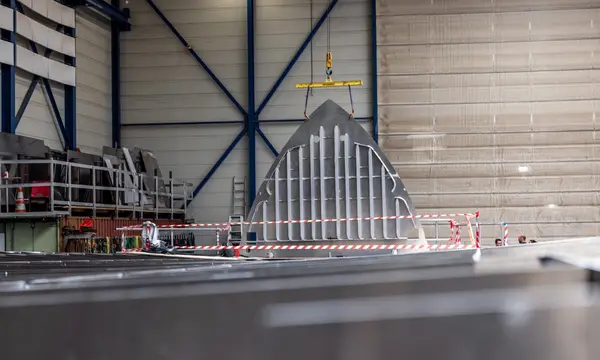
Vitters has marked the keel laying of 68-metre Project 3095, a Hoek-designed hybrid ketch scheduled for delivery in 2026.

Vitters has turned the hull of 68-metre Project 3095 and moved the ketch into its new production shed for outfitting.
Vitters has signed a contract for the 53-metre Project SY 07, a Dykstra-designed sloop for long-range cruising and occasional regatta use.
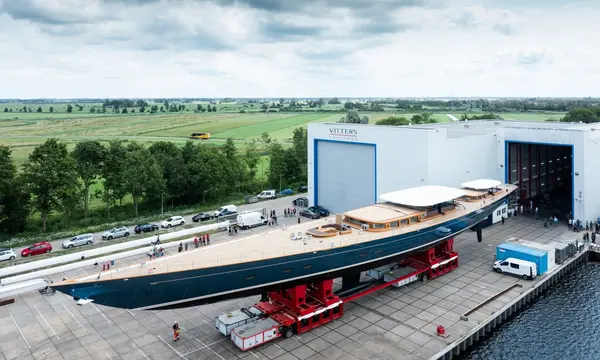
Vitters’ 68.9-metre Project Zero has emerged from the construction hall ahead of technical launch and sea trials of its renewable-energy systems.
Superyacht Guide
Continue into the wider Superyacht Guide.
Business opportunities · Superyacht Guide
Companies serving the superyacht market can discuss clearly identified advertising, sponsorship and business-profile opportunities. Commercial activity remains separate from independent editorial coverage.