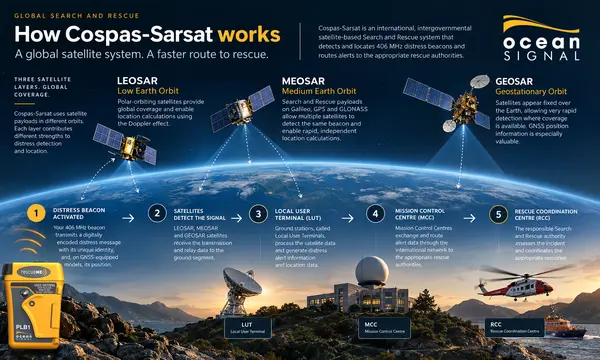
Ocean Signal Explains How 406MHz EPIRB Alerts Reach Rescue Authorities
Ocean Signal has published a current guide to the Cospas-Sarsat chain that carries 406MHz EPIRB distress alerts from a vessel to rescue coordination authorities.
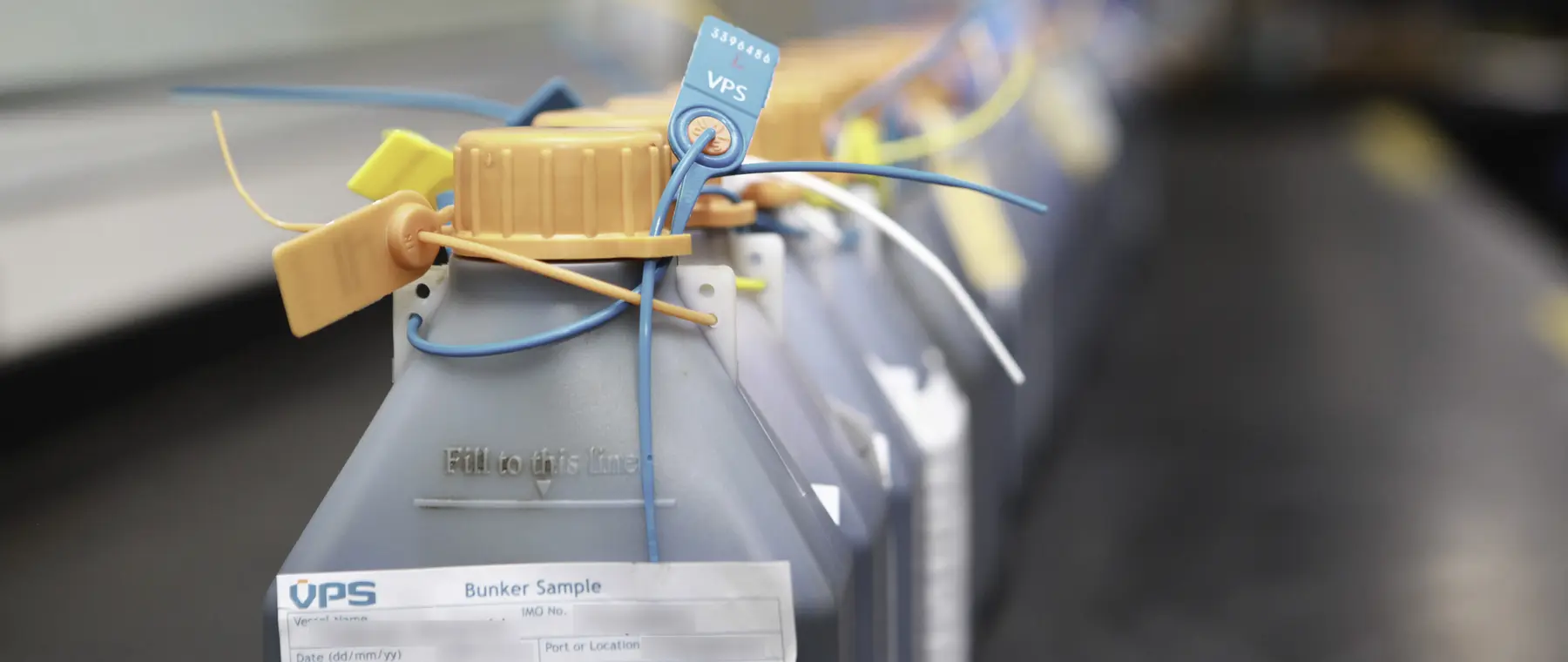
Image: VPS
VPS has launched SampLogic 2.0 to modernise worldwide collection and tracking of marine fuel samples on their way from vessels and ports to laboratories.
VPS has launched SampLogic 2.0, a new version of its online logistics platform for arranging fuel-sample collection and tracking the movement of samples to VPS laboratories. The company announced the update on 19 August and said the modernised platform would go live from 24 August as part of a phased transition from the previous SampLogic system.
The service is designed for marine operators that need to move bunker and other fuel samples from vessels or ports to testing laboratories. That is relevant to superyacht managers and engineers because fuel quality disputes, contamination concerns and routine testing can all depend on samples being transferred securely and traceably from the point of collection to the laboratory carrying out the analysis.
VPS says customers have used the original SampLogic for years to arrange worldwide sample pickup and monitor the transfer process. SampLogic 2.0 retains that core function but adds a redesigned interface and significant back-office changes intended to make the logistics workflow easier to use and more reliable.
The value of the system is not in replacing correct onboard sampling procedures. Instead, it addresses what happens after a sample has been taken, helping operators arrange collection and follow its journey so that the physical bottle reaches the testing facility without disappearing into an opaque courier chain.
VPS is phasing the new version in rather than switching the earlier platform off immediately. During the transition period both systems remain available, giving customers a fallback while the company rolls out SampLogic 2.0 and users become familiar with the new workflow.
That overlap is operationally sensible for vessels because fuel testing is often time-sensitive. If a yacht has taken a bunker sample after a delivery and wants laboratory results before consuming large quantities of fuel, losing access to the logistics platform during a software change could create unnecessary delay.
Large yachts may bunker in many countries during a season, sometimes at short notice and through different suppliers. When engineers commission laboratory testing, the quality of the result still depends on the sample arriving in usable condition with clear identification and a traceable chain between vessel, courier and laboratory.
A digital collection and tracking platform cannot determine whether the original sample was representative, but it can reduce uncertainty around the transport stage. For yacht managers overseeing several vessels, central visibility can also make it easier to confirm that samples from different ports have been dispatched and received without relying on separate email chains.
SampLogic 2.0 is not a headline propulsion technology, but it illustrates how routine marine engineering processes are becoming more digitised. Fuel management increasingly combines onboard procedures, laboratory analysis, electronic reports, supplier documentation and logistics records that may all need to be retrieved later if a problem develops.
For superyacht engineering departments, the practical benefit is straightforward: better visibility over a small but important part of the bunkering process. VPS says the new platform is now live, while the former version remains available temporarily as a backup during the transition.
Continue reading
Ocean Signal has published a current guide to the Cospas-Sarsat chain that carries 406MHz EPIRB distress alerts from a vessel to rescue coordination authorities.

Inmarsat Maritime has launched a safety-data platform combining three years of GMDSS distress information with 106,975 maritime safety broadcasts from 2025.
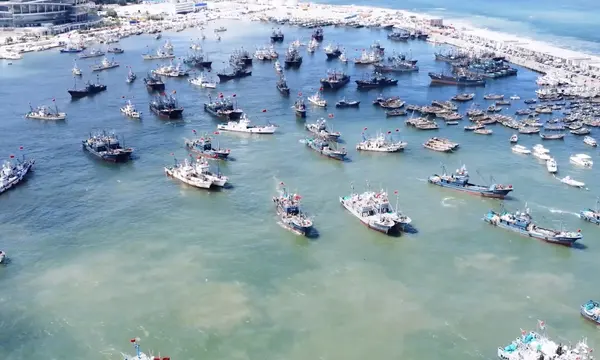
Gard says half of 65 fishing-vessel collision claims occurred in Chinese waters, with speed, lookout and over-reliance on electronics among recurring risks.

Gard’s 2026 Crew Claims Report draws on about 3,000 P&I crew claims and finds elevated injury risk early in a crew member’s time on …
Superyacht Guide
Continue into the wider Superyacht Guide.