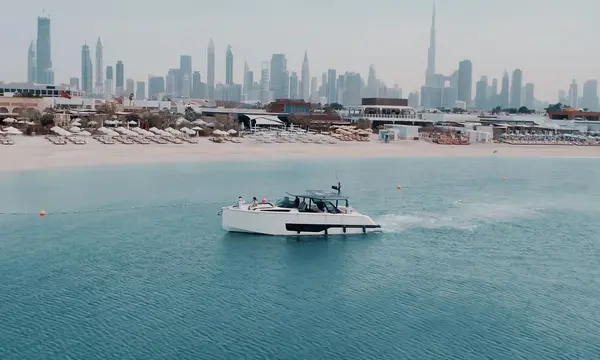
D-Marin Details Dubai J1 Beach Anchorage and Tender Service
D-Marin's October guidance explains how visiting yachts use a permitted offshore anchorage and dedicated tender service to reach Dubai's J1 Beach restaurants.
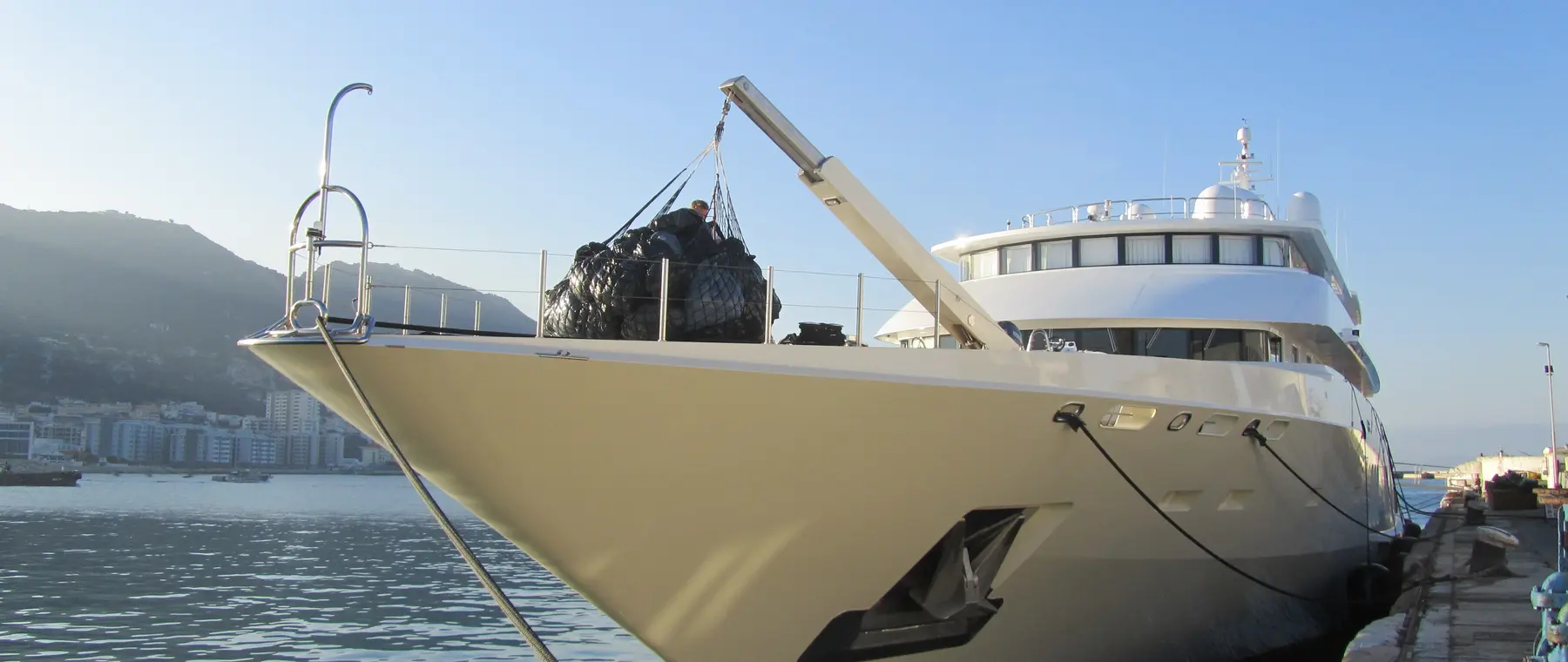
A superyacht produces sewage, grey water, food waste, plastics, oily bilge and technical waste every day. We trace what is treated onboard, what must be stored and what ultimately goes ashore.
Every shower, toilet flush, guest meal, engine-room maintenance job and delivery of provisions creates something a superyacht eventually has to get rid of. On a vessel carrying owners, guests and a large professional crew for days or weeks at a time, that can mean sewage, grey water, food waste, plastics, bottles, packaging, cooking oil, oily bilge water, used lubricants, batteries, chemicals and discarded technical equipment all being produced at once.
None of it simply disappears when it leaves the guest's sight. Behind the polished interiors and quiet service is a waste-management operation involving treatment plants, holding tanks, pumps, compactors, refrigerated stores, engineering procedures and shore contractors, with different rules governing almost every waste stream.
For owners and guests, that machinery is largely invisible, but for captains, engineers and interior crew it directly affects how long the yacht can remain away from port, where it can cruise and how safely it can operate in environmentally sensitive waters. Waste capacity is therefore part of the yacht's endurance in much the same way as fuel, fresh water and provisions.
The first thing to understand is that there is no single tank or garbage room into which everything unwanted is sent. Sewage cannot be handled like glass, oily bilge water cannot be mixed casually with domestic wastewater, and batteries or paint residues cannot be treated like ordinary galley rubbish, so the yacht has to separate fundamentally different waste streams from the moment they are created.
Interior crew sort bottles, cans, cardboard, plastics, food and cooking oil while deck crew manage maintenance residues and contaminated materials, and engineers separately handle sewage, machinery-space water, sludge, used oils, filters and technical waste. Good segregation at the start makes treatment, storage and eventual shore disposal easier, while poor segregation can turn otherwise manageable waste into a larger technical and environmental problem.
The quantities can become substantial surprisingly quickly because a large yacht can function more like a small hotel than a private boat. Laundry, showers, food preparation, housekeeping, guest service and machinery maintenance continue whether the yacht is crossing an ocean, sitting at anchor or spending a week in a marina, and every one of those activities creates something that has to be processed or retained.
The most obvious waste stream begins in the bathrooms. Sewage, generally referred to aboard as blackwater, is collected through the sanitary system and directed towards an onboard sewage-treatment plant or into holding tanks rather than simply being allowed to pass through the hull.
For applicable ships on international voyages, MARPOL Annex IV provides the international framework. It applies to ships of 400 gross tonnage and above or ships certified to carry more than 15 persons, and requires an approved sewage-treatment plant, an approved comminuting and disinfecting system or a sewage holding tank depending on the vessel's arrangement.
On a modern superyacht, the treatment plant is effectively a compact wastewater works hidden below deck. Sewage passes through biological, mechanical or chemical treatment stages intended to reduce solids and contaminants before treated effluent can be handled in accordance with the rules that apply to the yacht and its location.
The equipment needs far more attention than guests would ever imagine because biological treatment systems depend on a stable process inside the plant. Excessive disinfectants, unsuitable cleaning products, changing guest loads, pumps, blowers and filters can all affect performance, so the engineering department has to manage the system as another piece of critical machinery rather than as an elaborate drain.
Grey water creates a parallel problem. Water from showers, washbasins, laundries and similar domestic systems may look relatively clean, but it can contain detergents, cosmetics, fibres, oils and organic material, and its treatment is not identical everywhere the yacht travels.
A yacht may therefore treat grey water, retain it or operate it through a combined wastewater arrangement depending on the vessel and the jurisdiction. This is the narrower subject examined in Superyacht Guide's earlier wastewater and grey-water feature; the wider waste problem begins when those liquid systems are considered alongside everything else the yacht must retain, process and land ashore.
Solid waste presents a different engineering problem because much of it has nowhere to go until the yacht reaches shore. MARPOL Annex V broadly prohibits the discharge of garbage into the sea except for limited categories under specific conditions, while deliberate discharge of plastics is prohibited.
That makes packaging a bigger issue aboard than it appears ashore. A provisioning operation for a long guest trip can bring hundreds of bottles, containers, cardboard boxes, plastic wraps, cans and individual packages onto the yacht in a single morning, and almost all of that material eventually has to be processed or stored after the contents have been consumed.
Well-equipped yachts reduce the volume mechanically rather than pretending the waste has vanished. Glass crushers, can crushers and compactors can turn bulky refuse into something that occupies far less space, while separate bins keep recyclable and non-recyclable materials apart and refrigerated garbage storage helps control odour when the yacht cannot unload for several days.
Food waste is one of the few familiar garbage streams for which limited discharge may sometimes be possible, but the circumstances are tightly controlled. Whether it can be discharged depends on factors including how it has been processed, the yacht's distance from land, whether the vessel is en route and whether it is operating inside a MARPOL Special Area, where the requirements become more restrictive.
The practical result is that the remains of a large guest dinner cannot simply be emptied over the side after the yacht leaves an anchorage. In many operating situations the crew will grind, chill, freeze or store food waste until it can be landed, particularly when the itinerary keeps the yacht close to shore or inside sensitive waters.
Waste management therefore begins before anybody opens a rubbish bin. The chef, purser and interior team can materially reduce the volume carried aboard through careful provisioning, reusable containers, bulk purchasing and avoiding unnecessary single-use packaging, which is often more effective than trying to process excessive waste once it has already arrived.
Some of the most tightly controlled waste is produced in the machinery spaces. Engines, generators, hydraulic systems, fuel systems and routine maintenance inevitably create oily water, sludge, used lubricants, contaminated filters, absorbent materials and other residues that require a completely different handling chain from domestic garbage.
Water collects in machinery-space bilges through condensation, cleaning and minor leakage, and once contaminated with fuel or lubricating oil it cannot simply be pumped into the sea. MARPOL Annex I governs oily discharges, and approved oily-water separating and filtering equipment is associated with the familiar maximum oil-content standard of 15 parts per million for compliant processed bilge discharge.
The practical objective aboard is to avoid creating oily water unnecessarily in the first place. Drip trays, repaired leaks, properly routed drains and disciplined engine-room housekeeping prevent clean water from becoming contaminated, reducing the amount that then has to be treated or retained in tanks.
If the separator cannot operate correctly, local rules prohibit discharge or the engineering team has any doubt about what is passing through the equipment, the safe operational answer is retention. Oily bilge water can remain aboard until it is transferred to an authorised reception facility rather than turning an equipment problem into a pollution incident.
Used lubricating oil and sludge follow another route, accumulating in dedicated tanks or containers until they can be delivered ashore or handled through another approved arrangement. Batteries, electronic equipment, paint, solvents, lamps and chemical containers create further specialist waste streams that have to be labelled, stored safely and passed into an appropriate disposal chain rather than mixed into ordinary household rubbish.
This is broader than the ballast, coatings and underwater systems considered in Superyacht Guide's earlier pollution feature. A yacht can carry sophisticated environmental technology and still create unnecessary risk if the everyday discipline around drains, leaks, oils and maintenance waste is poor.
The end of the onboard process is usually not the sea but the quay. Ports and specialist contractors receive sewage, oily waste, general garbage, recyclables and other ship-generated waste, either by pumping tanks directly ashore or removing segregated bags, drums and containers from the yacht.
For a large yacht, this often requires planning before arrival because the port may need to know what is aboard, how much needs to be removed and what specialist collection is required. The captain, engineer, purser or local agent may therefore arrange tankers, garbage collection or hazardous-waste contractors before the yacht reaches its berth rather than discovering after arrival that the necessary reception facility is unavailable.
The paperwork matters almost as much as the physical transfer. MARPOL Annex V requires a Garbage Record Book for ships of 100 gross tonnage and above, as well as other specified ships, recording disposal and incineration operations so that there is a traceable account of what happened to the waste.
Environmental records can consequently become part of the broader statutory picture examined during inspections. As Superyacht Guide explains in its guide to Port State Control preparation, documentation is most useful when it accurately reflects what actually happened aboard rather than existing only as paperwork completed for an inspector.
The shore side of the chain is not always perfect because reception and recycling standards vary around the world. A crew may carefully separate plastics, cardboard, glass and metals only to arrive somewhere with limited recycling infrastructure, while remote ports may have restricted capacity for sewage, sludge or hazardous materials.
Experienced operators therefore consider waste facilities when planning an itinerary, just as they consider fuel, berth depth and provisions. A destination may be spectacular for guests but operationally difficult if the yacht cannot responsibly unload several weeks of accumulated waste there.
The most effective waste-management system is partly mechanical and partly cultural. Large holding tanks, treatment plants, oily-water separators, compactors and refrigerated garbage rooms are important, but their performance depends on hundreds of small decisions made by crew throughout the yacht every day.
Interior crew determine how well refuse is separated, chefs influence the quantity of food and packaging waste, engineers determine whether clean water is allowed to become oily waste, and deck departments control paints, chemicals and maintenance materials that can become difficult disposal problems if they are mixed carelessly. Owners and guests affect the system as well through choices such as bottled water, disposable products, extensive provisioning, constant laundry and frequent menu changes.
The subject also influences yacht design because naval architects and engineers have to find room not only for fuel and fresh water but for sewage holding tanks, treatment equipment, garbage rooms and technical waste storage. A yacht intended for genuine long-range operation needs somewhere for waste to go when reliable shore facilities are hundreds of miles away.
This hidden infrastructure is part of the work described in Superyacht Guide's look at life as a superyacht engineer. Guests may see clean decks, fresh towels and a perfectly presented breakfast, while several decks below the engineering team is simultaneously making water, treating sewage, monitoring tanks and ensuring that the yacht does not leave its unwanted material behind.
There is no single answer because each waste stream follows a different route. Sewage can be treated or retained, grey water may be processed or stored according to the yacht and its location, oily bilge water is treated through controlled equipment or kept aboard, while plastics, glass, metals, used cooking oil, electronics and many maintenance wastes ultimately have to be removed ashore.
Food waste occupies a narrower middle ground in which certain discharge can be permitted under defined conditions, but even there the rules become more restrictive according to location and operating circumstances. The fact that something is biodegradable does not automatically mean the crew is free to dispose of it whenever they choose.
A modern superyacht therefore does not make waste disappear. It segregates it, pumps it, treats it, grinds it, compacts it, chills it, stores it, records it and eventually transfers much of it to a reception facility on land, with the invisible system below deck supporting the luxury and autonomy experienced above it.
That process is fundamental to safe and responsible yacht operation because the ability to cruise for weeks through beautiful waters depends partly on the machinery, storage capacity and crew discipline required to ensure that the waste created by life aboard does not simply become part of those waters. The quieter and more seamless the system appears to guests, the more successfully the crew is doing one of the least glamorous but most essential jobs on the yacht.
Continue reading
D-Marin's October guidance explains how visiting yachts use a permitted offshore anchorage and dedicated tender service to reach Dubai's J1 Beach restaurants.
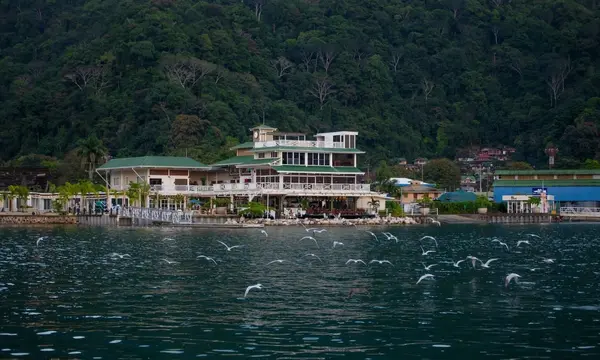
Marina Bahía Golfito highlights prospective customs, port services, road access and research facilities in Costa Rica before FLIBS 2026.
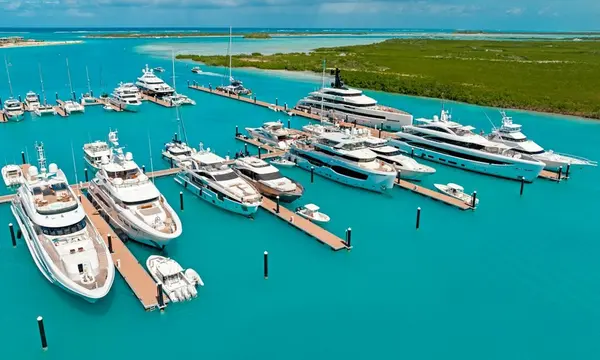
IGY explains how its Trident programme supports eligible superyacht captains seeking short-notice berths during busy events and sudden itinerary changes.
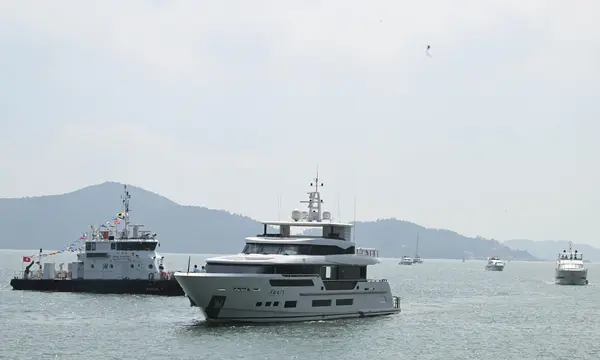
Five Guangdong yachts made the inaugural southbound visit to Hong Kong on 16 October, launching two-way cross-border arrangements and new marina ambitions.
Superyacht Guide
Continue into the wider Superyacht Guide.
Business opportunities · Superyacht Guide
Companies serving the superyacht market can discuss clearly identified advertising, sponsorship and business-profile opportunities. Commercial activity remains separate from independent editorial coverage.