
The advertised weekly charter rate does not cover every expense. We explain what the base fee normally includes and how APA, fuel, food, VAT and marinas shape the final bill.
A superyacht’s advertised weekly charter rate is not the same as the final holiday cost. Under the MYBA-style terms commonly used in the international charter market, the base fee generally pays for the yacht itself, its normal crew and the owner’s obligation to keep the vessel properly insured and ready for service, while most guest-driven operating expenses are charged separately.
That distinction matters because food, fuel, berth charges, local taxes, beverages and other variable costs can add a substantial amount to the headline rate. A client comparing two yachts should therefore ask for the expected total cash requirement for the intended itinerary rather than choosing solely on the weekly figure shown on a broker’s website.
Bluewater’s charter guidance explains that yachts offered on MYBA terms are provided in full commission with the necessary equipment and with a professional crew whose wages, food and clothing are for the owner’s account. The yacht is also expected to carry appropriate marine insurance, so the charterer is paying for the temporary use of a fully operational vessel rather than separately hiring the captain and core crew.
Normal maintenance of the yacht, depreciation, financing and the owner’s underlying ownership costs are not itemised to the charterer because they sit behind the charter rate. The same is generally true of the yacht’s standard inventory, fixed furnishings and ordinary equipment, although unusual activities, specialist instructors or additional rented equipment can create extra charges.
The crew’s everyday service is part of the charter experience, including navigation, engineering, housekeeping, meal preparation and guest care within the yacht’s normal manning structure. If a charter requires extra personnel such as security staff, a specialist dive instructor, medical support, entertainment staff or shore-based event personnel, those costs may fall outside the base arrangement and should be agreed in advance.
The Advance Provisioning Allowance, usually shortened to APA, is a sum paid before the charter so the captain can fund the charterer’s expected operating expenses. MYBA research has found APA commonly charged between 20% and 35% of the charter fee, although the appropriate figure depends on the yacht, its fuel consumption, the cruising programme and the guests’ preferences.
APA is not automatically an extra fee retained by the owner, because it is an advance against actual expenditure incurred for the charter party. The captain keeps accounts and supporting records, and unused funds are normally returned after the charter while any shortfall must be settled by the charterer, subject to the contract and the accounting process used by the yacht.
A high-consumption yacht making long passages at speed can use far more fuel than a displacement yacht spending several days at anchor, while premium wines, elaborate provisioning and repeated nights in expensive marinas can quickly increase spending. For that reason, an APA percentage should be treated as an initial funding estimate rather than a guaranteed cap on the variable cost of the holiday.
Fuel for the main engines, generators, tenders and motorised water toys is normally charged to the charterer because consumption depends directly on the chosen itinerary and activity level. A client who wants fast daily repositioning between distant ports will create a different fuel bill from a family cruising slowly between nearby anchorages and using the main engines only for short transfers.
Food and beverages for the charter party are also normally paid from APA, even though the crew chef and service team are included in the yacht’s manning. The preference sheet completed before embarkation helps the chef and chief steward or stewardess plan quantities, dietary requirements, wine, spirits and special requests, but very high-value products can materially affect the final account.
Port, harbour and marina dues generally sit outside the base charter fee as well, along with pilotage, customs charges, shore power and other local services where applicable. Berthing choices can therefore have a significant cost effect in places such as Monaco, Saint-Tropez, Ibiza or other high-demand ports, while an itinerary focused on anchoring may spend considerably less on marina charges.
VAT is commonly added to charter fees in European territorial waters, but the rate and treatment depend on the place of embarkation, itinerary, yacht status and current national rules. Bluewater specifically advises clients that VAT can vary according to the country and cruising plan, which is why the broker should confirm the tax position for the actual contract rather than rely on an old online percentage.
Other destinations may impose cruising taxes, local charter taxes, permit fees, park charges or customs costs that are separate from European VAT. These charges can change and may be based on yacht size, guest numbers or duration, so a professionally prepared estimate should identify expected taxes before the charter begins and leave room for itinerary changes.
Event charters can involve further premiums because the yacht may need a special berth, event permission, hospitality services or local access arrangements. A Monaco Grand Prix charter, for example, should never be costed as though it were an ordinary week on the Riviera because event berthing and associated services are commercially distinct from standard cruising.
Flights, hotels, private jets, limousines, shore excursions, restaurants, spa appointments and other personal expenditure ashore are normally outside the yacht charter rate unless a package has explicitly been arranged. Telecommunications, personal laundry and specialist consumables can also be charged separately under many contracts, and unusual guest requests should be discussed with the broker before signature.
Crew gratuity is not normally included in the advertised weekly rate and is discretionary, although brokers can explain customary practice for the cruising region. The amount should reflect the service received and should usually be handed to the captain for equitable distribution rather than given selectively to the most visible members of the crew.
Delivery or repositioning charges may apply if the charterer wants the yacht to begin or end far from its scheduled cruising area. These charges are especially relevant when a yacht must travel empty to meet the guests, because the owner may require compensation for fuel, time, port costs and disruption to the vessel’s wider charter programme.
The most useful comparison starts with the same assumptions for both yachts: identical charter dates, guest numbers, embarkation point, cruising region, expected itinerary and activity level. The broker can then show the base fee, estimated APA, VAT or local tax, delivery charges and any special-event costs so the client sees a realistic range for total expenditure.
A lower weekly rate does not necessarily produce the cheaper holiday if the yacht burns more fuel, requires repositioning or carries a higher tax exposure under the proposed itinerary. Equally, a more expensive yacht may include better tender capability, stronger stabilisation, more crew or facilities that remove the need to spend as much ashore, so value should be judged against the actual experience desired.
The simplest rule is to regard the advertised charter fee as the cost of accessing the yacht and its professional crew, not as an all-inclusive resort price. Once APA, tax, marina use, fuel and personal preferences are added, the final figure becomes specific to the guests and the route, which is why a detailed broker estimate is essential before committing to a charter.
Explore
Go deeper into the yachts, companies, events and destinations directly connected to this article.
Continue reading
The largest superyachts publicly marketed for charter in 2026 now extend beyond 100 metres. This ranking uses current primary broker listings checked on 10 …

The best family charter yacht is the one whose layout, crew, safety, toys and itinerary fit the group. We explain what parents and multi-generational …
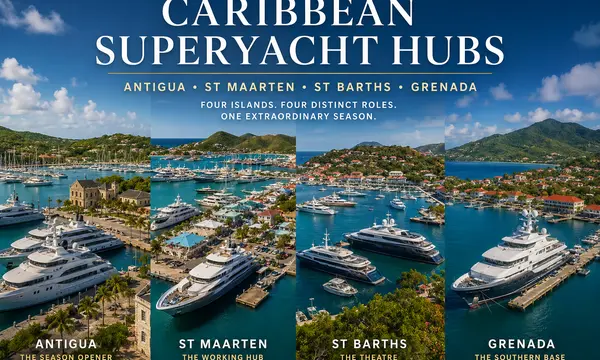
Mediterranean and Caribbean charters offer different seasonal rhythms, costs and guest experiences. We compare weekly rates, APA, taxes, marinas, anchorages and itineraries.
Yes, some superyachts can be chartered for three days, but minimum terms and pricing are yacht-specific. Depending on the contract, a short booking can …
Superyacht Guide
Continue into the wider Superyacht Guide.