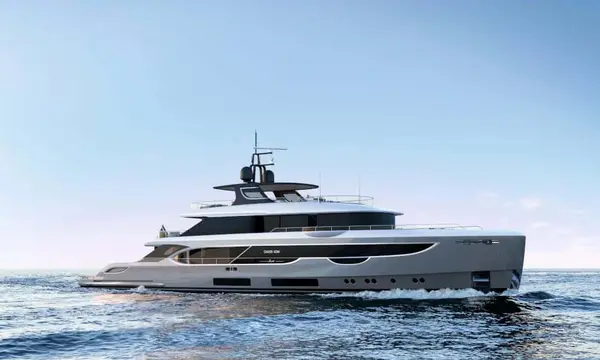
40m Superyacht Running Costs: Crew, Fuel, Berthing and Refit
Running a 40m superyacht requires a substantial annual budget for crew, maintenance, fuel, berthing and other operating costs. Superyacht Guide's 2026 model of 322 …
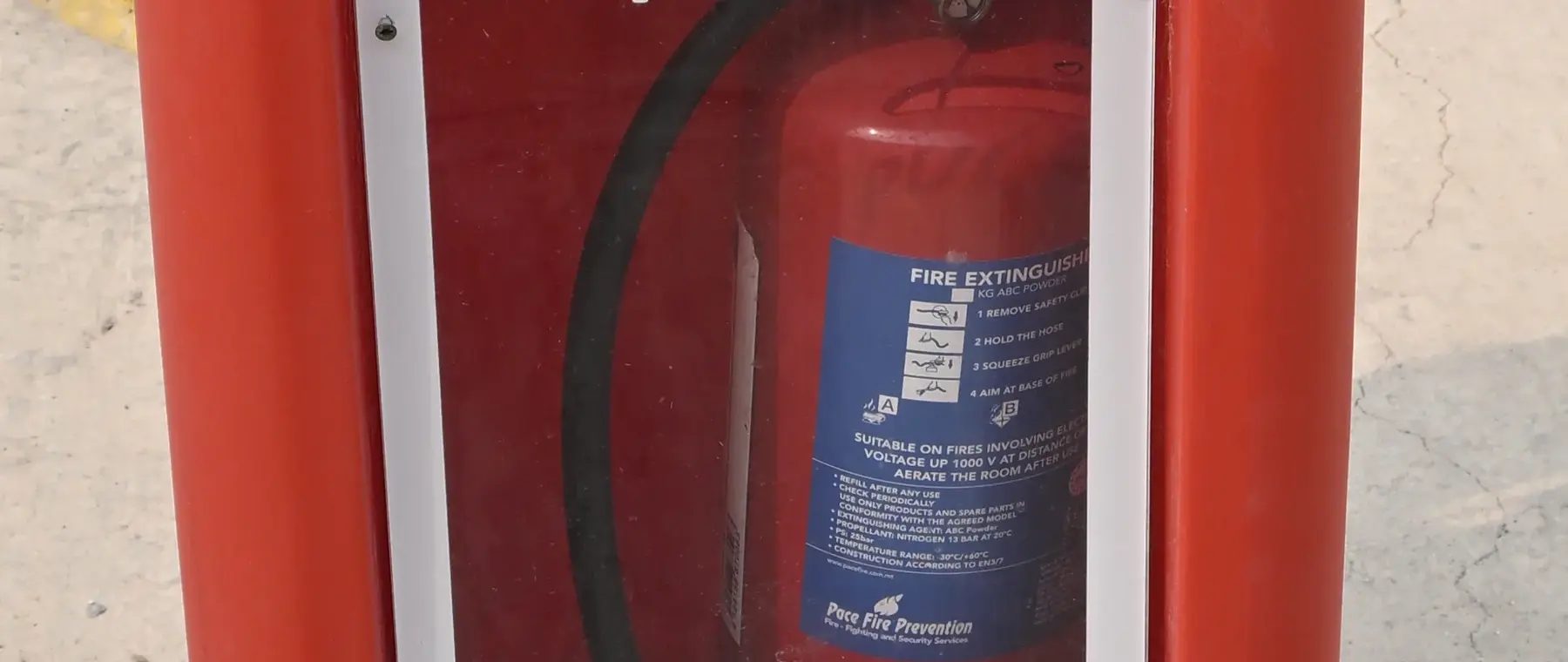
Superyacht fires can start with fuel or oil reaching hot machinery, electrical faults, neglected laundry equipment or lithium-ion batteries. Prevention depends on maintenance, early detection, correct storage and charging, effective suppression systems and trained crew.
Fire is one of the most serious emergencies a superyacht crew can face because the vessel combines machinery, fuel, electrical systems, accommodation spaces and increasingly large numbers of rechargeable batteries inside a relatively confined structure. A fire that begins as a local equipment failure can threaten escape routes, disable propulsion or power and spread smoke through spaces occupied by guests and crew, which is why prevention starts long before anyone sees flames.
There is no single explanation for why superyachts catch fire. Official accident investigations and safety guidance point instead to recurring mechanisms: leaking fuel or oil reaching hot machinery, electrical faults and arcing, combustible material stored too close to electrical equipment, poorly maintained domestic appliances and lithium-ion batteries entering thermal runaway. The important distinction is that most of these hazards can be reduced through maintenance, housekeeping, monitoring and disciplined operating procedures.
Machinery spaces contain several parts of the traditional fire triangle in close proximity: combustible liquids, hot surfaces and potential ignition sources. A Marine Accident Investigation Branch investigation into the engine-room fire aboard Stena Europe identified pressurised fuel reaching a high-temperature exhaust area and highlighted measures including spray shielding and insulation of hot surfaces, illustrating the underlying mechanism that engineering teams are trained to prevent.
For a superyacht, the practical lesson is not simply to look for dramatic fuel leaks. Flexible hoses, pipe connections, filters, vibration, missing supports and disturbed components after maintenance all deserve attention because atomised fuel can create a much more dangerous situation than a slow drip. Inspection after engineering work should therefore confirm that fuel-system components, supports, shields and insulation have all been restored correctly before machinery returns to normal service.
Electrical fires can begin where high current, damaged insulation, loose connections or short circuits create enough heat or arcing to ignite nearby material. The MAIB investigation into the yacht Inseyandra found evidence associated with a bow-thruster electrical short circuit and arcing, while combustible material in the same area provided fuel for the developing fire. The case is a useful reminder that electrical equipment cannot be considered separately from the way surrounding lockers and technical spaces are used.
Domestic equipment can create a less obvious risk. In its safety lessons from the large charter motor yacht Lady Candida, the MAIB identified accumulated lint in a tumble dryer as part of the fire scenario and stressed fire detection, maintenance and emergency drills. On a busy charter yacht, laundry equipment may run for long periods, so cleaning filters and ducts, maintaining appliances and keeping the laundry environment clear of avoidable combustible build-up are operational safety tasks rather than housekeeping details.
Modern yachts carry lithium-ion batteries in e-foils, electric surfboards, scooters, bicycles, tenders, tools and other portable equipment. The UK Maritime and Coastguard Agency’s MGN 681 Amendment 1 specifically addresses small electric-powered craft carried on yachts and describes the risk of thermal runaway, a failure process in which a battery can generate intense heat, release flammable gases and potentially reignite even after the visible fire appears to have been controlled.
That changes the way a yacht should think about toy storage and charging. Equipment should be charged and stored according to the vessel’s procedures and the manufacturer’s requirements, damaged or suspect batteries should not be treated as normal equipment, and charging locations need appropriate monitoring, detection and fire-response planning. The MCA guidance also addresses fire detection and suppression, reinforcing that the risk has to be considered in the design and operation of the storage space rather than relying on crew reaction after a battery has already failed.
The MCA’s shipboard fire-prevention guidance treats fire protection as a combination of prevention, detection and extinction rather than a single system. On a superyacht that means keeping machinery and electrical installations maintained, protecting hot surfaces, controlling combustible storage, maintaining detection and suppression equipment and ensuring that escape routes and fire-control arrangements remain usable even while the yacht is undergoing maintenance, carrying additional equipment or operating with guests aboard.
Materials also matter once a fire begins. MCA guidance on fire-retardant treatments for fabrics addresses requirements connected with the Large Commercial Yacht Code and the interaction between fire-retardant materials, automatic sprinkler protection and fire-detection arrangements. Interior finishes, furnishings and decorative materials therefore form part of the overall fire-safety system rather than being purely aesthetic choices.
Crew training is the final layer because even well-maintained systems cannot remove every ignition source. Drills should make the crew familiar with alarms, communications, isolation of machinery and electrical systems, use of fixed and portable firefighting equipment, boundary cooling, evacuation routes and the point at which protecting life takes priority over fighting the fire. The aim is not to make every crewmember an investigator, but to ensure that a small incident is recognised early and met with a coordinated response before heat and smoke make the situation unmanageable.
The recurring lesson from official investigations is that yacht fires rarely need an exotic cause. A leaking fuel connection, an electrical fault, lint inside a dryer, combustible material in the wrong place or a damaged lithium battery can each provide the beginning of a serious casualty, while maintenance, clean technical spaces, correct charging practices, reliable detection and suppression, and rehearsed crew response provide multiple opportunities to stop that failure from becoming a major fire.
Continue reading
Running a 40m superyacht requires a substantial annual budget for crew, maintenance, fuel, berthing and other operating costs. Superyacht Guide's 2026 model of 322 …

Superyacht Guide's 2026 running cost calculator provides annual, monthly and five-year ownership estimates using either an existing yacht or a planning value. It gives …
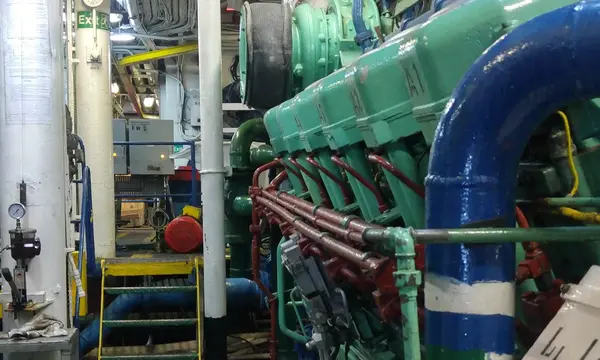
A CHIRP Maritime case shows how a single component omitted during engine maintenance allowed a fuel line to fail and spray diesel onto hot …
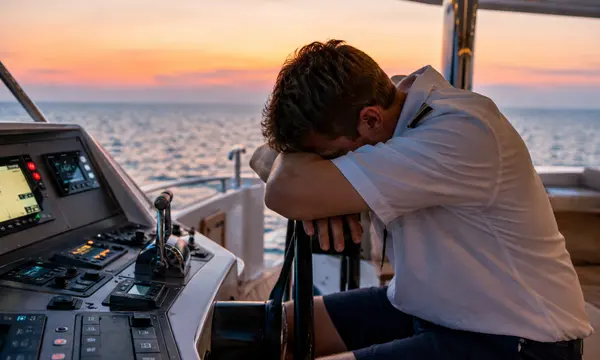
Crew fatigue on superyachts affects safety, judgement, service, maintenance, crew welfare and compliance, making rest management essential on board.
Superyacht Guide
Continue into the wider Superyacht Guide.
Business opportunities · Superyacht Guide
Companies serving the superyacht market can discuss clearly identified advertising, sponsorship and business-profile opportunities. Commercial activity remains separate from independent editorial coverage.