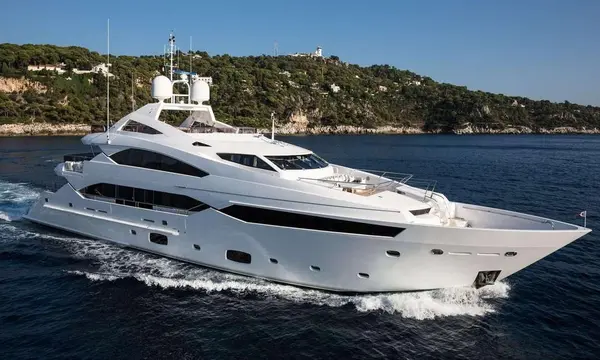
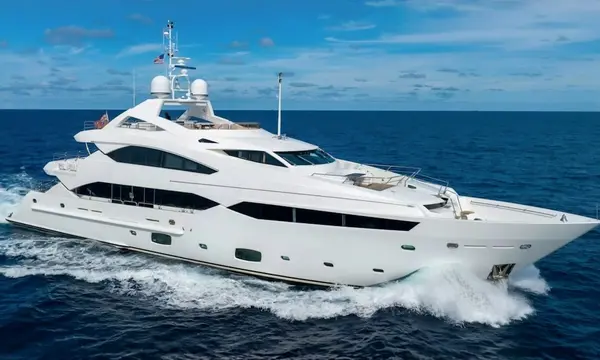
40m Sunseeker SEA RAIDER V Listed by Burgess for $9.75m
Burgess has announced the 40-metre Sunseeker SEA RAIDER V for sale at US$9.75 million, with a five-cabin layout and a planned appearance at Fort …
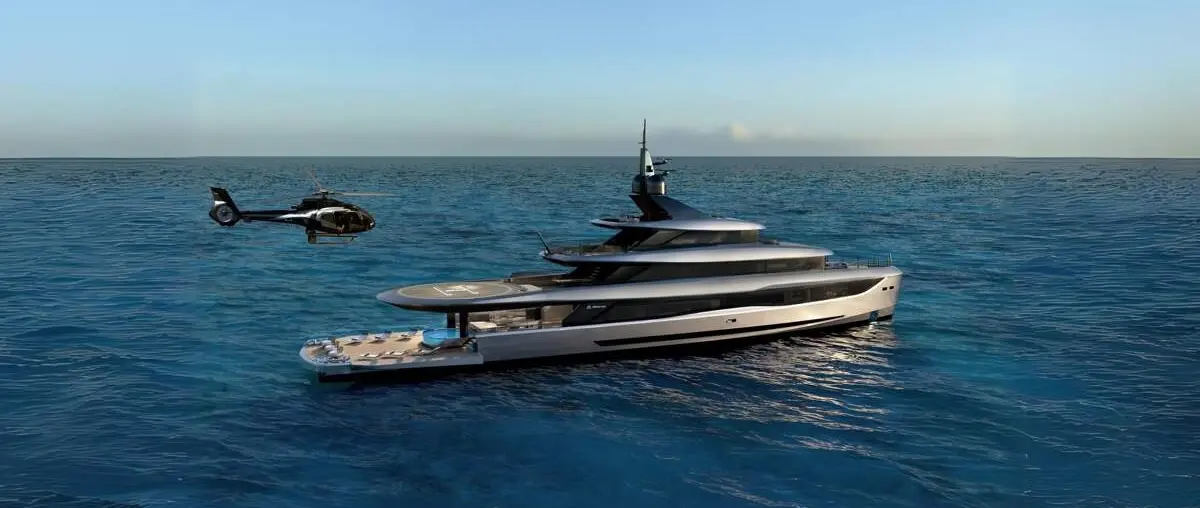
Fraser is marketing the 52.6m Mengi Yay VIRTUS XP53/03 under-construction explorer for €34.125 million, with delivery targeted for August 2027.
Fraser has added the 52.6-metre VIRTUS XP53/03 NB116 to its sales fleet, offering a Mengi Yay explorer yacht while she remains under construction. The Turkish shipyard is targeting delivery in August 2027, and the brokerage lists an asking price of €34,125,000. The listing gives buyers access to a project in progress rather than a completed vessel that can immediately enter service.
VIRTUS XP53/03 is identified as the third hull in the yard's VIRTUS line. The project combines an expedition-oriented specification with sizeable guest and outdoor facilities, reflecting a segment in which owners want the potential for remote cruising without giving up the familiar comforts of a large motor yacht. Delivery dates, final equipment and contract terms should be confirmed with the yard and broker.
The builder's specification calls for a steel hull and aluminium superstructure, RINA classification and Ice Class 1D capability. Fraser quotes a range of 4,100 nautical miles at a speed of 12 knots, supported by twin Caterpillar engines rated at 1,450 horsepower each. The published maximum speed is 16 knots, a figure consistent with a yacht intended to spend much of its operating life at longer-range cruising speeds.
An ice-class notation does not make every polar or winter voyage safe by itself. Route planning still requires information about ice conditions, local restrictions, crew training and the yacht's exact operating limitations. Likewise, the quoted range should be treated as a specification under particular conditions, with allowances for weather, reserves, machinery loads and the availability of bunkering along any proposed itinerary.
Paolo Dose of VYD Studio is responsible for the exterior and interior design, while Dutch naval architect Van Oossanen developed the vessel's naval architecture. The project therefore brings together a Turkish yard, an Italian design practice and a Netherlands-based engineering specialist. Fraser presents the arrangement as an explorer format with a deliberately refined guest experience.
The combination matters because decisions made early in naval architecture influence volume, efficiency and how much weight is available for tenders and guest amenities. Exterior design must accommodate working decks and technical openings without losing the proportions expected of a luxury yacht. Buyers considering a vessel still being built should ask which arrangements remain adjustable and which major engineering choices are already fixed.
Accommodation is specified for ten guests in five staterooms, including an upper-deck owner's suite with extensive sea views and direct access to a private forward pool area. VIP cabins on the main deck and additional guest suites below provide a separation between different accommodation groups. Fraser describes interior spaces that make use of panoramic glazing and a sizeable formal dining area.
At 499 gross tonnes, the yacht sits just below the 500-GT threshold used in several regulatory contexts, though actual obligations depend on registry, use and applicable rules. Buyers should not assume a single tonnage number determines all operational requirements. The five-cabin layout should also be assessed alongside crew access, service corridors and storage, especially for extended voyages with guests aboard.
One of the project's most notable advertised features is a 98-square-metre aft-deck area with a swimming pool and extensive lounge space. Fraser also describes a convertible beach club, intended to offer a different connection to the sea depending on the way the yacht is being used. Such arrangements create a generous social footprint in addition to the enclosed guest accommodation.
These facilities bring engineering obligations as well as leisure opportunities. Pools require water-management systems and careful assessment of weight when filled, while movable platforms and large openings need inspection, sealing and maintenance. During a specification review, a buyer should establish which components are included in the agreed scope and how crew will operate them safely in different sea conditions.
A helicopter landing area on the upper deck is part of the proposal, with Fraser also identifying storage capacity for a tender up to 8.2 metres. These features are designed to make travel between remote anchorages and shore more flexible while allowing the yacht to carry a capable support craft. A helicopter deck, however, does not automatically mean that every helicopter type can be supported or that routine operations are approved.
A prospective owner would need confirmation of structural limits, aviation procedures, the relevant certification and the local rules applying to actual flights. Tender handling should similarly be assessed against lifting capacity and deployment in weather. The arrangement suggests a vessel equipped for ambitious itineraries, but the operational plan should be built around verified capabilities rather than brochure possibilities.
An elevator connecting the main and upper decks is part of the published layout. It can improve movement between guest areas for visitors who may find stairs inconvenient, while the large windows and separate social zones support different activities during extended time aboard. Fraser lists accommodation for nine crew, a level intended to sustain guest service and technical duties on a 53-metre explorer.
Elevator installations and hotel services add maintenance requirements, and they do not eliminate the need to examine other accessible routes around a yacht. Crew accommodation and working access are equally important to day-to-day operation. Before finalising the build, a purchaser should review galley arrangements, provisioning capacity, laundry, workshops and the ability to service systems without regularly interrupting guests.
The 19 October announcement is a brokerage listing rather than news of a completed launch. Mengi Yay is still constructing VIRTUS XP53/03, and August 2027 remains the stated target for delivery. Fraser's €34.125 million figure provides a starting point for discussions about the asset, but a negotiated contract must make clear which specifications, warranty terms and delivery milestones apply.
Independent technical representation is particularly useful while a yacht is under construction. The buyer's team can track inspections, commissioning, class documentation, sea trials and acceptance procedures before handover. VIRTUS XP53/03 is an unusually feature-rich project with serious range ambitions; how closely the completed vessel meets those plans will be established through build progress and formal testing.
Continue reading
Burgess has announced the 40-metre Sunseeker SEA RAIDER V for sale at US$9.75 million, with a five-cabin layout and a planned appearance at Fort …
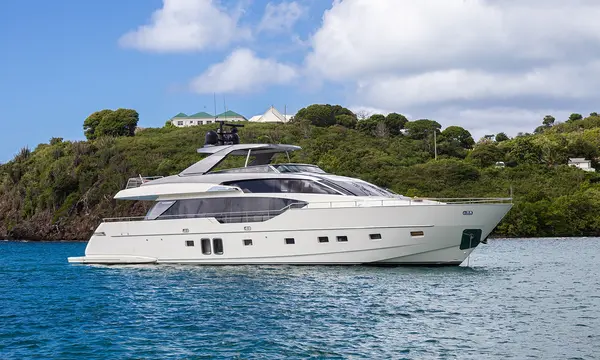
The Sanlorenzo SL86 motor yacht SQUALO has joined IYC's global sales fleet, with extensive factory upgrades and accommodation arranged for eight guests.
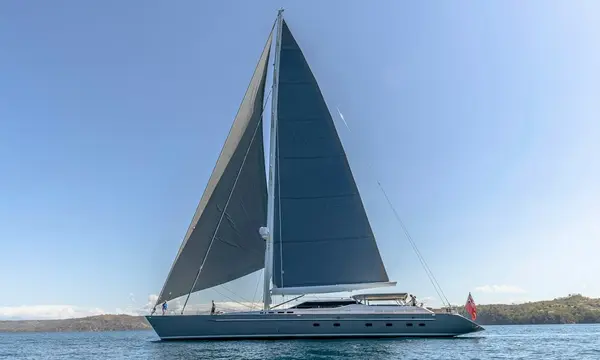
Northrop & Johnson is offering the 35.1-metre Alloy Yachts sailing yacht MY STAR for €2.95 million VAT paid, highlighting a four-year circumnavigation and a …
The Sunseeker superyacht ABOUT TIME has joined Northrop & Johnson's sales listings at $9.9 million, with six guest cabins, folding balconies and upgrades exceeding …
Superyacht Guide
Continue into the wider Superyacht Guide.
Business opportunities · Superyacht Guide
Companies serving the superyacht market can discuss clearly identified advertising, sponsorship and business-profile opportunities. Commercial activity remains separate from independent editorial coverage.