Company
The International SeaKeepers Society
Explore the company profile and related Superyacht Guide coverage.
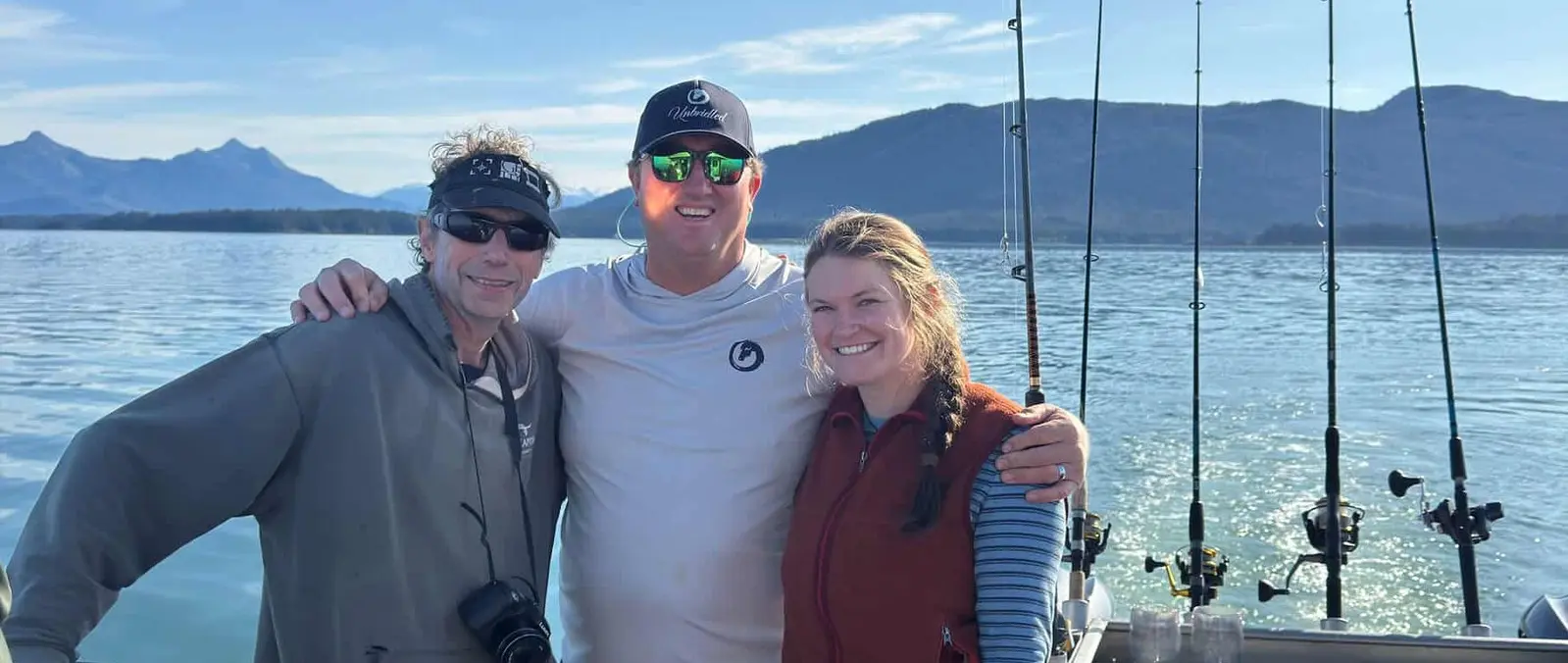
The 58m UNBRIDLED hosted Dr Fred Sharpe and SeaKeepers in Alaska for humpback-whale observations and wildlife-navigation education.
The 58.2-metre motor yacht UNBRIDLED hosted marine ecologist Dr Fred Sharpe during a three-day research and educational collaboration in Southeast Alaska from 9 to 11 September 2026. The International SeaKeepers Society organised the connection through its DISCOVERY Programme, allowing the researcher to observe humpback whales encountered during the yacht's normal operations around Juneau. The project shows how a capable private vessel can contribute valuable scientific access without being converted into a dedicated research ship.
This was a completed expedition, not an announcement of new research findings or a claim that the scientists had discovered a new species or whale population. SeaKeepers describes direct observations, interpretation of behaviour and practical discussions with crew and guests as the principal activities. The wider significance lies in strengthening a long-running relationship between field researchers and privately operated yachts.
Dr Sharpe's long-term work focuses on humpback whales in Southeast Alaska, including seasonal movement, feeding behaviour and the use of productive coastal waters. Whales may move widely in response to food availability, weather and other environmental conditions, making observations across different waterways useful to researchers. The region's channels and passages also bring marine mammals into proximity with tourism and commercial vessel traffic.
Research observations should be recorded carefully, with times, locations, environmental conditions and consistent methods wherever possible. A short vessel trip can contribute to a longer dataset, but three days of encounters should not be presented as a complete population survey. Scientific conclusions depend on repeated observations, comparison with historical data and appropriate methods of analysis.
SeaKeepers reports that Dr Sharpe used the voyage to discuss humpback whale behaviour, movement and feeding with UNBRIDLED's guests and crew. Having a working researcher aboard changes a whale-watching experience from a purely visual attraction into an opportunity to understand ecological relationships and the practical challenges of fieldwork. The discussion also helped explain why a whale's response to a vessel matters more than obtaining the closest possible photograph.
Luxury wildlife itineraries can create pressure to deliver spectacular encounters, but nature is not a scheduled performance. Captains should avoid chasing animals or making sudden approaches for guest entertainment. A responsible programme allows the animals to control the encounter and encourages guests to value the learning experience even when whales remain distant or are not seen at all.
A principal focus of the collaboration was the way a vessel should behave when whales are nearby. Dr Sharpe discussed maintaining appropriate distances, reducing speed, avoiding abrupt course changes and recognising behavioural signs that an animal may be disturbed. Those practices are relevant to any captain operating in areas where marine mammals feed or migrate, although applicable legal requirements and protected-area rules vary by jurisdiction.
A yacht can pose risks through collision, propeller strike or repeated disturbance even when the people aboard have good intentions. Bridge teams need effective lookouts, reliable communications and a shared understanding of what to do when an animal approaches unexpectedly. Good practice cannot be reduced to a single fixed distance in every circumstance; crews must follow local rules and adjust to actual conditions.
UNBRIDLED is a Trinity-built motor yacht delivered in 2009 and subsequently refitted, with accommodation for twelve guests in six cabins and a professional crew of thirteen. Her equipment includes tenders and the systems needed for extended cruising in remote regions. The yacht's operational presence in Alaska creates an opportunity for researchers who may otherwise face considerable expense obtaining boat time in the same area.
Research users do not necessarily need the luxury amenities that guests value, but they benefit from a stable observation platform, experienced navigators, access to protected waters and the ability to coordinate work with a predictable itinerary. Providing that access does not turn the vessel into a purpose-designed laboratory or automatically equip it for invasive scientific sampling. Every expedition should be assessed against the actual capabilities and permissions of the available yacht.
For field science, chartering a suitable vessel and crew can represent a large portion of the budget. SeaKeepers' model brings willing owners and marine researchers together so scientific activities can share the use of existing private vessels. The project must still account for safety, logistical planning, insurance, permissions and the coordination of research requirements with normal yacht operations.
A yacht owner's contribution can therefore be more useful than a publicity photograph or a simple financial donation, provided the programme addresses a genuine scientific need. Researchers define the purpose and methods; SeaKeepers helps arrange vessel access; captains retain responsibility for safe navigation. Clear boundaries between these roles preserve scientific independence and prevent a guest experience from determining how research is conducted.
The International SeaKeepers Society is a not-for-profit organisation that connects the boating community with marine science, education and conservation initiatives. Its DISCOVERY Programme has facilitated research trips across different ocean regions using yachts and other vessels. Dr Fred Sharpe is associated with whale research and WhaleSETI, with long-standing work on humpback behaviour in Alaska.
The UNBRIDLED collaboration is one example of a wider programme rather than evidence that every vessel in SeaKeepers' network undertakes identical scientific work. Research needs vary substantially between whale observations, reef surveys, water sampling and debris monitoring. Owners interested in participating should understand the specific protocol, the required equipment and the extent to which crew time or itinerary changes will be involved.
The September voyage illustrated a useful alternative to conventional superyacht tourism. Guests experienced the Alaska coastline while learning from a scientist whose work is concerned with how whales behave and how vessels can reduce disturbance. That knowledge can remain relevant long after the voyage, particularly if captains incorporate appropriate wildlife practices into their standard operating procedures.
SeaKeepers has not described this three-day programme as producing a new scientific discovery. The verified outcome is meaningful access for an established researcher, practical observation and a direct educational exchange between scientist, crew and guests. For the wider superyacht industry, that is a concrete example of how private maritime resources can support conservation-oriented knowledge without overstating their impact.
Explore
Go deeper into the yachts, companies, events and destinations directly connected to this article.
Company
Explore the company profile and related Superyacht Guide coverage.
Continue reading
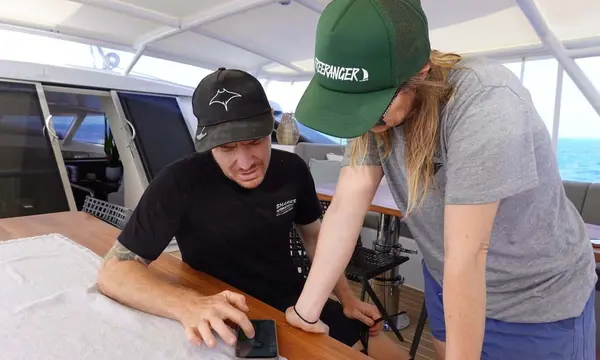
The 37m sailing yacht RADIANCE hosted the first joint manta-ray surveys by Fiji and New Zealand researchers in the northern Lau Group, documenting baseline …
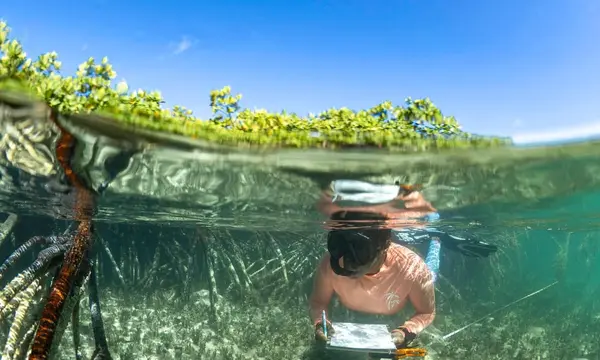
DIONE SUN supported marine researchers at eighteen sites in the Bahamas, mapping more than 700 acres of reef around Rum Cay and Conception Island.
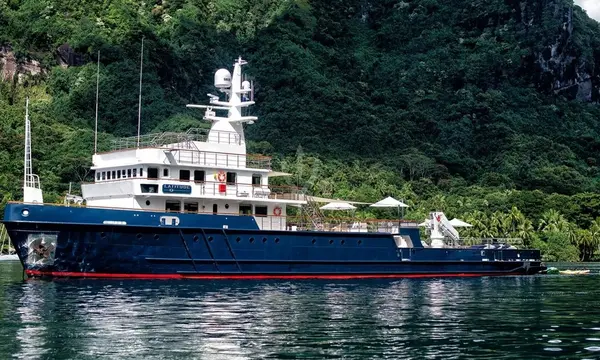
The 54.7m BUCCARA LATITUDE has been photographed in Germany’s Kiel Canal while sailing westward, highlighting a 1973 commercial vessel converted into an explorer yacht.
The S-100 navigation transition is not just a chart-data upgrade: Teledyne Raymarine Commercial says bridge teams and shore managers must plan workflows, training and …
Superyacht Guide
Continue into the wider Superyacht Guide.
Business opportunities · Superyacht Guide
Companies serving the superyacht market can discuss clearly identified advertising, sponsorship and business-profile opportunities. Commercial activity remains separate from independent editorial coverage.