Company
Teledyne Raymarine Commercial
Explore the company profile and related Superyacht Guide coverage.
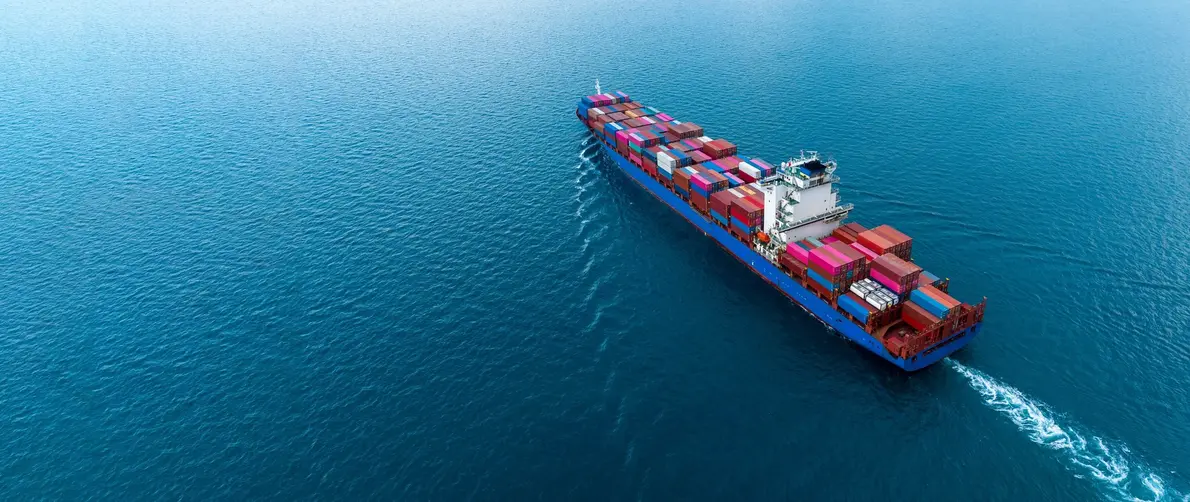
The S-100 navigation transition is not just a chart-data upgrade: Teledyne Raymarine Commercial says bridge teams and shore managers must plan workflows, training and hardware.
The transition from S-57 electronic chart data to the S-100 family will change more than the files loaded onto an ECDIS. Teledyne Raymarine Commercial is urging vessel operators to consider training, bridge procedures, shore-side decision-making and the capacity of existing equipment as part of their preparation.
The manufacturer's September guidance is aimed at commercial fleets, but many large commercially operated superyachts have similarly complex bridge, management and survey requirements. The precise equipment and regulatory obligations depend on flag, vessel type and certification, so the transition should be planned against the yacht's actual compliance position rather than assumed to apply identically to every private yacht.
S-100 provides a framework for richer marine datasets, including high-resolution bathymetry and time-sensitive water-level and current information. The potential is a more detailed operational picture, but a bridge team also needs procedures for selecting relevant layers, recognising stale information and handling conflicting displays.
During a mixed S-57 and S-100 transition, clear policies on the source of navigational information will be particularly important. More data cannot compensate for uncertainty over who verifies a route or what the watchkeeper should do when systems appear to disagree.
Connected voyage-planning tools can give shore-based managers access to much of the information visible on the bridge. That can improve review and support, but it also creates a need to define decision authority, escalation procedures and the limits of remote intervention when circumstances change at sea.
Training should therefore cover real scenarios, not just the software menu or a certificate of attendance. For a managed superyacht, captains, navigating officers, technical managers and the shore office should agree how route plans and subsequent amendments are reviewed and recorded.
Richer, frequently updated datasets may require more processing power, storage and software support than an older ECDIS installation can comfortably provide. Teledyne Raymarine Commercial advises operators to plan the transition alongside lifecycle replacement and maintenance rather than wait until a compliance deadline approaches.
For a yacht nearing bridge-electronics refit, procurement should include a documented S-100 upgrade path, software support, chart-service compatibility and an onboard training plan. The useful result is not a particular brand of display but a navigation system that bridge crews can operate confidently, maintain reliably and explain clearly to flag and class surveyors.
Explore
Go deeper into the yachts, companies, events and destinations directly connected to this article.
Company
Explore the company profile and related Superyacht Guide coverage.
Continue reading
Can a Superyacht Transit the Suez Canal? Fees, Security and Planning Yes. Tourist yachts can transit the Suez Canal, with current Suez Canal Authority …
Can a Superyacht Transit the Panama Canal? Cost, Size and Booking Yes. Superyachts transit the Panama Canal, but tolls, booking options, pilotage and scheduling …
Can a Superyacht Cross the Pacific? Range, Fuel and Route Planning Yes. Properly designed ocean-going superyachts cross the Pacific, but the route is far …
A large, ocean-going superyacht may be capable of surviving extreme tropical-cyclone conditions, but professional hurricane strategy is built around avoidance rather than proving structural …
Superyacht Guide
Continue into the wider Superyacht Guide.