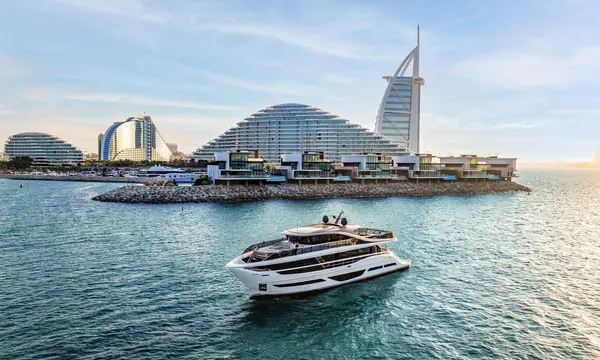
D-Marin UAE Marinas Introduce Specialist Yacht Insurance Access
D-Marin UAE marina customers can now access marine insurance advice and risk-management services through ult. Insurance, with placement and claims handled by the broker.
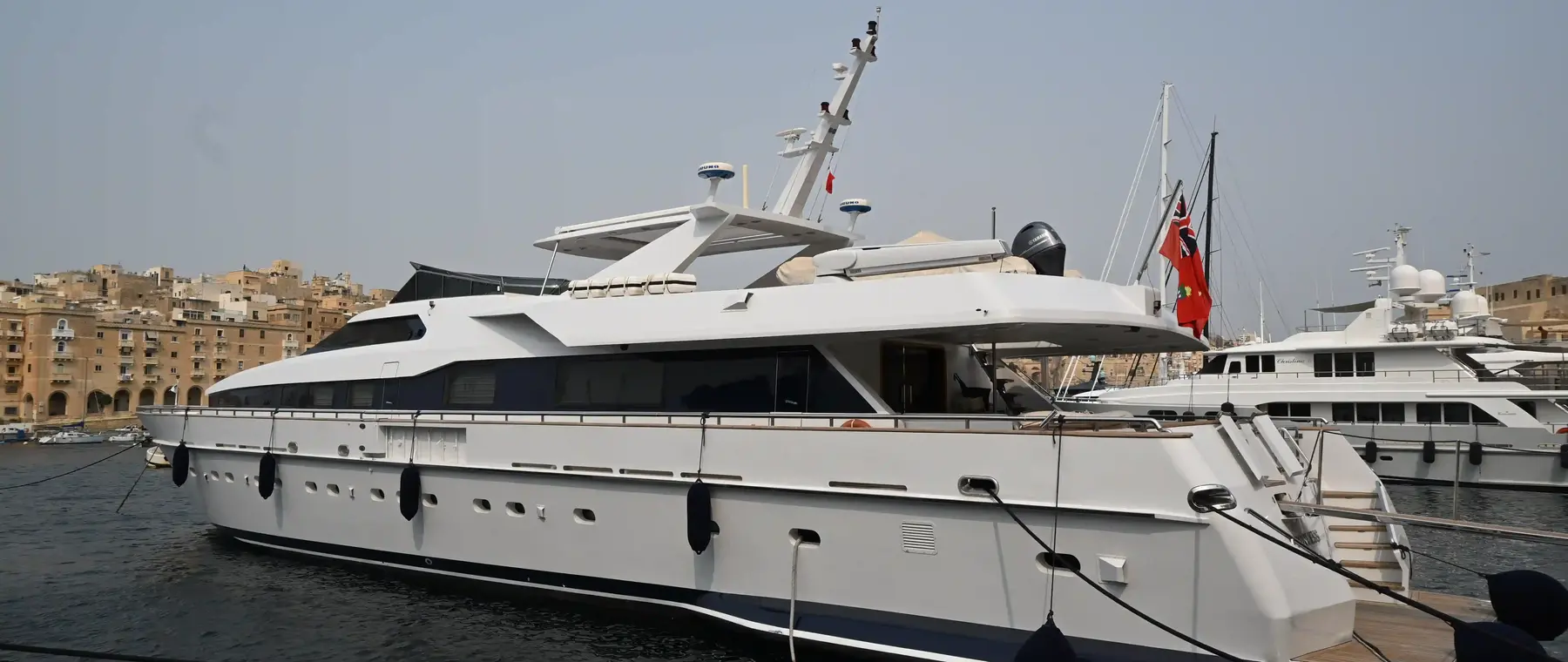
A 60m superyacht can require several million euros a year to operate before financing, depreciation or major capital refits are considered. Using Superyacht Guide's 14% running-cost baseline, this worked 2026 budget shows where €7 million a year can go.
A 60-metre superyacht does not have one universal annual running cost, because two yachts of the same length can have very different values, crew structures, propulsion systems and cruising programmes. As a planning baseline, Superyacht Guide uses annual operating expenditure equal to 14% of current yacht value unless a reliable yacht-specific budget is available, which puts a representative €50 million 60m yacht at about €7 million a year.
The 14% model is intended as an operating baseline rather than a promise that every 60m yacht will cost exactly the same percentage to run. It covers the recurring expenditure required to keep the yacht crewed, maintained, insured, compliant and operational, while financing, depreciation, owner taxation and exceptional capital projects sit outside the model.
For this worked example, the yacht has a current value of €50 million and an annual operating allowance of €7 million. That is equivalent to roughly €583,000 per month or €19,200 per day across the year, although expenditure is rarely spread evenly because yard periods, insurance renewals, fuel purchases and seasonal berthing create large monthly swings.
A realistic operating plan needs more detail than a single percentage, so the €7 million allowance can be divided into the principal cost centres that an owner, captain and management team need to control. The following figures form a balanced planning model rather than fixed quotations, and individual yachts can move substantially between categories while producing a similar total annual spend.
Together those categories total €7 million, but the useful part of the model is not the apparent precision of each line. Its purpose is to stop major expenditure from disappearing inside a single operating-cost number and to give the owner a framework that can be adjusted as the yacht's actual crew contract, cruising plan, marina commitments and maintenance programme become known.
On a 60m yacht, crew expenditure is substantial because the yacht needs qualified people onboard throughout the year rather than only when the owner is cruising. The €2.2 million allowance in this model includes more than base salary, covering the wider employment cost of maintaining a professional department structure, moving crew to and from the vessel, training them and replacing people when necessary.
Rotation can increase the number of people required to cover senior positions but may improve retention and operational continuity, while a heavily used charter yacht can require a different staffing and gratuity structure from a lightly used private vessel. For budgeting purposes, crew therefore behaves more like a fixed annual infrastructure cost than an expense that disappears when guests are not onboard.
The €1 million fuel and lubricant allowance assumes a moderate operating profile rather than continuous high-speed cruising. A 60m yacht making long transatlantic passages, relocating repeatedly between seasons or operating generators heavily at anchor can burn through considerably more fuel than a yacht that spends long periods in one region.
Fuel is therefore one of the first budget lines to stress-test against the itinerary. Owners considering Mediterranean summers followed by Caribbean winters should budget differently from owners keeping the yacht in a relatively compact cruising area, and captain-led fuel planning should be updated as soon as the season's actual passage distances are known.
The €1.25 million maintenance allowance covers the routine technical burden of keeping the yacht reliable: machinery servicing, spares, contractors, consumables and ongoing repairs. It does not assume a major repaint, engine replacement, complete interior renewal or other large capital project, because those events can add millions to a particular year's cash requirement and distort the normal operating picture.
This distinction matters when comparing advertised running-cost percentages with real owner accounts. A yacht coming out of a major five-year survey or extensive refit may have an exceptional year that bears little resemblance to its normal recurring budget, so capital projects should be tracked separately rather than used to redefine the ordinary annual cost of ownership.
A 60m yacht can accumulate significant marina expenditure even without an aggressive cruising programme, particularly when premium seasonal berths, shore power and port services are involved. The €550,000 allowance is therefore a blended annual planning figure, not a promise that a yacht based in one of the Mediterranean's most expensive locations will remain inside that number.
Insurance, management, class, flag and compliance create another block of expenditure that continues regardless of how often the owner steps aboard. In this model those categories total €980,000 before communications and guest operations are added, illustrating why reducing cruising days does not reduce the total operating budget in direct proportion.
Length is useful for understanding scale, but current value is the starting point for the Superyacht Guide running-cost model. At the same 14% planning rate, a 60m yacht valued at €40 million produces a €5.6 million annual baseline, while values of €60 million and €80 million produce approximately €8.4 million and €11.2 million respectively.
Actual operating costs do not move perfectly in step with market value because many costs are driven by physical size, crew numbers and machinery rather than sale price. The percentage nevertheless provides a consistent planning framework when detailed yacht-specific accounts are unavailable, after which known contracts and the actual cruising programme can replace each modelled figure.
For a representative 60m yacht worth €50 million, €7 million is a sensible full-year planning figure before major capital works, financing and depreciation. An owner expecting intensive cruising, premium berthing, unusually high crew rotation or a major technical programme should maintain additional liquidity rather than assume the 14% baseline is a hard ceiling.
The most useful annual budget is ultimately a living document rather than a single headline number. Once the captain and management team have confirmed crew contracts, berth commitments, insurance, class schedule, planned yard work and cruising miles, the model should be replaced line by line with known costs while retaining a meaningful contingency for the technical surprises that inevitably accompany a 60m yacht.
Continue reading
D-Marin UAE marina customers can now access marine insurance advice and risk-management services through ult. Insurance, with placement and claims handled by the broker.
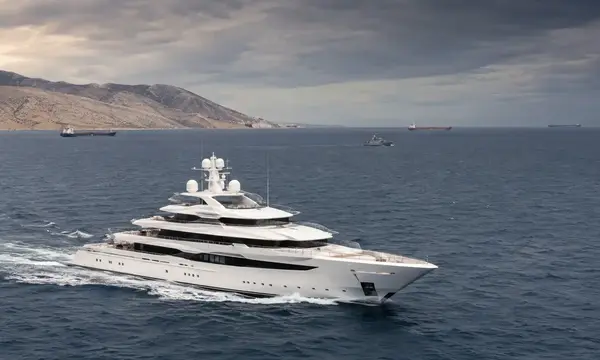
A conflict hundreds of miles from a yacht can still alter its insurance, cruising programme and commercial value. War-risk designations affect where yachts can …
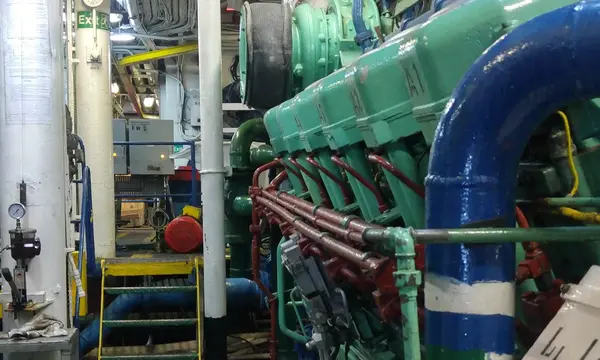
A CHIRP Maritime case shows how a single component omitted during engine maintenance allowed a fuel line to fail and spray diesel onto hot …

Saudi entertainment and hospitality company Sela has signed agreements to establish the Red Sea Yacht Show and support a dedicated superyacht maintenance facility in …
Superyacht Guide
Continue into the wider Superyacht Guide.
Business opportunities · Superyacht Guide
Companies serving the superyacht market can discuss clearly identified advertising, sponsorship and business-profile opportunities. Commercial activity remains separate from independent editorial coverage.