ABT-TRAC Get Home Drive Offers Backup Hydraulic Propulsion for Superyachts
By Superyacht Guide Newsroom · Edited by Superyacht Guide Newsroom
ABT-TRAC Get Home Drive Offers Backup Hydraulic Propulsion for Superyachts — official manufacturer image, SYG 2026-11-24 news batch03
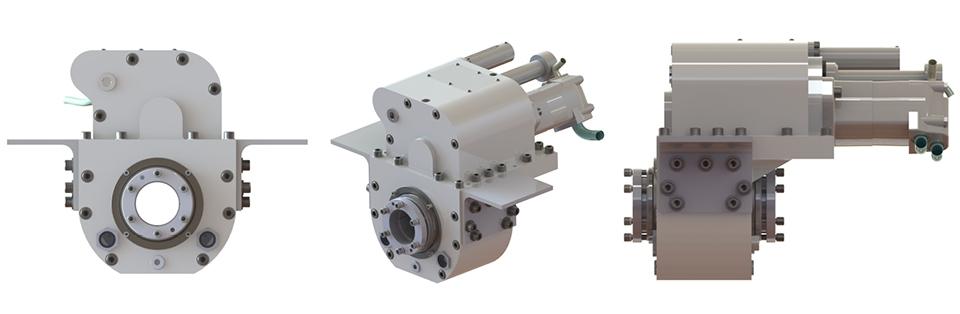
ABT-TRAC's Get Home Drive uses a hydraulic motor and main shaft to provide alternative forward or reverse movement if primary propulsion is disabled.
ABT-TRAC, part of the Inov8v Marine Group, is displaying its Get Home Drive within the METSTRADE 2026 superyacht equipment catalogue as an alternative means of moving a vessel when its main propulsion engine is disabled. The manufacturer describes a hydraulically driven gearbox mounted on the existing propeller shaft. Power can be supplied through a hydraulic motor from a generator or another suitable prime mover, enabling forward or reverse propulsion for manoeuvring or making progress toward a safe destination. For a motor superyacht operating far from regular service facilities, this is a significant engineering concept. Its value is not that a secondary system could maintain the yacht's ordinary cruising speed, which the product listing does not promise. The value lies in whether independently supported shaft movement can provide a controlled recovery option after a primary-engine problem.
The official ABT-TRAC Get Home Drive product page gives a clear principle: a hydraulic propulsion arrangement connects to the main propeller shaft and receives its power from an alternate source. It is intended to move the vessel forward or astern when the main engine cannot operate. Such an arrangement can be useful in a resilience discussion, but its actual capability must be engineered for the boat's displacement, propeller and environmental conditions. A successful backup plan also needs fuel, electrical power, steering and a crew capable of operating the system. The phrase get home should not be interpreted as a promise that the yacht can always reach its preferred destination.
A motor yacht's principal propulsion could become unavailable because of a mechanical, fuel, control or cooling problem. A secondary shaft drive can help only if the parts on which it relies remain functional. If the propeller is entangled, the shaft is damaged or a stern-tube problem prevents rotation, driving the same shaft from another source may not be possible. The first engineering task is therefore to identify which failures the backup is intended to mitigate. Failure-mode analysis should make those distinctions explicit rather than treating all engine failures as interchangeable.
ABT-TRAC describes its hydraulic drive as mounted on the main engine's propeller shaft, allowing the existing propeller to provide movement without the primary engine. This approach differs from fitting a separate emergency propeller or auxiliary thruster. It may avoid a completely separate underwater propulsor, but it also introduces mechanical interfaces into the shaft line. Designers must consider alignment, loads, engagement, vibration and the consequences of malfunction. The installation should be planned with the propulsion-system engineer and approved by the relevant technical authority. A catalogue image cannot establish compatibility with any arbitrary gearbox or shaft arrangement.
The manufacturer says the system may use power from the vessel's generator or another prime mover. That is a defining feature, because the alternate source must remain available after the main engine fails. A yacht's generator is normally intended to support electrical loads and may require additional components to drive a hydraulic pump at the necessary output. The actual arrangement must be specified, including how the generator's other duties are managed. If the backup propulsion draws heavily on shared power, the vessel may need to reduce hotel services or coordinate generator operation. The net outcome depends on the approved design.
A Get Home Drive is not described as a replacement for full engine power. A yacht's required shaft torque rises with its resistance and propeller characteristics, particularly as speed increases. A much smaller alternate power source may deliver only reduced-speed movement. That may still be valuable in calm conditions, but it could be insufficient against strong wind, current or adverse seas. A buyer should request a vessel-specific estimate of attainable speed and range under defined loads, with a suitable margin for uncertainty. It would be irresponsible to invent a universal cruising speed or fuel consumption for every installation.
ABT-TRAC says its system supports continuous-duty forward or reverse operation as needed for cruising or manoeuvring within its approved envelope. The ability to command reverse may help a crew manage close-quarters movement, although backup manoeuvrability cannot be assumed to match the primary propulsion arrangement. Control response, propeller type and steering effectiveness need examination. A yacht with twin screws may behave differently if only one shaft has backup drive. The captain should understand how the vessel turns and stops under reduced power before relying on the system outside a demonstration setting.
Many motor superyachts operate with two propulsion shafts or a more complex arrangement. A failure of one engine may not disable the whole vessel, but a common fuel or control problem could affect both. Installing a backup drive on one shaft, both shafts or neither is a design decision informed by the vessel's risk profile. The equipment's weight, cost and space requirements must be considered alongside the existing redundancy. A twin-engine yacht already able to make safe progress on one engine may have different needs from a single-shaft vessel. A credible safety case should be written around the actual propulsion configuration.
The main shaft line may occupy a tightly arranged engine room with bearings, couplings, seals and machinery supports. Adding a hydraulic gearbox or associated components could require significant redesign. The installation must provide clearances for movement, suitable supports and access for inspection. A designer should also consider how the new drive interacts with the main propulsion gearbox during engagement and disengagement. There may be important interlocks to prevent conflicting operation. The manufacturer must supply the approved arrangement; no article can safely prescribe a universal engagement sequence from a product summary.
An alternate drive powered by a generator still depends on the generator's fuel supply, cooling, controls and hydraulic system. A fire, flood or major electrical failure could disable those components as well as the main engine. The most useful design analysis therefore looks for common failure points. Ideally, the elements intended to provide independence should not be vulnerable to exactly the same incident. The proper level of independence depends on project requirements and available space. Owners should ask the yard to identify which failure scenarios are covered and which still require outside assistance.
Generating propulsive force is only one part of controlling a vessel. The yacht must also have an effective means of steering under backup conditions. Rudder performance can differ at reduced propeller wash or low speed, and hydraulic steering may rely on services linked to the primary machinery. The resilience plan needs to include steering power and control arrangements as well as shaft drive. If a yacht cannot steer effectively, the ability to turn the propeller may have limited practical value. A commissioning trial should therefore assess the complete manoeuvring arrangement rather than observing shaft rotation in isolation.
An auxiliary shaft drive must be controlled in a way that prevents unexpected engagement or hazardous mechanical loads. A yacht may have bridge, engine-room and emergency control stations, each with different responsibilities. The appropriate interlocks and status indications need to be defined and tested by qualified engineers. A crew should know which conditions permit activation and when the system must remain isolated. No specific activation procedure is suggested here because such steps depend on the approved installation. The safety of the control chain is as important as the mechanical ability to provide torque.
The crew should not encounter the Get Home Drive for the first time during a breakdown. A proper acceptance programme can verify hydraulic supply, engagement, operating temperatures, control response and manoeuvring under appropriate conditions. Tests should follow the supplier's procedures and be carried out safely within an approved operating envelope. Sea trials may establish an achievable reduced speed and the electrical or hydraulic loads under representative conditions. Those figures should be documented for the captain and engineering department. A backup system whose capabilities are unknown can create unrealistic expectations in a real emergency.
A generator-powered hydraulic drive has a different efficiency chain from a main diesel engine driving a propeller directly. Losses may arise in hydraulic components, gearing and associated equipment. Without technical data for the actual installation, it is not possible to state how many nautical miles the yacht could travel on one tank of fuel. A project-specific range estimate should consider the generator's fuel consumption, available fuel, the speed achieved and the environmental conditions. A reduced-speed arrival at the nearest safe port may be more realistic than returning to the planned destination.
Backup machinery may accumulate relatively few operational hours while still requiring regular checks. Seals, hydraulic fluid, hoses, valves, bearings and control components can deteriorate even when a system is rarely used. A yacht's planned-maintenance programme should therefore include inspections and approved functional checks. Spare parts must be compatible with the actual installed variant. The technical team also needs clear documentation showing how the drive is isolated and serviced safely. A piece of equipment intended for emergencies must be maintained with at least as much discipline as routinely used machinery.
An existing yacht may have little free space along the propeller shaft and limited access for bringing in a new gearbox. Installing an alternate hydraulic drive could involve moving machinery, modifying foundations and adjusting the shaft line. The vessel's class and flag requirements may also affect the work. A feasibility study should cover mechanical loads, hydraulic supply, electrical integration, access, expected performance and the likely yard period. The purchase price of the Get Home Drive alone will not capture those costs. On some yachts, another form of resilience may be easier to implement.
A yacht owner might also consider independent auxiliary motors, retractable propulsors, strengthened towing arrangements or additional measures to protect existing machinery. Each option has different benefits and failure dependencies. The ABT-TRAC approach uses the principal shaft and propeller, which may be appealing where existing propulsion geometry is suitable. It may be less useful for scenarios involving shaft or propeller damage. A well-structured engineering decision should compare the likely failure modes and the vessel's cruising areas, rather than selecting a single option because it appears in an exhibition catalogue.
A yacht cruising between established Mediterranean ports may have different emergency-support options from one operating in high latitudes or remote archipelagos. Rescue assistance, towing availability and weather can influence the value of an independent movement capability. In remote areas, the ability to reach a safer anchorage or open water could be valuable even at low speed. But a backup drive is not a substitute for navigation planning, satellite communications or established emergency arrangements. Captains should consider it as one part of a larger preparedness strategy that also involves people, supplies and procedures.
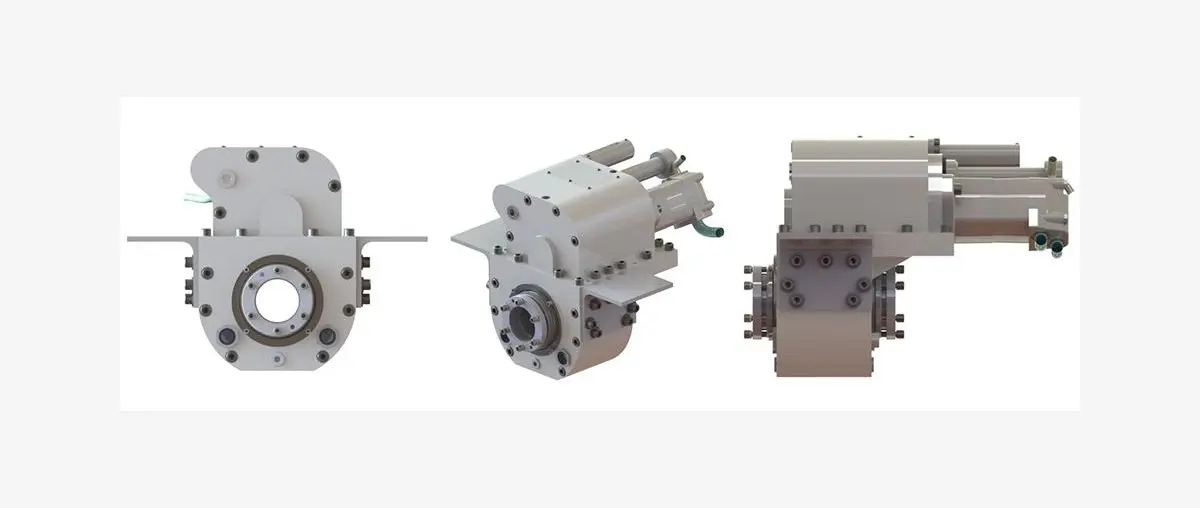
The lead illustration is ABT-TRAC's own image of its Get Home Drive, drawn from the manufacturer's official METSTRADE 2026 catalogue entry. The picture is credited to ABT-TRAC and Inov8v Marine Group and does not represent a newly delivered named superyacht. The supplier's text identifies the shaft-mounted hydraulic arrangement, alternate prime-mover source and forward/reverse capability. The article's discussion of reliability, range and engineering is independent analysis, without invented system ratings, certifications or evidence from a particular yacht's sea trial.
The Get Home Drive highlights an important distinction between having powerful propulsion and having a resilient vessel. Full engine output is invaluable for normal cruising, but an engineered secondary path to the propeller could provide options when primary machinery is unavailable. The actual benefit must be demonstrated through failure-mode analysis, a suitable installation and realistic commissioning trials. Owners should ask what can go wrong, which services remain available and how much movement the backup could provide. The 2026 METSTRADE product listing offers a specific technical option to explore, not a universal promise that every superyacht can get home under any conditions.
Primary source: ABT-TRAC / Inov8v Marine Group original Get Home Drive system listing, METSTRADE 2026.
© ABT-TRAC / Inov8v Marine Group. Official Get Home Drive mechanism photograph from the manufacturer's 2026 exhibitor catalogue. Official source.
Explore
Go deeper into the yachts, companies, events and destinations directly connected to this article.
Continue reading
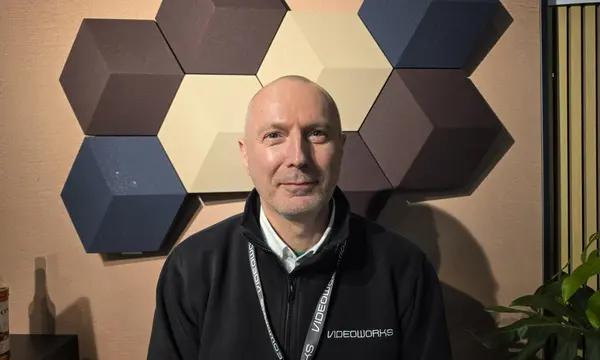
Videoworks’ Paolo Tagliapietra explains Starlink and OneWeb redundancy, varying maritime service permissions, satellite costs and yacht cybersecurity.
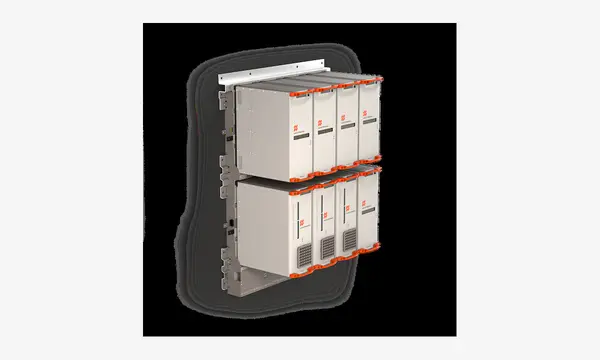
HikoTerra's H4 integrated hybrid power system gains a DAME 2026 special mention, highlighting battery-first energy architecture for superyacht projects.
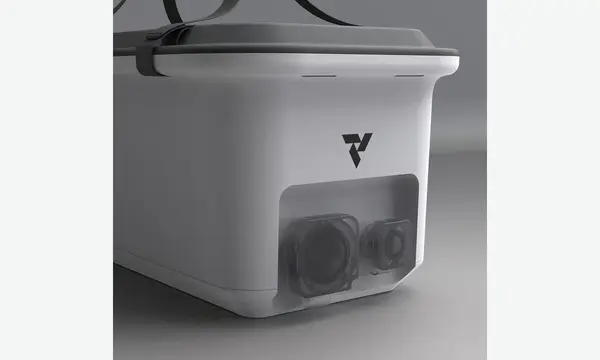
Vital Lyfe promotes Access, a portable seawater watermaker; superyacht crews may assess it for tender use or contingency water rather than primary production.
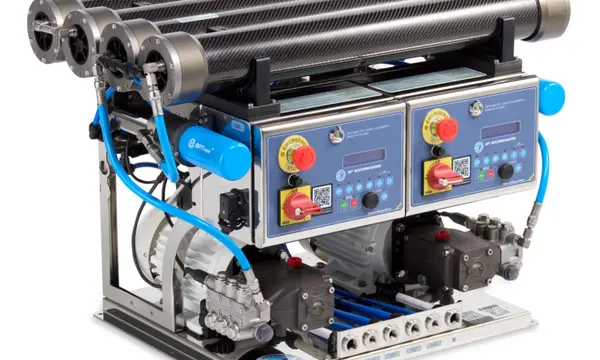
HP Watermakers outlines an integrated freshwater system at METSTRADE 2026, combining water production, purification and distribution for large yachts.
Superyacht Guide
Continue into the wider Superyacht Guide.
Business opportunities · Superyacht Guide
Companies serving the superyacht market can discuss clearly identified advertising, sponsorship and business-profile opportunities. Commercial activity remains separate from independent editorial coverage.