Company
Aegir Cork Group - SEACORK
Explore the company profile and related Superyacht Guide coverage.

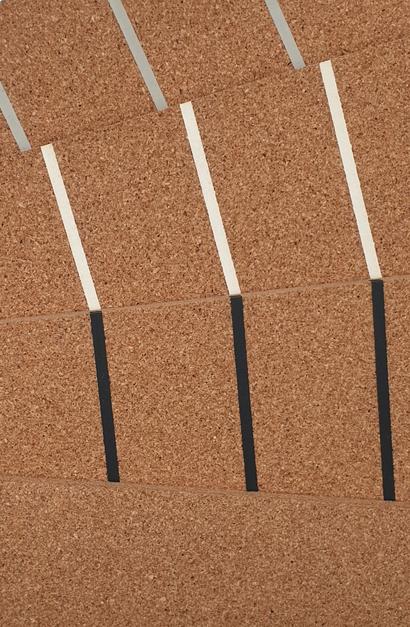
SEACORK Deck Plus Aegir Cork Group original sustainable cork deck marine supplier product photo SYG 2026
Aegir Cork Group presents SEACORK Deck Plus, a cork-granule deck covering with a low polyurethane content and claims of thermal comfort and grip.
Aegir Cork Group is presenting SEACORK Deck Plus in the METSTRADE 2026 exhibitor catalogue as a marine deck covering made primarily from cork granules, bound with a relatively small proportion of polyurethane. The supplier promotes the material's weight, thermal comfort, sound-damping characteristics, grip and visual appearance. Its product description also emphasises a range of patterns and a more homogeneous finish intended to suit contemporary boat decks.
The METSTRADE product entry was originally dated 9 September 2024, so SEACORK Deck Plus is not a newly launched product in November 2026. Its current promotion provides a legitimate reason for yachtbuilders and refit managers to re-examine alternatives to natural teak and conventional synthetic decking. The real questions concern installation quality, durability, maintenance, verified environmental performance and whether the material suits the expected use of a large yacht.
The official SEACORK Deck Plus description says the product uses fine premium cork granules agglomerated with less than five per cent polyurethane. It describes the material as lightweight and available in multiple designs, with claimed resistance to overheating and practical slip properties. These are clear supplier claims, but the short catalogue entry does not publish a full technical data sheet or an independent comparative performance study.
A buyer should request current specifications covering density, thickness, abrasion resistance, adhesives and the product's behaviour under different deck conditions. Photographs and exhibition samples help designers understand appearance; they cannot establish the service life of an installed deck on an exposed yacht operating year-round.
Cork is a plant-derived material obtained from the bark of cork oak trees. In suitable harvesting systems, the bark can be removed without cutting down the tree. The material's cellular structure gives it characteristics useful for insulation and compressibility, though the properties of a processed deck product depend on how the cork is combined with binders and surface treatments.
The finished SEACORK material is not raw bark. It is an engineered composite containing a polymer binder. That distinction matters when environmental or recycling claims are evaluated. The same natural ingredient can behave differently depending on density, coating, adhesive and the way the material is installed.
A large yacht can spend long periods in strong Mediterranean or Caribbean sunlight. Deck surfaces may become uncomfortable under bare feet, particularly when the surface is dark or has absorbed substantial heat. Aegir Cork promotes SEACORK Deck Plus as resisting excessive heating and providing comfortable contact.
The manufacturer’s language is a reason to request comparable test results, not proof of a fixed surface temperature under every condition. Colour, ambient temperature, wind, solar exposure and moisture all affect what a guest experiences. A practical evaluation should compare samples of the proposed finish with the alternative deck materials in direct sunlight.
Deck traction matters for guests and crew, especially when water is present near swimming platforms, tender boarding areas and outdoor stairways. The supplier describes non-slip properties as a benefit of its cork-based construction. A yacht designer should ask how that characteristic was measured and whether it changes as the surface becomes worn.
A material can feel grippy in a showroom and perform differently when contaminated with sunscreen, soap or salt deposits. The correct specification should consider wet and dry conditions, appropriate footwear and the vessel's cleaning routine. Any required slip-resistance standards should be confirmed for the intended location.
Aegir Cork says SEACORK Deck Plus offers sound-insulation characteristics. Materials placed underfoot can influence footfall noise and the way vibration is transmitted into structures below. This may interest an owner seeking quieter exterior circulation routes or reduced disturbance in accommodation adjacent to a deck.
An acoustic benefit must be assessed in the complete deck assembly. Adhesive, substrate, structural connections and surrounding spaces all affect the final result. A sound-damping claim for the material alone should not be converted into a guarantee of quieter guest cabins without representative testing.
Large decks can cover many square metres, so a relatively small difference in material mass per unit area may become important. A lightweight covering could give designers useful flexibility, particularly on high decks where added mass affects the vessel's centre of gravity.
The comparison must include the adhesive, preparation layers, seams and any extra substrate required. An owner should ask for an installed-area weight rather than a nominal sheet weight. Naval architects should record the difference in the yacht's controlled weight estimate and verify that the proposed finish meets structural and operational requirements.
The SEACORK listing describes cork as inherently sustainable and uses strong language about a negative carbon footprint. Such statements may refer to particular harvesting methods or lifecycle assumptions, but the public product summary does not provide enough evidence to verify every claim for an installed yacht deck.
A credible environmental review should examine sourcing, binder composition, manufacturing energy, transport, expected service life and eventual disposal. A product containing less than five per cent polyurethane is not necessarily easy to recycle after it has been bonded to a deck with an industrial adhesive. Owners should ask for lifecycle documentation and realistic recovery arrangements rather than repeat broad marketing claims as established facts.
Refitting an exterior deck can involve removing old teak or another covering, repairing damaged substrate and preparing a surface that is smooth, dry and suitable for the new product. The quality of that preparation can influence adhesion, drainage and the appearance of the finished deck. Changing to cork does not eliminate these steps.
A yard should inspect the underlying structure for moisture or corrosion before covering it again. Existing fittings, hatch edges and deck drains may require new details to accommodate the proposed material thickness. An installation plan needs to address all penetrations and edges where water might enter.
The deck product's composition is only one part of its construction. Adhesives, primers and seam materials may introduce additional chemicals and different maintenance needs. A supplier should recommend a complete, tested installation system that matches the vessel's substrate and environmental conditions.
The yard must confirm how the adhesive behaves under heat, standing water, cleaning agents and movement of the structure. Different materials can expand or contract at different rates. A suitable system should be selected and installed by trained personnel following current instructions.
SEACORK promotes premium cork granules and a range of deck designs. An owner may prefer the material's relatively uniform appearance or want a pattern that complements the yacht's exterior architecture. A designer should obtain samples large enough to show the real texture, seam arrangement and variation between batches.
A small hand-held sample can be misleading on a sun deck many metres wide. A larger mock-up helps the owner judge colour, visual rhythm and how the covering looks against surrounding metal, glass and furniture. The design should also consider how repairs will match the original finish after several seasons.
Swimming platforms, crew entrances and tender boarding points may experience more abrasion than open guest decks. Equipment can be dragged across surfaces, and heavy items may create local pressure. A product suitable for ordinary barefoot circulation may need additional protection in a working area.
The management company should identify those zones before deciding on one material throughout the yacht. The supplier needs to advise whether the product is appropriate near deck machinery, tender restraints or heavy traffic. A good specification may use different surfaces in different areas rather than force a single finish into every role.
Deck crews use a range of cleaning materials, some of which may affect polymers or surface treatments. Aegir Cork describes easy cleaning and maintenance as benefits, but the yacht should obtain the precise list of recommended products. Harsh chemicals or abrasive tools may damage a finish even where the base material is durable.
An operations manual should identify the correct routine for rinsing, removing stains and dealing with spills. Sunscreen, oils and coloured beverages are practical concerns in a hospitality environment. A maintenance trial should assess the substances actually used by the crew rather than rely only on the phrase easy to maintain.
Exterior deck coverings can be damaged by falling equipment or an accidental scrape. If a section of SEACORK becomes damaged, the crew or a contractor may need to remove and replace a local area. The ability to make a repair without a highly visible colour difference should be assessed before a full installation.
Spare material from the original production batch could be helpful, depending on the manufacturer's recommendations. An owner might choose to retain a small quantity for future work. The refit yard should record the product specification, adhesive and installation date in the vessel's technical files.
A yacht's deck may alternate between strong sun, rain, cooling at night and seasonal temperature changes. Even a comfortable material has to retain adhesion and surface integrity under repeated exposure. A short exhibition description cannot establish performance over years of such cycling.
The product supplier should be asked for test data covering the expected environment. If a yacht moves from high-latitude expeditions to hot tropical ports, the operating envelope may be particularly demanding. Performance should be evaluated across the intended itinerary rather than at a single summer anchorage.
Deck coverings may be subject to different standards according to the yacht's size, registration and location of the material. A natural-origin component does not automatically establish acceptable fire performance. The binder, adhesive and completed assembly may all affect the result.
A builder should obtain the relevant test reports and confirm acceptance with the classification society or other authority where applicable. A certificate for a small sample may not apply to every adhesive or substrate. It is better to resolve those questions before an owner approves the visual design and the refit schedule.
Natural teak, synthetic polymer and cork-based coverings have different purchase, installation and maintenance profiles. A cheaper square-metre material can become more expensive once substrate preparation and skilled labour are included. Conversely, a higher initial price may be reasonable if service life and upkeep prove favourable.
A useful comparison should define expected years of service, cleaning time, repairs, replacement procedure and end-of-life handling. Without those figures, broad claims of low maintenance or sustainability remain difficult to evaluate commercially. An owner should ask the yard for a complete installed-cost proposal.
The manufacturer's official METSTRADE catalogue establishes SEACORK Deck Plus as a fine-granule cork-based deck covering with a stated polymer-binder content below five per cent, multiple design options and claimed benefits in weight, thermal comfort, grip and acoustics. Its original listing date is September 2024, so the product should be understood as an established option being shown to the industry in 2026.
For superyacht refits and new builds, the strongest reason to investigate the material is the possibility of combining a distinctive finish with useful operational properties. The decision should rest on complete installation details, test evidence, guest comfort and whole-life costs. A convincing sample and a realistic maintenance plan are worth far more than an unsupported promise that any single material solves every decking problem.
Primary source: Aegir Cork Group - SEACORK first-party Deck Plus product description in METSTRADE 2026 catalogue, first released 9 September 2024.
Aegir Cork Group original SEACORK Deck Plus manufacturer product photograph submitted to the official METSTRADE exhibitor catalogue. Official source.
Explore
Go deeper into the yachts, companies, events and destinations directly connected to this article.
Company
Explore the company profile and related Superyacht Guide coverage.
Continue reading

Sleipner E-series electric tunnel thrusters combine proportional controls, compact design and integrated electronics for yacht manoeuvring systems.
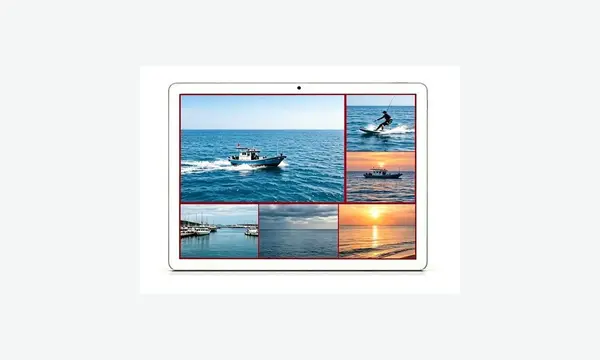
DM Tech Co., Ltd. showcases the SV156 15.6-inch touch BlackBox monitor with six channels, inviting integration review for yacht wheelhouse layouts.

Wallas presents the 3600i two-zone induction cooker with 230V and 110V power adaptation, adjustable output and a shallow marine galley installation.
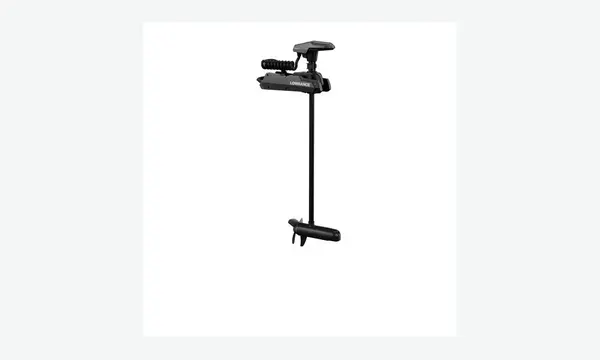
Navico Group introduces Lowrance Scout with GPS anchoring, FreeSteer joystick and NMEA 2000 integration for sportfishing boats and yacht tenders.
Superyacht Guide
Continue into the wider Superyacht Guide.
Business opportunities · Superyacht Guide
Companies serving the superyacht market can discuss clearly identified advertising, sponsorship and business-profile opportunities. Commercial activity remains separate from independent editorial coverage.