Wallas 3600i Adds Two-Zone Induction Cooking to Compact Yacht Galley Design
By Superyacht Guide Newsroom · Edited by Superyacht Guide Newsroom
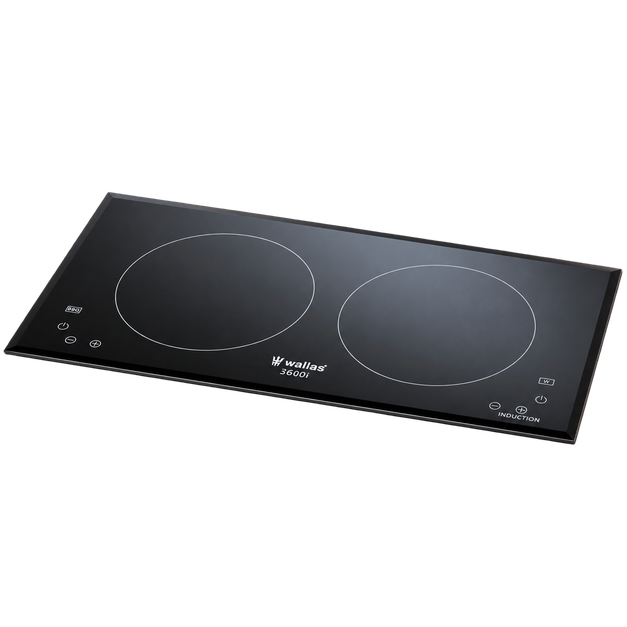
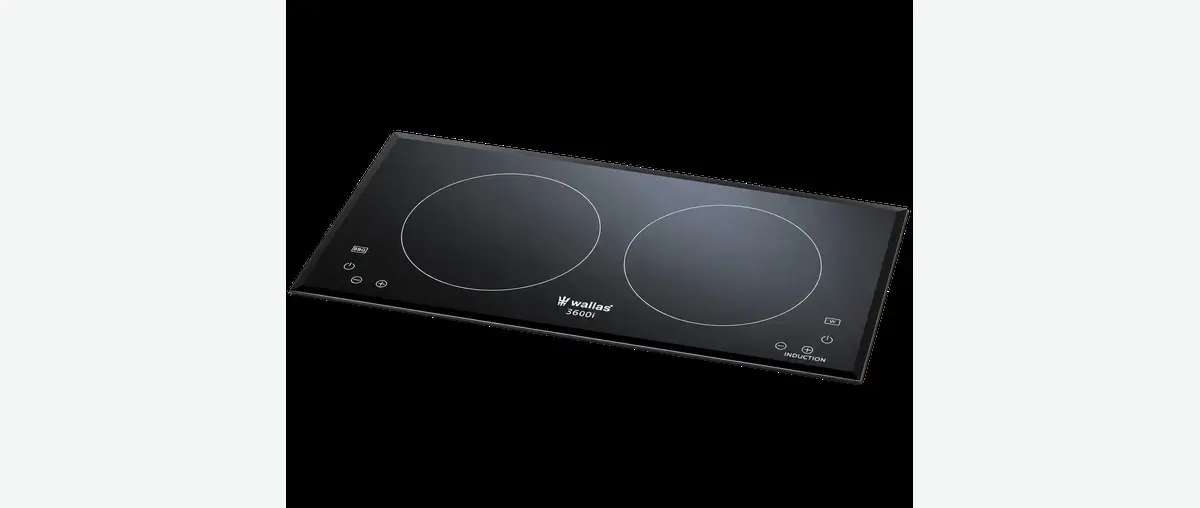
Wallas official 3600i two-zone induction marine cooktop manufacturer supplied image METSTRADE 2026 SYG batch06
Wallas presents the 3600i two-zone induction cooker with 230V and 110V power adaptation, adjustable output and a shallow marine galley installation.
Finnish specialist Wallas is presenting its 3600i induction cooker at METSTRADE 2026, describing a two-zone ceramic hob developed for installation aboard boats where electrical supply can vary between marinas and onboard systems. The company's official product entry states that the unit can deliver 3,600 watts from a 230-volt connection or 2,400 watts from a 110-volt supply and switch between those conditions automatically. It also promotes a continuous low-power operating mode, adjustable maximum power and a shallow fit beneath the countertop.
The catalogue release date is 17 November 2026, placing the 3600i among the autumn marine-equipment announcements. It is a separate product from the Wallas 3800 Dual Power diesel-and-induction unit, with a different emphasis. For superyacht operators, the possible application is a compact galley in a support craft, a crew-operated chase boat or a smaller yacht rather than the primary professional kitchen of a large motor yacht.
The METSTRADE listing identifies a two-zone induction surface, power levels of 3,600 watts at 230 volts and 2,400 watts at 110 volts, and a fitted depth of approximately 100 millimetres below the ceramic top. The supplier says the cooker can be placed into the relevant countertop cut-out without a separate installation kit. These details offer useful starting points for a yacht designer considering a tight galley arrangement.
They do not amount to a complete installation drawing. The official summary does not specify every clearance, cable dimension, protection device, operating condition or eligible countertop material. A builder should obtain current technical documentation for the exact model and region before cutting expensive joinery or changing the vessel's electrical wiring.
A single small hob can be sufficient for basic meal preparation, but two heating zones allow different dishes to be cooked simultaneously. On a support boat with a few crew, this can make meal planning more practical without allocating space for a full domestic range. The user may be able to prepare a pan of food while heating water or another dish.
The surface area is still limited compared with a large yacht galley. The actual pan sizes, spacing and ability to operate both zones at the desired output need checking. A brochure's overall power figure cannot tell the owner how much power is available to each zone in every mode.
Induction cooking transfers energy to compatible cookware through an electromagnetic field. This can deliver quick response and avoid some problems associated with exposed gas flames. The hob nevertheless becomes hot through contact with the pan, and electrical safety remains essential in a wet, moving environment.
A cook should understand the risks of burns, spilled liquids and cookware sliding during a passage. The galley must provide suitable restraints and working space where required. Induction is a heating technology, not a complete solution to every safety issue encountered when preparing food at sea.
A yacht moving between cruising regions may encounter electrical supplies with different voltages, available currents and connection standards. Wallas's stated automatic change between 230-volt and 110-volt operation could simplify some operational arrangements, provided the actual supplied frequency and system design are compatible with the cooker.
The electrical engineer should confirm the full input specification rather than assume the unit will operate on every shore pedestal worldwide. A suitable supply, protection devices and correct cabling remain necessary. It is also important to understand how a change of supply affects other electrical loads and whether the cooker retains its settings.
The manufacturer promotes an adjustable power limit intended to suit smaller shore-power fuses or inverters. This is significant because cooking appliances can draw more power than a compact boat's electrical system can provide alongside other loads. Limiting the cooker may reduce the risk of overloading a particular supply.
A lower power setting can also lengthen cooking times. Crew should test whether the resulting performance is practical for their needs. An engineer should determine a safe limit based on the entire circuit, not simply choose a convenient setting without considering other equipment on the same electrical system.
A boat with a substantial inverter and battery bank may be able to operate an induction hob without starting a generator. The feasibility depends on available stored energy, inverter capacity, wiring and expected cooking duration. A 3,600-watt maximum figure represents a considerable demand for many small-vessel systems.
It would be misleading to claim that the 3600i can run for a particular number of hours from an unspecified battery. The engineer should calculate energy use using representative meals and the chosen power settings. Inverter losses and the need to maintain reserve for essential equipment must be included.
Wallas describes continuous low-power output as a feature intended to work well with inverters. Some domestic induction cookers modulate low heat by repeatedly switching substantial power on and off. Such behaviour can be inconvenient on a small electrical system or undesirable for certain simmering tasks.
The exact benefits of the 3600i's implementation should be assessed in practice. A yacht chef or crew member can test simmering and gentle heating, while the engineer monitors the electrical load. Manufacturer language describes the intended capability, but a demonstration provides stronger evidence of whether it suits the boat's normal cooking requirements.
The supplier states that only around 100 millimetres of space is needed below the ceramic surface. A low-profile installation can be valuable in a compact cabin where drawers, storage and structural supports occupy the same limited area. It may allow a more coherent countertop design than a deeper piece of galley equipment.
The designer must still allow for cooling, cable access and any restrictions on adjacent materials. A nominal product depth is not necessarily the complete space required when installed. The yard should use the current maker's drawings and inspect the finished arrangement before closing joinery panels.
The Wallas 3800 Dual Power model combines diesel heating with induction capability and is aimed at circumstances where more than one energy source is desirable. By contrast, the 3600i announced in the current catalogue is a two-zone electric induction appliance whose principal features concern AC supply variations and compact installation.
The choice between these products depends on the vessel's energy design. A boat with an adequate electrical installation may prefer an electric-only cooker, while one with different endurance requirements could consider a dual-energy arrangement. They should not be described as interchangeable or treated as models differing only in total wattage.
A superyacht chase boat may have a small accommodation compartment for crew, a sheltered preparation area and storage space for provisions. If the craft has an existing galley, the dimensions of a replacement hob must fit the available surface without compromising movement around the cabin. A new build can plan for the appliance earlier.
The owner should consider how the cooker will be protected when the boat is travelling quickly or encountering rough water. Pan restraints, a suitable working surface and safe access to controls matter more than the visual appeal of the ceramic top. A tidy installation must remain safe during real operation.
Induction hobs require compatible pots and pans. A crew member may be accustomed to cookware that does not function efficiently on the new surface. The purchasing plan should therefore include appropriate pans and instructions for their safe use aboard.
Cookware storage is also important. On a small support boat, every item needs a secure location, and larger pans may obstruct adjacent controls or surfaces. The chef should test the actual cooking arrangement rather than assume a two-zone hob can accommodate all equipment used at home.
Electric induction avoids the combustion gases associated with a flame or fuel-fired cooktop, but cooking still produces steam, odours and heat from food. An enclosed boat cabin may require adequate ventilation to maintain comfort and protect nearby materials from moisture.
The designer should assess whether a cooker hood, fan or other air-handling arrangement is needed. The electrical requirements for such equipment should be included in the total load calculation. Eliminating one source of combustion does not eliminate the need for appropriate galley ventilation.
The crew must know how to isolate the appliance and respond if it behaves unexpectedly. A ceramic surface can remain hot after the power is switched off, and a pan may continue to cook while residual heat dissipates. The control arrangement should make the operating state clear.
A vessel's electrical maintenance procedures should also identify the correct isolation point. Switching off the hob on its own interface is not necessarily sufficient for a technician working on wiring. Qualified personnel should follow approved isolation and verification practices during servicing.
A superyacht's support craft may operate across several cruising regions without returning to its builder every season. The management company should confirm what Wallas service support is available, which spare parts are replaceable and how warranty claims are handled. A failed cooker may not stop a boat from operating, but it can affect crew comfort during an extended deployment.
A product's release at METSTRADE does not guarantee immediate local stock in every country. The purchasing team should check the current delivery schedule and supplied accessories before committing to a galley refit. Documentation should remain with the vessel for future technicians.
A controlled trial could compare common meals prepared on the 3600i at the available voltage and power limits. The engineer can record electricity use and any effect on the inverter, while the operator assesses speed and low-power control. This approach can reveal whether the advertised versatility matters during a normal week aboard.
The test should also verify that the appliance behaves correctly when other non-critical loads are running. Observations are most useful when they reflect the vessel's typical conditions rather than a laboratory-style demonstration disconnected from the real electrical system.
The METSTRADE 2026 product listing establishes the Wallas 3600i as a two-zone induction cooker with a stated 3,600-watt maximum on 230 volts, 2,400 watts on 110 volts, automatic supply adaptation, adjustable power limits and a 100-millimetre beneath-countertop installation depth. Those attributes make it a distinct proposition from the company's diesel-capable 3800 range.
For superyacht operators, its possible advantage lies in compact craft where reliable electric cooking is desirable and the available power changes with cruising conditions. Suitability will come from an installation survey, correct electrical engineering and practical testing. The product is most persuasive when it makes a small galley easier to use without placing an unsustainable demand on the boat's power system.
Primary source: Wallas manufacturer-authored official 3600i induction cooker product listing in METSTRADE 2026 catalogue, released 17 November 2026.
Wallas original 3600i two-zone induction cooktop manufacturer product photo supplied to its official METSTRADE catalogue entry. Official source.
Explore
Go deeper into the yachts, companies, events and destinations directly connected to this article.
Continue reading
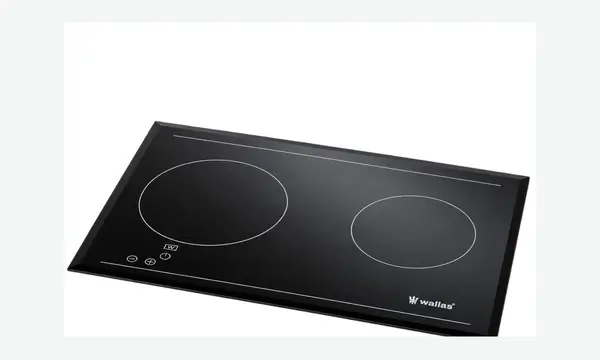
Wallas has introduced a 3800 Dual Power ceramic hob offering 1,800W induction and 2,000W diesel modes for compact yacht galleys and support boats.
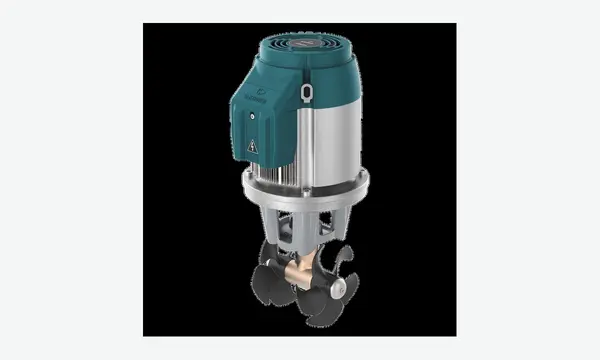
Sleipner E-series electric tunnel thrusters combine proportional controls, compact design and integrated electronics for yacht manoeuvring systems.
Aegir Cork Group presents SEACORK Deck Plus, a cork-granule deck covering with a low polyurethane content and claims of thermal comfort and grip.
DM Tech Co., Ltd. showcases the SV156 15.6-inch touch BlackBox monitor with six channels, inviting integration review for yacht wheelhouse layouts.
Superyacht Guide
Continue into the wider Superyacht Guide.
Business opportunities · Superyacht Guide
Companies serving the superyacht market can discuss clearly identified advertising, sponsorship and business-profile opportunities. Commercial activity remains separate from independent editorial coverage.