Sleipner E-Series Thrusters Put Proportional Electric Manoeuvring in the Yacht Design Conversation
By Superyacht Guide Newsroom · Edited by Superyacht Guide Newsroom
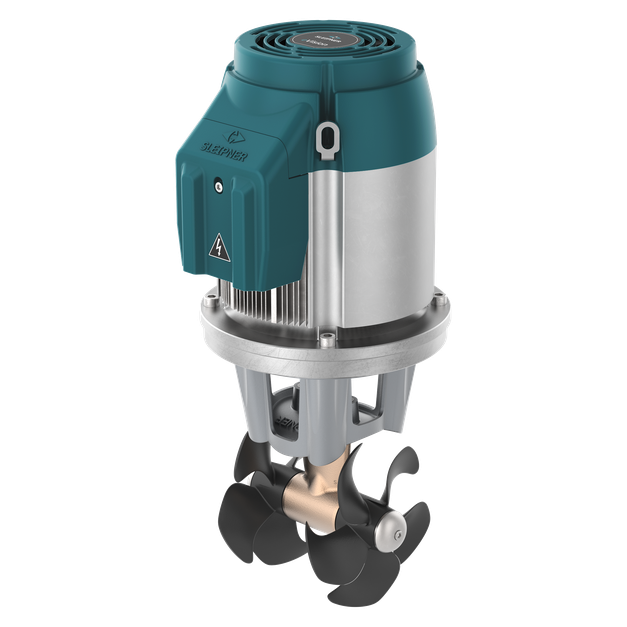
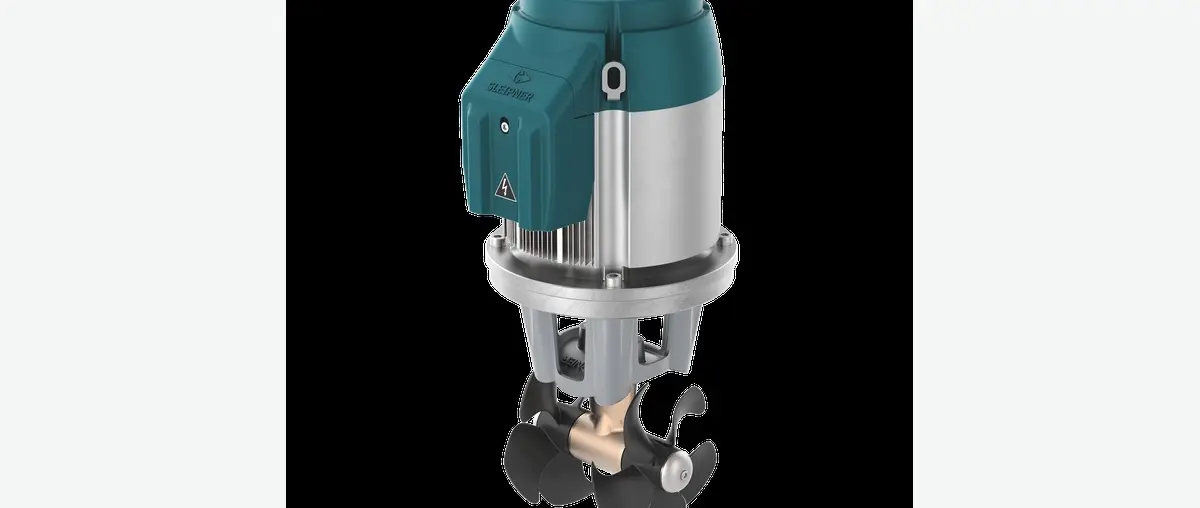
Sleipner official E-series proportional electric tunnel thruster maker product photo METSTRADE 2026 SYG batch06
Sleipner E-series electric tunnel thrusters combine proportional controls, compact design and integrated electronics for yacht manoeuvring systems.
Norwegian marine-equipment manufacturer Sleipner Group is presenting its E-series bow and stern thrusters in the METSTRADE 2026 exhibitor catalogue. The company describes a family of electric tunnel thrusters combining compact machinery, integrated electronics and proportional thrust control. The published range is intended to cover smaller craft and extend into higher-power applications, giving naval architects and yachtbuilders a reason to review how close-quarters manoeuvring equipment is specified.
The original product entry is dated 30 May 2024, so the E-series should not be described as a completely new November 2026 product. Its current exhibition presence remains relevant to superyacht design and refit work, where thruster selection influences the electrical system, hull structure, bridge controls and the experience of docking a high-value vessel in difficult conditions.
A bow thruster is installed in a transverse tunnel through the hull and generates a sideways force to help move or turn the vessel at low speed. A stern thruster can provide a similar force near the aft end. Together, these devices can make some harbour manoeuvres more controllable, particularly where a yacht has limited room to turn.
They do not replace the main propulsion or steering systems. Thrusters are most effective within their intended speed range and operating conditions. A vessel moving quickly through the water can experience flow effects that reduce transverse-thruster effectiveness. Captains must continue to plan berthing around wind, current, available space and the capabilities of the actual yacht.
Sleipner identifies compact design, integrated electronics and proportional control as standard features of the E-series. Its manufacturer-submitted catalogue also promotes efficient performance, extended operating time and easier installation. These are meaningful supplier claims, but the short listing does not provide model-specific thrust values, current draw, motor dimensions or thermal limits.
A builder should obtain the current range brochure and engineering manual for the selected model. No sensible yacht specification can be based on a family name alone. The appropriate equipment is determined by the vessel's dimensions, underwater shape, expected environmental loads and availability of electrical power.
A conventional on-off thruster applies a defined level of thrust in one direction or the other. Proportional control allows the operator to request varying levels of force within the system's available range. This can make certain low-speed manoeuvres feel smoother and reduce the need for repeated bursts of full power.
The benefit depends on the response of the entire vessel. A large yacht's inertia may cause a delay between a control input and the resulting movement, even when the thruster itself responds promptly. A proportional system should be evaluated during sea trials with the actual bridge controls and propulsion configuration.
The side area of a superyacht can be substantial, especially when it has tall superstructure and broad freeboard. Wind acting on that area may produce considerable forces during berthing. A thruster must be selected as part of an overall manoeuvring assessment rather than sized only by yacht length.
A naval architect should consider displacement, underwater lateral area, windage, target manoeuvres and the contribution of the main propulsion. An 80-metre yacht may require different equipment from a smaller vessel despite similar hull proportions. The E-series range's broad positioning does not establish that every model suits every size category.
Some yachts use a bow thruster alone, while others combine bow and stern thrusters. The best arrangement depends on the propulsion system, hull form and manoeuvring objectives. A stern thruster can improve lateral control in some cases, but it also introduces a new tunnel and machinery installation near the aft structure.
Designers should compare the proposed configuration with alternatives such as azimuthing propulsion, joystick control or other existing manoeuvring arrangements. Installing more equipment is not always the best answer. The objective is a vessel that can be handled predictably within its design conditions, with manageable maintenance and energy demand.
The geometry of a transverse tunnel affects how efficiently a thruster moves water. Tunnel length, openings, position and the hull surface around them can influence performance and hydrodynamic drag. A powerful motor placed in a poorly designed tunnel may not deliver the expected result.
The boatbuilder must follow the thruster maker's installation recommendations and coordinate the tunnel structure with the naval architect. In a refit, an existing tunnel may impose limitations that prevent an uncomplicated upgrade. The feasibility study should examine what can actually be achieved without creating unacceptable structural or hydrodynamic consequences.
An electric thruster can draw substantial power when operating at high output. The electrical system must be sized to handle the expected demand, including voltage drop, cable runs, battery condition or generator capacity as applicable. A motor with integrated control electronics still needs correct external electrical protection and a dependable supply.
The official E-series summary does not provide a universal current figure. Engineers should calculate power demand using the selected model's technical specification and the intended duty cycle. If the boat carries several thrusters and other high-demand equipment, the overall electrical architecture becomes especially important.
Sleipner promotes extended runtime in its E-series description. For a captain manoeuvring in difficult conditions, usable operating duration can matter as much as peak thrust. However, every electrical machine has thermal limitations and should be operated within the manufacturer's specified duty cycle.
An owner should request the allowed run times under representative loading and ambient conditions. Repeated high-power manoeuvres may be more demanding than a short demonstration. An engineer should know how the system warns of overheating or limits output, and the bridge crew should understand what those indications mean.
The manufacturer's statement about integrated electronics suggests that the motor and its control functions are designed as a coordinated package. Such integration can simplify some aspects of installation, but it also requires careful compatibility checks when the thruster is connected to a yacht's helm control arrangement.
A vessel may already have a joystick, propulsion-management interface or central monitoring system. The installer must establish which commands can reach the thruster, how control authority is assigned and how failures are indicated. A proportional-control label does not automatically guarantee compatibility with an existing bridge console.
A superyacht may have several manoeuvring stations, including the main bridge and remote wing controls. Crew must know which station has authority at any given moment. Conflicting commands or an unexpected transfer of control can make a berthing operation dangerous.
Before the yacht returns to service, the system should be commissioned through a documented sequence of control transfers and fault tests. The captain and chief engineer should witness the relevant checks. The manufacturer or authorised integrator should demonstrate how the thruster responds when a control cable or communication path becomes unavailable.
Thrusters are often used near marinas and anchorages where guest cabins may be occupied. Their operation can generate sound and vibration transmitted through the hull. A compact electric design may help with machinery packaging, but the actual acoustic effect depends on tunnel geometry, isolation, structural arrangements and operating level.
Yacht designers should examine the proposed installation in relation to nearby accommodation. An acoustic consultant may recommend structural treatments or changes in machinery position. The E-series product description does not establish a universal noise reduction compared with every older thruster, so claims of quieter operation require comparative measurements.
Adding or upgrading a tunnel thruster after construction can be a substantial job. Cutting and reinforcing the hull, arranging machinery access and routing power cables may involve dry-docking and structural survey. Existing ballast, tanks, piping and electrical equipment can limit the positions available for the new machinery.
A refit yard should prepare a complete scope rather than treat the thruster as a drop-in accessory. The owner needs an estimate that includes hull work, electrical changes, controls, testing and any required certification. The best model may be one that delivers the necessary performance while minimising changes to the vessel's existing structure.
A thruster operates in seawater and is exposed to fouling, corrosion and mechanical wear. Suitable materials, electrical protection and maintenance are essential for dependable service. The vessel's cathodic-protection strategy may need to account for the thruster installation, depending on the maker's design and the hull material.
The chief engineer should inspect the unit according to the manufacturer’s recommendations, including any seals, propeller components and tunnel surfaces. The details will vary between models. A general claim about modern materials should not be mistaken for evidence that no routine maintenance is necessary.
Transverse tunnels can encounter debris or fouling. A rope or other obstruction may affect the propeller and create an immediate operating problem. Crew should be aware of changes in sound, vibration or performance that suggest a fault. A thruster should not be repeatedly energised against an unknown obstruction.
Investigation must follow safe isolation procedures, and underwater work should be assigned to properly qualified people under an approved plan. A yacht's tender crew should never improvise an unsafe inspection under the hull during harbour operations. Having a clear response procedure is part of reliable manoeuvring equipment management.
An electric thruster is used intermittently, and its overall energy impact depends on frequency and duration of use. The manufacturer promotes efficient performance, but a buyer should evaluate that claim with data for the selected model and the yacht's operation. It would be inappropriate to infer a fixed fuel saving merely from the presence of an electric motor.
A well-controlled manoeuvre may require shorter or less intense use of some equipment, but the effect is vessel-specific. Engineers can monitor power consumption during sea trials if energy performance is an important purchasing factor. Performance should always be weighed against safe handling, which remains the primary objective.
Thrusters are major pieces of manoeuvring equipment. A yacht travelling internationally needs access to technical support, replacement parts and maintenance guidance. The purchasing team should verify which components can be replaced without removing the entire motor or tunnel assembly and where authorised service is available.
It is also important to preserve electrical drawings, control settings and model identifiers. A future engineer must be able to identify the installed equipment quickly during a fault. Good documentation and practical service access can be more valuable than a minor performance difference between competing products.
A new thruster can change the feel of a familiar vessel during docking. Captains should test its response at different control levels in a suitable area before attempting a complex berth. The trial should include use with the main engines and steering systems, because manoeuvring is a coordinated operation rather than the action of one component.
Crew need to understand how to continue safely if the thruster becomes unavailable. A captain should not develop a berthing procedure that assumes electrical assistance will always be present. A sound operational plan includes alternative manoeuvres and appropriate margins.
Sleipner's official METSTRADE entry presents the E-series as a family of electric tunnel thrusters with integrated electronics and standard proportional control. The supplier also states advantages in packaging, efficiency, operating duration and installation, while the original listing date confirms the range predates the November 2026 exhibition.
For superyacht designers, the useful development is a current opportunity to compare electric thruster architectures within a broad professional equipment market. The final decision must follow detailed calculations, model-specific tests and approval of the installed system. A thruster contributes most to a yacht's safety when its performance is predictable, its limitations are known and its controls fit naturally into the bridge team's work.
Primary source: Sleipner Group original first-party E-series bow and stern thrusters product entry at METSTRADE 2026, initial release 30 May 2024.
Sleipner Group first-party E-series electric tunnel thruster promotional photo submitted to the official METSTRADE 2026 catalogue. Official source.
Explore
Go deeper into the yachts, companies, events and destinations directly connected to this article.
Continue reading
Aegir Cork Group presents SEACORK Deck Plus, a cork-granule deck covering with a low polyurethane content and claims of thermal comfort and grip.
DM Tech Co., Ltd. showcases the SV156 15.6-inch touch BlackBox monitor with six channels, inviting integration review for yacht wheelhouse layouts.
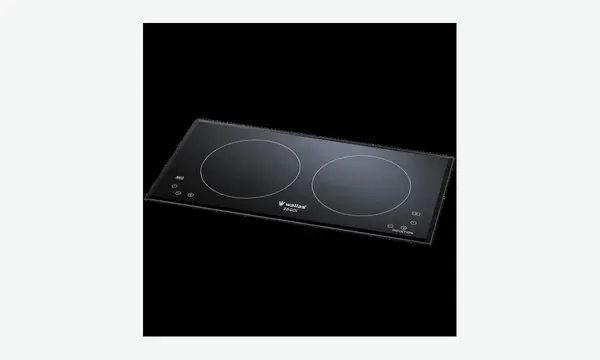
Wallas presents the 3600i two-zone induction cooker with 230V and 110V power adaptation, adjustable output and a shallow marine galley installation.
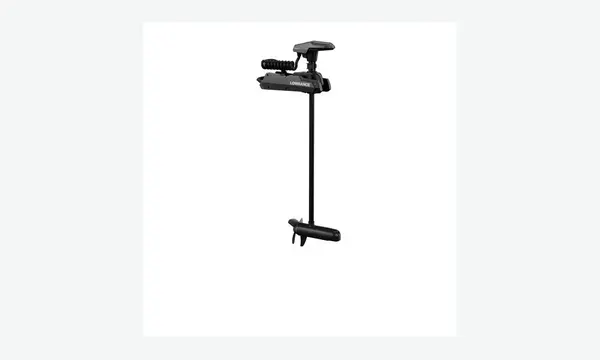
Navico Group introduces Lowrance Scout with GPS anchoring, FreeSteer joystick and NMEA 2000 integration for sportfishing boats and yacht tenders.
Superyacht Guide
Continue into the wider Superyacht Guide.
Business opportunities · Superyacht Guide
Companies serving the superyacht market can discuss clearly identified advertising, sponsorship and business-profile opportunities. Commercial activity remains separate from independent editorial coverage.