Wallas 3800 Dual Power Combines Diesel and Induction Cooking for Yacht Support Craft
By Superyacht Guide Newsroom · Edited by Superyacht Guide Newsroom
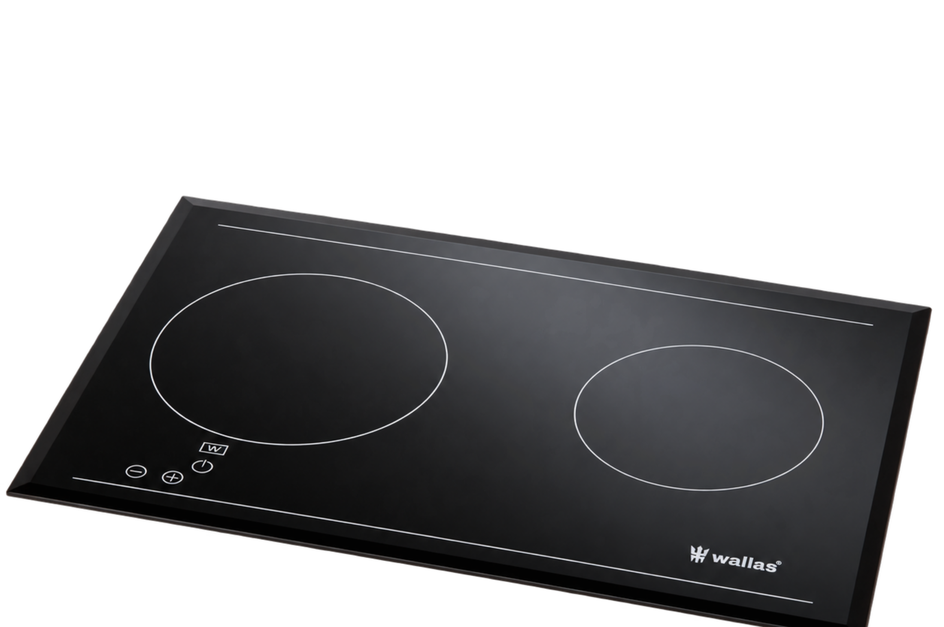
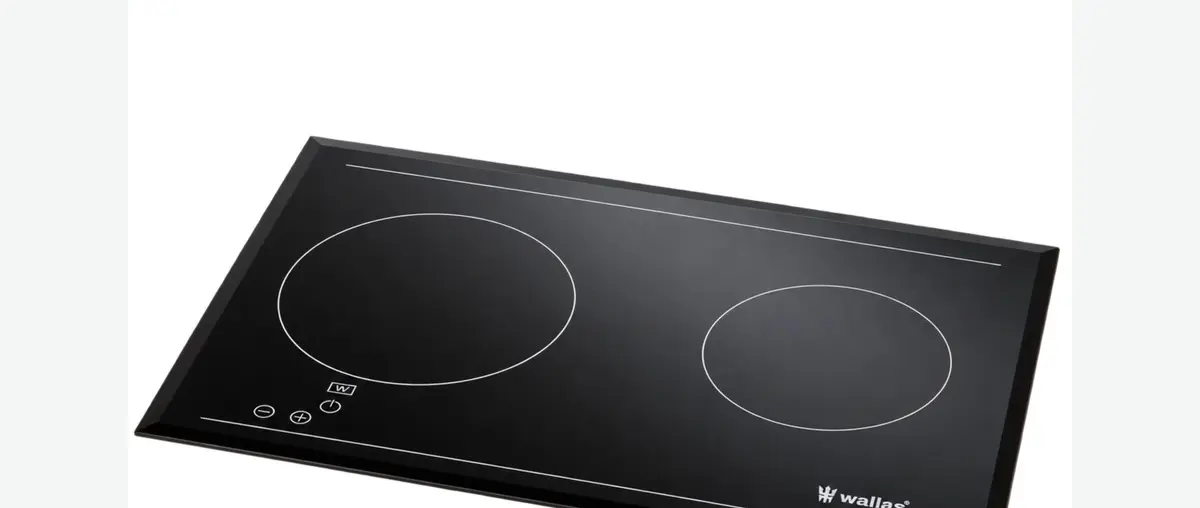
Wallas 3800 Dual Power official manufacturer original product picture 2026 for yacht support galley
Wallas has introduced a 3800 Dual Power ceramic hob offering 1,800W induction and 2,000W diesel modes for compact yacht galleys and support boats.
Finnish marine equipment supplier Wallas has listed its 3800 Dual Power cooker at METSTRADE 2026 as a combined diesel and induction appliance for boats with limited galley space. The company describes a ceramic cooking surface able to use electrical induction when suitable power is available and a separate diesel-fired operating mode when a vessel is away from shore supply or has a constrained electrical system. Released in the official catalogue on 16 November 2026, the product illustrates how marine equipment makers are addressing energy choices in smaller, more independent craft.
The superyacht relevance is indirect but practical. A 60-metre motor yacht does not normally need to equip its main professional galley with a compact dual-fuel cooker. A large yacht’s support craft, expedition tender or crew-operated chase boat may, however, face conditions in which cooking facilities must fit within a modest electrical and spatial envelope. Any installation should be judged against the specific boat's ventilation, fire-safety and regulatory requirements.
Wallas states that the 3800 Dual Power offers a rated 1,800-watt induction mode using a 230- or 110-volt electrical supply and a 2,000-watt diesel mode supported by a 12-volt electrical system. The company quotes diesel consumption of about 0.2 litres per hour and an electrical draw of 0.37 to 0.55 amps in diesel operation under its stated conditions.
These figures need careful interpretation. The diesel mode still uses electrical power for its associated control and operating functions, even though the heat energy comes from fuel. The induction mode requires sufficient electrical power, and the overall boat must have an appropriate inverter, battery system or shore connection. A rated heating figure alone does not determine total energy use across an entire cooking period.
The supplier markets the combined cooker as a solution without liquefied petroleum gas bottles and without an exposed cooking flame. This is potentially interesting on craft where providing dedicated gas storage, appropriate piping and ventilation would complicate the design. Removing an LPG system can change the safety and maintenance responsibilities of the vessel.
Gas-free does not mean risk-free. Diesel combustion produces heat and exhaust, and any fuel-fired appliance needs a correctly engineered installation. An induction surface can remain hot from contact with cookware after it is switched off. The design review must therefore include burns, electrical protection, fuel supply, exhaust routing and the clearance to adjacent materials.
A support yacht may accompany a larger vessel with crew, spare equipment and guest toys, operating independently for part of an itinerary. Its galley can be smaller than that of the parent yacht, while its crew may still require simple meal preparation during extended passages or a remote anchorage. A compact appliance capable of two heating modes could be useful if it fits the vessel's energy and accommodation plan.
That benefit should be evaluated against the actual use case. If the support vessel has ample generator capacity and a full galley, the extra complexity of a diesel mode may offer little advantage. If it routinely operates from batteries with minimal shore supply, the alternative could justify attention. No universal claim can be made from the catalogue alone.
An induction cooker operates by transferring energy to compatible cookware through an electromagnetic field. It can be efficient for many cooking tasks, but the required electrical power is substantial relative to the battery capacity of a small vessel. At a nominal 1,800 watts, extended operation can draw a meaningful amount of stored energy, with additional losses in an inverter system.
The yacht’s electrical engineer should confirm available voltage, frequency and circuit capacity. The advertised adjustable power limit may help protect small shore-power supplies or inverters, but it does not eliminate the need for correct protection devices and cabling. A trial should assess how the cooker performs when other electrical loads are active.
Wallas quotes fuel consumption around 0.2 litres per hour for the diesel heating mode. This can be used as a starting point for estimating fuel demand during a support-craft voyage, but real consumption may vary with operating conditions and cooking routine. An engineer should also consider how fuel is stored, drawn and returned, where applicable, rather than treating the appliance as a self-contained household device.
A small boat may use diesel for propulsion already, but that does not mean connecting an additional consumer is automatically straightforward. Fuel-system modifications can affect reliability and compliance. The installer should follow the supplier's approved arrangement and the vessel builder's instructions.
The manufacturer describes a shallow installation profile. Compact depth can help a designer fit the equipment into a limited counter arrangement, particularly where storage, ventilation ducts and structural members compete for space. A low-profile ceramic surface may also suit a contemporary interior visually, allowing a simple counter appearance when the cooker is not in use.
The installed dimensions and clearance requirements should nevertheless be taken from current drawings, not inferred from product photographs. Supporting equipment, wiring, exhaust connections and service access can require more volume than the visible cooking surface. The designer should accommodate these systems at an early stage instead of addressing them after furniture is built.
Induction cooking requires cookware compatible with its operating method. A yacht’s galley may contain pans selected for other equipment, and not all will work efficiently on the new surface. A crew trial should establish which pans are suitable and whether the available cooking space is adequate for intended meals.
On a support craft, the requirement might be straightforward preparation for a small number of people. On a guest-focused expedition boat, expectations may be higher. The operator should consider cooking time, ventilation and storage as part of the complete hospitality arrangement. One appliance cannot make up for an inadequate food-handling or refrigeration plan.
Combustion appliances require particular attention to exhaust and ventilation. Exhaust gases must be kept out of accommodation spaces and clear of boarding areas, windows and other openings. The correct route may be difficult to achieve in a small vessel with low freeboard or a fully enclosed cabin.
The public METSTRADE description does not provide every installation detail, so the yard must obtain the current Wallas technical documentation. Gas detection, fire detection and emergency shutdown should be considered where required by the installation and applicable rules. Crew must understand how the appliance is isolated during a fault.
The absence of an open flame may improve the appearance of a compact galley, but the system still releases heat and potentially requires operating equipment that generates sound. Any exhaust or ventilation installation may affect nearby cabins. Yacht designers should therefore consider acoustic separation and heat management rather than choosing the cooker solely by its top-level performance figures.
Comfort during a long trip is influenced by a collection of small details. A compact boat can become unpleasant if cooking heat accumulates in an enclosed area. Appropriate ventilation and the ability to prepare food without excessive disruption deserve real-world testing.
The product's defining proposition is the ability to change the source of cooking energy. A crew member could use induction when supplied by a marina or suitable onboard electrical system, then rely on diesel heating when circumstances make electrical cooking less convenient. This flexibility may be valuable on a vessel operating in different conditions.
However, the crew needs a clear switching procedure. Operators should understand what the system does when electrical power drops, whether the cooking modes have different response times and how to shut down safely. These are operating questions for the supplier and commissioning team, not details to guess from marketing photographs.
Superyacht-associated support craft can operate internationally. Replacement components, service support and diagnostic procedures matter if a cooker fails far from the original builder. A purchasing decision should include where authorised technicians can be found and what tasks the onboard engineer may perform without affecting the warranty.
The owner should also confirm the current delivery schedule, included accessories and the exact model intended for installation. A product announced at METSTRADE is not necessarily stocked by every marine dealer immediately. Its technical attractions should be balanced against the availability of support over the vessel's operating life.
Comparing the Wallas unit with a conventional electric hob or a separate diesel cooker requires a complete cost assessment. It should include purchase, installation, ventilation, fuel connections, energy conversion and maintenance. On a small boat, saving space or avoiding a full LPG installation might offset some of that complexity; on another craft it may not.
An owner representative should ask the builder to set out the advantages and disadvantages in writing. These comparisons are more useful than treating dual-mode operation as automatically superior. A successful installation is one whose benefits are relevant to the actual vessel, not simply the number of energy options in its specification.
The official Wallas product submission establishes a 3800 Dual Power ceramic cooktop with 1,800-watt induction and 2,000-watt diesel modes, 12-volt support for diesel operation and a stated fuel consumption near 0.2 litres an hour. The supplier also identifies a power-limiting function and a compact, open-flame-free cooking surface.
For superyacht operators, its significance is likely to be within the supporting fleet rather than the main yacht's professional galley. A careful trial could establish whether the dual-source arrangement improves endurance and usability on a particular tender or support craft. The installation must remain a professional marine engineering decision, especially where fuel, exhaust and electrical systems meet in a confined space.
Primary source: Wallas first-party 3800 Dual Power product specification on METSTRADE, released 16 November 2026.
Wallas original 3800 Dual Power product photograph as provided by the supplier in its METSTRADE 2026 entry. Official source.
Explore
Go deeper into the yachts, companies, events and destinations directly connected to this article.
Continue reading
Wallas presents the 3600i two-zone induction cooker with 230V and 110V power adaptation, adjustable output and a shallow marine galley installation.
Sleipner E-series electric tunnel thrusters combine proportional controls, compact design and integrated electronics for yacht manoeuvring systems.
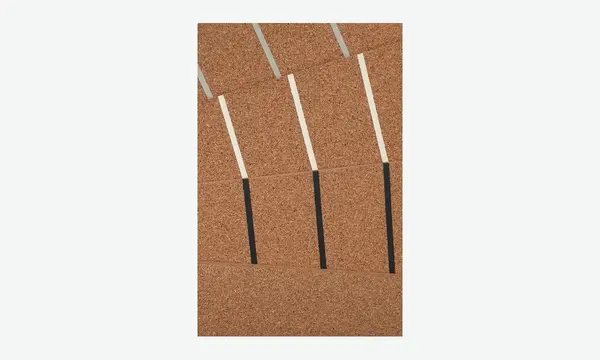
Aegir Cork Group presents SEACORK Deck Plus, a cork-granule deck covering with a low polyurethane content and claims of thermal comfort and grip.
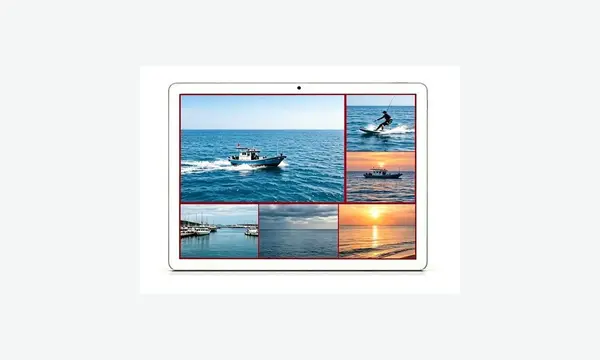
DM Tech Co., Ltd. showcases the SV156 15.6-inch touch BlackBox monitor with six channels, inviting integration review for yacht wheelhouse layouts.
Superyacht Guide
Continue into the wider Superyacht Guide.
Business opportunities · Superyacht Guide
Companies serving the superyacht market can discuss clearly identified advertising, sponsorship and business-profile opportunities. Commercial activity remains separate from independent editorial coverage.