
AIREX T92 Recyclable Foam Core Returns to the Spotlight for Superyacht Composite Structures
By Superyacht Guide Newsroom · Edited by Superyacht Guide Newsroom
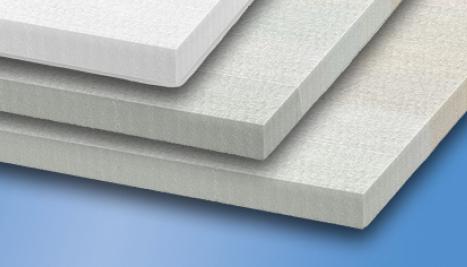
3A Composites AIREX T92 original manufacturer structural foam core product photograph SYG 2026
3A Composites Airex highlights T92 structural foam core with recycled content, fatigue resistance and processing flexibility for composite boatbuilders.
Swiss materials manufacturer 3A Composites Airex is presenting AIREX T92 within its METSTRADE 2026 catalogue, describing a closed-cell thermoplastic foam used as the core of composite sandwich structures. The company emphasises mechanical strength, fatigue resistance, low water absorption and compatibility with different resin systems and manufacturing processes. It also identifies recyclable polymer content and a proportion of recycled feedstock as part of the material proposition. For superyacht designers, this is relevant to decisions about weight, durability and the environmental characteristics of structural or semi-structural panels.
The exhibition listing does not identify a first-time launch at METSTRADE 2026, and it would be misleading to describe T92 as an entirely new product this November. The news value lies in its current promotion to the professional boatbuilding market and the opportunity to examine a material choice that affects the entire manufacturing process rather than just a finished yacht's appearance.
A composite sandwich panel typically has two relatively strong outer faces separated by a lighter core. The arrangement can deliver useful bending stiffness without the mass that might be required from a solid laminate of comparable thickness. The core helps keep the skins apart and transmits shear forces between them.
This method is widely relevant to yacht construction, but it is not a single recipe. A deck panel, an interior partition and a high-load hull component may have very different design requirements. The core material must be chosen along with the fibre reinforcement, resin system, thickness and production method. A promising foam does not automatically make any sandwich design safe or light enough.
The official METSTRADE product entry calls AIREX T92 a closed-cell, recyclable thermoplastic polymer foam containing recycled material. It describes good mechanical properties, resistance to fatigue, chemical stability and negligible water absorption. It also states that the material tolerates elevated temperatures during processing and post-curing without unwanted expansion or gas release under the specified conditions.
These are supplier-reported characteristics. Builders must consult the current technical data sheet to find density-specific values, test methods and temperature limitations. A catalogue summary cannot establish the permissible loads of a completed superyacht structure. The structural engineer should make decisions using approved properties and a laminate schedule developed for the actual application.
Foam cores are supplied in different densities, and a panel's performance can vary substantially with the chosen grade. A lighter core may reduce weight but can have different strength or stiffness characteristics from a denser option. The design needs to consider shear forces, compression, impact and the local support of fittings.
A naval architect should not select material solely by the brand or broad description. The correct grade must be matched to the load case, and local reinforcements may be required around deck equipment or machinery foundations. The final part's performance depends on the entire laminate and manufacturing quality, not just the nominal properties of its core.
A yacht structure experiences repeated loads as the vessel moves through waves, carries equipment and supports people. Over many seasons, this cyclic loading can affect the integrity of particular materials and bonds. AIREX highlights fatigue resistance as one of T92's qualities, an attribute worth investigating where panels experience regular changes in load.
The term does not mean that a T92 sandwich can never suffer fatigue damage. Testing conditions, laminate geometry and the way joints are made influence behaviour. Engineers need data for representative configurations and appropriate safety margins. A material's fatigue resistance should be incorporated into the design process, not treated as a guarantee of unlimited service life.
The manufacturer describes negligible water absorption for the foam itself. This is attractive in marine applications because structures can be exposed to moisture through damage, imperfect joints or fittings. Yet the overall sandwich may still develop problems if water enters through a penetrated skin and affects the bond or surrounding components.
An owner should not assume that a closed-cell core makes a hull or deck immune to moisture-related defects. Sealing of penetrations, correct installation of fittings and repair procedures remain critical. If a panel is damaged, a surveyor should assess the skins, bonds and local structure, not simply rely on the core's reported absorption behaviour.
AIREX T92 is described as thermally stable during high-temperature production or post-curing processes within its rated conditions. Some composite manufacturing methods involve elevated temperatures to achieve the desired resin properties. A core that maintains its intended shape during these stages can be valuable for dimensional control and repeatable production.
The builder needs exact limits, including time at temperature and the conditions under which the manufacturer's test results apply. Different resin systems have different curing cycles. An apparently compatible material may behave poorly if processing temperatures exceed its specification. A manufacturing trial should establish dimensional stability before a large panel is committed to production.
The catalogue promotes compatibility with a wide range of resin systems and production technologies. This can be useful for shipyards working with infusion, vacuum-bag processes or other established composite methods. The flexibility may allow a yard to evaluate T92 without replacing every part of its production setup.
Compatibility still has to be proven for the chosen materials and process. Resin chemistry, core surface preparation, temperature, pressure and cure schedule can all affect adhesion. A designer should require test panels where appropriate, particularly for a significant structural application. An attractive technical claim is only the beginning of validation.
The official listing notes recycled content and thermoplastic recyclability. These characteristics can be meaningful, but they address different stages of a product's life. Recycled feedstock concerns where the material originates, while recyclability concerns whether a useful recovery process is technically and commercially available after use.
A composite panel bonded with resins and fibres can be much harder to recycle than an isolated piece of foam. A yachtbuilder should therefore avoid promising that an entire completed yacht panel can be recycled merely because its core material is theoretically recyclable. The appropriate environmental assessment should include actual manufacturing waste, transport, service life and realistic end-of-life routes.
Composite construction can generate offcuts during nesting, shaping and machining. A recyclable thermoplastic core may offer an opportunity to review waste segregation, although the feasibility depends on whether the supplier or a waste contractor can collect material of the relevant type. Offcuts mixed with cured resin or other contamination may present a different problem.
A yard could begin by measuring how much core material it discards and why. Improving cutting efficiency may reduce waste regardless of the product chosen. Any claim of a successful recycling programme should be supported by records showing what material was actually recovered and where it went. Sustainability is more persuasive when it has operational evidence.
Reducing structural mass can provide design flexibility, but the benefit should not be overstated. A superyacht's final displacement is influenced by machinery, fuel, stores, interior finishes and equipment as well as its structure. A change in foam density or panel design might produce a saving in one area while creating additional reinforcement needs elsewhere.
The naval architect should compare complete structural solutions using the same load requirements. A lighter panel is attractive only if it satisfies strength, stiffness, fire and serviceability needs. Weight savings should be entered into the vessel's controlled estimate, rather than assumed from the core's marketing description.
Materials used in yachts may be subject to fire performance requirements according to the vessel's size, registration and intended service. A thermoplastic core can have properties that differ from other core materials, and the complete panel may need testing under the relevant rules. It is not enough to assume that a material is suitable because it is sold to the marine market.
The shipyard must confirm any certificates or test reports that apply to the actual grade and installation. Interior accommodation panels, exterior decks and machinery spaces may have different rules. Certification of one sample construction does not necessarily extend to every laminate or coating combination.
Sandwich panels can also influence the way noise and heat move through a yacht, although their performance depends on the entire assembly. A foam core may have useful thermal properties, but a rigid structural panel is not automatically the correct acoustic solution for every accommodation space.
Interior specialists should test representative assemblies when sound insulation or comfort is important. Vibration transmitted through structural connections can bypass a panel whose core performs well in a laboratory. Designers should be careful not to promise quieter cabins or lower air-conditioning loads without relevant whole-system data.
Composite damage can result from impact, overloaded fittings or accidental drilling. Repair often requires removing damaged material, restoring the appropriate core and rebuilding the skins. If T92 is selected, the yacht should preserve information about the exact grade, laminate and repair procedure for future work.
A refit yard may be thousands of miles from the original builder. Clear records allow a qualified repair specialist to assess compatibility and reproduce the necessary structure. Substituting a superficially similar foam without approval may change the local properties. A yacht's technical archive should therefore treat core materials as specified structural components rather than generic consumables.
Core bonding defects, voids and uncontrolled resin distribution can undermine an otherwise sound sandwich design. The manufacturer can supply material with defined properties, but the shipyard must maintain an appropriate production process. Environmental conditions, operator training and inspection are crucial.
A builder considering a new core should make trial panels and evaluate the relevant failure modes. Documentation can include weight, dimensions, laminate quality and inspection findings. These trials may reveal opportunities to improve production, but they can also identify problems that need correction before the material is used on a major yacht structure.
A shipyard may need the same foam grade across a substantial production period. Suppliers should be assessed for consistency, documented properties, order quantities and delivery reliability. Material substitutions during construction can create engineering and certification complications, particularly when earlier panels have already been completed.
A clear purchasing specification can prevent confusion between grades and densities. It should also define how incoming material is identified and stored. Good supply management becomes more important when a project includes several subcontractors producing different composite components for the same vessel.
The official 3A Composites Airex submission confirms that T92 remains part of the manufacturer's marine offering at METSTRADE 2026, with stated characteristics including closed-cell thermoplastic construction, recycled content, fatigue resistance, low water uptake and compatibility with several manufacturing approaches. Those details justify serious technical consideration but do not independently establish performance for a particular yacht.
For superyacht designers, the practical conclusion is that a core should be evaluated through the whole sandwich structure and the shipyard's actual process. Material choice affects structural integrity, build quality, repairability and waste management. T92 adds an option to that discussion, while the responsibilities for design validation and honest environmental claims remain with the project team.
Primary source: 3A Composites Airex AG supplier-authored AIREX T92 foam core material product listing in METSTRADE 2026 exhibitor catalogue.
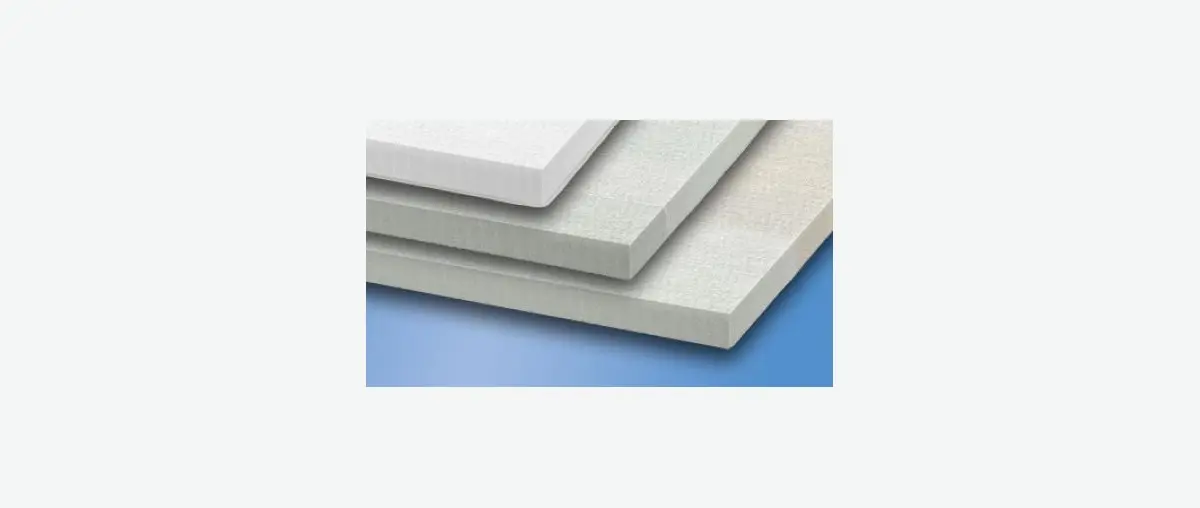
3A Composites Airex AG first-party AIREX T92 product photograph supplied to the official METSTRADE catalogue. Official source.
Explore
Go deeper into the yachts, companies, events and destinations directly connected to this article.
Continue reading
Sleipner E-series electric tunnel thrusters combine proportional controls, compact design and integrated electronics for yacht manoeuvring systems.
Aegir Cork Group presents SEACORK Deck Plus, a cork-granule deck covering with a low polyurethane content and claims of thermal comfort and grip.
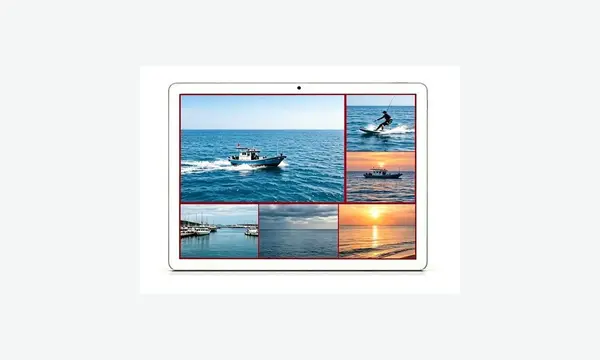
DM Tech Co., Ltd. showcases the SV156 15.6-inch touch BlackBox monitor with six channels, inviting integration review for yacht wheelhouse layouts.
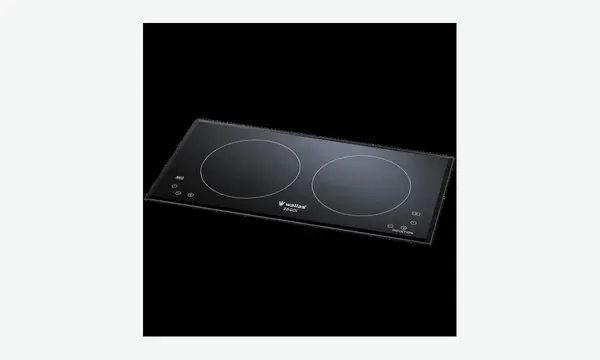
Wallas presents the 3600i two-zone induction cooker with 230V and 110V power adaptation, adjustable output and a shallow marine galley installation.
Superyacht Guide
Continue into the wider Superyacht Guide.
Business opportunities · Superyacht Guide
Companies serving the superyacht market can discuss clearly identified advertising, sponsorship and business-profile opportunities. Commercial activity remains separate from independent editorial coverage.