Seares Targets Superyacht Mooring Loads with Seadamp Monitoring
Seares presented hydraulic mooring dampers and load monitoring at METSTRADE 2026, with configurations aimed at large yachts, shipyards and marina operators.
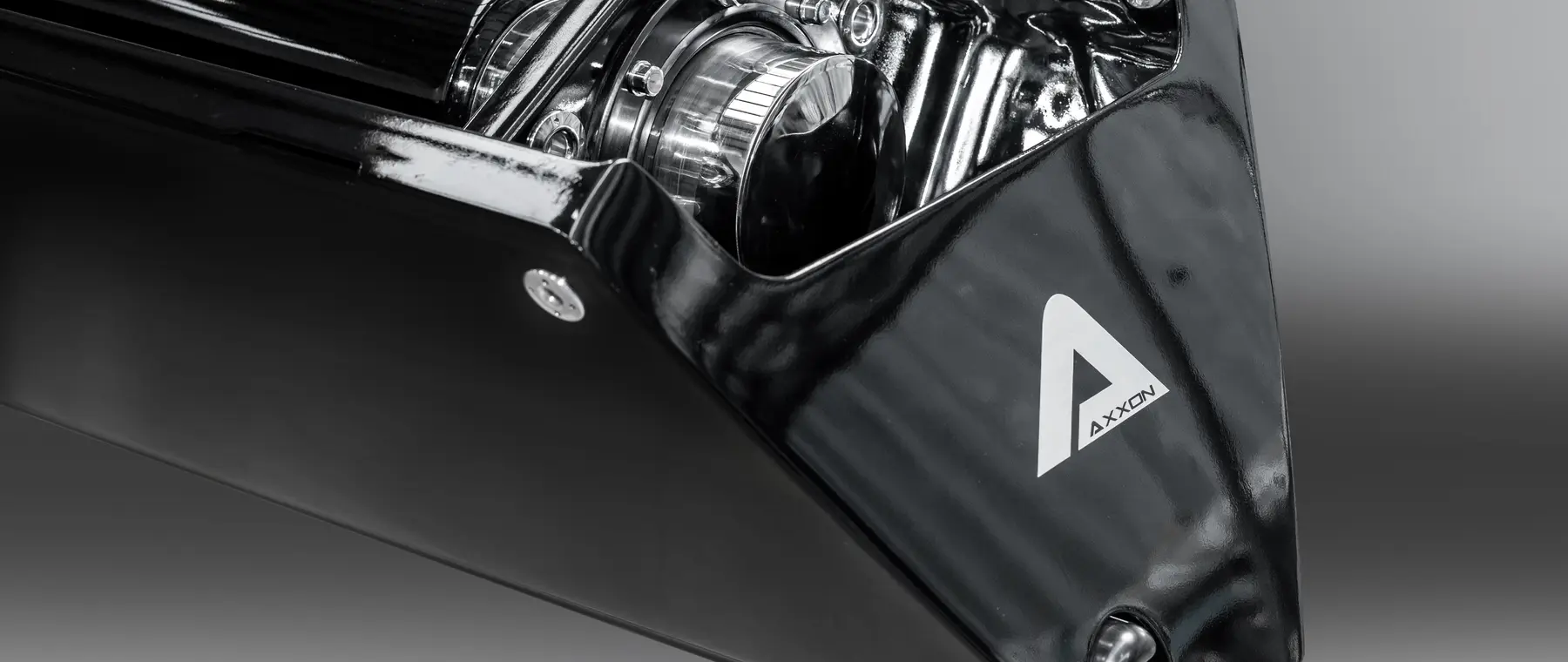
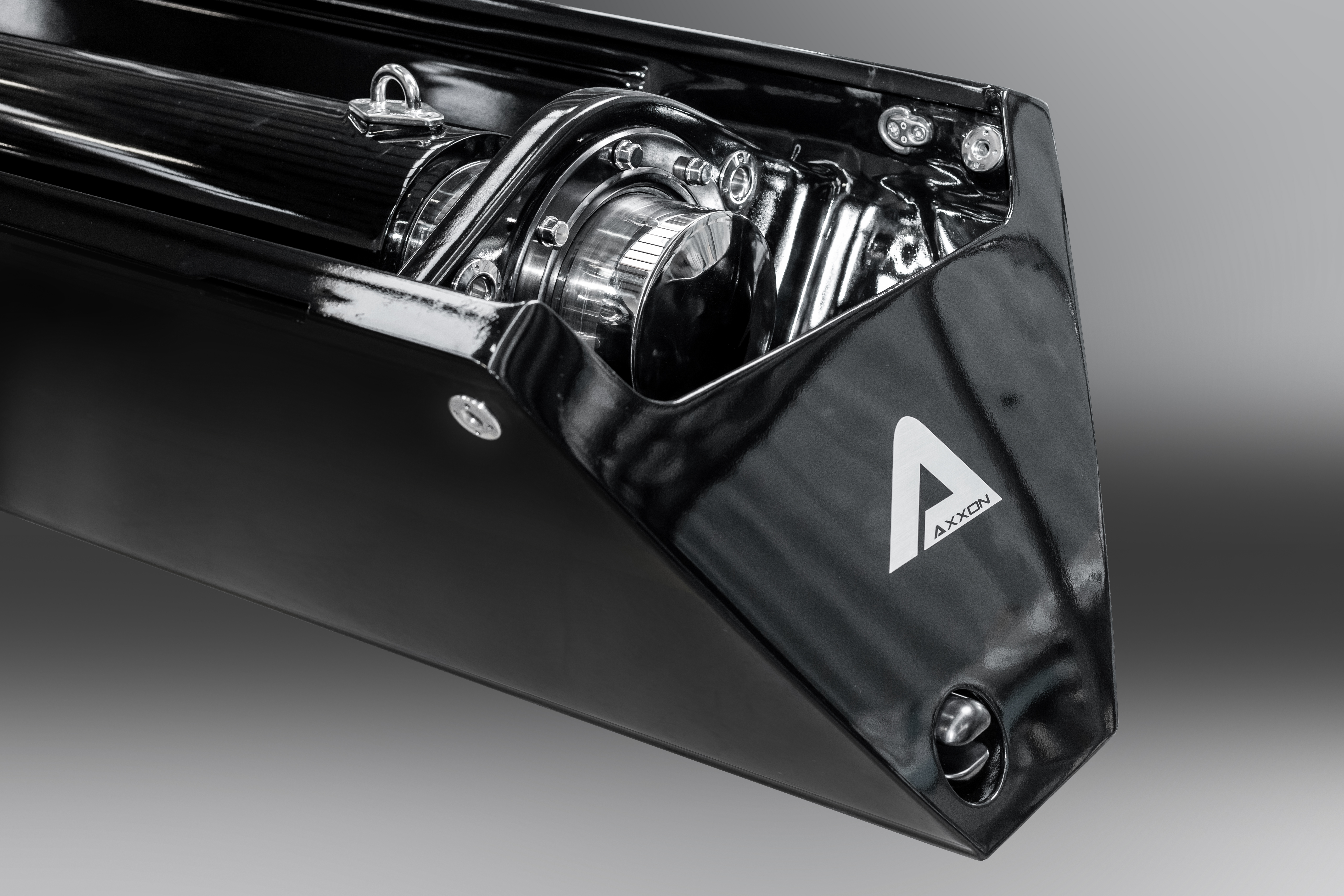
Axxon Composites carbon boom hardware official exhibitor image
Axxon's updated digital portfolio provides a starting point for sailing yacht project teams evaluating carbon masts and booms for 24–30m projects.
Axxon Composites' announcement of an updated website, published through the Metstrade exhibitor news platform on 2 September 2026, provides an opportunity to examine a specialist equipment market as the Amsterdam trade exhibition concludes. The company describes itself as a manufacturer of carbon masts and booms for sailing vessels extending broadly from 30 to 100 feet. The largest end of that range is relevant to the smaller sailing superyachts covered by Superyacht Guide.
The announcement is a digital portfolio update, not the launch of a new mast model or a newly signed superyacht contract. It does not identify a particular 24-metre-plus vessel, disclose new engineering performance figures or announce a delivery. Its value for the large-yacht audience is as a reference point for procurement discussions about composite sail-carrying structures, and for understanding how designers should evaluate a potential supplier.
Axxon states that its activity began in 2011 and that its team draws on more than thirty years of industry experience. Its published size range includes vessels much smaller than those regarded as superyachts. At its upper end, however, 100 feet corresponds to approximately 30.48 metres. That creates an overlap with projects extending from the 24-metre editorial threshold to just over 30 metres.
This is a particularly interesting transition because a sailing yacht in that length bracket can embody several different design philosophies. One owner may prioritise racing performance, another comfortable long-distance cruising, and another an arrangement that accommodates both demanding sailing and a substantial hospitality programme. The mast and boom must be evaluated as part of the specific vessel design rather than selected on length alone.
The announced range should not be interpreted as an assertion that Axxon can equip every yacht within those dimensions. The project's displacement, sail plan, load cases, available engineering resources and classification requirements all influence the final suitability of a supplier.
A carbon mast is not simply a lightweight replacement for an aluminium extrusion. It is a load-bearing assembly whose behaviour depends on materials, laminate design, geometry, interfaces and the way the rig is supported. Fibre orientation and local reinforcement can be tailored to the forces anticipated in different regions of a structure. Such design freedom is valuable but also introduces a need for appropriate calculations and manufacturing control.
The structure must work in conjunction with its standing rigging, the sail plan, the hull and the associated load-bearing components. Changing one part may alter the demands placed on others. A procurement decision therefore needs to begin with design information from the yacht's naval architect and rig designer.
Axxon's announcement identifies stiffness, low weight and durability as objectives of its products. These are manufacturer-described characteristics, not comparative measurements of a specific installed rig. An engineering team should request design-specific evidence rather than treat the general qualities of carbon fibre as a guarantee of performance.
Reducing mass aloft can influence the yacht's centre of gravity and sailing characteristics. It may also alter motion and the demands placed on other components. The significance of those effects cannot be quantified by comparing marketing descriptions or counting the amount of carbon used in a structure.
A complete evaluation should account for the mast, boom, standing rigging, sail-handling equipment, fittings and any other relevant mass. The relationship between this complete assembly and the vessel's stability is more informative than the weight of an individual component in isolation.
For a performance-oriented sailing yacht, reducing mass high above the water may form a prominent part of the naval architect's brief. A long-range cruising yacht may place greater emphasis on reliability, inspection access and the ease of operating sails over many years. Neither objective removes the need to confirm structural adequacy for the intended operating conditions. Different priorities may produce quite different solutions even between vessels of similar length.
The inclusion of carbon booms in Axxon's range is relevant to yacht operations as well as structural design. A boom interacts with the mainsail, reefing systems, associated hardware and the movement of people around the deck. Its dimensions and arrangement can influence access, sail handling and the location of working areas.
For a crew, practical considerations include how the equipment is inspected, how maintenance is carried out and how compatible sail-handling systems are serviced. Any existing or proposed powered equipment must be assessed as part of the complete design.
A refit can present additional challenges. Replacing a boom while retaining an existing mast and deck arrangement may require examination of interfaces and load distributions that were designed around the original equipment. A replacement structure cannot be evaluated purely on the basis of equivalent overall dimensions.
A new website can make it easier for a project team to identify a supplier, inspect product categories and initiate contact. It cannot replace the engineering and commercial documentation needed to place a major rig order.
The design process should establish responsibility for load definition, structural design, manufacture, installation and acceptance. A buyer should request relevant manufacturing records, quality assurance arrangements, material traceability and inspection procedures appropriate to the specific project. The required level of documentation will depend on the vessel's classification, flag, contractual structure and intended use.
Acceptance of an installed rig and the ongoing inspection requirements should also be understood at the outset. A carbon structure may require specialist assessment following an impact or an unusual loading event. Its internal condition cannot necessarily be established through a cursory visual inspection. Appropriate inspection methods must be selected by competent professionals with knowledge of the actual construction.
A new sailing yacht offers greater opportunity to incorporate the rig manufacturer's requirements during the design phase. Foundations, deck penetrations, attachment arrangements and service routes can be coordinated while changes remain relatively straightforward to implement.
That opportunity can be lost if a mast or boom specification is finalised only after adjacent systems have been designed. Project teams should agree early on the dimensions, loads, interfaces and installation sequence. The rig procurement programme must be compatible with the shipyard's construction schedule and the planned commissioning process.
Axxon's general portfolio does not determine whether a proposed solution is suitable for any particular construction contract. The announcement provides the initial supplier information. The next step for a qualified project is a technical dialogue built around the actual yacht and the responsibilities of the parties involved.
An existing sailing superyacht may need attention to its mast or boom because of a changed operating programme, a desire to improve sail handling, or the condition and age of the current structures. These circumstances should be distinguished from an assumption that a replacement simply represents an automatic improvement.
The owner team should establish the condition of the existing rig before deciding what work is justified. Historic drawings, previous inspections and records of modifications can help establish an engineering baseline. Where documentation is incomplete, the scope of investigation should be agreed with specialists rather than inferred from the yacht's original marketing materials.
Transport, lifting facilities, removal and reinstallation must also form part of the project budget. Installation work may interact with deck equipment, electrical connections, standing rigging and sail systems. An apparently attractive component price therefore needs to be considered alongside the complete refit scope and the period during which the yacht will be unavailable for its normal programme.
The news item was published before Metstrade. With the 17–19 November exhibition now concluded, it is appropriate to distinguish the discovery stage of procurement from the much more detailed assessment that follows. Visiting a manufacturer, viewing a digital portfolio or receiving a brochure may identify a promising candidate. It does not settle technical compatibility, pricing, delivery or the allocation of engineering responsibility.
For the 24–30-metre sailing yacht segment, a useful supplier enquiry begins with the yacht's basic particulars, intended sailing programme, current or proposed sail plan, applicable design and approval requirements, and expected construction or refit milestones. A supplier can then explain which elements of its offering are relevant and what further information is required.
Axxon's announcement is modest in substance but illustrates the role specialist manufacturers play in project development. The appropriate conclusion is that its stated range overlaps with part of the superyacht market, making it a potential supplier for qualified enquiries. The eventual purchasing decision must depend on project-specific engineering, documentation, commercial terms and competent evaluation, rather than a website announcement alone.
Primary source: Axxon Composites — Metstrade exhibitor announcement, 2 September 2026.
Image: Axxon Composites, Metstrade exhibitor media. Official source.
Continue reading
Seares presented hydraulic mooring dampers and load monitoring at METSTRADE 2026, with configurations aimed at large yachts, shipyards and marina operators.
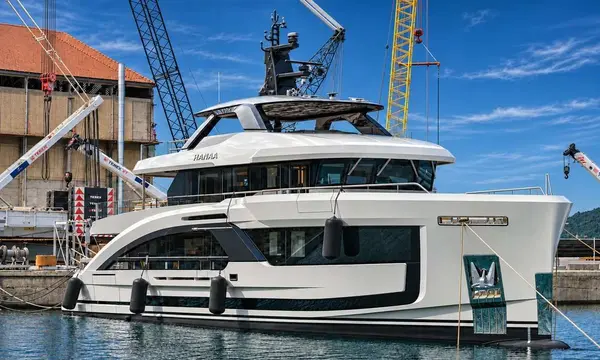
Jotun reveals its MegaGloss AC specification for Antonini Navi's 31m HANAA, detailing early collaboration between designer, builder, owner and applicator.

Benetti's 67m DAGGER receives the Boat Builder Awards sustainability honour for its integrated hybrid installation and supporting performance evidence.
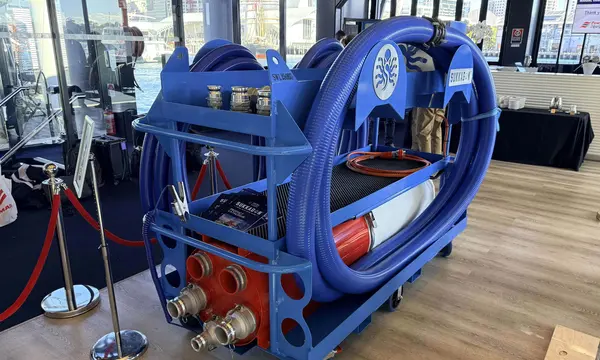
Control Point Group outlines its mobile ventilation equipment for tank and void maintenance, with potential applications at large-yacht refit facilities.
Superyacht Guide
Continue into the wider Superyacht Guide.
Business opportunities · Superyacht Guide
Companies serving the superyacht market can discuss clearly identified advertising, sponsorship and business-profile opportunities. Commercial activity remains separate from independent editorial coverage.