Heysea Reports 54.65m Vripack-Designed Superyacht Order for 2029
Chinese builder Heysea Yachts has reported a contract for a 54.65-metre full-custom superyacht designed by the Netherlands-based studio Vripack, with delivery anticipated in 2029. …
Baglietto has marked the keel-laying of its fully custom 48-metre hull 10277 at Carrara, giving a project first announced as a sale in October 2025 a fresh, physical construction milestone. Italian trade publication SuperYacht24 reported the ceremony on 9 November 2026. The yacht was developed with Floating Life and Volvo Penta for an owner who wants long-distance cruising, including routes that could lead into colder and more demanding waters. The development is a keel-laying, not a launch, sea-trial result or delivery. It supplies evidence that a previously announced commission has moved into the construction process while leaving the eventual completion timetable to be established by the builder.
Baglietto has marked the keel-laying of its fully custom 48-metre hull 10277 at Carrara, giving a project first announced as a sale in October 2025 a fresh, physical construction milestone. Italian trade publication SuperYacht24 reported the ceremony on 9 November 2026. The yacht was developed with Floating Life and Volvo Penta for an owner who wants long-distance cruising, including routes that could lead into colder and more demanding waters. The development is a keel-laying, not a launch, sea-trial result or delivery. It supplies evidence that a previously announced commission has moved into the construction process while leaving the eventual completion timetable to be established by the builder.
Baglietto's October 2025 first-party announcement identifies the 48-metre contract as hull 10277. It also specifies the participation of Floating Life, engineering collaborator Zero13, interior and exterior partner Satura Studio, and Volvo Penta's IPS Professional Platform. Those details give a reliable technical background for the November milestone, but the initial design document is not proof that every choice has already passed manufacturing tests. In a custom build, specifications may evolve through design approval, construction coordination and commissioning. The keel ceremony is a valuable point on the schedule precisely because it connects the concept and sales phase to an identifiable hull.
The original announcement was made in Fort Lauderdale on 31 October 2025. At that stage, Baglietto described a vessel tailored to an experienced owner's intention to cruise widely and experience different climates. More than a year later, the latest report puts attention on Carrara and the start of physical work. Readers following shipyard order books should keep those dates separate: counting this as another order placed in November 2026 would inflate new-business figures, while calling it delivered would bring a future event forward without evidence. The reliable November change is that the already announced project has held its keel-laying ceremony.
Keel-laying retains an established symbolic role in yachtbuilding, but modern metal construction involves many sections and production stages beyond a single continuous keel in the traditional sense. Shipyards must coordinate structure, machinery access, electrical and hydraulic runs, tanks, insulation and equipment foundations before finishing takes place. A ceremony may coincide with the first major structural assembly or another selected production milestone. Baglietto's exact production schedule, completion percentage and anticipated launch date were not disclosed in the materials used for this report. It would be inappropriate to invent those details from the existence of a photograph or a ceremony.
The owners' brief calls for a yacht able to operate in high latitudes, and the first-party description says the hull and naval engineering were developed to meet Ice Class 1D requirements. That is a meaningful distinction from a conventional warm-water cruising brief. Classification and actual safe operations are separate matters, however. A yacht intended for cold-water passage needs the appropriate structural design, equipment, crew preparation, route planning and permissions for the conditions it may meet. The published design objective does not make the vessel an unrestricted icebreaker or authorise operation in every polar sea state.
The team will also need to consider low-temperature reliability, redundancy, communications and the consequences of limited external assistance. On an expedition itinerary, a delayed spare part or an inaccessible pump can have greater significance than during a short passage between established Mediterranean marinas. Ice-class design therefore interacts with everyday serviceability as well as structural calculations. These are general operational considerations, not additional technical features claimed by Baglietto. Until class certificates, completed trials and operating manuals become available, the safest wording remains that the project is designed toward the stated class standard.
Floating Life is representing the owner during construction and providing technical advisory and survey work. Its responsibilities also extend to exterior and interior development alongside Satura Studio, with Zero13 contributing to the hull and engineering package under Baglietto's production supervision. Such an arrangement creates several points at which owner preferences, naval architecture and manufacturability must be reconciled. It is important to identify these roles accurately: the design team's participation does not transfer the contractual shipbuilding responsibility away from the yard, and an owner's representative is not automatically the yacht's final operating manager.
The division of labour is especially relevant on a vessel commissioned for unusual routes and tailored living spaces. A concept can promise uninterrupted views and a close connection with the sea, but every opening, structural span and machinery route must eventually work under real loading conditions. Designers may pursue an open main-deck salon while naval architects and engineers evaluate the corresponding structure, stability and environmental systems. The early release describes 360-degree glazing around the panoramic salon and transparent staircases between decks. These are proposed design features, not photographs of finished accommodation aboard hull 10277.
Baglietto and Volvo Penta identify the IPS Professional Platform as the proposed propulsion solution. The companies describe an integrated arrangement from helm to propeller, with a dual power-input architecture, operating optimisation and the ability to manage different power sources. The design incorporates four propulsion units, with a mode in which two units may be used under suitable conditions. These are system capabilities described by the manufacturer. They should not be translated into guaranteed performance at a particular speed or sea state without completed measurement and a defined operating profile.
The partners have associated the hull design with a range exceeding 5,000 nautical miles and a potential fuel-consumption reduction of up to 30 per cent. Both are forecasts or design targets from the 2025 project announcement, not independently measured results from the new hull. A percentage reduction is particularly sensitive to its comparison baseline, engine loading, passage length, weather and displacement. A responsible reader should ask which conventional arrangement forms the reference case and at which operating point the improvement is expected. A claimed range also needs context regarding reserves, speed and tank capacity before it can be used for passage planning.
Another important part of the design is a customised system to launch and recover a tender approximately ten metres long. Baglietto says the engineering draws inspiration from historical hauling arrangements used in Italian yards during the middle of the twentieth century, reinterpreted with a retractable platform. Besenzoni is named as a development collaborator. A tender of this size can be a major operational asset during an expedition, allowing guests and specialist equipment to travel between an anchored mothership and shore. It also presents significant handling and stowage questions that must be resolved before the yacht enters service.
Crew safety, lifting loads, access around the platform and the effect of sea movement are central to any tender-handling system. Whether a particular mechanism works at anchor in exposed conditions depends on its engineered envelope and the approved operating instructions. Baglietto's initial release expresses confidence in an optimised launch and recovery procedure, but no sea-trial measurements have been published for hull 10277. The innovation is newsworthy as a specified design direction; its practical performance remains a future subject for verification after the equipment has been installed, tested and documented.
The November keel-laying matters for the builder, owner and technical partners because it shows an identifiable custom programme entering a new phase. It also illustrates the range of priorities now found in the 40-to-50-metre sector: long-distance capability, high-latitude ambitions, advanced propulsion integration and accommodation designed around one owner's use. It should not be confused with a new model available off the shelf. Hull 10277 is a commissioned yacht with a named programme and previously announced technical contributors, not a speculative design shown solely to collect expressions of interest.
The next public milestones may include further structural assembly, installation of machinery and systems, launch, class-related inspections, sea trials and eventual delivery. Their order and timing must come from subsequent official information, not a newsroom forecast. For now, the dependable chronology consists of the October 2025 sale announcement by Baglietto and the 9 November 2026 report of keel-laying at Carrara. The project remains a strong example of bespoke expedition-minded construction, and Superyacht Guide will keep claims about range, efficiency and class status attached to the evidence available at each stage.
Construction progress on one yacht can generate several legitimate stories across its development, but each needs a genuinely different event. The original 2025 contract was a sale. The November 2026 keel-laying is a production milestone on the same hull. A future launch would record entry into the water, while a delivery would concern handover to the owner. Combining or repeating these stages as if they were multiple new orders can distort perceptions of a yard's commercial activity. Maintaining the hull number in the newsroom record is therefore as important as recording the correct builder and technical partners. It allows subsequent reports to be joined into one verifiable project history, without inventing another yacht.
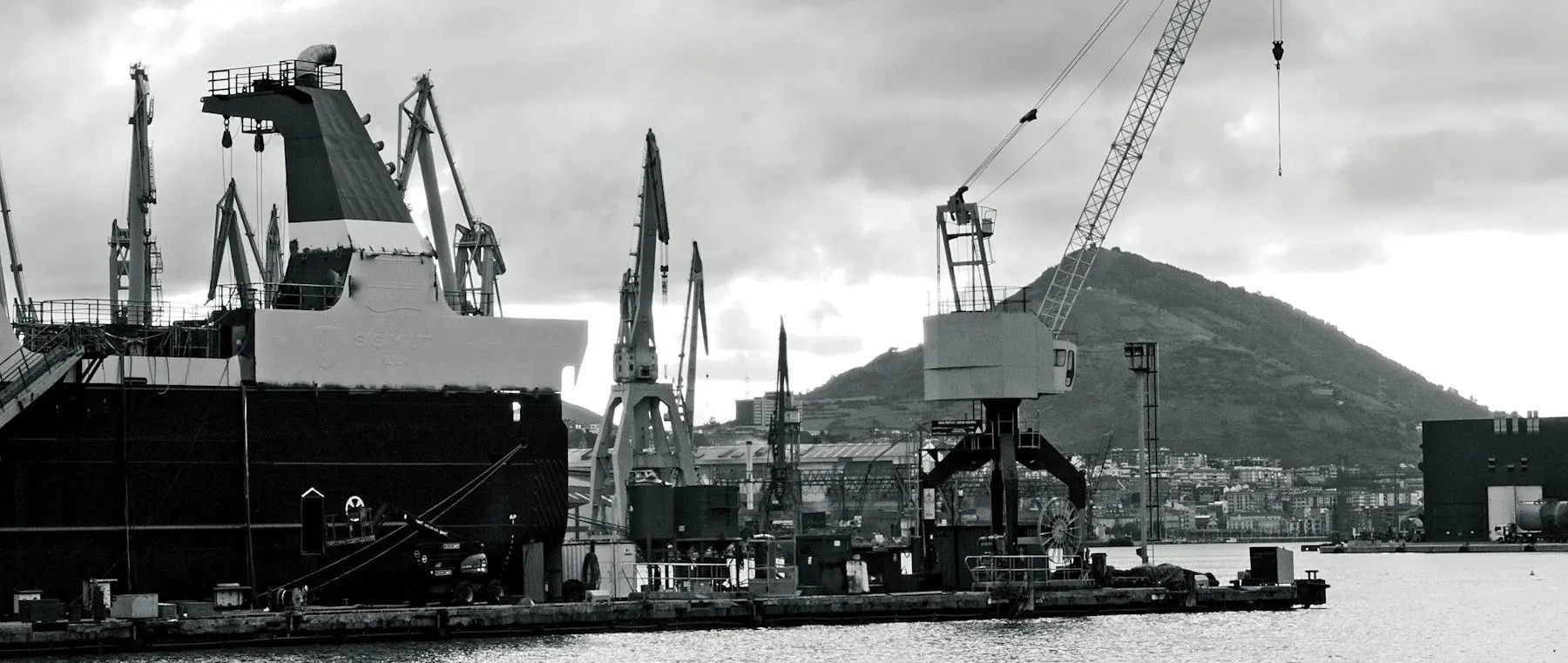
The source record therefore combines two different publication dates and two forms of evidence. The current trade report establishes the reported keel-laying event, while Baglietto's own previous release supplies the project's baseline technical intentions. Nothing in those sources supports a completed sea trial or a final vessel certificate as of this report. The image accompanying this story is explicitly a generic industrial shipyard photograph and should not be used to identify Baglietto's Carrara construction shed or the new hull. Reporting source: SuperYacht24, 9 November 2026; first-party technical documentation: Baglietto, 31 October 2025.
Reporting source: original announcement; corroborating source: additional first-party or industry material. Report dated 9 November 2026. Announcements and operating plans may change; editorial interpretations are distinguished from confirmed facts.
Editorial photograph: photographer and original image — Miguel A Amutio / Unsplash License; March 2026 industrial port and shipyard illustration, not Baglietto or hull 10277. Cropped and resized under the Unsplash License. Illustrative photograph only; it does not show the 2026 event or named product.
Continue reading
Chinese builder Heysea Yachts has reported a contract for a 54.65-metre full-custom superyacht designed by the Netherlands-based studio Vripack, with delivery anticipated in 2029. …
Oceanco has reported that the 72-metre expedition support yacht Indratus has begun sea trials following an extensive refit at its Zwijndrecht facilities in the …

Marina di Villasimius is considering an 80-metre superyacht berth, shore-power improvements and a proposed €5 million refurbishment, but the development remains dependent on maritime …
Amsterdam Yacht Service has disclosed a tightly sequenced exterior maintenance project on the 36.94-metre schooner Wolfhound. The brief combined a complete topsides respray with …
Superyacht Guide
Continue into the wider Superyacht Guide.
Business opportunities · Superyacht Guide
Companies serving the superyacht market can discuss clearly identified advertising, sponsorship and business-profile opportunities. Commercial activity remains separate from independent editorial coverage.