The superyacht labour problem is no longer only about finding crew. Yards, refit businesses and owner-side teams are competing for the same technical judgement and practical experience.
The superyacht labour shortage is no longer confined to crew agencies trying to fill cabins before a season starts. The competition has moved ashore, where shipyards, refit businesses, technical suppliers and increasingly professional owner teams are chasing many of the same engineering, electrical and project-management skills that yachts need at sea.
That creates a new tension in the industry's labour market: sea time makes people more valuable precisely when shore-based businesses want to hire them. A captain, engineer or senior technician who understands how a yacht behaves in operation can carry knowledge ashore that cannot be reproduced quickly through classroom training alone.
British Marine Scotland says employers are struggling to find marine engineers, electrical technicians, composites specialists and boatbuilders, with some businesses turning work away because suitable people are not available. Its 2026 skills work also found gaps in training routes and warned that smaller businesses can be left behind when larger organisations build their own pipelines.
The concern is broader than Scotland. In August, outgoing British Marine president Robert Parton said a shortage of skills remains a key industry concern even as training provision and apprenticeship offerings have expanded.
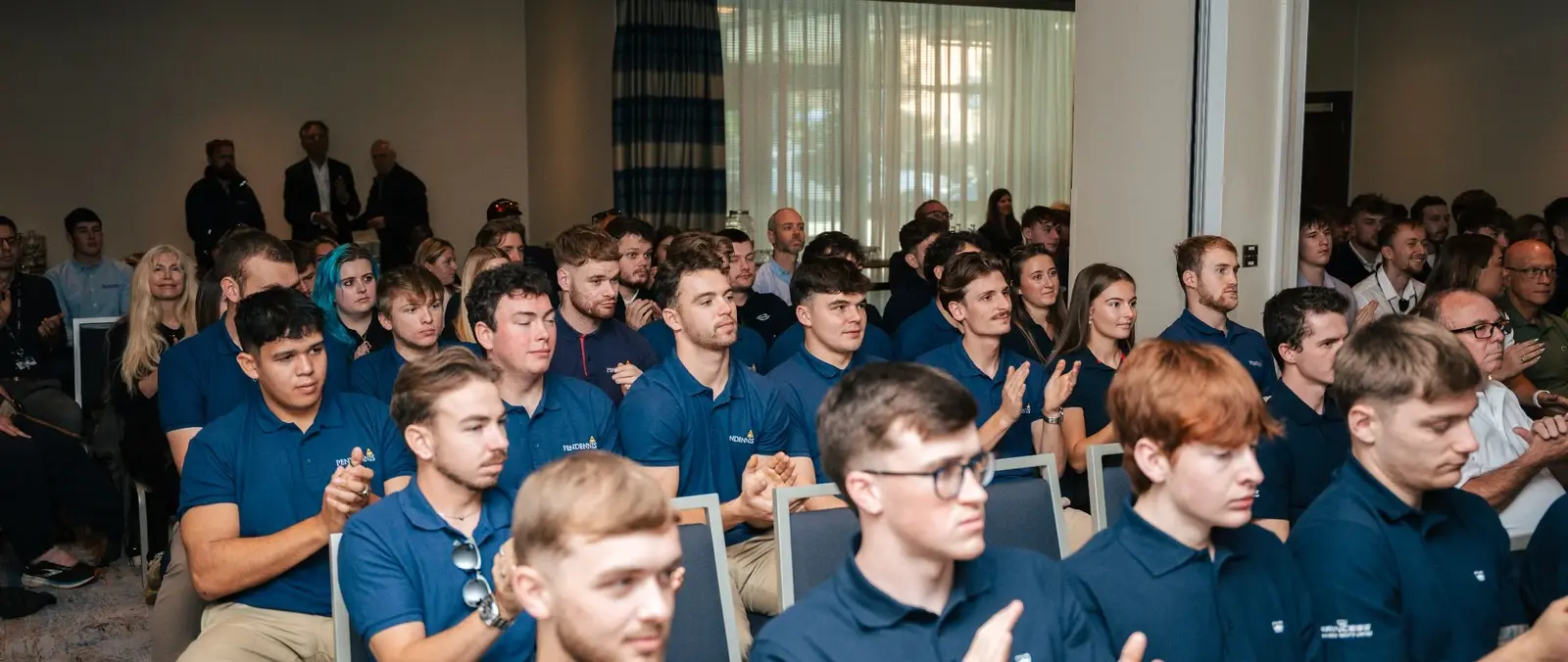
Pendennis offers one example of how a yard can turn training into long-term workforce strategy. Its apprenticeship programme has trained almost 400 people over 27 years, reports a 90% retention rate after graduation and accounts for just under one third of the company's current workforce.
The programme also shows that apprenticeships are not simply a source of entry-level labour. Pendennis says former apprentices have progressed into roles including project engineers, trade managers and project managers, creating an internal route from workshop skills to the people who control increasingly complex yacht programmes.
The most valuable shore hires often combine technical knowledge with an understanding of life on board. Refit project management, warranty work, owner representation and technical consultancy all benefit from people who know what a captain or engineer needs from a yard because they have previously occupied those positions themselves.
Every successful move ashore therefore has a double effect on the labour market. The company gains operational judgement that is difficult to teach, while the active fleet loses an experienced person who may take years to replace at the same level.
The demand is not coming only from yards. ICOMIA reported that 89 professionals had completed the Yacht Owner's Representative Program by early 2026, with the programme supported by Superyacht Alliance member shipyards and delivered at different yards.
Owner representatives sit between clients, designers, builders, surveyors and technical teams, so the role rewards people who can translate between operational and commercial worlds. As yachts become more complex, that ability turns experienced personnel into an asset for family offices and project teams as well as for the vessels themselves.
The workforce divide is increasingly between companies able to create skills and those forced to buy them on an already tight market. Large yards can sustain multi-year apprenticeship schemes, mentors and structured progression, while smaller suppliers may struggle to fund training when the immediate pressure is to deliver today's work.
For superyachting, labour capacity is becoming as strategic as dock space or an order book. The companies that can recruit, train and retain technical people will be able to accept more complicated work, while those that cannot may discover that demand is plentiful but the human capacity to turn it into revenue is not.
Explore
Go deeper into the yachts, companies, events and destinations directly connected to this article.
Continue reading
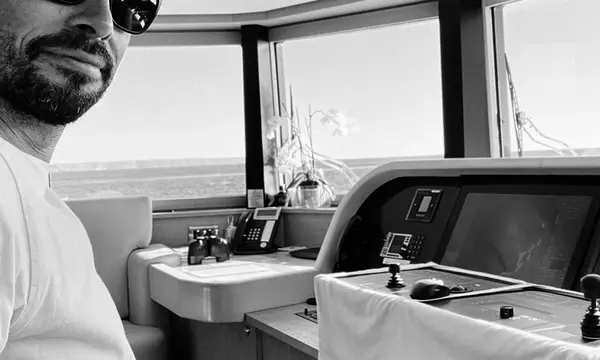
Captain-developed software from Helmwise turns crew notes and handover material into structured records, addressing the loss of operational knowledge when superyacht personnel rotate.
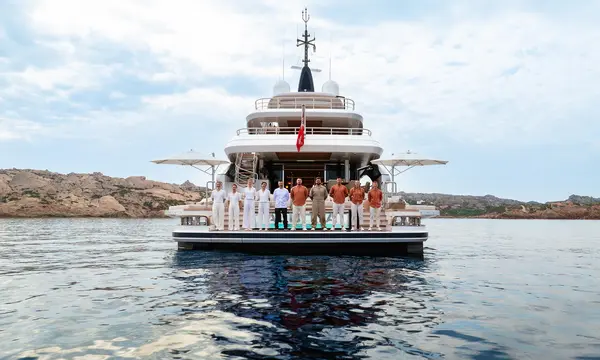
TWW Yachts has launched its 2026 Crew Awards programme, creating four categories covering teamwork, guest experience, individual contribution and onboard content.

D-Marin is positioning winter home ports around crew welfare as well as yacht operations, combining community, wellness, shoreside access and digital administration.
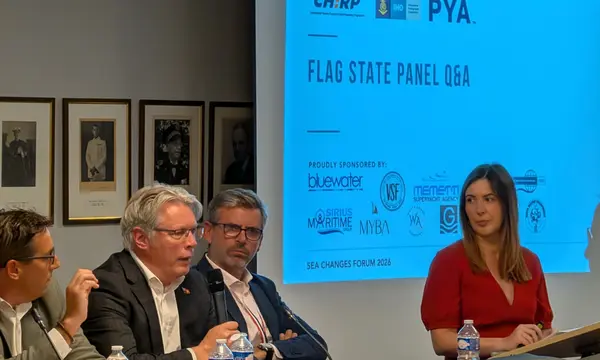
The PYA’s post-event Sea Changes Forum report brings together flag-state safety updates, crew-training priorities, MLC developments and environmental responsibilities for professional yachts.
Superyacht Guide
Continue into the wider Superyacht Guide.
Business opportunities · Superyacht Guide
Companies serving the superyacht market can discuss clearly identified advertising, sponsorship and business-profile opportunities. Commercial activity remains separate from independent editorial coverage.