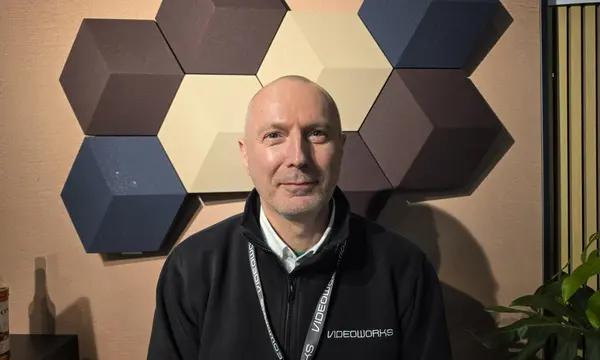
Beneteau chief Bruno Thivoyon says electric propulsion technology could eventually add only 1–3% to boat prices as the group works with Fountaine Pajot on common standards.
A cost target, not a price available today
Beneteau Group chief executive Bruno Thivoyon says the company and Fountaine Pajot are working toward bringing the cost of electric propulsion substantially closer to conventional systems, with a long-term ambition for the resulting premium to represent only about one to three percent of a boat's total price. In an interview published on 25 November 2026, he also described plans for shared technical standards and a broader programme of new models.
The numbers require careful interpretation. Thivoyon was outlining a future cost target rather than announcing that a customer can already buy an electric Beneteau for a one-percent supplement. The current propulsion-system premium and its effect on the price of an entire yacht are different measures, and the distinction is central to the company's strategy.
The current propulsion system remains more expensive
According to the executive's interview with SUPER YACHT 24, electric propulsion systems currently cost around 50 to 70 percent more than comparable conventional equipment in the relevant product context. That figure applies to the propulsion system, not to the complete boat. Quoting it as a 70-percent higher yacht purchase price would misrepresent the original statement.
The objective is to bring the propulsion-system difference to below ten percent, while the overall boat price might ultimately differ by roughly one to three percent once installation and larger battery requirements are accounted for. These are commercial and engineering ambitions whose achievement depends on development and production scale.
Why trust is the central hurdle
Thivoyon identifies owner confidence as a major barrier to wider adoption. On land, a driver may be able to stop and seek help when a system becomes unreliable. At sea, operators need to trust that propulsion, energy reserves and monitoring will support a safe return under the conditions of the voyage.
Confidence depends on repeatable performance, accessible service and clear operating procedures. A technically impressive demonstration at a boat show is not enough. Owners will want evidence of reliability under normal and adverse conditions, and charter operators must consider how unfamiliar customers understand a vessel's limitations.
Shared standards could change maintenance
Beneteau and Fountaine Pajot are aligning parts of their electric-propulsion technology roadmaps to help create common standards. Thivoyon says fragmented proprietary systems make maintenance and operation more complex for owners and charter fleets. An approach that different builders can support would potentially simplify training, servicing and component availability.
Standardisation cannot be assumed simply because two manufacturers announce cooperation. Technical specifications, compatibility, service networks and commercial agreements will need to emerge through development. The interview describes an ambition for an industry-wide approach, not a fully ratified rule adopted by every shipyard.
Two different electrical architectures
The interview distinguishes lower-voltage solutions for smaller craft from high-voltage systems being developed for larger boats. Beneteau has experience with 48-volt architectures, while Fountaine Pajot has progressed with high-voltage applications. The partners intend to align their experience rather than insist that one system suits all vessel sizes.
Voltage affects equipment design, electrical protection and maintenance requirements. Neither approach is automatically more efficient or appropriate in every installation. A yacht owner should examine the actual power demand, safety arrangements and intended operating pattern instead of choosing solely on a headline electrical specification.
Energy management matters beyond propulsion
Electrical systems aboard a boat serve more than the propeller. Refrigeration, navigation electronics, lighting, air conditioning and other hotel loads may draw energy whenever guests are aboard. Good system design must account for the entire demand pattern, including time at anchor and periods when the yacht is not travelling.
A change in the propulsion motor does not remove these loads. Battery capacity, charging opportunities and generator arrangements can all influence how an electric or hybrid yacht behaves in practice. The appeal of quiet operation must be balanced against realistic energy reserves and the charging infrastructure available along the planned route.
A 2030 market ambition
Thivoyon discussed a shared aspiration with Fountaine Pajot for electric sailing craft to account for approximately ten to fifteen percent of the relevant sailing market by 2030. This is a forward-looking industry ambition, not a measured 2026 market share or a guarantee that adoption will reach the target.
Market uptake depends on price, confidence, available equipment and how customers actually use their boats. A day sailor operating near reliable shore charging faces different requirements from an ocean cruiser visiting remote anchorages. Targets should therefore be evaluated against the range of intended applications, not applied uniformly to every yacht.
Research and production models must connect
A technology programme can produce promising components without creating a reliable product that owners can order and maintain. The challenge for a builder is to bring engineering work into standard production, ensure technicians can service the equipment and provide documentation that remains useful throughout the boat's life.
The company's focus on common technical approaches suggests recognition of that difficulty. The benefit to owners would be clearer specifications and support rather than a collection of incompatible demonstrations. Independent evidence from delivered and regularly operated boats will ultimately be more persuasive than forecasts.
Drag reduction is another part of the plan
The chief executive also discussed reducing hydrodynamic resistance through naval architecture. Lower drag can reduce the energy required to move a vessel, regardless of whether its propulsion relies on diesel, electricity or a hybrid combination. This gives design work a role alongside batteries and motors in the company's broader efficiency efforts.
A more efficient hull does not guarantee the same reduction in every operating condition. Performance depends on speed, displacement, sea state and loading. A credible claim should be supported by measurements for a defined boat and duty cycle rather than described as a universal saving.
Materials and life-cycle thinking
Beneteau is investigating lower-carbon resins, alternatives for non-structural components and recyclable materials. Thivoyon referred to technical ideas moving from offshore racing into production multihulls. Such transfer can be valuable, but materials must still meet the requirements of the vessels in which they are used.
Environmental improvement needs more than changing one material. Production energy, durability, repairs, replacement cycles and end-of-life treatment can all affect the overall result. The interview outlines areas of development without presenting a completed independent life-cycle assessment for every new model.
New models provide a commercial backdrop
The group plans 66 new or substantially renewed models between 2025 and 2027. Thivoyon says 24 products were introduced in 2026, part of a strategy to stimulate demand after a difficult period for recreational boating. The range refresh is not limited to electric craft: it spans several brands and customer categories.
The executive also cites strong early contributions from recently introduced products. Those are company comments about its commercial strategy, not audited evidence that electrification alone is driving sales. Customers should distinguish a product-cycle decision from a propulsion-specific announcement.
Several brands with different customers
The group's portfolio includes Beneteau, Jeanneau, Lagoon, Prestige, Delphia, Excess and Wellcraft. Their users have different expectations for size, speed, comfort and operating conditions. A technology that fits a smaller sailing cruiser may need considerable adaptation before use in a large motor yacht or a charter-oriented catamaran.
The company's approach acknowledges these differences rather than claiming one universal electric powertrain. Business and engineering teams will need to decide which platforms receive new equipment first and how each application can be supported.
The charter market will test the concept
Charter fleets can provide repeated real-world operating experience, but they also place high demands on reliability and service response. Operators must turn boats around, explain their limitations to guests and maintain consistent availability. An electrical fault can affect a schedule as well as an individual owner's convenience.
A shared technology standard could help fleet managers, provided components are available and technicians are trained. That potential remains conditional. The interview does not announce a completed fleet-wide conversion or a guarantee that charter companies will adopt particular equipment by a fixed date.
Premium offerings face the same operating realities
Beneteau's executive sees value in strengthening the group's premium range, with customers seeking comfort, stability and services in addition to space. Larger yachts can offer more room for batteries and technical systems, but they may also carry heavier hotel loads and more complex equipment.
Moving upmarket does not automatically make electric propulsion easier. Owners evaluating large vessels should ask about realistic range, charging, service networks and whether a proposed design still meets their preferred cruising programme. These decisions should be based on specific specifications rather than the reputation of a technology.
The multihull market is changing
The interview describes a distinction between sailing catamarans, whose charter demand expanded during and after the pandemic before moderating, and motor catamarans attracting interest for stability and interior volume. This market difference can influence which platforms justify investment in new electrical systems.
A multihull can offer space for machinery and accommodation, but each hull and propulsion arrangement presents its own engineering challenges. The market's interest in more comfortable displacement cruising is relevant to energy management, although a change in customer preferences does not prove that every future multihull will be electric.
A customer's questions should remain practical
Prospective owners should ask for a clear definition of the electric operating modes, realistic endurance, expected charging time and the effect of heating or air conditioning on available energy. They should also establish who provides service support outside major yacht centres, what warranties apply and how batteries will be inspected or replaced.
The true financial comparison must include initial purchase price, operating costs, maintenance and resale assumptions over a defined period. A forecast one-to-three-percent purchase premium cannot replace that calculation, particularly before production prices and long-term service records exist.
What the interview establishes today
The executive has outlined a strategy built around cost reduction, shared standards, 48-volt and high-voltage systems, efficient hulls and a broad model-renewal programme. He has not announced that the target price gap is already achieved or that a specified electric Beneteau is available at the projected premium.
The distinction is important to public confidence. Clear, measured progress can help owners evaluate developing technology without overstating what is currently offered. The marine industry will be better served by actual product specifications and operational evidence than by unqualified forecasts.
The next milestone for electrification
The meaningful next news will be the release of production models with documented electrical performance, transparent prices and a demonstrated maintenance system. As Beneteau and Fountaine Pajot advance their cooperation, the success of the approach will depend on whether boat owners can use the technology safely and practically.
For now, Thivoyon's statement gives a concrete long-term cost objective and identifies why adoption remains challenging. It is a significant signal from a major builder, but the promised narrowing of the price gap must still be demonstrated through products delivered to customers.