

Company
Yanmar Marine International
Explore the company profile and related Superyacht Guide coverage.
YANMAR Details Four-Mode YF12e Hybrid Propulsion System — licensed SYG News 26Nov batch05
YANMAR has launched the YF12e four-mode hybrid propulsion package for 40–50ft displacement boats, bringing electric operation, diesel power and charging.
YANMAR Marine International has formally introduced the YF12e Hybrid, a fully integrated propulsion package designed to help boatbuilders combine conventional diesel operation with electric propulsion and onboard electricity generation. In its official 17 November announcement, the marine engine manufacturer describes four selectable operating modes for displacement boats measuring around 40–50 feet. The system brings together a YANMAR combustion engine, hybrid marine gear, electric motor, lithium-ion battery, controls and a dedicated five-inch display. The development offers a practical look at how marine equipment makers are trying to remove the complexity that can discourage smaller boatbuilders from adopting hybrid propulsion.
The YF12e has diesel-only, electric-only, hybrid propulsion and generator modes. Each serves a different purpose. Conventional diesel propulsion can provide the operating flexibility associated with a combustion engine, while electric-only mode can be useful when a skipper wants quieter low-speed movement. Hybrid operation combines elements of the two systems, subject to the controls and available battery energy. Generator mode makes it possible to produce electrical power for onboard requirements.
The company presents this flexibility as a single matched package rather than a collection of unrelated components. That distinction matters because propulsion engineering involves the engine, gearbox, motor and control logic working together under changing loads. A buyer should nevertheless ask how each mode is selected, what transitions feel like and whether the arrangement is suitable for the vessel's intended operating profile.
YANMAR says the system is engineered for displacement vessels between 40 and 50 feet. That is approximately 12 to 15 metres, a very different category from the 40–50-metre superyachts that often feature in brokerage and shipyard reporting. The source announcement does not claim that YF12e can replace the main engines aboard a large motor yacht, nor should its electrical output be interpreted in that way.
The relevance to superyacht professionals is more indirect. Some owner fleets include small cruising boats, support vessels or specialised craft; equipment companies serving those markets can influence expectations about integrated controls and reliable service. The product may also illustrate engineering principles that are being investigated across the wider leisure-marine sector. Suitability for any specific tender or auxiliary craft requires a proper installation study.
At the heart of the arrangement is YANMAR's KM-70HEA hybrid marine gear, coupled with an electric motor and VC30 control system. The official product description refers to a patented two-clutch transmission designed to select a suitable motor speed for propulsion and battery charging. The mechanical integration is important because an installation must handle torque and changes in operating load without compromising reliability.
For shipyards, purchasing a predefined combination may reduce some coordination work compared with integrating an engine, motor and gearbox from multiple suppliers. It does not remove the need to design foundations, shafts, cooling, electrical protection and installation access for the particular hull. A fully integrated product remains part of a larger vessel system, and those interfaces deserve careful review.
YANMAR gives an electric propulsion output of up to 12.1 kWe. This is a stated product capability, not a claim about the speed or range of every boat in which it might be installed. Battery size, hull resistance, weather, fouling and the intended operating speed all affect what an owner will achieve. A buyer should request a predicted performance profile based on the vessel rather than derive one from the electrical power figure alone.
Electric-only mode also changes the onboard sound environment. Reduced engine noise may be valuable when leaving a quiet berth or moving through sheltered water, subject to applicable rules. But an electric motor does not mean the boat is entirely silent, and electric operation has an energy cost. The overall environmental impact also depends on how the batteries are charged.
The company states that the combustion engine can provide up to 10.5 kWe of electrical power while the vessel is underway in the relevant operating configuration. This could reduce reliance on a separate generator during certain passages, depending on electrical demand and the installation. The number should not be confused with the output available from the battery or with a promise of simultaneous maximum propulsion and electrical generation.
A vessel's hotel loads can vary considerably. Refrigeration, pumps, electronics and air-conditioning may operate intermittently, and battery charging creates additional demand. Before deciding whether a separate generator is necessary, an owner should request a load analysis covering both typical and peak requirements. A manufacturer announcement provides a starting point, but it is not an electrical design for every boat.
The official release identifies a lithium-ion battery as a component of the YF12e. Battery chemistry can offer high energy density and flexible operation, but safe installation and monitoring require careful attention. Ventilation, thermal management, protection devices, compartment design and emergency procedures can all influence how a marine battery system is specified.
The announcement does not provide every battery specification, installation drawing or classification requirement in its public summary. Owners should therefore consult YANMAR's approved technical documentation and qualified installers. It would be inappropriate to assume that all batteries bearing the same broad chemistry can be substituted or charged using identical procedures.
YANMAR says the package is engineered under a single warranty and supported by its international service network. In principle, this gives boatbuilders a clearer route to technical support when several components interact. A hybrid system assembled from independent products can create uncertainty about which supplier is responsible if a fault involves both mechanical and electrical equipment.
A single warranty is useful only when customers understand its terms. Coverage periods, exclusions, authorised installation requirements and service arrangements can differ. Buyers should obtain current written details and confirm whether local technicians are qualified to maintain the particular hybrid package. Brand recognition alone does not establish immediate availability of parts in every cruising region.
An integrated five-inch touchscreen allows operators to see propulsion mode, motor and engine information, battery charge and power flow. This type of feedback can help a skipper understand why the system is using a particular power source. Clear information is particularly important when switching modes or evaluating whether sufficient stored energy remains for a planned low-speed manoeuvre.
The interface should not become a substitute for essential instruments or safe operating procedures. Crew members need to know how the system behaves if a sensor fails, what alerts mean and which actions are available without the display. Training and documentation remain part of commissioning even when the software has been designed for intuitive use.
The manufacturer says YF12e can be combined with seven YANMAR common-rail engine models. This offers boatbuilders some flexibility when matching power requirements to displacement and intended service. However, compatibility with several engines does not establish that every model is appropriate for every hull or installation.
Engine selection depends on power and torque curves, vessel loading, propeller characteristics and regulatory requirements. A yacht designer or marine engineer should verify the approved combinations and obtain current installation guidance. An engine's nominal output alone does not define how comfortably or efficiently it will operate in real sea conditions.
Hybrid systems are often discussed exclusively in terms of propulsion, but an important aspect of YF12e is its relationship with domestic electricity. A boat may spend substantial time at anchor, moving slowly or cruising at moderate speed, with different demands on propulsion and hotel services. Being able to manage those demands as part of one system can be attractive.
The engineering challenge lies in balancing them. Using the propulsion engine to charge batteries imposes an energy cost, and switching between modes should be assessed with real operating data. An owner should not assume that the word hybrid guarantees a particular percentage of fuel saving. Results depend on the vessel and the decisions made by its crew.
The YF12e includes a conventional combustion engine, which remains relevant for range and operating flexibility. This is not an all-electric propulsion announcement. It represents an intermediate engineering approach that allows operators to select different modes according to circumstances. YANMAR also places the product within a broader portfolio that includes HVO-compatible diesel engines and SDe electric saildrives.
Those technologies should not be conflated. HVO compatibility concerns fuel and engine approval, while electric saildrive and hybrid gearbox solutions involve different equipment arrangements. Buyers should assess the specific product they are considering rather than assume that every sustainability claim applies to the full product range.
A boatbuilder considering YF12e should begin with a naval architectural and propulsion assessment. Relevant factors include displacement, intended speed, operating range, electrical demand, propulsion geometry and installation constraints. Because batteries and power electronics have their own weight and space requirements, they must be included in the vessel's load and stability calculations.
The supplier's claim of an integrated system can simplify procurement, but engineering remains essential. Warranty conditions, access for maintenance and regulatory approval should all be addressed before construction. If an owner is considering a retrofit rather than a new build, the available space and existing systems may impose additional constraints.
Large superyachts are not the target application described in this announcement. Nonetheless, their owners and support businesses often use smaller craft, and the wider market for specialist marine components can influence maintenance practices and buyer expectations. A manufacturer that develops integrated engine, battery and control packages may also gain experience in support and diagnostics that is relevant across different vessel categories.
It would be inaccurate to present the YF12e as a certified propulsion solution for every superyacht tender. The appropriate role is a potential technology option within the smaller displacement-boat category, subject to the supplier's specifications. Professional reporting should preserve that scale distinction even when exploring broader industry implications.
The verified announcement is that YANMAR has launched a four-mode hybrid package for 40–50-foot displacement boats, using the KM-70HEA gearbox, an electric motor, battery and VC30 controls. The company reports up to 12.1 kWe of electric propulsion capability and up to 10.5 kWe of generation while underway, with seven compatible common-rail engines and a five-inch display.
These details are substantial enough to interest boatbuilders and marine engineers, while leaving performance on a specific hull to further evaluation. The central development is an effort to make hybrid propulsion a more complete and serviceable purchase. Whether it delivers commercial and environmental benefits for a particular owner will depend on installation quality, realistic operating assumptions and long-term support.
Primary source: YANMAR Marine International announcement, 17 November 2026, reproduced by Marine Business News.
Further information: YANMAR Marine International original 17 November release (original source URL).
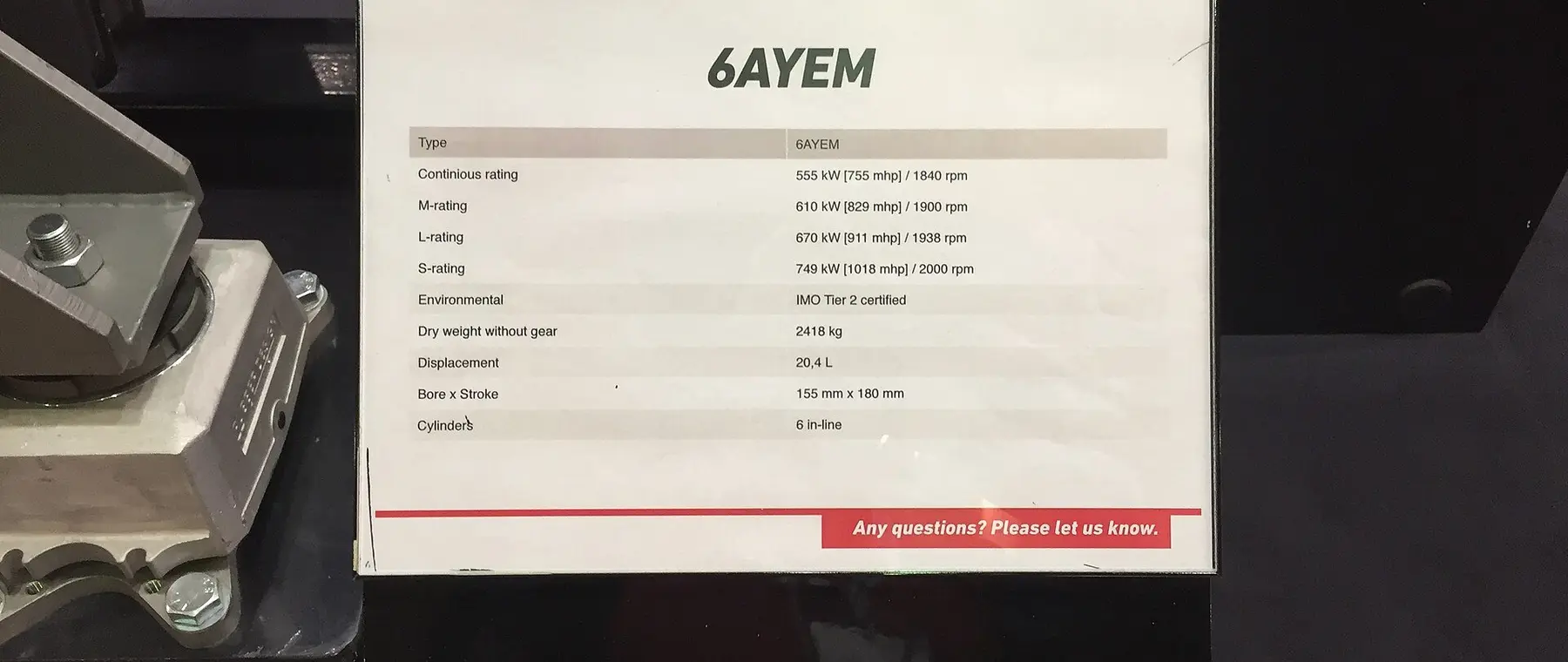
Licensed archival YANMAR diesel engine photo; not the new YF12e hybrid package Photo: S.J. de Waard; CC BY-SA 3.0 via Wikimedia Commons. Official source.
Explore
Go deeper into the yachts, companies, events and destinations directly connected to this article.
Company
Explore the company profile and related Superyacht Guide coverage.
Continue reading
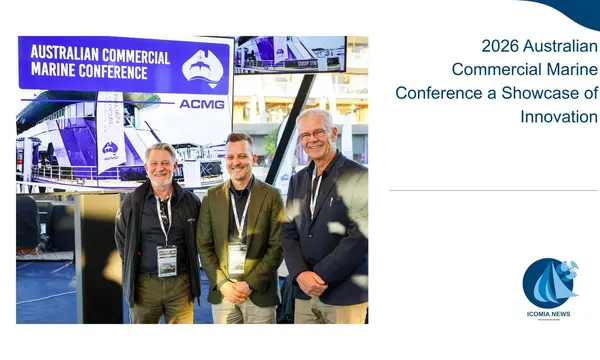
ICOMIA reports the Australian Commercial Marine Conference 2026, with technical presentations on electric propulsion, ventilation, trim systems and marine services.
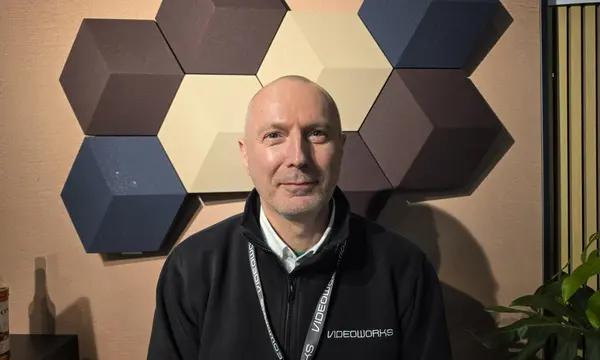
Videoworks’ Paolo Tagliapietra explains Starlink and OneWeb redundancy, varying maritime service permissions, satellite costs and yacht cybersecurity.
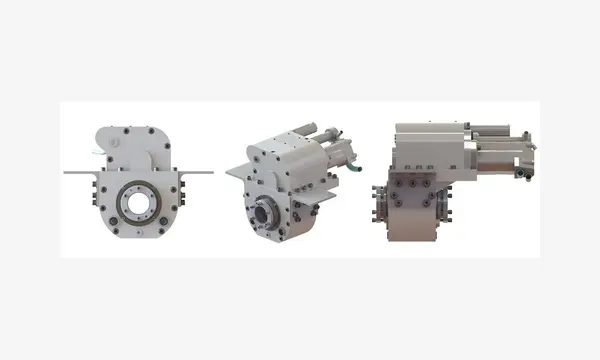
ABT-TRAC's Get Home Drive uses a hydraulic motor and main shaft to provide alternative forward or reverse movement if primary propulsion is disabled.
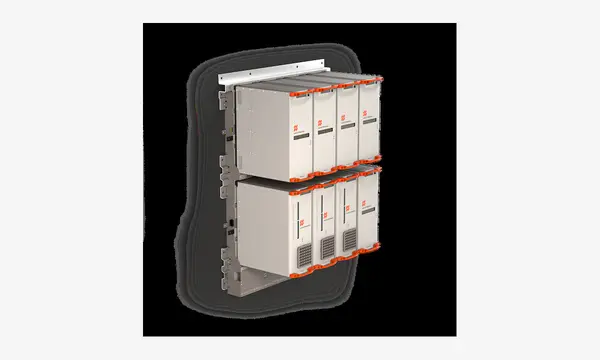
HikoTerra's H4 integrated hybrid power system gains a DAME 2026 special mention, highlighting battery-first energy architecture for superyacht projects.
Superyacht Guide
Continue into the wider Superyacht Guide.
Business opportunities · Superyacht Guide
Companies serving the superyacht market can discuss clearly identified advertising, sponsorship and business-profile opportunities. Commercial activity remains separate from independent editorial coverage.