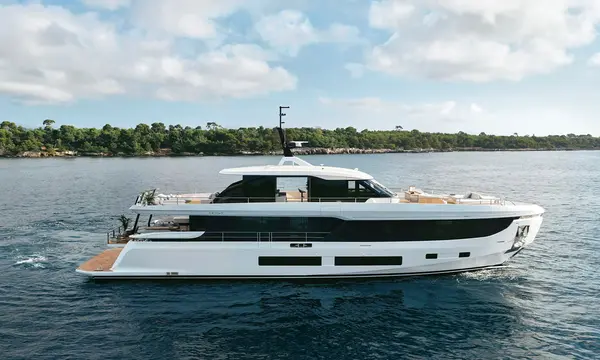
Azimut Confirms Grande 30M and Magellano 30M at Fort Lauderdale 2026
Azimut confirms two existing models will be showcased at the upcoming Fort Lauderdale yacht show, highlighting their distinct design and performance features.
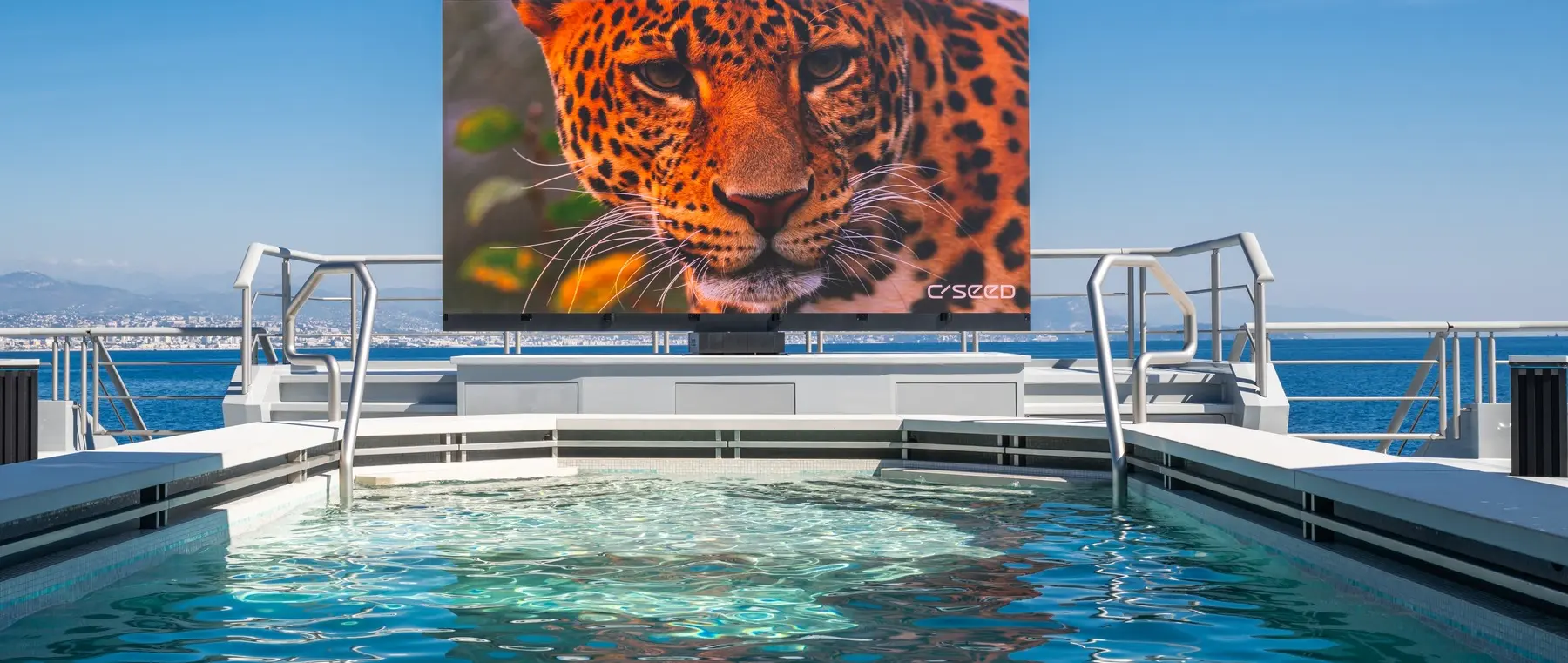
Image: C SEED — official project photograph of Supermarine 201 HLR aboard Oceanco Leviathan, October 2026
C SEED has shown its Supermarine 201 HLR retractable outdoor MicroLED screen integrated aboard Oceanco's 111-metre Leviathan, pairing large-format viewing with a clear deck when stowed.
Specialist display maker C SEED has disclosed an installation of its Supermarine 201 HLR retractable MicroLED television aboard the 111-metre Oceanco superyacht Leviathan. The manufacturer’s newly published images and description show a substantial outdoor entertainment system conceived to integrate into the architecture of the deck rather than occupy the view all day.
The distinction is central to the appeal of the system. Yacht exteriors are carefully designed around the horizon, sightlines and circulation, and even desirable equipment can compromise the experience if it remains permanently visible. C SEED’s approach is to let a large display rise when guests want a shared viewing experience and retract below the surface when the surrounding seascape should take precedence.
This is a confirmed installed system on a delivered yacht, not a design concept or an artist’s impression of a proposed entertainment deck. C SEED names Leviathan and identifies the retractable Supermarine installation in its own case study. That evidence is more useful to prospective clients than a generic catalogue rendering because it shows the technology being incorporated into a working vessel.
C SEED identifies the installation as a 201-inch MicroLED display, a diagonal size equivalent to approximately 5.1 metres. The maker says the assembly can rotate through 180 degrees, enabling viewing arrangements to change around the deck. Its screen is designed for daytime visibility as well as evening cinema-style use, although real-world performance will depend on surrounding light and the chosen content.
MicroLED technology produces images with numerous tiny light-emitting elements, avoiding the single projector beam and screen arrangement often associated with outdoor cinema. The result can offer strong contrast and brightness in a large flat panel. However, size and brightness alone do not settle suitability: viewing distance, wind, glare, heat and crew procedures must all be assessed in the actual yacht layout.
The spectacular element is the transformation. The screen emerges from a dedicated compartment, unfolds for use and then retracts, leaving the deck clear of a tall structure. C SEED describes the general Supermarine range as engineered around controlled vertical and horizontal movement. The exact structural dimensions and service allowances for Leviathan’s installation have not been published in the case-study description.
Integrating a very large television aboard a superyacht is as much a naval-architecture and operational task as an audiovisual decision. Deck structure must accommodate moving equipment, any housing below the surface and accessible maintenance arrangements. When exposed, the mechanism and screen must operate within limits established for the vessel and for the equipment manufacturer.
For a new build, these considerations can be resolved early enough to protect the designer’s broader intent. A refit may face additional complications because space, structure, drainage routes and cabling already exist. That difference makes the timing of an entertainment-system decision important: a large foldaway screen cannot simply be treated as a portable consumer appliance.
The Leviathan installation is particularly interesting because Oceanco presented the yacht as a 111-metre diesel-electric project developed around an individual owner’s operational philosophy. In its own launch communication, the yard emphasised practical decisions and crew input. A retractable display fits the broader principle of equipment serving a chosen use without dictating how every other activity must be organised.
C SEED says the Supermarine product is designed for marine exposure, including salt, humidity and ultraviolet radiation. Those are necessary design concerns on an exposed deck, where ordinary household audiovisual equipment would be a poor comparison. But environmental resistance does not eliminate maintenance, nor does it imply that the screen can remain deployed through every wind or sea condition.
Owners evaluating a similar installation should request the detailed operating envelope, service schedule and procedures for moving and securing the system. The crew will need to know when use is permitted, how to deal with an interrupted folding cycle and which checks are required after rough weather or significant salt exposure. These practical questions deserve attention before an architectural aperture is finalised.
Audio is another major consideration. An open deck has very different acoustic behaviour from an enclosed cinema, with wind and neighbouring guests potentially affecting enjoyment. Equipment placement should support clear listening at the intended seats without making adjacent private spaces unpleasant. A successful yacht installation therefore depends on more than the specifications of its visual display.
The appeal of Leviathan’s arrangement is its ability to change the social purpose of a space. An owner might want a major sporting event, a film for guests or an outdoor presentation on one evening, then prefer an uncluttered deck for breakfast the next morning. A deployable screen can help accommodate both uses without requiring a permanent wall of pixels.
Such flexibility has become an important design theme in yacht interiors and exteriors. Rooms increasingly serve more than one function, and technologies that disappear can be more valuable than objects displayed continuously. The challenge is to ensure that concealment does not create fragile complexity or an excessive burden for the engineers and crew who maintain it.
C SEED’s images give a tangible example of how the equipment looks aboard a very large yacht, but they do not establish whether the same model would be appropriate on every vessel. The available deck area, arrangement of seating, weight allowance, structural reinforcement and operating profile should determine whether a retractable installation makes sense for a particular commission.
Before specifying equipment of this scale, a project team should request installation drawings, electrical requirements, integration interfaces, access for maintenance and confirmation of environmental ratings directly from the supplier. Operational limits and warranty terms matter alongside picture quality. The discussion should include the exterior designer, naval architect, electrical engineer, audiovisual integrator and the captain’s team.
The cost and delivery programme of Leviathan’s particular installation have not been disclosed by C SEED in its case study. Nor has the supplier published a measured energy consumption comparison for this specific yacht in the announcement. It would therefore be misleading to infer a price, payback period or emissions effect from the headline screen size alone.
The notable development is more precise: a large-format retractable MicroLED display has been integrated aboard the existing Oceanco Leviathan, with a defined marine operating concept. For owners interested in adaptable exterior living, it is a case study that turns an ambitious design promise into a visible, installed example.
The installed screen, rotation and exterior integration are described in C SEED’s official Leviathan installation report, with general Supermarine system information from the manufacturer’s product page. Leviathan’s 111-metre identity and diesel-electric project context are corroborated by Oceanco’s own 2025 launch statement. Hero image: genuine C SEED project photograph of the Supermarine installation aboard Leviathan, from the manufacturer’s October 2026 media gallery, resized without cropping for editorial display.
Continue reading
Azimut confirms two existing models will be showcased at the upcoming Fort Lauderdale yacht show, highlighting their distinct design and performance features.
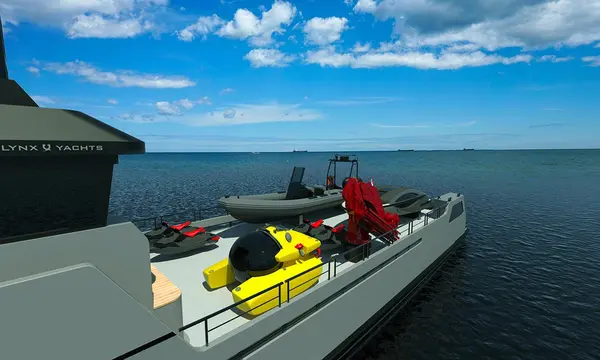
Technical guidance highlights YXT 34 deck and crane design for mission-specific operations.
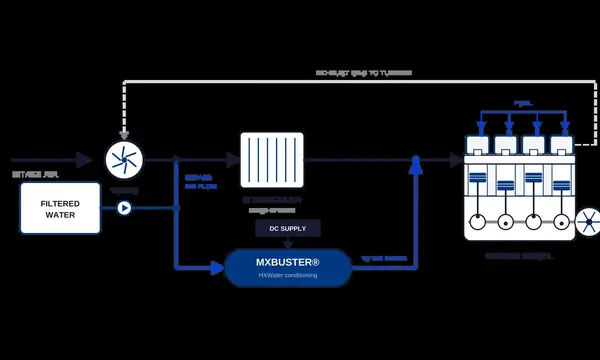
Feadship has joined AtomicOne to offer the MXBuster combustion-optimisation system to yachts above 30 metres after more than a year of onboard operation.
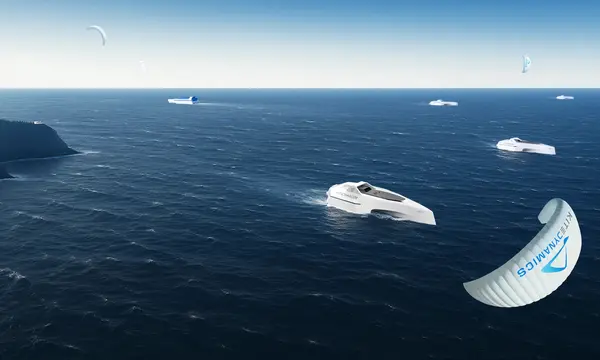
Kite Dynamics is testing kite-driven propulsion and energy generation that could eventually supplement the electrical and cruising systems of large yachts.
Superyacht Guide
Continue into the wider Superyacht Guide.
Business opportunities · Superyacht Guide
Companies serving the superyacht market can discuss clearly identified advertising, sponsorship and business-profile opportunities. Commercial activity remains separate from independent editorial coverage.