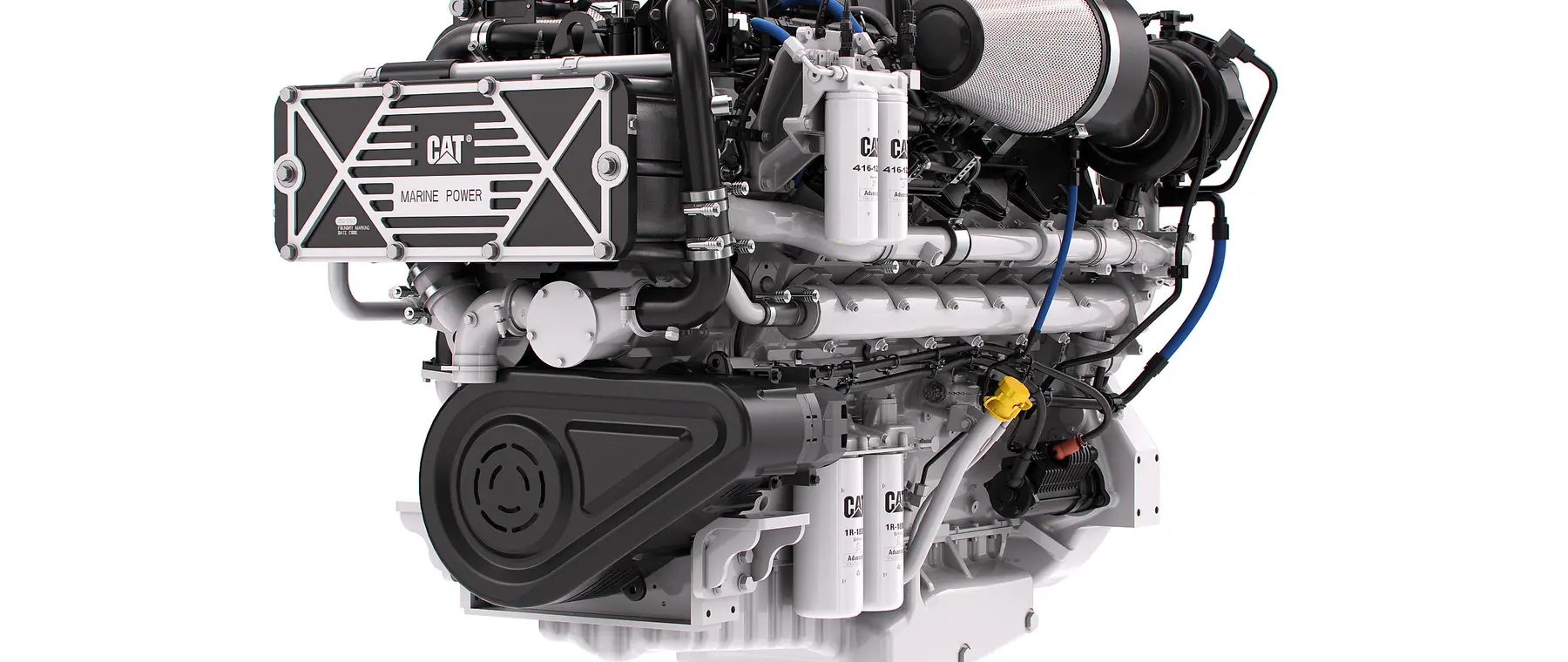
Caterpillar Marine is highlighting the C32B Sequential Turbo in its 2026 yachting portfolio, with ratings up to 2,433 mhp and IMO III capability with SCR.
Caterpillar Marine has placed the C32B High Performance engine at the centre of a new September 2026 yachting update. The engine itself is an established Cat platform rather than a new launch this year, but Caterpillar is now positioning the Sequential Turbo version as a current solution for yacht builders seeking high power density in a comparatively compact V12 package.
The 12 September update quotes ratings from 2,025 to 2,433 metric horsepower and emphasises acceleration, packaging and integration. Caterpillar’s detailed product specification gives the equivalent rated range as 1,800 to 2,400 bhp, or 1,342 to 1,790 bkW, at up to 2,300 rpm.
The C32B Sequential Turbo is a 32.1-litre, four-stroke V12 diesel with sequential turbocharging and aftercooling. Caterpillar says the turbo arrangement is designed to provide stronger low-speed response and rapid acceleration while maintaining the power density needed for performance-yacht installations.
Dry weight is listed at about 3,509kg, with overall dimensions of roughly 2.23 metres long, 1.47 metres wide and 1.48 metres high. For designers, those packaging figures are important because machinery-space volume competes directly with tankage, tender storage, crew areas and guest accommodation inside a yacht’s fixed hull envelope.
Caterpillar lists the engine for IMO II and IMO III applications, with selective catalytic reduction required for IMO III operation. The same product family is also listed against U.S. EPA Tier 3 recreational, RCD and China II requirements, giving yards several certification routes depending on where the finished yacht will operate and be registered.
The optional aftertreatment package adds equipment including SCR modules, DEF filtration and associated exhaust components. That means emissions compliance has to be considered during machinery-space engineering rather than added late in a build, particularly where access, heat management and service clearances are tightly constrained.
Caterpillar’s current yachting material presents propulsion alongside generator sets, controls, monitoring and global dealer support. The company is increasingly framing the offer as a complete integration and service package for builders and captains rather than treating the main engines as isolated pieces of machinery.
For superyacht projects, that systems approach can matter as much as the maximum power figure because propulsion, onboard electrical generation, controls and after-sales support remain interconnected throughout the vessel’s life. The C32B’s renewed 2026 prominence therefore reflects both its performance role and Caterpillar Marine’s wider attempt to package yacht power and support under one operating structure.
Explore
Go deeper into the yachts, companies, events and destinations directly connected to this article.
Continue reading
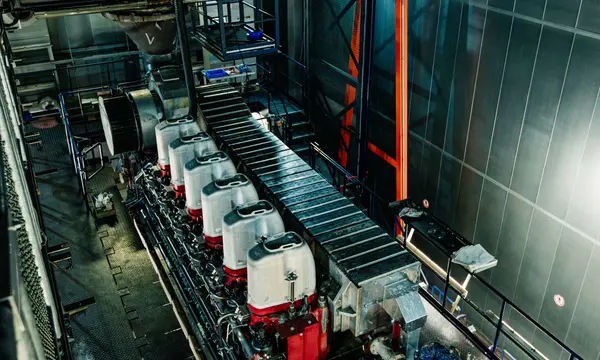
Caterpillar has received DNV Approval in Principle for a MaK fuel-blending conversion concept spanning M20 to M43 engines, with dual-fuel pathways including methanol.

Northrop & Johnson data shows global yacht charter starts up 20.8% through August 2026, while the market splits between late bookers and early 2027 …
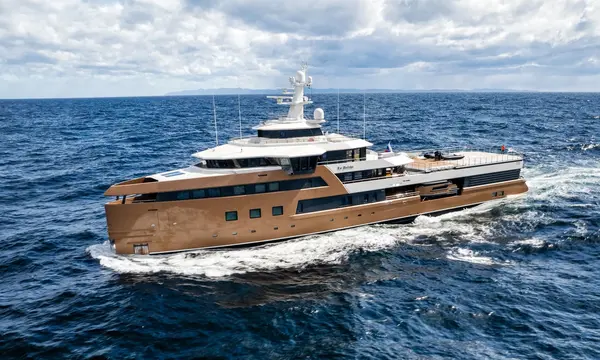
Damen Yachting confirms its 77m Xplorer La Datcha has received the Blue Ocean Club Charter Yacht of the Year 2026 title and the 70m-plus …
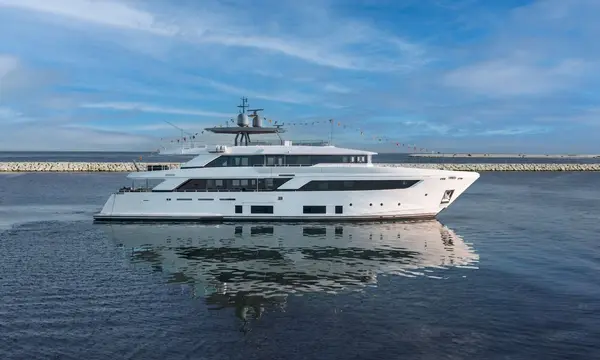
Fraser has introduced a 42m Custom Line Navetta 42 named Haiami I to its charter fleet ahead of planned 2027 delivery, with six guest …
Superyacht Guide
Continue into the wider Superyacht Guide.