
Rondal Marks 50 Years of Custom Superyacht Rig Engineering
Rondal's 50th-anniversary account traces the development of its custom aluminium and composite spars, from Endeavour's rig to modern large-yacht manufacturing.
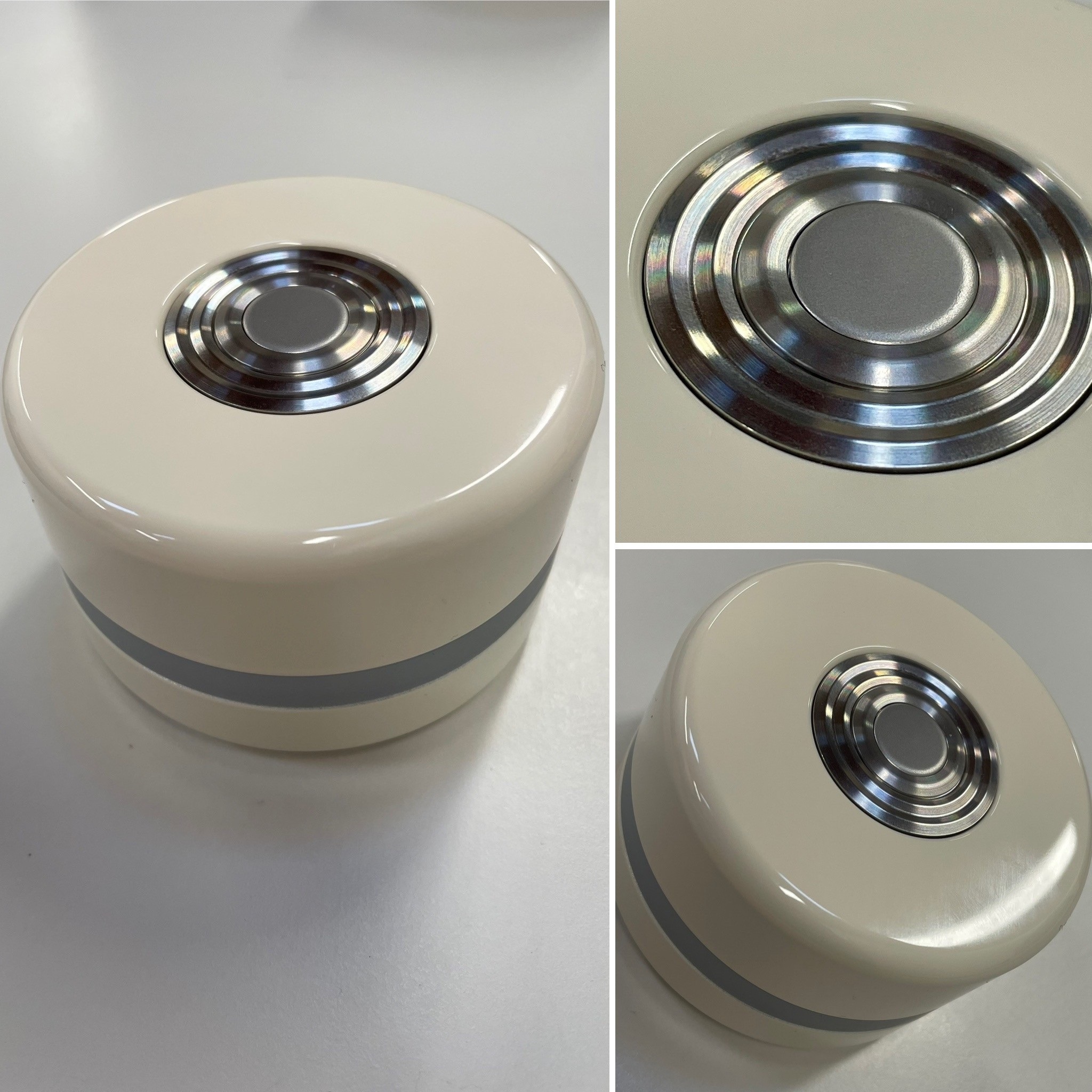
Channel 28 MORSE 2 tactile service call control official product photograph
Channel 28 expands its MORSE service-call system with tactile switches, offering superyacht designers and integrators a choice of physical or piezo controls.
Channel 28 has introduced a tactile switch option for its MORSE wireless service-call equipment, giving yacht designers and integrators a physical push-button alternative to the existing piezo interface. The specialist's announcement of 1 July 2026 appears in the METSTRADE exhibitor press archive and provides a relevant subject for this week's marine equipment coverage. The company describes the MORSE system as an established platform first developed in response to an enquiry from a yacht management company in 2016. The latest change concerns the interaction between a person and the control, rather than a completely new onboard communication network. For a large yacht, this is an important distinction. The physical appearance of a switch may be a consideration for the interior designer, but the practical value of the interface depends on its ability to communicate the intended request to the appropriate people. The design must also accommodate different users, the way the yacht is operated and the underlying equipment installed aboard the vessel. Channel 28 reports experience in communications projects for yachts between 40 and 160 metres.
The original MORSE controls use a piezo switch, which enables a sealed touch-sensitive interface. With such an arrangement, the absence of a conventional moving switch can influence both the appearance of the component and the experience of using it. The newly announced tactile version provides perceptible mechanical feedback when the button is pressed. The supplier also identifies the possibility of adding haptic feedback and coloured illumination. These different forms of feedback need to be considered separately. A physical sensation can indicate that someone has pressed a button, while a change in illumination might communicate a different state, depending on the programming of the system. Neither feature should be interpreted automatically as confirmation that a crew member has received or accepted a request. The meaning of each indication has to be established during the design and configuration of the application. An interior designer may prefer an unobtrusive appearance in a guest cabin, while the owner may favour a control that can be used confidently without concentrating on a screen. Offering both types can allow the interface to be selected on a more specific basis.
The compact MORSE 2 is designed for relatively straightforward service-call applications. The larger MORSE 5, introduced in 2024, offers a different arrangement and includes four additional buttons. Channel 28 specifies a diameter of 100 millimetres for the latter, with an eight-millimetre illuminated acrylic ring and a central switch measuring 35 millimetres. Its four recessed outer buttons measure 12 millimetres each. The central switch is now available in either touch-sensitive or tactile form. According to the company, the complete MORSE 5 assembly is rated IP67. The dimensions help establish the physical scale of the difference between the two products. The larger interface may support several functions from a single location, provided that their individual purposes are clear to the user. An installation specification should identify those functions and how they are represented on the finished control. The manufacturer's enclosure rating applies to the product under specified conditions and does not establish that the complete mounting arrangement is suitable for every exposed position aboard a yacht.
Both MORSE products use the yacht's Wi-Fi network to communicate with the selected control system. Channel 28 identifies integration options for Crestron Series 3 and Series 4 processors and connection to its cState UHF server. This means that the button operates as part of a wider system rather than providing a direct radio link to every crew member. The intended integration should be considered in relation to the control architecture already specified for the yacht or planned during refit. Coverage and the design of the wireless network may influence whether a control can operate reliably at a particular location. The electronic system must also be able to distinguish one call or function from another and associate those requests with the appropriate location. A designer should establish what happens if an interface or another network component becomes unavailable. The announcement does not provide a complete network diagram or establish compatibility with every existing yacht control installation. Its importance lies in identifying supported approaches that a specialist integrator can consider during development of a specific system.
The company describes several possible methods of communicating a service request once it reaches the control server. The MORSE application can display and permit acknowledgement of calls on compatible iPhones and iPads. Apple Watches can receive calls through associated iPhones. The system can also be integrated with professional UHF crew radio equipment, depending on the radio platform and handset specification. The attraction of these options is that a crew department might be able to receive requests on equipment already appropriate to its working environment. A member of the interior team may have different communication requirements from somebody attending to equipment elsewhere on the yacht. The choice should reflect the intended workflow and should not introduce unnecessary notifications to people who have no responsibility for the particular request. There may also be a need to establish how an unanswered or reassigned request is handled. The supplier identifies potential delivery methods but does not prescribe the operational arrangements for every crew. Those should be developed with the departments actually responsible for providing the service.
The MORSE controls can be specified with several metallic and painted finishes, including polished or brushed stainless steel, anodised aluminium and gloss RAL colours. Additional plating and PVD finishes are described as available on request. The company also offers customisation of illumination and other features. These options are relevant to the construction of yacht interiors where even small fittings may form part of a consistent material and colour scheme. The appearance of metal changes with its surface texture and the character of the surrounding light, making physical samples useful when a finish is selected. The designer should also examine the position and installation depth of the control within the furniture or panel. Access for servicing may be important if the fitting is to be integrated into a bespoke surface or a costly decorative material. A component should not be chosen exclusively on the basis of a rendering. The selected finish must be appropriate to the expected exposure, cleaning arrangements and the way in which the control is used.
A guest-service interface may support the efficient communication of ordinary hospitality requests, but it is important not to confuse that purpose with the vessel's emergency communications and alarm arrangements. Those systems may be subject to separate requirements, with functions that must be available under circumstances in which ordinary guest equipment cannot be relied upon. The Channel 28 release describes MORSE service calls and associated control integrations; it does not establish the product as a replacement for any mandatory alarm, emergency call system or independent means of summoning assistance. When specifying the control, the project team should identify how its purpose will be communicated to guests and crew. Where several functions are offered through the same fitting, their meaning should be apparent and appropriate to the users. Privacy and the protection of operational records are additional considerations when networked systems are connected to other yacht services. The public release does not give a complete security specification or describe the retention of records. Those matters need to be evaluated for the particular configured installation.
The addition of the tactile switch gives yacht owners and their designers another means of implementing an established service-call function. It does not require every yacht already using MORSE equipment to replace its existing controls or imply that all products previously installed can be modified without further work. An owner considering an upgrade should establish the compatibility of the proposed fitting with the equipment aboard, the desired visual and tactile appearance and the service workflow that it will support. Superyacht Guide has not tested the new interface or assessed the quality of its finishes. The announcement provides the supplier's description of the change and the wider system within which it operates. Its relevance in the context of METSTRADE is that it draws attention to a relatively small but frequently encountered element of the onboard experience. A well-specified service control should communicate its purpose clearly, integrate appropriately with the crew's working systems and remain practical to use and maintain throughout the life of the installation.
Primary source: Channel 28 official METSTRADE exhibitor announcement, 1 July 2026.
Further information: Channel 28 official MORSE product information.
Channel 28 / METSTRADE exhibitor press release. Official photograph of the MORSE tactile button. Official source.
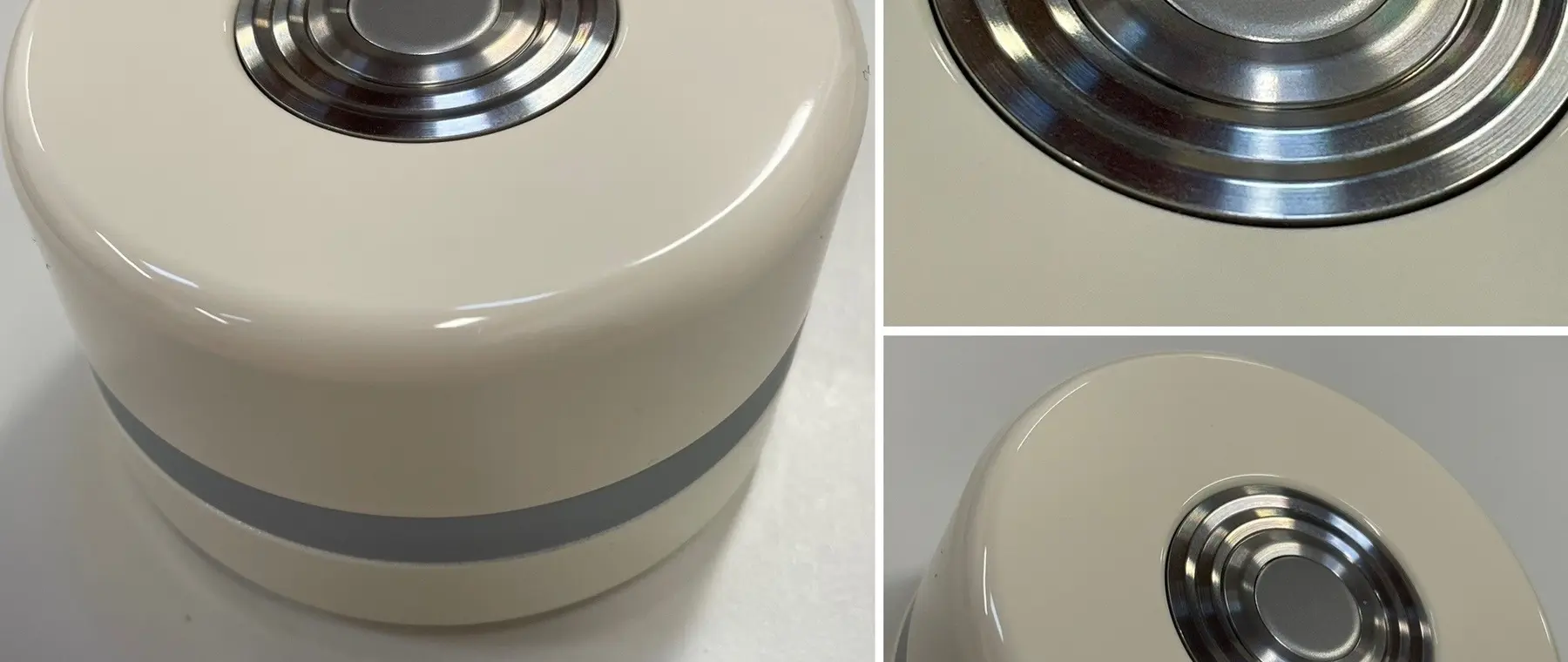
Channel 28 / METSTRADE exhibitor press release. Official photograph of the MORSE tactile button.
Continue reading
Rondal's 50th-anniversary account traces the development of its custom aluminium and composite spars, from Endeavour's rig to modern large-yacht manufacturing.
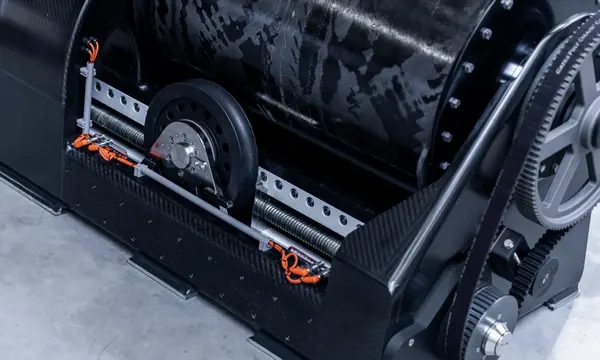
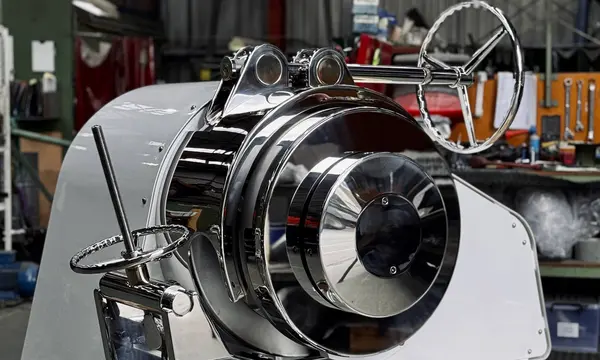
Rondal highlights captive winch technology at METSTRADE, tracing electric sail-handling advances and the move into remote-operated superyacht mooring systems.
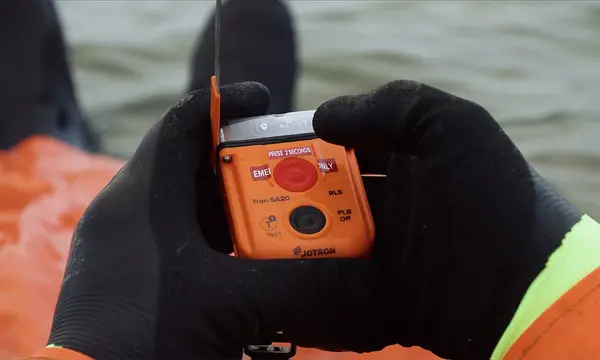
Jotron outlines a QR-based product passport planned for 2027, linking marine equipment to manuals, approval documentation and its international service network.
Muir details its integrated horizontal planetary-drive windlass for yachts from 30 to 150 metres, with a reported footprint reduction of up to 40 per …
Superyacht Guide
Continue into the wider Superyacht Guide.
Business opportunities · Superyacht Guide
Companies serving the superyacht market can discuss clearly identified advertising, sponsorship and business-profile opportunities. Commercial activity remains separate from independent editorial coverage.