
Rondal Marks 50 Years of Custom Superyacht Rig Engineering
Rondal's 50th-anniversary account traces the development of its custom aluminium and composite spars, from Endeavour's rig to modern large-yacht manufacturing.
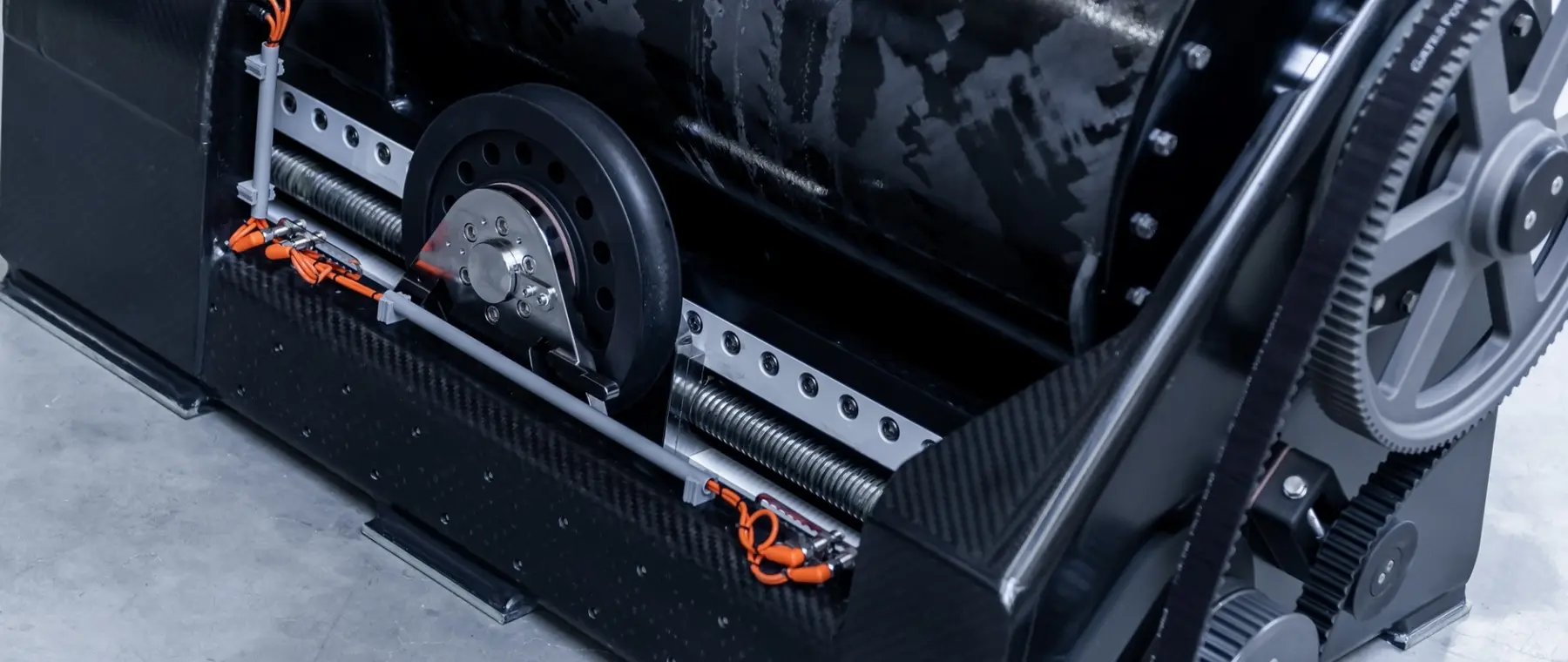
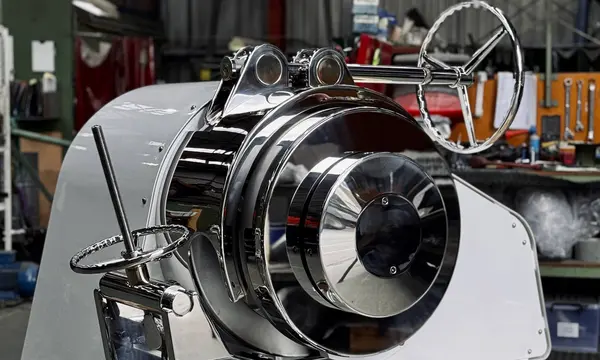
Rondal carbon captive winch, official engineering news photograph
Rondal highlights captive winch technology at METSTRADE, tracing electric sail-handling advances and the move into remote-operated superyacht mooring systems.
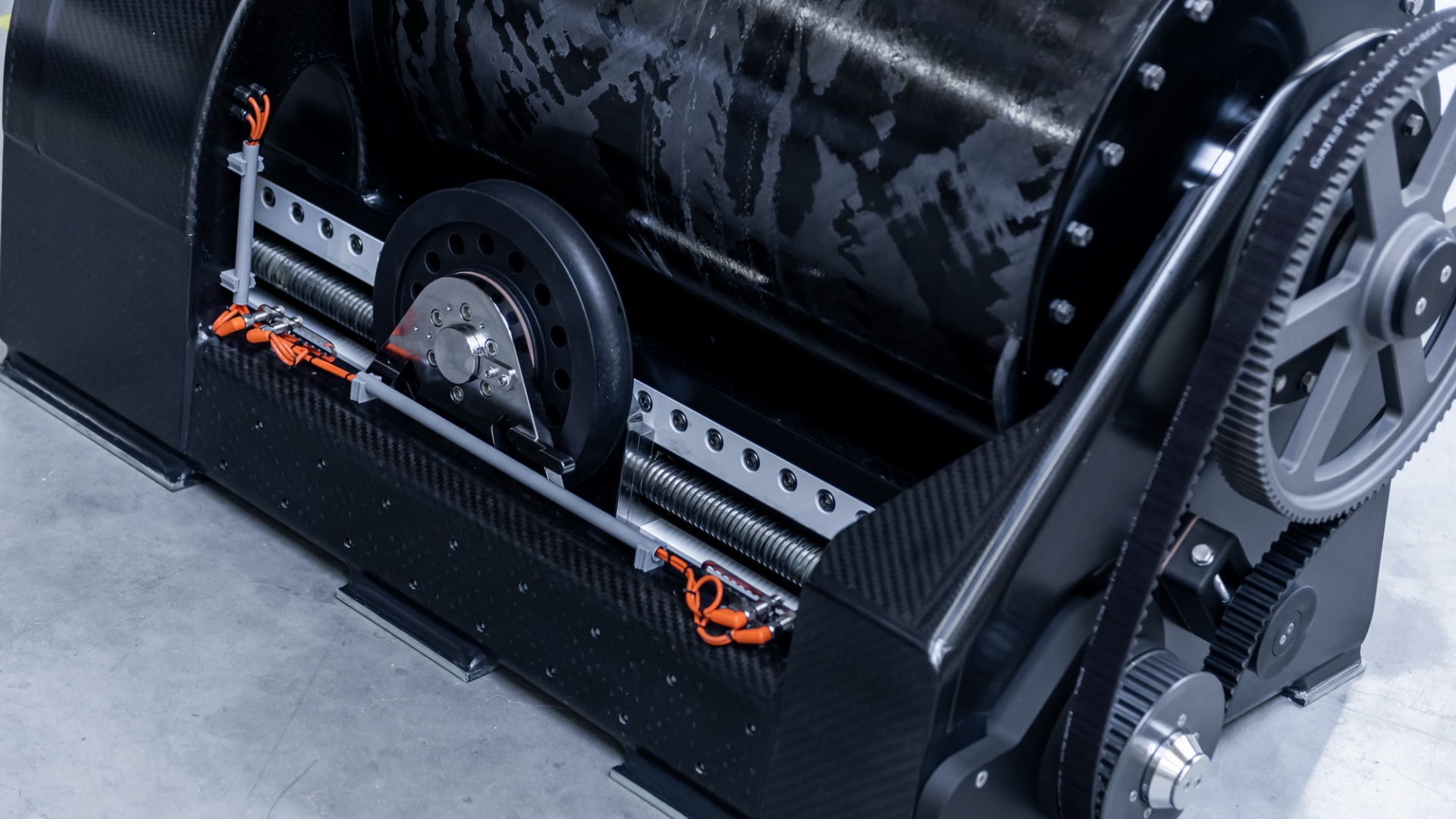
Rondal's technical programme at METSTRADE 2026 includes the captive winch technology that has become an important part of the Dutch supplier's work for large sailing and motor yachts. The company's exhibition announcement, published on 1 November, identifies both mooring and sail-handling equipment among the subjects it is presenting in Amsterdam from 17 to 19 November. A separate engineering account published on 3 September provides the background to that programme, tracing the development of its single-layer winches from a 44-metre sailing yacht to a recent installation aboard a 100-metre motor yacht. The latest development described in that account is the extension of captive rope-handling technology to superyacht mooring arrangements, with further systems ordered for two yachts under construction. This is a useful example of how experience in one part of yacht engineering can inform another. The equipment used to adjust a loaded sail and that used during a mooring operation are not interchangeable, however. Each installation must be designed for its specific operational purpose.
Rondal identifies the 44-metre ketch Juliet as the first yacht equipped with its captive winches. The development began in the early 1990s, when the company's founder Wolter Huisman and mechanical designer Jaap Onrust sought a way to avoid some of the problems associated with stacking multiple layers of rope on a drum. By controlling the geometry of the rope and arranging for a single layer to be wound on the drum, the designers sought to reduce the opportunity for the line to become trapped beneath other turns. The feed mechanism was an important part of that work. The company reports that the first units entered service in 1993 with pulling capacities reaching eight tonnes and rope speeds of up to 57 metres per minute. Those are the supplier's historical figures for the original systems, not specifications for all subsequent products. An element of engineering significance is that the path followed by the rope is part of the design of the winch itself. A choice of drive motor alone cannot determine whether that path is suitable.
The account identifies Canova, a 43-metre Baltic sailing yacht delivered in 2019, as an important milestone in the development of electrically powered captive winches incorporating carbon-composite structures. Rondal describes work on the behaviour of composite components under repeated loading beginning in 2004, followed by the development of electric drive technology from 2013. Its systems aboard Canova covered rated pulling capacities from eight to eighteen tonnes. The supplier reports that this installation achieved an improvement in mechanical efficiency of 15 per cent and a reduction in weight of 20 per cent compared with conventional versions. The highest rope speed cited for the range is 80 metres per minute. These comparisons are supplied by Rondal; the release does not establish a complete common test procedure or specify the same percentage benefits for each unit. Their interest lies in the combined attention to weight, drive efficiency and rope handling. For a performance yacht, the location and mass of winches can affect the overall design, while the electrical requirements must also be coordinated with the yacht's generating and energy-storage equipment.
The next project highlighted by the company is the 60-metre sailing yacht Sarissa, delivered by Royal Huisman in 2023. The yacht's stated downwind sail area extends to 3,435 square metres, creating a demanding specification for the systems that handle loaded lines. Rondal reports developing electric winches with a 24-tonne capacity for the project and undertaking validation work with the Netherlands Aerospace Centre. The testing concerned the interaction of the rope and carbon surfaces as well as the intended operation of the equipment. The project also incorporated a regenerative arrangement capable of returning some energy to the yacht's battery system when the relevant equipment operated in a manner that made regeneration possible. This does not mean that winch activity becomes an independent source of energy for the yacht. Energy recovery is a means of managing part of the energy already involved in the operation of a loaded system. Electrical integration, battery acceptance limits and drive control must be designed in relation to the actual installation. The release provides no measured annual energy saving for Sarissa from this feature.
Rondal identifies Nilaya as a further example of the way a yacht's intended performance can influence machinery design. The shipyard and its equipment supplier were seeking further reductions in weight, leading Rondal to reconsider the structure of an eighteen-tonne winch. The revised arrangement combines a carbon drum with an aluminium support and uses the yacht's foundation plate as part of the equipment's structural configuration. The company reports a further 25 per cent weight saving for the unit without a reduction in its stated strength or performance. A weight-saving figure for one winch should not be extrapolated to the complete yacht or to an unrelated installation. The approach does demonstrate the potential value of examining how an item of machinery is supported rather than treating the catalogue weight of the product as the only available variable. Incorporating a foundation into the arrangement also increases the importance of coordination between the equipment designer and the naval architect. The forces must be accommodated by the complete structure, and any alteration to the yacht's foundation may affect the assumptions underlying the machinery specification.
The supplier's account describes an enquiry received during METSTRADE in 2021 from a captain associated with a Dutch-built motor yacht of approximately 100 metres. The customer saw a possible application for the existing captive winch design in the management of mooring ropes. A subsequent installation, completed in 2025 according to Rondal, allows the crew of the unnamed vessel to operate equipment handling 32-millimetre mooring lines through remote controls. The company says another motor yacht and a sailing yacht in construction will receive related systems, with fourteen units specified for the latter. No vessel names, individual line loads or commercial contract values are disclosed. The number of systems involved gives an indication of the potential extent of a mooring installation on a large yacht. It does not establish that remote operation eliminates the hazards of working with heavily loaded lines. Positioning of personnel, control location, line behaviour, supervision and equipment failure modes remain important considerations that must be addressed in approved vessel-specific operating procedures.
Concealing the machinery below deck can preserve usable space above it and may provide flexibility in the appearance of the deck layout. It also means that the rope must travel from its point of use to the equipment through a carefully planned route. Rondal describes work with yacht architects early in the design process to manage this relationship. Changes in direction and the selection of guides can influence friction, wear and operating behaviour. The available space for machinery removal and inspection is another consideration: the arrangement should work over the operational life of the yacht, not simply at the moment of initial installation. The company's account identifies two-hand control arrangements as one of its safety measures and describes continuing training and support. These features are useful subjects to discuss during project development, but the correct controls and procedures must be established for each proposed system. It is not sufficient to transfer arrangements from a different vessel without assessing the way the equipment will be used.
Rondal's current exhibition programme places its mooring and sail-handling equipment alongside composite structures, windbreaks and alternative propulsion concepts. The September engineering account helps explain how the company arrived at the winch systems it now offers. In particular, it identifies the relationship between controlled rope handling, structural mass, electrical drives and the evolving requirements of individual yachts. Superyacht Guide has not independently tested the products or verified the supplier's comparative efficiency figures. The company does not identify every new installation or provide a complete specification for the systems ordered. Its account does, however, establish a reported development from sail-handling machinery to captive mooring systems and further projects under construction. This provides a concrete subject for discussion among designers, shipyards and technical representatives attending the equipment exhibition. The significance of the latest technology depends on how effectively the arrangement can be integrated into a real vessel, maintained throughout its service life and operated safely by its crew.
Primary source: Rondal official technical news, 3 September 2026.
Further information: Rondal official METSTRADE 2026 exhibition announcement.
Rondal / Tom van Oossanen, official manufacturer news photograph. Official source.
Rondal / Tom van Oossanen, official manufacturer news photograph.
Continue reading
Rondal's 50th-anniversary account traces the development of its custom aluminium and composite spars, from Endeavour's rig to modern large-yacht manufacturing.
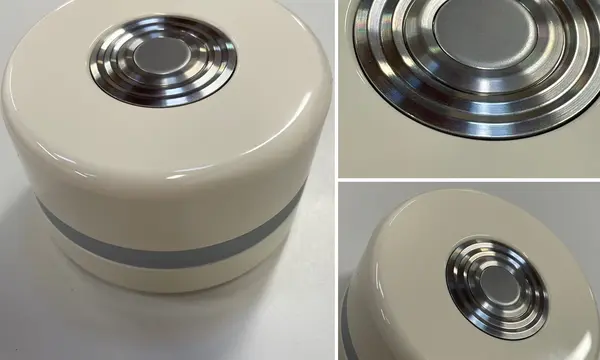
Channel 28 expands its MORSE service-call system with tactile switches, offering superyacht designers and integrators a choice of physical or piezo controls.
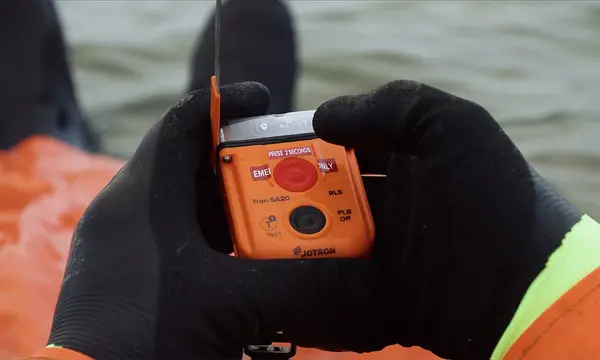
Jotron outlines a QR-based product passport planned for 2027, linking marine equipment to manuals, approval documentation and its international service network.
Muir details its integrated horizontal planetary-drive windlass for yachts from 30 to 150 metres, with a reported footprint reduction of up to 40 per …
Superyacht Guide
Continue into the wider Superyacht Guide.
Business opportunities · Superyacht Guide
Companies serving the superyacht market can discuss clearly identified advertising, sponsorship and business-profile opportunities. Commercial activity remains separate from independent editorial coverage.