Crew accommodation is one of the least visible parts of a superyacht, but cabin layout, noise, privacy and sleep quality can directly affect morale, retention and performance.
For guests, the private world of a superyacht is defined by space. Cabins are designed around generous beds, bathrooms, dressing areas, natural light and acoustic separation, while crew members can spend an entire season living only a few metres away in accommodation that has to fit around tanks, machinery, service routes and the shape of the hull.
That contrast is easy to overlook because crew accommodation is deliberately kept out of sight. Yet the quality of those cabins affects sleep, privacy, relationships, retention and ultimately the way the yacht operates, making crew quarters one of the least glamorous but most consequential parts of the general arrangement.
The phrase “below the waterline” is often used loosely to describe the hidden operational world of a yacht, but crew cabins are not necessarily literally below it. What matters is that they frequently occupy the lower-deck and forward areas where space is most constrained, and where noise, vibration, circulation and access can be very different from the guest accommodation above.
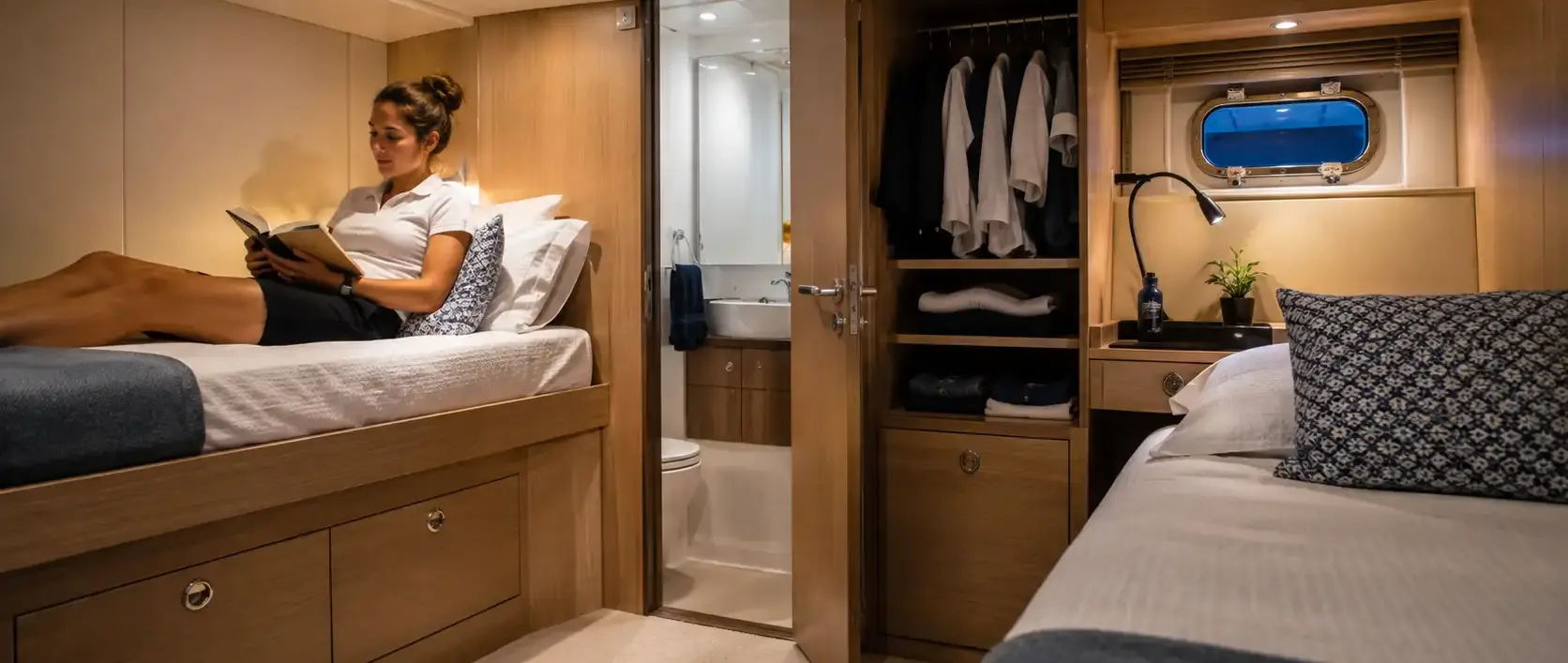
A crew cabin is both bedroom and only private space
A crew member does not leave work and go home at the end of the day. Home is often a compact cabin reached through the same vessel in which they have been serving guests, maintaining machinery, standing watch or working on deck, so the cabin may be the only place where they can withdraw from the social and professional environment of the yacht.
That makes privacy disproportionately important. A bunk, a locker and a small bathroom may look adequate on a general-arrangement drawing, but the lived experience depends on whether a crew member can sleep without interruption, change clothes without awkwardness, make a private call, store personal possessions securely and spend some time without being observed by colleagues.
The Maritime Labour Convention treats accommodation as a welfare issue rather than an interior-design preference. Its stated purpose is to ensure that seafarers have decent accommodation and recreational facilities consistent with their health and well-being, and its detailed requirements address room size, ventilation, lighting, sanitary facilities, noise, vibration and privacy.
On yachts where two crew members share a cabin, compatibility becomes part of everyday life. Different watches, sleep habits, relationships, nationalities, seniority and personal routines can all affect whether a technically compliant cabin feels workable over a long season.
Twin cabins save space but create human compromises
Shared twin cabins are common on yachts because every square metre allocated to crew competes with guest accommodation, machinery, stores, tenders and technical systems. For the designer, two berths in one room can be an efficient use of volume, but for the people occupying it the arrangement means sharing the most personal part of life aboard.
The MLC's general framework favours individual sleeping rooms on many ships while allowing exemptions in defined circumstances, and yacht-specific regimes can apply substantially equivalent arrangements. Current UK guidance for certain commercial vessels under 200GT states that, wherever possible, no more than two people should occupy a sleeping room and that accommodation should provide appropriate privacy.
The practical problem is not simply the number of bunks. If one crew member works nights and the other works days, the cabin can become a place where somebody is almost always trying to sleep while the other needs to shower, dress, collect equipment or use the room.
This is why watch patterns matter when cabins are assigned. MLC guidance says, as far as practicable, that seafarers on different watches should be separated and that day workers should not share with watchkeepers, a principle that becomes especially relevant on yachts operating overnight passages or continuous engineering watches.
Sleep quality is an operational issue
Crew accommodation is often discussed as a welfare or retention issue, but sleep also has a direct relationship with safety. The IMO requires watch systems to be arranged so that watchkeeping personnel are sufficiently rested, while MCA guidance warns that fatigue can impair decision-making, problem solving and risk perception.
A legal rest period is not necessarily the same thing as restorative sleep. Ten hours recorded as rest can be far less useful if the cabin is hot, noisy, vibrating, repeatedly entered by a cabin mate or positioned beside a busy service route where doors, laundry equipment or machinery remain active.
The MCA's fatigue guidance specifically recommends comfortable rest areas that are quiet, cool and dark. On a yacht, achieving that standard is partly an operational responsibility and partly something decided years earlier by the naval architect, interior designer and shipyard when bulkheads, machinery, ducts and crew spaces were positioned.
This is one reason poor crew accommodation can eventually become an owner problem. Fatigued crew are more likely to struggle with concentration and mood, while a well-rested team has a better chance of maintaining the calm, precise service and technical discipline expected on a professionally run yacht.
Noise and vibration do not stop at the engine-room door
The lower decks of a yacht contain some of its most persistent noise and vibration sources. Main engines, generators, pumps, stabiliser hydraulics, ventilation equipment, sewage systems, galley machinery, laundry equipment and structural vibration can all influence the spaces around them even when acoustic treatment is sophisticated.
The MLC specifically calls for accommodation and recreational spaces to be protected from excessive noise and vibration, and its guidance says crew accommodation should, as far as practicable, be located away from engines, steering gear, deck machinery and HVAC equipment. The objective is not silence, which is unrealistic aboard an operating vessel, but an environment in which off-duty crew can genuinely recover.
Yachts create particular challenges because volume is expensive and technical spaces are tightly integrated. A crew cabin beside the bow-thruster compartment, beneath a galley or adjacent to a laundry may satisfy the plan spatially while producing a very different experience once the vessel is operating at sea.
Good design therefore depends on more than adding insulation after the arrangement is fixed. Machinery selection, resilient mounting, bulkhead construction, pipe supports, ventilation design and the location of high-use service spaces all influence whether a cabin remains tolerable at two in the morning.
Temperature, ventilation and daylight shape the cabin more than décor
Crew cabins do not need luxury finishes to work well, but they do need a stable physical environment. The MLC requires sleeping rooms and mess rooms to be adequately ventilated and, subject to the applicable regime, provides for air conditioning in seafarer accommodation.
Temperature control matters particularly because crew may be sleeping during the hottest part of the day. A cabin that is comfortable at night can become difficult for an engineer or deck officer trying to sleep at 14:00 after a night watch, especially if the space receives heat from machinery, pipework or the surrounding structure.
Light is equally complicated. Natural light is desirable and regulated in many accommodation standards, but crew on rotating watches also need to make a cabin genuinely dark, which makes effective blinds, curtains and door seals more important than they might appear on an interior schedule.
Ventilation must also work without creating intrusive noise or draughts. A crew member should not have to choose between fresh air and sleep, and a badly positioned fan-coil unit or grille can undermine a cabin even when its temperature readings appear correct.
Storage becomes part of personal dignity
A crew member joining for a long season may bring uniforms, safety footwear, off-duty clothing, personal electronics, training material, toiletries and possessions needed for months away from home. In a small cabin, inadequate storage quickly turns the room into a permanent packing exercise.
The MLC requires individual storage and specifically recognises the need for lockable space to protect privacy. That principle matters on yachts because shared accommodation means personal possessions exist within a workplace populated by colleagues who may have known each other for only a few days when the season begins.
Good storage also helps the yacht function. If lockers, drawers and drying arrangements are insufficient, bags and clothing migrate into corridors, crew messes and service areas, making the accommodation harder to clean and increasing friction between people already living in close quarters.
The best crew cabins therefore use volume intelligently rather than decoratively. Deep drawers beneath berths, properly sized wardrobes, ventilated shoe storage, charging points and secure personal lockers can contribute more to daily quality of life than expensive finishes occupying the same space.
Bathrooms can become a source of tension
Ensuite bathrooms are increasingly common in modern superyacht crew accommodation, but their value depends on layout and sharing arrangements. A small bathroom shared by two people can work well if ventilation, storage, drainage and cleaning responsibilities are clear, while a badly designed one can create odour, moisture and conflict.
Privacy is especially important where cabins may be assigned across a mixed-gender crew. Current MCA guidance explicitly requires sleeping accommodation to provide appropriate levels of privacy for men and women, and the MLC also addresses separate sleeping arrangements and sanitary access within its broader accommodation standards.
The design details are mundane but important. A proper door, effective extraction, enough hooks and shelves, a shower that drains correctly and surfaces that can be cleaned quickly all reduce the amount of negotiation required between cabin mates.
On a busy charter yacht, even bathroom timing matters. Two crew starting duty at the same time can place more pressure on a tiny shared space than the drawing suggests, particularly when uniform standards and personal presentation are strict.
The crew mess is the living room the cabin cannot be
Because sleeping cabins are small, the crew mess carries much of the social life of the yacht. It is the place where people eat, decompress, exchange information, watch television, call home, complain, laugh and briefly stop performing their professional roles.
A good crew mess gives the team somewhere to be together without occupying workstations or retreating permanently to their bunks. The MLC treats recreational facilities as part of decent onboard accommodation, reflecting the reality that seafarers need more than a bed and a place to eat.
The quality of this space can influence the atmosphere of the whole vessel. If the mess is cramped, constantly used as an office, exposed to operational traffic or unable to seat the working crew comfortably, there are fewer places for informal relationships to develop away from hierarchy and guest service.
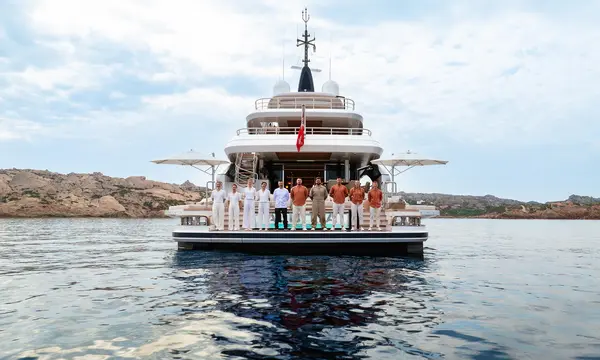
Larger yachts increasingly supplement the mess with a crew lounge, gym or exterior crew area. Those spaces consume valuable volume, but on vessels carrying large teams for long periods they can reduce the sense that every off-duty hour must be spent either in a bunk or off the yacht.
Rank changes the meaning of privacy
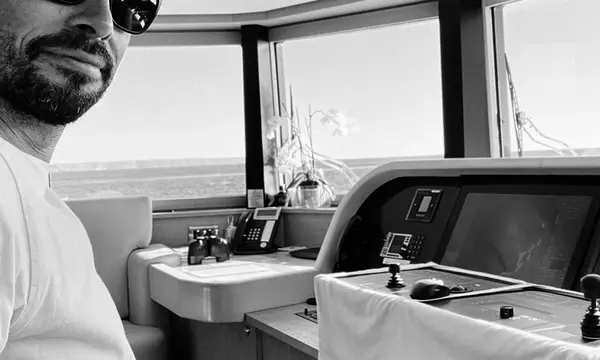
Not every crew member lives in the same accommodation arrangement. Captains commonly have private cabins near the bridge, and senior engineers may be positioned close to machinery spaces, while department heads can receive single cabins or larger accommodation depending on the yacht's size and layout.
There are operational reasons for some of that hierarchy. A captain may need immediate bridge access, an engineer may respond to alarms at night and senior officers carry responsibilities that can require private calls, paperwork and confidential conversations.
The difficulty comes when the accommodation hierarchy feels arbitrary rather than functional. On a tightly crewed yacht, perceived unfairness over cabins can become a surprisingly powerful morale issue because the room is not a temporary hotel assignment; it is where somebody lives for months.
Good management cannot create physical space that does not exist, but it can make allocation transparent and sensible. Cabin assignments that consider watchkeeping, gender, seniority, relationships, allergies, sleep patterns and operational need are more defensible than arrangements based solely on who joined first.
Couples can improve stability and complicate accommodation
Couples are common in yachting and can be valuable to a vessel because two experienced crew members may provide continuity and reduce turnover. The accommodation advantage is obvious when a couple can share a cabin willingly rather than placing two unrelated colleagues together.
The management complication is that relationships can change. A yacht that has designed its cabin plan around several couples may suddenly have an accommodation problem if one relationship ends, one partner leaves or two departments need to restructure during the season.
Couples also need the same professional boundaries as everyone else. A shared cabin provides privacy, but the relationship should not isolate two crew members from the wider team or create a perception that cabin allocation and work decisions are being driven by personal circumstances.
Flexible crew planning therefore matters. The strongest general arrangements give captains some ability to reassign berths without making the entire accommodation plan dependent on a fixed combination of couples, ranks and genders.
Privacy is harder on a yacht because work never feels far away
Even an excellent crew cabin exists inside the workplace. Alarms sound, radios carry traffic, doors open, watches change, guests stay awake late, engineers respond to machinery and interior crew may begin breakfast preparation while colleagues are still sleeping.
Digital connectivity has added another dimension. Reliable internet allows crew to maintain relationships ashore and can make long periods away from home easier, but it also means the cabin becomes the place where family life, social media, personal administration and work messages all compete for the same limited downtime.
Respect between crew therefore becomes as important as physical design. Knock-before-entry rules, headphones, quiet periods, sensible use of lights and clear expectations about guests in crew areas can prevent minor irritations from becoming persistent sources of tension.
Privacy aboard a yacht will never resemble privacy ashore. The realistic objective is to create enough control over personal space that crew members can occasionally stop feeling as though they are permanently on display or permanently on duty.
Morale eventually reaches the guest decks
Crew morale is often treated as an internal management subject, but its effects are visible throughout the yacht. A team living in poor conditions may remain professional for a time, yet sleep disruption, interpersonal tension and constant turnover make sustained excellence harder.
The connection is not mysterious. Crew who rest properly, have somewhere to store their possessions, can make a private call and do not dread returning to their cabin have fewer unnecessary pressures competing with the pressures already created by the job.
This does not mean generous cabins can compensate for poor leadership, excessive hours or an unhealthy onboard culture. Accommodation is one part of welfare, and the MLC's broader framework links living conditions with health, well-being and decent employment rather than treating the cabin as an isolated technical box.
For owners, the operational consequence is retention. A stable crew accumulates knowledge of the yacht, its equipment, its guests and the owner's preferences, while repeated turnover forces departments to rebuild routines and relationships that took months to develop.
Crew accommodation should be designed as operational infrastructure
During a new build, every additional square metre given to crew accommodation has an opportunity cost. It could otherwise enlarge a guest cabin, create more storage, improve a beach club or accommodate another technical feature, which is why crew areas can become vulnerable when the general arrangement is under pressure.
Yet reducing crew space too aggressively can be a false economy. The yacht still needs enough qualified people to operate safely and deliver the service level for which the guest spaces were designed, and those people have to live aboard through passages, maintenance periods, charter turnarounds and long seasons.
The strongest layouts consider crew circulation, sleeping, storage, bathrooms, laundry, mess facilities, noise, ventilation and watch patterns as one connected system. They also recognise that a crew area has to function when the yacht is fully occupied, not only when viewed empty during construction.
Owners rarely buy a yacht because of its crew cabins, but they live with the consequences of those cabins every day the yacht operates. The invisible accommodation below the guest decks can determine whether talented people stay, whether tired people recover and whether the polished experience above is sustainable for more than a few weeks.
The hidden measure of a well-designed yacht
Superyacht design naturally concentrates attention on the spaces the owner can see. A spectacular master suite, beach club or saloon photographs well and can influence value immediately, while a well-planned crew corridor or quiet twin cabin is unlikely to appear in a sales brochure.
The more revealing measure is whether the yacht works for the people who keep it running. Decent sleeping spaces, useful storage, effective ventilation, controlled noise, sensible cabin allocation and somewhere to be off duty all contribute to a crew's ability to remain healthy, rested and professional.
The Maritime Labour Convention provides minimum standards and yacht codes translate those principles into applicable technical requirements, but minimum compliance is not the same thing as good design. The current Red Ensign Group Yacht Code explicitly uses substantially equivalent arrangements to implement MLC crew-accommodation requirements for relevant yachts.
Life below the guest decks may be almost invisible to the owner, but it is where a large part of the yacht's human performance begins. When crew can sleep, recover and retain some privacy, morale becomes easier to protect, and the entire yacht tends to operate better.