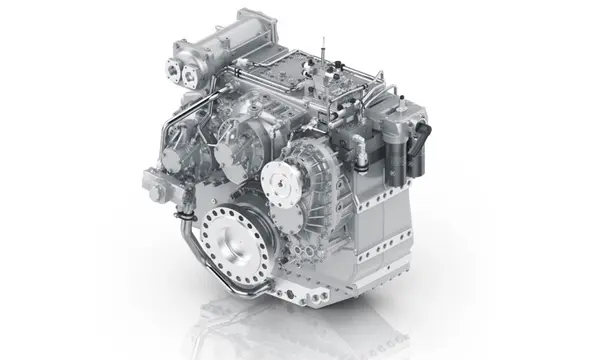
ZF Launches 3.9MW Hybrid Marine Transmission with 700kW PTI
ZF has introduced the 9200 A/V PTI transmission, handling up to 3,903 kW of main-engine power and about 700 kW of hybrid electric power …
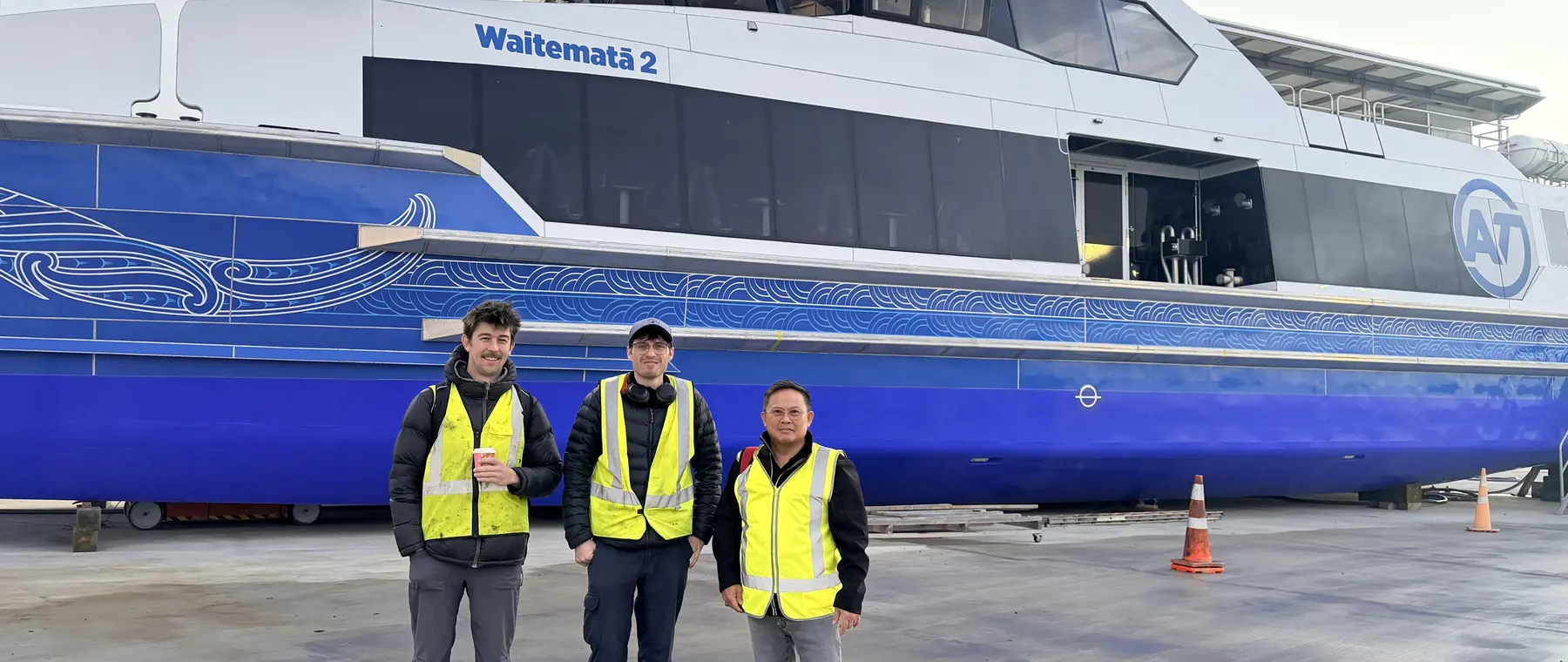
Image: Danfoss
Danfoss says the hybrid-electric Waitematā 2 reached 36 knots in full-electric mode, demonstrating a high-power battery architecture with four propulsion lines.
Danfoss has reported a significant high-speed electric propulsion result from the newly commissioned Waitematā 2 in New Zealand. During sea trials, the hybrid-electric passenger vessel reached 36 knots while operating in full-electric, zero-emission mode, exceeding its 28-knot design transit speed.
Waitematā 2 is not a superyacht, and its operating profile should not be presented as one. Its machinery arrangement is nevertheless relevant to yacht designers because it demonstrates how batteries, high-power electric motors, DC distribution, variable-speed generators and energy-management software can be integrated at a performance level well beyond slow-speed harbour operation.
The vessel uses four Danfoss Editron propulsion lines, each built around electric motors and converters. The power system includes 24 battery modules, variable-speed diesel generators and a DC electrical architecture managed by the Danfoss ECS control system.
The role of the control system is important because hybrid efficiency depends on when energy sources are brought online and how batteries are charged and discharged. Simply adding batteries does not guarantee lower fuel consumption, while coordinated load management can allow generators and batteries to operate closer to their most useful ranges.
Danfoss says Waitematā 2 can accept more than 3.2 MW of shore charging through two high-power DC connections. Its battery arrangement uses 24 independent DC/DC converters across two separate DC distribution systems, a design intended to limit the operational impact of a single component failure.
That level of shore charging is important because a high-speed vessel can consume stored energy quickly. The viability of repeated electric operation therefore depends not only on battery capacity but also on how rapidly the vessel can replenish energy between trips and whether the shore electrical infrastructure can support the required load.
Superyachts operate differently from commuter vessels, often spending long periods at anchor, making ocean passages and carrying substantial hotel loads. A direct copy of the Waitematā 2 system would therefore make little sense without redesigning it around a yacht's range, redundancy, acoustic and space requirements.
The useful lesson is the demonstrated power density and control capability of modern marine electric systems. High-speed electric propulsion is no longer limited to low-power demonstration craft, and the same component families can inform future yacht architectures that use batteries for silent operation, peak loads, harbour manoeuvring or propulsion assistance.
Danfoss developed the vessel's system with partners including HamiltonJet, Corvus Energy and Q-West. That collaboration reflects the reality of advanced marine electrification, where propulsion motors, waterjets, batteries, controls, cooling and charging infrastructure have to work as one engineered system.
For the superyacht sector, the 36-knot trial should be read as evidence of capability rather than a promise of battery-powered transoceanic cruising. It shows that high-performance electric propulsion can be achieved today, while also highlighting how much the result depends on system integration and access to very high charging power.
Continue reading
ZF has introduced the 9200 A/V PTI transmission, handling up to 3,903 kW of main-engine power and about 700 kW of hybrid electric power …
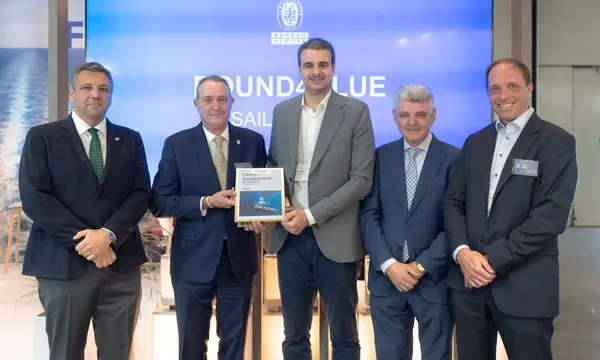
Bureau Veritas has completed a Design Assessment of bound4blue’s Model 3-24 eSAIL, independently reviewing the large-vessel suction-sail propulsion system.
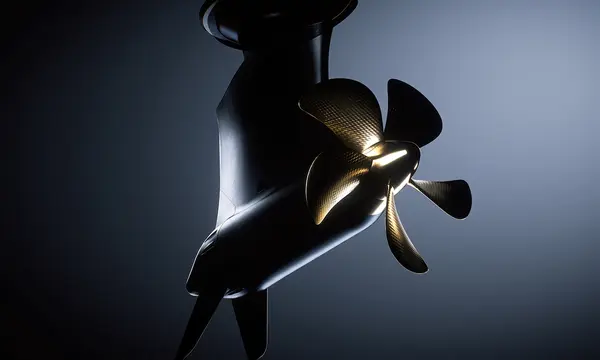
Kongsberg Maritime is extending its Elegance Pod electric propulsion family with five larger sizes delivering up to 22 MW for high-power vessel applications.
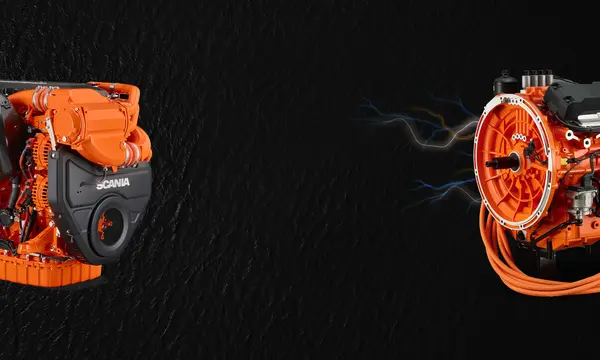
Scania is showcasing its 13-litre marine engine built on the Scania Super platform alongside hybrid systems and industrial battery technology.
Superyacht Guide
Continue into the wider Superyacht Guide.