Scania Pushes 13-Litre Marine Engine and Hybrid Systems at SMM
By Superyacht Guide · Edited by Stephen Yardley
Image: Scania
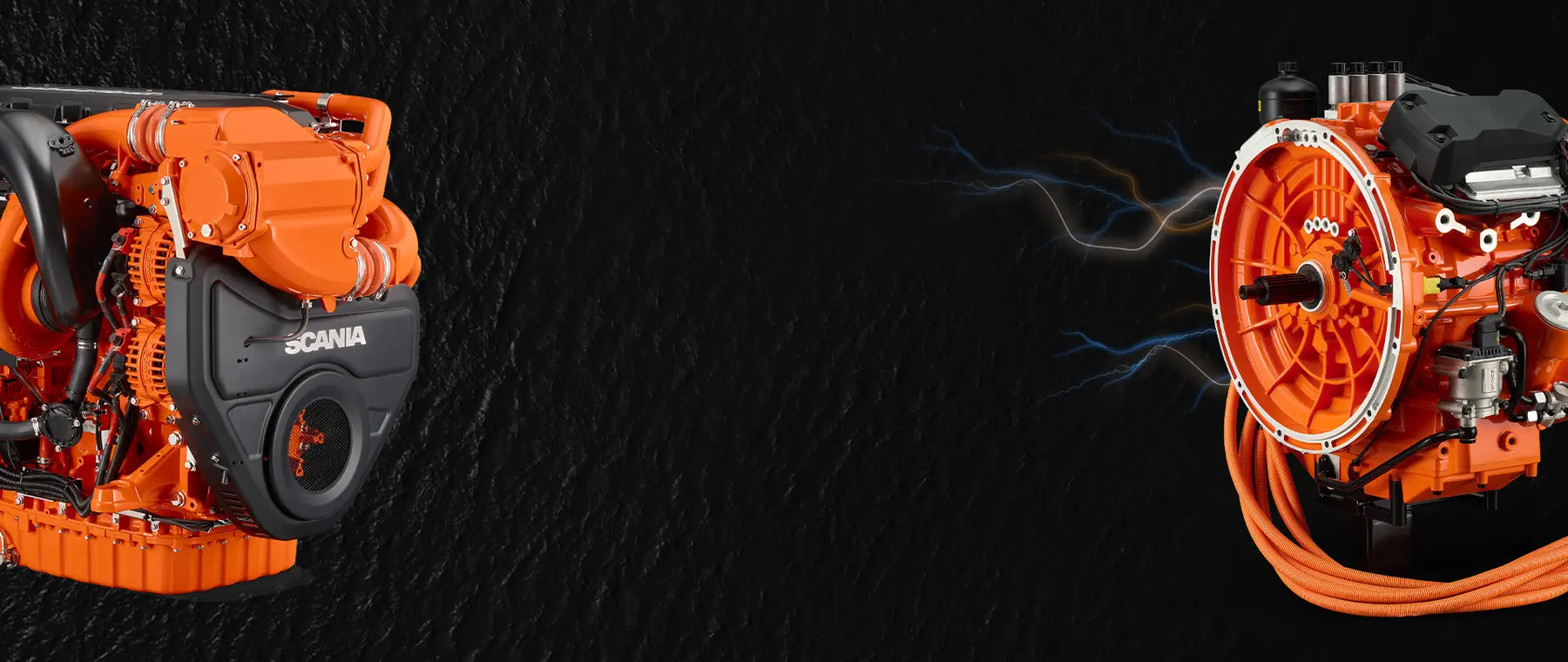
Scania is showcasing its 13-litre marine engine built on the Scania Super platform alongside hybrid systems and industrial battery technology.
Scania Marine has used SMM 2026 to put its latest 13-litre marine engine alongside hybrid systems and industrial battery technology, presenting the package as part of a broader push toward lower-emission marine transport. The engine is based on the Scania Super platform and is being promoted around fuel efficiency, durability and operational performance.
The display is relevant to the superyacht sector because propulsion choices below the very largest yacht sizes are increasingly influenced by technology developed across commercial marine and heavy-duty transport. Engines, batteries and control systems are being designed as parts of an integrated power architecture rather than as isolated machinery.
Scania identifies the 13-litre marine engine as a key SMM exhibit, highlighting efficiency, durability and performance. The company's strategy builds on a modular industrial-engine philosophy intended to share technology and service logic across demanding applications.
For yacht builders, the attraction of an established commercial engine platform can include a broad service network, familiar maintenance practices and parts support. Those considerations matter when a yacht is expected to cruise internationally rather than remain close to the yard or original dealer.
Alongside the combustion engine, Scania is presenting marine electrification solutions that include hybrid systems and industrial battery technology. That pairing reflects the direction of the market: lower-emission operation is increasingly being pursued through combinations of efficient engines, electric machines, batteries and smarter power management.
On a yacht, hybridisation can serve several different objectives. It may reduce engine operating hours, support quieter low-load operation, improve generator loading or provide additional flexibility when hotel loads are high. The correct architecture depends heavily on the yacht's duty cycle, available space, weight limits and owner priorities.
A propulsion system that performs well in a commercial workboat does not automatically deliver the same benefit in a superyacht. Yachts may spend long periods at anchor, operate extensive hotel systems and run engines across a very different load profile, so project teams need realistic simulations rather than headline efficiency numbers alone.
Battery sizing presents the same challenge. Too little capacity may deliver only marginal operational benefit, while too much can impose unnecessary weight, cost and cooling requirements. Integration quality, control strategy and the vessel's actual operating pattern therefore matter as much as the individual components.
Scania's SMM presentation reinforces the idea that future propulsion procurement will increasingly involve complete energy systems. Owners and yards will compare combustion efficiency, electrical integration, battery life, service support and software controls together rather than choosing an engine first and designing everything else around it.
For superyachts, that shift should favour projects that define realistic operating profiles early in design. The better a yard understands how the yacht will cruise, anchor and use hotel power, the easier it becomes to decide where a modern diesel platform ends and where hybridisation produces a measurable benefit.
Explore
Go deeper into the yachts, companies, events and destinations directly connected to this article.
Continue reading

Volvo Penta is showcasing the D13-IPS1350H at Cannes, combining its most powerful IPS engine with an integrated hybrid propulsion architecture.

Lloyd’s Register says nuclear propulsion for superyachts now warrants serious safety and regulatory work, while major technical and societal barriers remain.
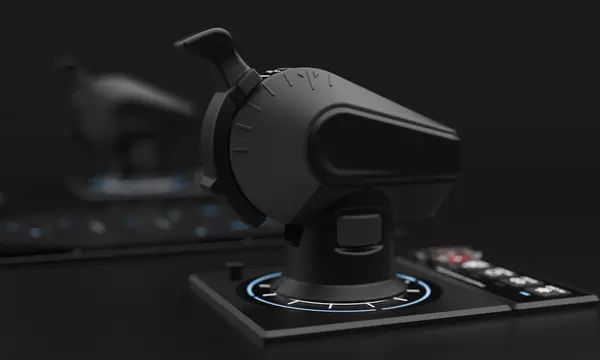
SCHOTTEL’s new PropControl 4 platform combines propulsion controls, telemetry, cybersecurity and remote service for thrusters and controllable-pitch propellers.
How Much Does Starlink Cost on a Superyacht? 2026 Plans and Setup Starlink’s current European maritime pricing starts around €250 per month for 50 …
Superyacht Guide
Continue into the wider Superyacht Guide.