
U-Boat Worx Completes Super Sub Trials Ahead of First Client Delivery
U-Boat Worx has completed Curaçao sea trials of its Super Sub and confirmed first-client delivery, with a 300m operating depth and nine-knot top speed.
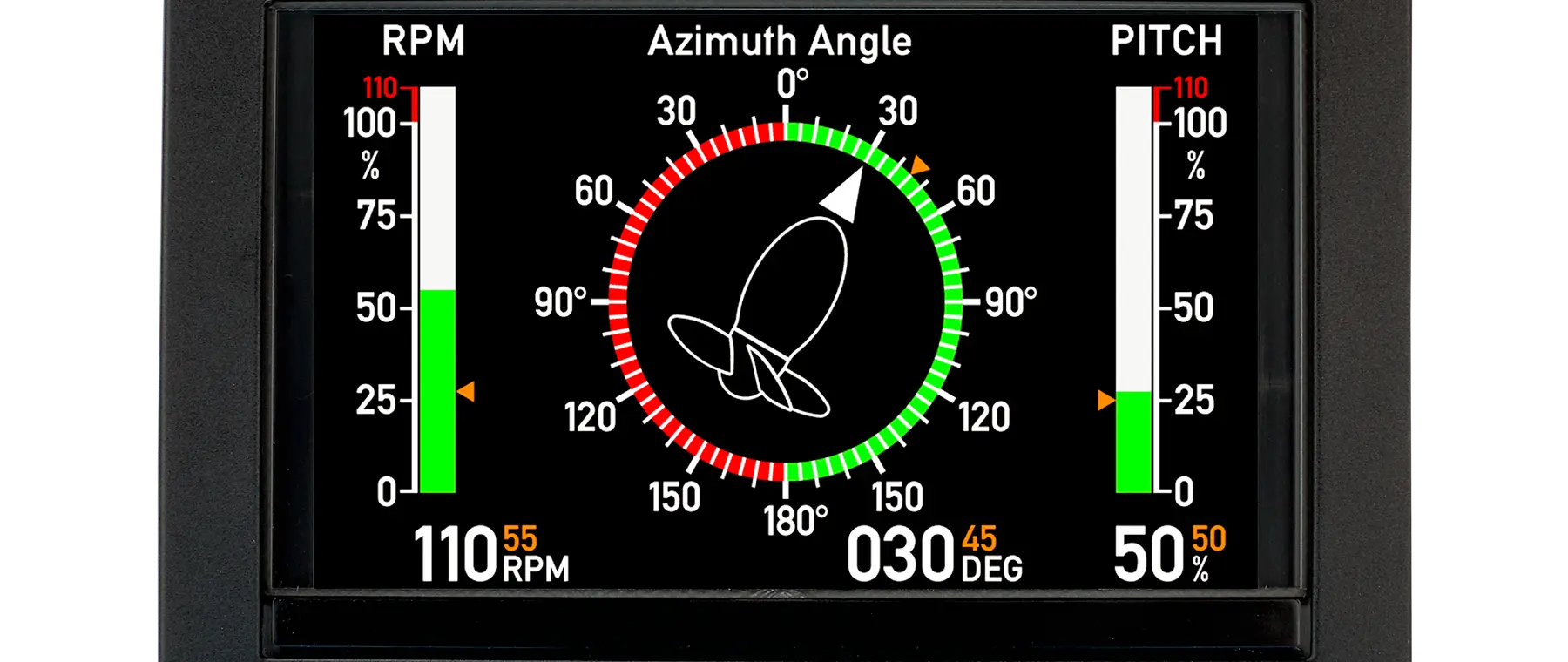
Image: DEIF
DEIF has previewed its next-generation XDi II digital bridge instrumentation alongside new wind and rudder-sensing hardware at SMM 2026.
DEIF has used SMM 2026 in Hamburg to preview XDi II, the next generation of its digital bridge-indicator platform. The Danish manufacturer is presenting the system alongside its new WSS 650 wind sensor, RTA 800 rudder transmitter and a broader range of marine control hardware for increasingly integrated vessel bridges.
The launch matters to the yacht sector because bridge design is moving away from rows of single-purpose analogue indicators toward configurable digital displays that combine navigation, propulsion and environmental information. Large yachts still need redundancy and clear statutory indication, but the physical instrument panel is becoming more software-defined.
DEIF's existing XDi family replaced mechanical scales and pointers with TFT-based indicators that can show more than one parameter and can be configured from onboard libraries. XDi II is being positioned as the next step in that architecture rather than a simple cosmetic refresh.
For naval architects and bridge integrators, the attraction is reduced panel space and more flexibility over where information is displayed. A single digital indicator can support combinations such as speed, heading, depth, wind, rudder angle or propulsion data, subject to the required approvals and redundancy philosophy.
DEIF is also showing the WSS 650 wind sensor and RTA 800 rudder transmitter at SMM. Those products matter because a digital bridge is only as useful as the reliability, accuracy and integration of the sensors supplying it.
Wind data is particularly important on large yachts during harbour manoeuvring, helicopter operations and close-quarters handling, while dependable rudder-angle feedback remains fundamental to steering awareness. Combining new sensor hardware with digital indication can reduce integration boundaries if the interfaces are engineered coherently.
Digital bridge systems can reduce wiring, simplify configuration and provide consistent day and night presentation, but they also concentrate more functionality into networked electronics. That makes power redundancy, data-source fallback, cyber protection and failure-mode design more important, not less.
For a superyacht bridge, the right question is therefore not whether digital instruments look cleaner than analogue dials. It is whether the complete system preserves immediate situational awareness when a sensor, network segment or display module fails.
DEIF's SMM 2026 programme reflects the broader direction of marine electronics, where bridge displays, energy systems and vessel automation increasingly share digital infrastructure. That can improve integration between systems that historically operated as separate islands.
XDi II is still being introduced through the exhibition programme, so detailed production specifications and approvals will matter as the platform reaches projects. Even at this stage, however, the direction is clear: the yacht bridge is continuing its transition from fixed hardware panels toward configurable, networked instrumentation.
Continue reading
U-Boat Worx has completed Curaçao sea trials of its Super Sub and confirmed first-client delivery, with a 300m operating depth and nine-knot top speed.
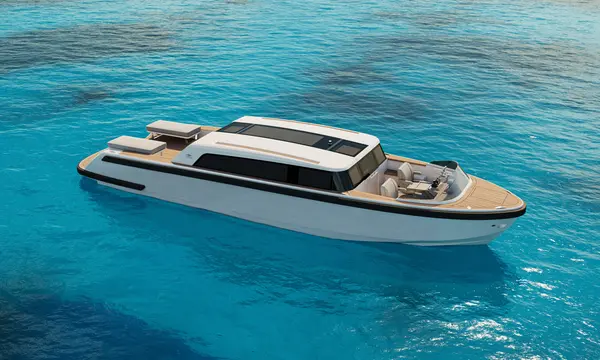
Castoldi’s new 10.5m JT34 Limo combines twin waterjet propulsion, an enclosed air-conditioned cabin and seating for 12 guests plus two crew.
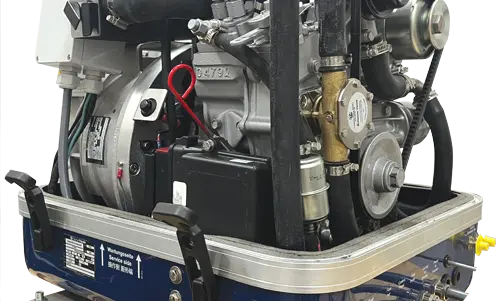
Fischer Panda has introduced the compact 5.5e inverter generator, rated at 5.5kW and designed for quiet variable-load marine electrical supply.
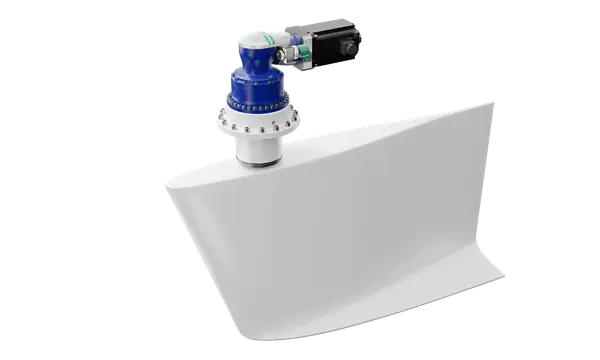
CMC Marine says its Energy Recovery System can recover energy from electric stabiliser fins and reduce stabiliser power consumption by up to 50%.
Superyacht Guide
Continue into the wider Superyacht Guide.