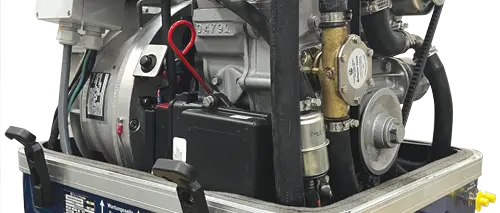
Fischer Panda Launches 5.5e Inverter Marine Generator
By Stephen Yardley · Edited by Stephen Yardley
Image: Fischer Panda
Fischer Panda has introduced the compact 5.5e inverter generator, rated at 5.5kW and designed for quiet variable-load marine electrical supply.
Fischer Panda Marine has introduced the 5.5e, a compact inverter generator rated at 5.5 kW for marine electrical loads. The unit combines a freshwater-cooled Kubota Z482 diesel with inverter technology intended to supply air conditioning, refrigeration, navigation electronics and hotel loads without running a larger fixed-speed genset.
The product sits at the smaller end of yacht generating equipment, so it is not a direct replacement for the large generator sets used on a 60-metre superyacht. It is nevertheless relevant to tenders, chase boats, support craft and smaller auxiliary installations where space, weight and acoustic performance can be more important than high continuous output.
Conventional marine generators are often designed to run at a fixed engine speed so the alternator can maintain the required AC frequency. An inverter architecture separates engine speed more effectively from final electrical output, allowing the generating set to respond more flexibly to changing demand.
That can be useful aboard a vessel whose hotel load rises and falls significantly through the day. Light-load operation is a persistent challenge for diesel generators, so matching engine output more closely to demand can improve comfort and potentially reduce inefficient running hours.
Fischer Panda rates the new 5.5e at 5.5 kW and uses a freshwater-cooled Kubota Z482 engine inside its sound-shielded enclosure. The manufacturer quotes a noise level of 54 dBA at 23 feet, although real onboard sound levels will depend heavily on installation, exhaust routing, foundations and compartment insulation.
Compact generating sets also place demands on cooling and service access. A unit may fit physically into a restricted machinery space, but filters, belts, pumps, exhaust components and electrical connections still need to remain reachable throughout the vessel's operating life.
On a superyacht, a unit of this size may be more useful on a large tender or support craft than in the main machinery room. It can also illustrate a wider design principle: using several energy sources sized for different operating modes rather than relying on one generator configuration for every load case.
Battery banks and inverters are increasingly used to cover silent periods and short peaks, while a small efficient genset can provide endurance once stored energy runs down. The quality of the overall control strategy determines whether that architecture actually reduces fuel and engine hours.
Owners notice generator noise most at anchor, overnight and during low-activity periods when background sound is otherwise minimal. Reducing acoustic impact therefore has value beyond fuel consumption, particularly on guest-focused vessels and tenders operating close to the mother yacht.
The 5.5e is a modest piece of machinery compared with the megawatt-scale systems on the largest yachts, but it demonstrates the same trend toward quieter, electronically managed onboard power. That trend is increasingly shaping auxiliary craft as well as the yachts themselves.
Explore
Go deeper into the yachts, companies, events and destinations directly connected to this article.
Continue reading
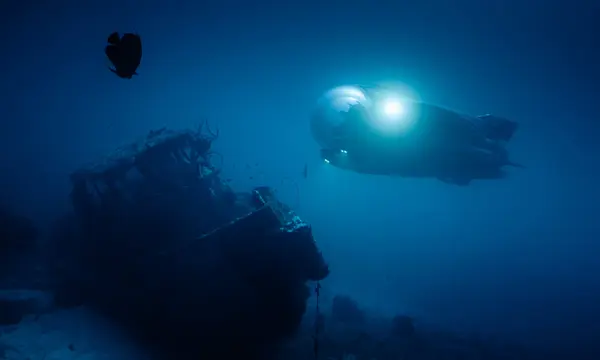
U-Boat Worx has completed Curaçao sea trials of its Super Sub and confirmed first-client delivery, with a 300m operating depth and nine-knot top speed.
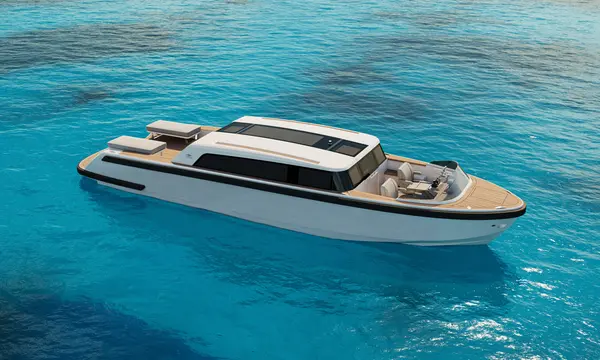
Castoldi’s new 10.5m JT34 Limo combines twin waterjet propulsion, an enclosed air-conditioned cabin and seating for 12 guests plus two crew.
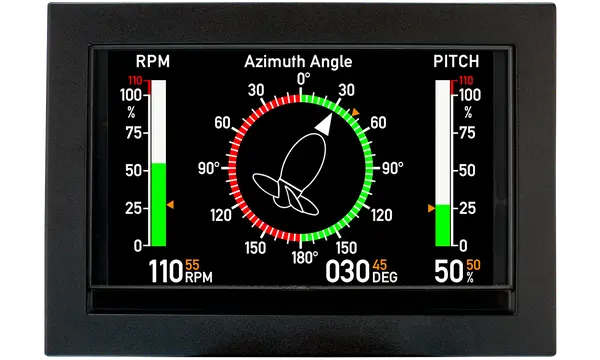
DEIF has previewed its next-generation XDi II digital bridge instrumentation alongside new wind and rudder-sensing hardware at SMM 2026.
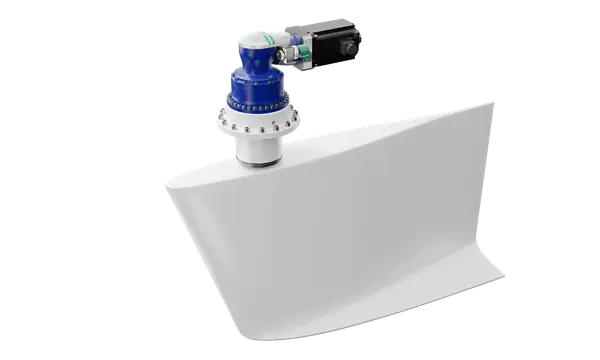
CMC Marine says its Energy Recovery System can recover energy from electric stabiliser fins and reduce stabiliser power consumption by up to 50%.
Superyacht Guide
Continue into the wider Superyacht Guide.