Superyacht VAT and EU Importation Explained for Owners
Superyacht VAT and EU Importation Explained for Owners EU VAT and customs treatment depends on where the yacht is established, owned, imported and used; …
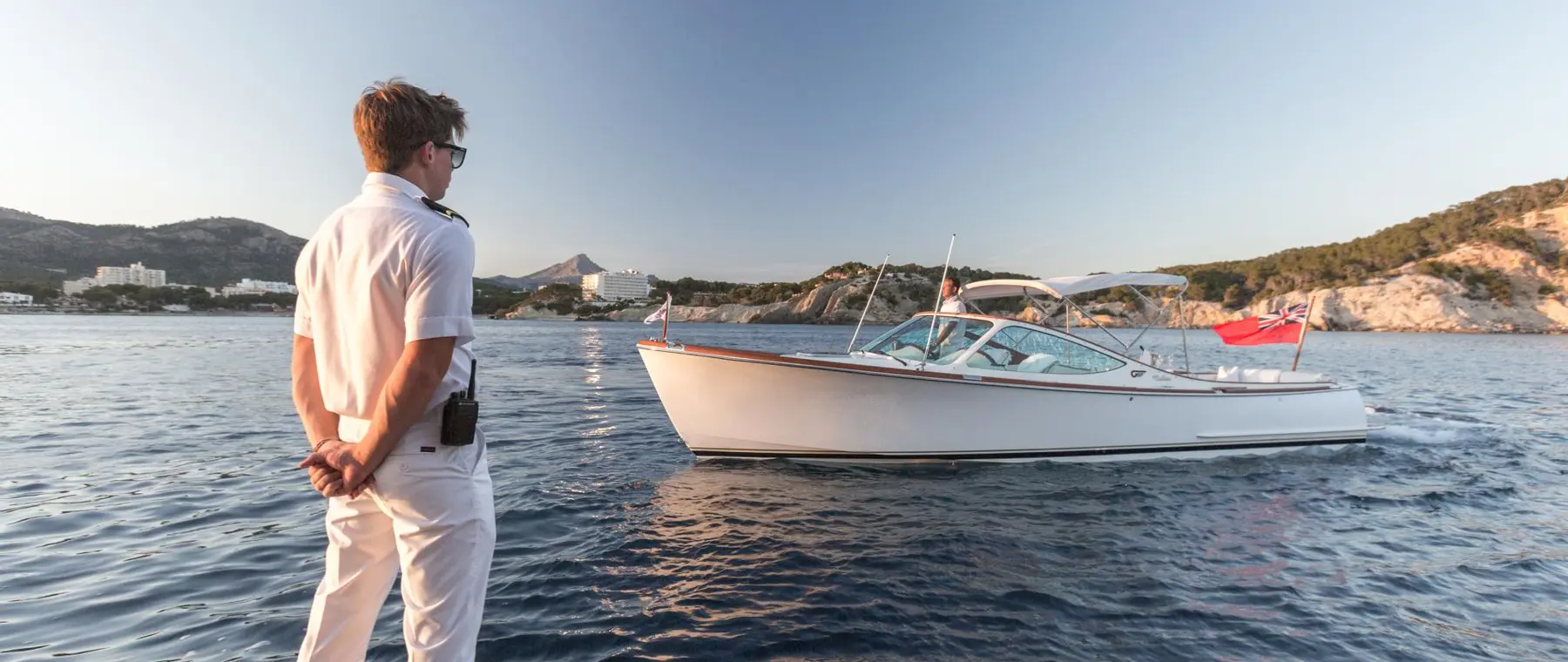
Camper & Nicholsons says internationally mobile yacht owners should review the evidence supporting Temporary Admission as EU customs authorities apply closer scrutiny.
Camper & Nicholsons has highlighted a growing operational risk for non-EU yacht owners using Temporary Admission in European waters. A recent Spanish customs case, together with changing cruising patterns, shows why immigration status, tax residence and customs establishment should be treated as separate questions rather than assumed to mean the same thing.
A residence permit can be relevant to a customs assessment, but Camper & Nicholsons stresses that it does not automatically determine where an owner is established. Customs authorities may look at where the individual actually lives, works, pays tax and centres personal or economic interests.
This distinction matters because internationally mobile owners frequently have legitimate connections with several jurisdictions at once. A family office, captain or adviser therefore needs a coherent documentary position before the yacht enters EU waters, rather than relying on one visa or residence document.
Temporary Admission can allow eligible privately owned non-Union yachts to enter EU waters without immediate import VAT and customs duties. One important condition is that the owner or user is established outside the customs territory of the European Union.
Camper & Nicholsons says the practical risk is increasing because authorities can compare immigration, tax, ownership and usage information more easily. If the evidence is inconsistent, owners may face disputes, disrupted itineraries, detention or potential VAT exposure while the position is examined.
The company also points to Montenegro as a useful non-EU call for yachts moving between Italy, Croatia, Greece and the wider Eastern Mediterranean. Porto Montenegro combines customs and immigration services with duty-free fuel, maintenance, crew logistics and year-round superyacht support.
The significance is strategic rather than simply geographic. A Montenegro stop can be incorporated into the cruising programme from the outset, allowing operational work and guest movements to coincide with customs planning instead of treating a non-EU exit as a last-minute compliance exercise.
Temporary Admission is not a universal formula, and the correct treatment depends on the owner’s establishment, the yacht’s registration, private or charter use and the supporting records. Camper & Nicholsons explicitly notes that its guidance is general information rather than legal, tax or customs advice.
For owners and managers, the practical lesson is to review the complete factual picture before the season develops. Clear records, consistent ownership structures and early advice can reduce the risk that an otherwise routine Mediterranean itinerary becomes an expensive customs dispute.
Official sources: camperandnicholsons.com; camperandnicholsons.com.
Continue reading
Superyacht VAT and EU Importation Explained for Owners EU VAT and customs treatment depends on where the yacht is established, owned, imported and used; …

A sanctions freeze can immobilise a superyacht without making its crew sanctioned, leaving wages, contracts and daily operations caught between employment law and financial …
Yacht brokers, managers and shipyards face sanctions risk through ownership structures, payments and services, making effective due diligence essential.
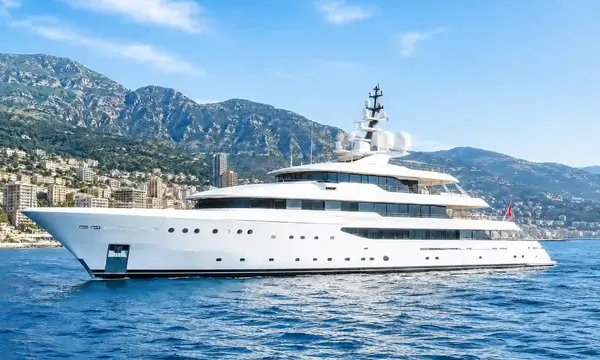
After Russia’s invasion of Ukraine, superyachts linked to sanctioned Russian elites became unusually visible test cases for asset freezes, ownership investigations and international enforcement.
Superyacht Guide
Continue into the wider Superyacht Guide.
Business opportunities · Superyacht Guide
Companies serving the superyacht market can discuss clearly identified advertising, sponsorship and business-profile opportunities. Commercial activity remains separate from independent editorial coverage.