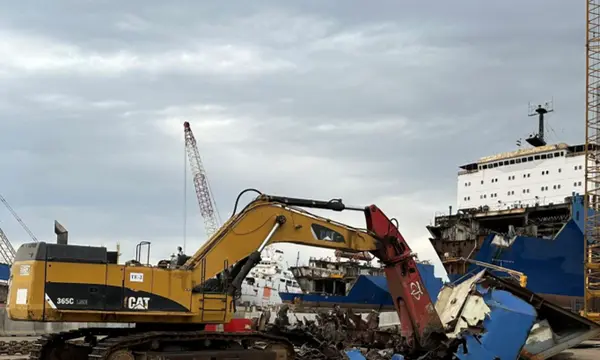
EU Ship Recycling Regulation: Evaluation and European List
The European Commission says the EU Ship Recycling Regulation has largely raised environmental and social standards, but reflagging and weak hazardous-material inventories still undermine …
Superyacht VAT and EU Importation Explained for Owners EU VAT and customs treatment depends on where the yacht is established, owned, imported and used; qualifying non-EU private yachts may use Temporary Admission for limited periods.
EU VAT and customs treatment depends on where the yacht is established, owned, imported and used; qualifying non-EU private yachts may use Temporary Admission for limited periods. International yacht operations depend on local port, customs, canal, flag and security rules, so published fees and procedures should always be checked close to the intended transit date. This is why the headline number should be treated as a starting point rather than the whole answer.
This guide answers superyacht vat and eu importation explained for owners with practical context for the 24m+ superyacht market rather than treating the question as a one-line rule. A superyacht is operationally closer to a small commercial ship than a leisure runabout once pilots, agents, declarations, crew lists, booking slots and port clearances enter the planning process. The planning consequence is more important than the marketing headline because it affects cash flow and operational flexibility.
For route-planning context, see Superyacht Passage Planning and the Superyacht Guides destination network. They provide the wider operational and destination context around the specific clearance or transit question.
A yacht entering the EU can be subject to customs and VAT rules even when it is privately owned. Transit cost is rarely just one toll: booking, pilotage, agency, launch, security, mooring and delay charges can materially change the final invoice. That distinction prevents a simple search answer from becoming misleading when applied to a specific yacht.
Temporary Admission can allow qualifying non-EU boats to enter without paying import VAT or duty. Captains normally build margin into route planning because weather, congestion, draft restrictions, paperwork or a missed slot can affect both schedule and cost. Captains, managers and advisers normally refine the estimate once the yacht, route and intended use are known.
The European Commission guidance states an 18-month time limit for a boat or sea vessel under qualifying temporary admission. Canal and border procedures are document-heavy, and incomplete information can create delays that cost more than the underlying administrative fee. Individual yachts can still sit well above or below the pattern because superyachts are unusually specification-sensitive assets.
Commercial use and private use can produce very different tax outcomes. Owners should distinguish mandatory official charges from optional agency or convenience services when comparing quotations for a passage or clearance. A prudent plan therefore includes room for maintenance, compliance and unexpected technical work instead of modelling only the visible cost.
The yacht generally needs to be registered outside the EU and owned by a person established outside the EU for total relief. Rules can change faster than evergreen editorial pages, so the official authority remains the final source for current fees, booking windows and documentary requirements. That is especially relevant in the 24m+ market, where two yachts of similar length can have very different tonnage and machinery loads.
Use must remain within the conditions of the customs procedure. The practical value of advance planning is that it protects the wider itinerary, crew-hours plan, fuel strategy and guest programme from avoidable administrative disruption. The most reliable comparison uses several dimensions together instead of relying on one advertised figure.
Crossing the customs frontier can be sufficient in many cases but customs may require a declaration or specified route. International yacht operations depend on local port, customs, canal, flag and security rules, so published fees and procedures should always be checked close to the intended transit date. This is why the headline number should be treated as a starting point rather than the whole answer.
The yacht must leave the EU customs territory within the allowed period unless another procedure is used. A superyacht is operationally closer to a small commercial ship than a leisure runabout once pilots, agents, declarations, crew lists, booking slots and port clearances enter the planning process. The planning consequence is more important than the marketing headline because it affects cash flow and operational flexibility.
Changing use from private to commercial can affect the customs analysis. Transit cost is rarely just one toll: booking, pilotage, agency, launch, security, mooring and delay charges can materially change the final invoice. That distinction prevents a simple search answer from becoming misleading when applied to a specific yacht.
Leaving the yacht indefinitely in the EU is not the same as temporary admission. Captains normally build margin into route planning because weather, congestion, draft restrictions, paperwork or a missed slot can affect both schedule and cost. Captains, managers and advisers normally refine the estimate once the yacht, route and intended use are known.
Flag, ownership structure and beneficial use should not be confused with VAT status. Canal and border procedures are document-heavy, and incomplete information can create delays that cost more than the underlying administrative fee. Individual yachts can still sit well above or below the pattern because superyachts are unusually specification-sensitive assets.
Old advice can be dangerous because customs interpretation and documentation requirements evolve. Owners should distinguish mandatory official charges from optional agency or convenience services when comparing quotations for a passage or clearance. A prudent plan therefore includes room for maintenance, compliance and unexpected technical work instead of modelling only the visible cost.
Confirm the yacht’s registration, ownership and establishment facts. Rules can change faster than evergreen editorial pages, so the official authority remains the final source for current fees, booking windows and documentary requirements. That is especially relevant in the 24m+ market, where two yachts of similar length can have very different tonnage and machinery loads.
Ask a qualified customs or tax adviser about the intended cruising pattern. The practical value of advance planning is that it protects the wider itinerary, crew-hours plan, fuel strategy and guest programme from avoidable administrative disruption. The most reliable comparison uses several dimensions together instead of relying on one advertised figure.
Keep evidence supporting the procedure and prior movements. International yacht operations depend on local port, customs, canal, flag and security rules, so published fees and procedures should always be checked close to the intended transit date. This is why the headline number should be treated as a starting point rather than the whole answer.
Use current European Commission and national customs guidance rather than assumptions based on marina practice. A superyacht is operationally closer to a small commercial ship than a leisure runabout once pilots, agents, declarations, crew lists, booking slots and port clearances enter the planning process. The planning consequence is more important than the marketing headline because it affects cash flow and operational flexibility.
The exact answer always depends on the yacht, contract, route and current operating circumstances, so readers should verify the final position with the relevant professional or authority. Transit cost is rarely just one toll: booking, pilotage, agency, launch, security, mooring and delay charges can materially change the final invoice. That distinction prevents a simple search answer from becoming misleading when applied to a specific yacht.
The useful objective is to understand the decision before money, travel or operational commitments make changing course expensive. Captains normally build margin into route planning because weather, congestion, draft restrictions, paperwork or a missed slot can affect both schedule and cost. Captains, managers and advisers normally refine the estimate once the yacht, route and intended use are known.
Continue reading
The European Commission says the EU Ship Recycling Regulation has largely raised environmental and social standards, but reflagging and weak hazardous-material inventories still undermine …

A superyacht can be easy to locate but far harder to connect legally to the person authorities want to target. Layered companies, differing ownership …
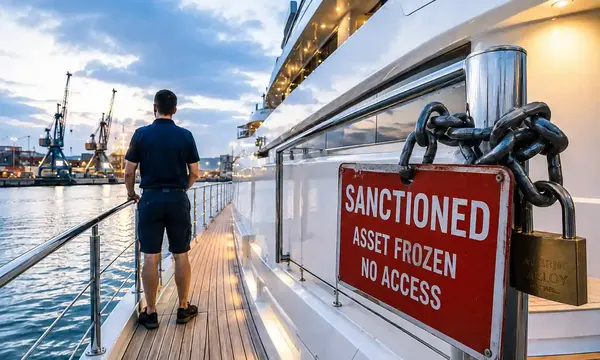
A sanctions freeze can immobilise a superyacht without making its crew sanctioned, leaving wages, contracts and daily operations caught between employment law and financial …
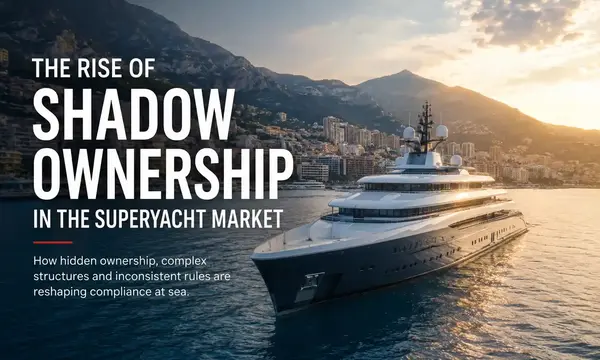
Corporate structures are a routine part of superyacht ownership, but the compliance risk changes when they obscure the person who ultimately owns or controls …
Superyacht Guide
Continue into the wider Superyacht Guide.