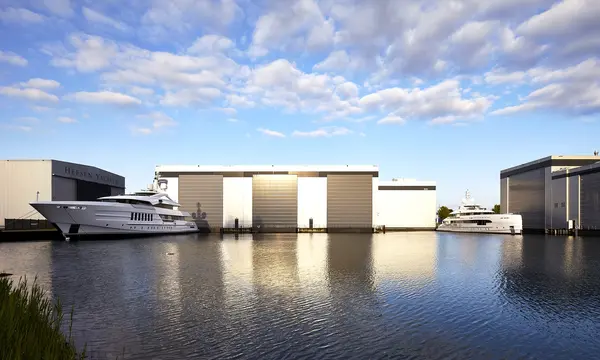
Heesen's 57m Setteesettanta Reveals a Private Owner's-Deck Interior
Cristiano Gatto Design has revealed new interior details for Heesen's 57-metre Project Setteesettanta, including a private owner's deck and sculptural craftsmanship ahead of the …
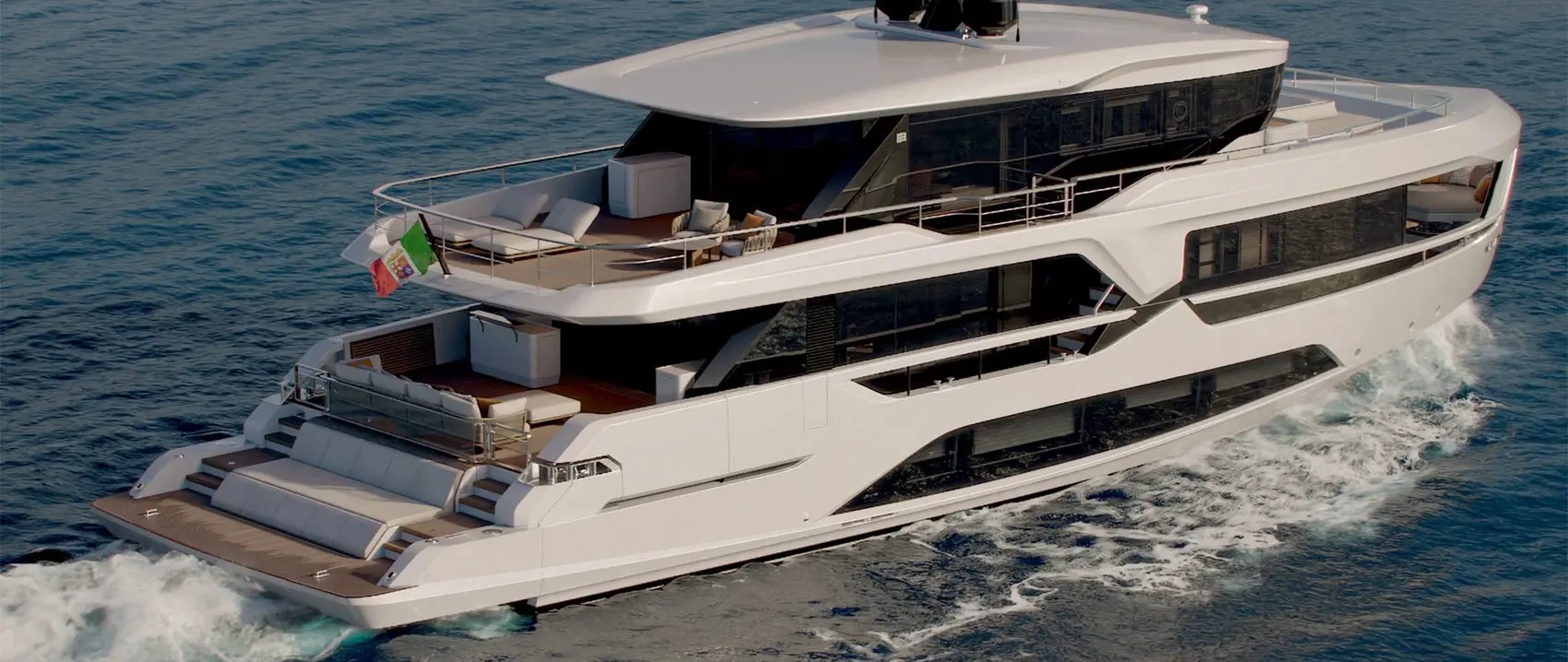
© Ferretti Group / Ferretti Yachts. Official press image published with the INFYNITO 100 unveiling.
Ferretti Yachts unveils INFYNITO 100, its new 100-foot flagship with private upper-deck owner accommodation and versatile aft and forward terraces.
Ferretti Yachts has introduced the INFYNITO 100, the largest model in a range that already includes the INFYNITO 80 and 90. The Italian builder released details on 26 November 2026 following the design's presentation at the Cannes Yachting Festival. The announcement is significant for the 24-metre-plus luxury yacht market because it brings features commonly associated with larger superyachts into a yacht of around 100 feet. A configurable upper-deck owner's suite, unusually flexible outdoor space and the range's distinctive All-Season Terrace are among the features. This is a design presentation, not a confirmed launch or delivery of a finished vessel.
The principal innovation concerns the way the upper deck can serve the owner. In one configuration, the owner's cabin moves from the main deck to the upper deck, looking out over a private terrace of almost 30 square metres. This rearrangement changes the normal relationship among circulation, accommodation and open space. It can provide the owner with a degree of separation from guest activity, but buyers need to understand how the corresponding main-deck spaces are reorganised. Ferretti says the exterior staircase between the main and upper cockpit areas can be removed to strengthen privacy in this configuration.
An outdoor terrace can be described as private in marketing, yet its real usability depends on sightlines, access routes and service arrangements. Ferretti's proposal includes freestanding furniture and a wet bar on the almost 30-square-metre area adjoining the upper owner's suite. The design must reconcile this exclusive space with other guests' ability to use the yacht without unnecessary interruption. Crew access and maintenance also matter. The builder's published layout options give owners a starting point for deciding whether they prefer an independent upper-deck retreat or an arrangement that keeps the master suite on the main level.
The upper-deck bow is also intended as a flexible space. Ferretti describes a Portuguese deck that can be fitted with a lounge and dining area or alternatively a hydromassage tub and sun pad. These are different ways of using a valuable part of the yacht rather than identical options. Choosing a water feature raises questions about weight, plumbing, service access and the movement of guests in underway conditions. A dining-oriented layout may offer another outdoor setting but requires convenient service from below. Owners should evaluate how often each configuration would actually be used instead of selecting a feature solely because it looks impressive in a rendering.
The design includes opening terraces that extend the aft cockpit and a sun pad integrated into the transom. Ferretti describes the result as a space of almost 50 square metres, organised with lounge furniture and a bar counter. Fold-out elements can create an attractive connection to the water, but their mechanical operation and weather limitations are essential considerations. Practical planning should account for securing movable furniture and ensuring that crew can handle the opening sections safely. The quoted area describes a planned arrangement, not a universal measurement of available deck space in every operating condition.
The INFYNITO range is associated with an All-Season Terrace designed to offer a sheltered outdoor experience. On the new flagship, Ferretti says it sits forward on the main deck beneath an extension of the superstructure. An optional vertically moving glass panel gives direct access to the interiors, and the nearby galley supports service. This approach addresses a recurring challenge in yacht design: outdoor spaces are appealing when conditions are calm but often become less comfortable in wind or rain. Shelter and access can extend their usability without turning the area into an ordinary enclosed room.
With the standard layout, the owner remains on the main deck and the main saloon is placed aft. Moving the owner up allows the forward part of the main deck to serve a different purpose, including a dining space with a bar and additional pantry area on the starboard side. Such flexibility is attractive, but it also affects crew circulation and service paths. The galley connects to both lounge and dining areas and provides access to crew accommodation below. Owners should look closely at these relationships in the chosen configuration; a successful drawing has to function during meals, housekeeping and busy periods aboard.
Ferretti's official description provides for four en-suite lower-deck guest cabins, comprising three VIP suites and one guest cabin. The latter can be configured with sliding beds or an additional Pullman berth. These options can accommodate different combinations of guests without changing the entire yacht, but they also affect movement and storage within the cabin. The description should not be translated into a fixed number of guests without confirming the certified occupancy for the chosen arrangement. Comfort aboard depends on the quality of the individual cabins and on how effectively the crew can service them.
The published design places crew quarters forward on the lower deck, reached directly from the galley. Ferretti describes three cabins: two doubles and a single. The crew's living and working arrangements are part of the yacht's operational design, not merely a service detail. A private-yacht owner should assess whether the proposed complement and cabins suit the intended cruising pattern, service level and applicable requirements. Long-distance voyages and frequent entertaining can create different workload profiles. A convenient route from galley to crew spaces may improve efficiency, but the entire duty structure and technical support plan should be evaluated independently.
A lower-deck stern garage is intended to house two water toys, with the builder giving a Williams 445 Dieseljet tender and a JetSki as examples. Tender storage influences hull openings, launch handling and the circulation of guests near the water. The equipment examples should not be treated as mandatory included items for every yacht. Buyers should confirm weight, dimensions and the planned handling equipment before committing to particular toys. What looks like an ample garage in a drawing can become restrictive when a tender is fitted with equipment different from the original specification.
The INFYNITO 100 is described as a collaboration between the Ferretti Group Product Strategy Committee and Engineering Department, architect Filippo Salvetti on exteriors, and Ideaeitalia on interiors. This reflects the division of responsibilities needed to deliver a complex yacht with several possible layouts. The upper deck in particular must balance structure, appearance, circulation and the needs of different owners. A strong design is not achieved simply by adding amenities. It requires close coordination among the naval architecture, machinery layout and interior team so that a change in one area does not undermine another.
Designers Davide Bernardini and Alessio Battistini of Ideaeitalia describe an approach combining Mediterranean minimalism with elements associated with Japandi style. The aim is a restrained environment where the materials and the transition between inside and outside create atmosphere. Such language is a design intention rather than a guarantee of acoustic comfort or particular material performance. Owners should review detailed samples and specifications to understand the proposed surfaces, their durability and their maintenance requirements. On a moving yacht, joints, finishes and fixtures must also meet technical demands that do not apply to domestic interiors.
Ferretti describes the model as using elements of its Ferretti Sustainable Enhanced Architecture package. The announcement refers to recyclable materials, water-based paints and FSC-certified teak for external surfaces. These are specific material choices worth examining, but they should not be mistaken for an independently measured environmental assessment of the entire vessel. Teak sourcing, coatings, energy systems and operational fuel consumption involve different kinds of evidence. Owners seeking to understand a yacht's environmental performance should request technical documentation and compare the actual specification with marketing claims about an overarching sustainability programme.
The standard arrangement uses two MTU 12V 2000 M86 engines rated at 1,725 horsepower each, with an estimated maximum speed of 18.5 knots and cruising speed of 15 knots. The optional pair of MTU 12V 2000 M96X engines, each rated at 2,000 horsepower, is associated with an estimated top speed of 20.5 knots and a cruising speed of 17 knots. These figures are projections rather than verified sea-trial results for a delivered hull. The engine choice may affect operating costs, noise and technical arrangements. A prospective owner should evaluate performance against the yacht's intended use rather than simply selecting the highest speed.
Ferretti quotes an estimated range of approximately 1,200 nautical miles at an economical speed of 12 knots. The builder also identifies an optional stabilisation package including two Seakeeper NG14 units and one NG18 unit. Range calculations depend on conditions, loading, reserve assumptions and the actual machinery installation, so the figure should not be treated as an unconditional cruising promise. Stabilisation systems can improve comfort but add weight, power demand and service requirements. Project teams should ask for technical details about the selected system, its expected operating conditions and the maintenance schedule.
The official release is dated 26 November and concerns the design of the INFYNITO 100. It is important not to confuse that with the launch of a completed first hull or an announced delivery. Details of individual project timelines, classification arrangements and commercial availability should be confirmed directly with the builder. The model's published specifications provide a basis for discussion but can change through engineering and owner customisation. For the newsroom, the factual milestone is the public presentation of a new flagship concept. Keeping that distinction clear makes subsequent build and delivery reports more useful.
The INFYNITO 100 illustrates a wider move to offer owners more privacy and versatile living areas within a yacht that remains significantly smaller than the largest custom superyachts. Its upper-deck suite option and sheltered main-deck terrace are more consequential than a simple increase in length because they alter how the boat can be used. The range also demonstrates the builder's interest in varied material choices and performance configurations. For owners comparing yachts in the 30-metre class, the main question will be whether the flexible arrangements match the way they actually cruise, entertain and spend time aboard.
© Ferretti Group / Ferretti Yachts. Official press image published with the INFYNITO 100 unveiling.
Continue reading
Cristiano Gatto Design has revealed new interior details for Heesen's 57-metre Project Setteesettanta, including a private owner's deck and sculptural craftsmanship ahead of the …
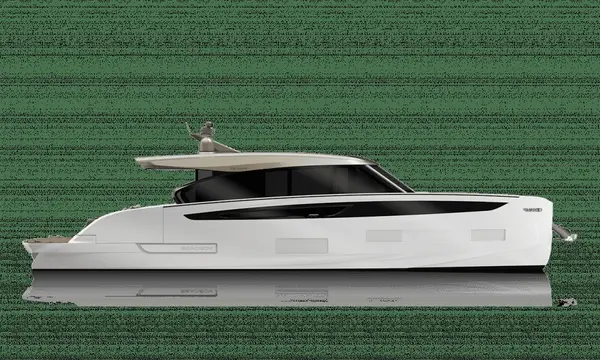
The Azimut Magellano 27M has won the 2026 Design Innovation Award in the superyachts over 24 metres category at the Genoa International Boat Show.
Burgess’s published 2025 Blue Oceans report details marine conservation, Water Revolution Foundation collaboration and training through UKSA and Caribbean Crew.
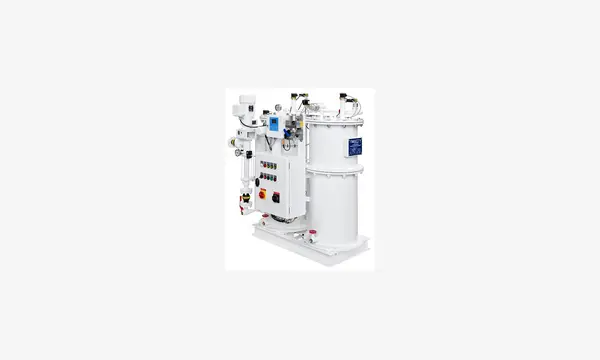
DVZ’s OILCHIEF oily-water separator is promoted for marine bilge treatment, with a range of capacities and stated compliance with IMO MEPC.107(49).
Superyacht Guide
Continue into the wider Superyacht Guide.
Business opportunities · Superyacht Guide
Companies serving the superyacht market can discuss clearly identified advertising, sponsorship and business-profile opportunities. Commercial activity remains separate from independent editorial coverage.