A strong superyacht CV makes a recruiter's decision easier. We explain the structure, photo, certificates, transferable skills, daywork, references and common mistakes that determine whether an application reaches interview.
A superyacht CV has a difficult job to do. It may be opened by a recruiter reviewing dozens of candidates, forwarded to a captain between operations, or scanned by a chief stewardess, chief officer or engineer who already knows roughly what sort of person the yacht needs, so the first decision is usually whether there is enough relevant information on the page to justify spending more time on you.
That makes a yacht CV very different from a personal biography. Its purpose is not to record everything you have ever done or persuade the reader with adjectives about how hard-working, motivated or passionate you are; it needs to show quickly and credibly that you can perform the job being advertised, that your certificates and employment status make you employable, and that your previous experience provides evidence for the claims you are making.
For somebody trying to enter the industry, this can feel unfair because experienced crew can list recognisable yachts, positions and sea time while a first-time deckhand or stewardess may have no yacht employment at all. Yet an inexperienced candidate can still present hospitality, watersports, carpentry, mechanics, cleaning, childcare, bartending, restaurant service, fitness instruction or small-boat experience in a way that makes its relevance immediately clear.
The first page has to answer the important questions
A recruiter should not have to search through the document to discover what position you want, whether you are available, where you are based or whether you hold the basic documents needed for the role. Those details belong near the top because they determine whether the rest of the application is worth reading, particularly when a vacancy has appeared suddenly and the yacht needs somebody who can join quickly.
Your name and contact information should be obvious, followed by a clear description of the role you are seeking. A candidate looking for a first deck position should say so rather than using a vague heading such as “Yachting Professional”, while somebody applying as a stewardess, chef, engineer or officer should make that professional identity equally clear.
Current location and availability matter unusually strongly in yacht recruitment. A captain who suddenly needs a deckhand in Antibes may prefer a suitably qualified candidate who can arrive tomorrow over somebody with a marginally stronger CV who is thousands of kilometres away, so being in a recognised yachting hub and ready to join can be useful information rather than an administrative footnote.
Relevant certificates should be equally easy to find. For entry-level crew this normally means making current safety training and medical certification visible, while additional qualifications such as Powerboat Level 2, tender experience, diving, watersports instruction, hospitality training, engineering skills or specialist interior courses should be placed where they strengthen the application rather than simply lengthening it.
If visas or work permissions are important to the position, state what you actually hold rather than what you intend to obtain. The same principle applies to certificates and sea service: an expired certificate is not current, a short temporary placement is not permanent yacht employment, and accuracy at the application stage is the beginning of a professional reputation that may follow you through future jobs.
Candidates still working out which qualifications they need before applying should first resolve those basics through Superyacht Guide's guide to working on a superyacht. The CV should then concentrate on presenting that employability clearly rather than forcing the reader to infer whether the candidate is actually ready to join.
The photograph and design should look professional, not elaborate
A photograph on a CV would be unusual or discouraged in some shoreside employment markets, but professional headshots remain common in yacht recruitment. Presentation and grooming are part of many guest-facing roles, so the image becomes another first-impression signal even though it should never substitute for skills, experience or qualifications.
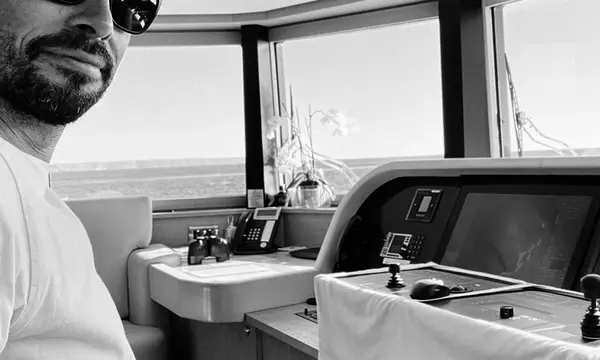
The photograph should look like an employment photograph rather than something taken from social media. A clean head-and-shoulders image, simple clothing, neutral background, good lighting and a natural expression are far more useful than sunglasses, nightlife photographs, holiday pictures, filters or an image cropped from a group shot.
The broader lesson applies to the document itself because a yacht CV is also a piece of presentation. If spacing changes from section to section, dates do not align, fonts become tiny to force in another paragraph or several decorative colours compete for attention, the page begins communicating a lack of care before the recruiter has considered the candidate's experience.
A yacht CV does not need elaborate graphic design, and excessive design can make it harder to read, print or scan quickly. Clear headings, generous white space, consistent dates and a restrained layout usually communicate professionalism more effectively than an intricate template, especially when the document may be opened on a phone between meetings or during a busy turnaround.
Experience should prove something rather than fill space
The weakest employment sections read like generic job descriptions. A candidate writes that they worked in a restaurant and were “responsible for customer service”, or that they worked as a labourer and were “responsible for general duties”, but those statements confirm employment without explaining what the person can actually bring to a yacht.
A better CV translates previous work into evidence relevant to the department being targeted. Someone applying for an interior position after working in a high-end restaurant can emphasise formal service, wine knowledge, table preparation, complaint handling and maintaining standards during busy service, while a deck candidate with construction experience might highlight power tools, surface preparation, painting, varnishing, safe manual work and equipment care.
The point is not to pretend that shoreside experience is yacht experience because that damages credibility. The objective is to show that the underlying skills transfer: precision, stamina, cleanliness, teamwork, service, practical ability, discretion and the capacity to follow procedures all matter onboard even when they were first learned elsewhere.
Specialist abilities can be particularly valuable because they give the recruiter a reason to remember the application. A qualified dive instructor, personal trainer, nurse, beauty therapist, carpenter, mechanic, photographer, watersports instructor or confident small-boat operator should not hide that expertise beneath a generic profile when it may solve a real operational or guest-service need aboard.
Actual yacht daywork should move ahead of unrelated shoreside history as soon as you have it. Even a few short placements demonstrate that you have worked aboard a professional yacht, understand basic crew expectations and were trusted sufficiently to contribute, but the description should remain factual about exactly what you did and for how long.
If you spent three days washing down, detailing stainless steel, assisting with tender preparation and helping the deck team prepare for guests, say that rather than inflating the experience into an invented permanent deckhand role. A short, accurate daywork entry supported by a credible reference is more valuable than exaggerated experience that unravels during an interview.
The CV should change when the vacancy changes
Sending the same document to every vacancy feels efficient, but it shifts the work onto the recruiter. If a yacht is looking for a deckhand with strong tender experience, the reader should not have to reach page two to discover that you have operated boats for years, and if an interior vacancy emphasises cocktail service, relevant bar experience should not be buried beneath unrelated employment.
Tailoring does not require rewriting the entire career history for every application. Often it means changing the short professional profile, rearranging skills, deciding which qualifications belong near the top and giving more space to the experience that matches the vacancy while compressing material that contributes little to that particular hiring decision.
For a deck application, boating, watersports, maintenance, painting, carpentry, driving, diving and physical outdoor work may deserve prominence. For an interior application, luxury hospitality, food and beverage service, housekeeping, laundry, childcare, beauty or wellness skills may matter more, while engineering candidates need mechanical, electrical, workshop and diagnostic experience to be visible immediately.
Senior crew face the same problem at a higher level because a captain applying to manage a large private yacht should communicate leadership, budgeting, refit experience, crew management, compliance and owner-facing responsibility rather than allowing the CV to become only a chronology of navigation and certificates. The principle is identical at every rank: show the reader why your experience matters to this particular job.
References and accuracy can decide whether the interview happens
Yacht recruitment is unusually sensitive to references because vessels are small workplaces in which people live together as well as work together. Hiring the wrong person affects performance, safety and the atmosphere of the entire crew, so employers place substantial value on previous managers who can confirm how somebody actually behaved at work.
For experienced crew, yacht references can be one of the strongest parts of the application. For somebody entering the industry, a restaurant manager, hotel supervisor, boat operator, trades employer, instructor or other genuine professional referee can still confirm reliability, attendance, attitude, guest service or practical competence, provided the person has agreed to be contacted and understands the sort of role you are seeking.
Dates deserve the same attention because inconsistencies are easy to spot once a recruiter begins checking. Employment periods should be internally consistent, yacht names and positions should be accurate, and certificates should be listed under their correct titles, while gaps in employment are normally better explained honestly than disguised by stretching another job across the period.
The same applies to sea time and seniority. Do not upgrade a short temporary role into permanent employment, claim supervisory responsibility you did not have or describe yourself as experienced simply because you completed the training course for a position, because yachting is a connected industry in which captains, officers, heads of department and recruiters regularly encounter the same people again.
Proofreading is part of that credibility as well. One spelling error will not normally determine a career, but a document containing inconsistent dates, repeated grammatical mistakes, unexplained abbreviations and untidy formatting suggests that the candidate sent it without checking, which is an avoidable signal in jobs where attention to detail matters.
Keep it concise without making it empty
There is no universal rule that every yacht CV must fit onto one page, but brevity has real value because the first review is often quick. A green candidate with limited experience rarely needs several pages, while an experienced officer or captain may legitimately require more space for sea service, qualifications and previous yachts, provided the information still helps the reader make a hiring decision.
The answer is not to reduce the font until everything fits. Older or irrelevant jobs can be compressed, repetitive duties do not need to be described repeatedly across several yachts, and the most recent and relevant experience should usually receive the greatest attention because it best represents the candidate the yacht would be hiring now.
The personal profile at the beginning should be equally disciplined. A long paragraph announcing that you are enthusiastic, motivated, passionate, reliable and eager to travel uses valuable space without distinguishing you from hundreds of other applicants, while a short profile explaining your current position, experience level, strongest relevant skills and the role sought gives the recruiter something useful immediately.
Hobbies earn their place when they help an employer understand what you may bring to crew life or guest operations. Sailing, diving, fishing, watersports, fitness, photography, languages and other genuine interests can add useful context, but there is no benefit in manufacturing an adventurous personality simply because you believe yachting requires one.
The CV is only the beginning of the interview
A strong yacht CV does not get somebody hired by itself. Its job is to move the candidate into the next conversation, where the captain or head of department can assess personality, knowledge, professionalism and whether that person is likely to work successfully within the particular crew and operating style of the yacht.
That is why every statement on the document should be something you can discuss confidently. If you list wine knowledge, tender experience, varnishing, diving, mechanical work, housekeeping or cocktail service, the interview may move directly into those subjects, and a beautifully formatted application achieves little if the person behind it cannot substantiate what is written there.
The practical job search also continues after the file is sent because recruitment profiles need to remain current, availability changes, certificates expire and entry-level candidates may still need to pursue daywork, networking and direct applications. The first version of a yacht CV may contain almost no yacht experience, but each genuine placement, useful course, reference and season adds evidence until the document begins to show real professional progression.
A superyacht CV that gets interviews ultimately does something simple: it tells the truth quickly. It identifies the role being pursued, shows where and when the candidate can work, puts relevant certificates where they can be found, presents transferable skills as evidence rather than slogans and gives the reader confidence that the document has been prepared with the same care the candidate claims they will bring to the yacht.