

Company
International Maritime Organization
Explore the company profile and related Superyacht Guide coverage.
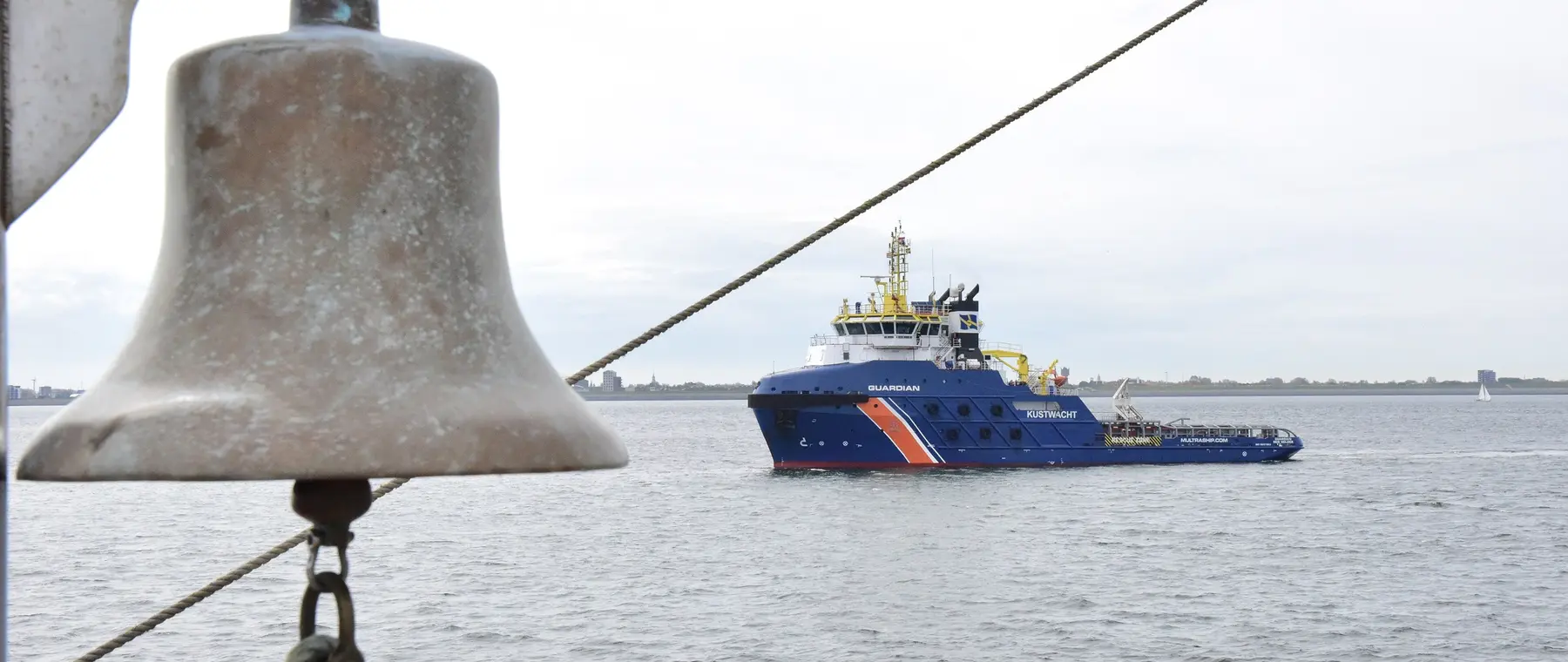
USCGC Eagle training vessel in Dutch waters — archival official photograph
IMO prepares its 20 November launch of NextWave phase two, aiming to expand supervised onboard training opportunities for officer cadets from developing countries.
The International Maritime Organization is scheduled to launch the second phase of its NextWave Seafarers initiative at a global workshop in London on Friday, 20 November 2026. The programme, developed in partnership with Saudi Arabia and in collaboration with its national shipping line Bahri, seeks to broaden opportunities for officer cadets from developing countries to undertake training at sea. IMO's published event notice sets a target of at least thirty cadets, with women comprising half of the intended participants. The workshop will examine experience from the pilot programme and a partnership model intended to encourage more shipping companies to provide training placements. For the superyacht sector, the initiative draws attention to an important industry-wide constraint: access to supervised practical experience during the transition from maritime education to professional employment.
NextWave is concerned with practical training opportunities for prospective seafarers. Completing an academic course is not necessarily sufficient to obtain the experience needed to progress towards a professional officer qualification. The precise requirements depend on the relevant training and certification framework, but candidates can face the challenge of finding a suitable vessel and an employer willing to support their development. The second phase is designed to increase the geographical breadth of participation, including candidates from least developed countries, small island developing states and landlocked developing countries. These groups may face different obstacles to employment at sea. The initiative is not restricted to yacht crew and the announced training target does not constitute a commitment to place cadets aboard private vessels. Its relevance to yachting lies in the wider maritime labour market from which the industry recruits experienced professionals.
Useful training at sea requires a combination of practical tasks, supervision, access to appropriate learning opportunities and accurate records of the experience obtained. An officer candidate needs to understand how the theoretical material studied ashore is applied in a working environment. Onboard routines, navigational watchkeeping arrangements, machinery operation and communication between departments can all contribute to that learning, according to the individual's training pathway. A placement must be organised within the vessel's operating and safety requirements. The candidate's responsibilities should be consistent with their qualifications, experience and the authority of supervising personnel. Merely spending time aboard a vessel does not automatically satisfy every requirement of a particular certification programme. Employers and candidates should verify how a proposed placement will be recognised by the relevant administration before commitments are made.
Superyachts employ people with varied professional backgrounds. Some have trained specifically for the yacht industry, while others have gained experience aboard commercial vessels before entering private or charter yacht employment. Deck, engineering and electro-technical roles can involve competencies developed in other maritime sectors, alongside responsibilities specific to the design and operation of a yacht. Not every commercial qualification is interchangeable with every yacht qualification, and the relevant administration determines the scope of recognition. Nevertheless, the wider availability of competent maritime professionals matters to yacht operators. A sustainable recruitment strategy should look beyond the immediate vacancy and consider the pathways by which qualified personnel gain their initial experience, progress through the profession and become capable of taking responsibility for complex vessels.
Creating a placement requires more than identifying an unused cabin. The vessel must be suitable for the proposed training, and the employer has to consider accommodation, working arrangements, supervision and the availability of appropriate tasks. A training plan should establish the responsibilities of the supervising officer and the candidate, including how progress will be recorded and assessed. The additional workload involved in mentoring must be recognised when planning ordinary operations. An employer may have to coordinate with an educational institution or training provider to make sure the experience meets the relevant requirements. An unsuitable placement can leave a candidate with valuable general experience that nevertheless does not fulfil the particular requirements of their intended qualification. The partnership model being presented by IMO seeks to address the availability of placements through industry participation.
The target for women to represent half of the participants is an announced programme objective, not a figure for the global workforce or a confirmed result of the second phase. It highlights the importance of examining access to opportunities at the beginning of a maritime career. Barriers may arise at several stages, including access to suitable educational programmes, the availability of placements, recruitment procedures and the practical circumstances of employment. Providing a training berth is one meaningful intervention, but the conditions aboard the vessel also matter. Employers should take seriously their responsibilities for appropriate accommodation, clear workplace standards, fair treatment and access to reporting channels. Candidates should be able to learn and demonstrate their competencies without being expected to negotiate inappropriate conduct as an ordinary condition of employment.
The effectiveness of a placement depends in part on the people who oversee it. A qualified officer may possess excellent technical knowledge without having developed effective mentoring skills. The ability to explain decisions, provide constructive feedback and recognise gaps in a candidate's understanding can contribute considerably to training quality. On a yacht, crew numbers and operating patterns may differ substantially from those aboard a commercial ship. A manager considering participation in a relevant training programme would need to assess whether the available supervision and operational activities are appropriate to the proposed qualification. It is important to distinguish the delivery of structured training from the allocation of routine duties. Practical work can be valuable, but trainees need opportunities to connect it with the competencies they are expected to develop and obtain evidence of progress.
Recruitment is often approached as a response to immediate operational requirements. An unexpected departure or a forthcoming change in itinerary creates a vacancy that must be filled within a limited period. This can leave little opportunity to consider how the next generation of officers is being developed. Employers may benefit from examining recurring recruitment problems and distinguishing those associated with an individual job from those arising from wider skill shortages. Retention, professional development and progression can play an important role in reducing dependence on a narrow group of candidates. Investment in supervised development may require time and resources before its benefits become apparent. The announced NextWave partnership model is intended to involve additional shipping companies in the provision of onboard training opportunities. Its relevance to yacht businesses is as a prompt to evaluate their own contribution to the wider professional pipeline.
An internationally mobile maritime workforce requires careful attention to the verification of qualifications and service records. Yacht managers should distinguish between a candidate's educational achievements, certificates of competency, endorsements, documented sea service and experience relevant to the vacancy. The appropriate qualifications depend on the vessel and the duties the person will undertake, including applicable flag-state requirements. Employers should not make assumptions about a candidate's competencies on the basis of nationality, background or the reputation of an educational institution alone. Equally, candidates need clear information about what experience an employer can provide and how it will be documented. Accurate recruitment and training records can assist both parties in making decisions about professional progression, and reduce misunderstandings when a person seeks a subsequent appointment or recognition of previous experience.
Yacht management companies, crewing specialists and training institutions can consider whether there are appropriate mechanisms through which they can assist the development of maritime personnel. These may include clearer information about yacht career pathways, coordination with recognised training providers and support for existing crew members pursuing further qualifications. Participation in a formal cadet scheme would require separate assessment of eligibility, vessel suitability and the relevant certification requirements. A yacht owner should not assume that the publication of the IMO workshop notice creates a direct opportunity to enrol a candidate or advertise a NextWave placement. The registration deadline for the London event was 10 November, and the published programme concerns a forthcoming workshop rather than an application window for individual placements. Interested businesses can review the subsequent public information released by the relevant organisations.
The scheduled event provides an opportunity for IMO and its partners to describe the second phase, discuss lessons from the pilot and encourage wider industry involvement. The number of cadets eventually trained, the range of participating companies and the practical results will need to be assessed as the programme develops. No outcome should be attributed to a meeting that has not yet occurred. The archival photograph accompanying this report shows the United States Coast Guard training vessel Eagle in Dutch waters in 2023, illustrating one distinct maritime training environment; it does not depict a NextWave placement or the London workshop. The significance of the initiative for the superyacht industry is the recognition that recruitment of competent officers depends on accessible training pathways, suitable practical experience and sustained support for professional development.
Primary source: International Maritime Organization official NextWave workshop notice, 20 November 2026.
U.S. Coast Guard photo by Petty Officer 2nd Class Brandon Hillard, 5 May 2023; public domain via Wikimedia Commons, resized. Archival USCG training vessel, unrelated to the NextWave programme. Official source.
Explore
Go deeper into the yachts, companies, events and destinations directly connected to this article.
Company
Explore the company profile and related Superyacht Guide coverage.
Continue reading
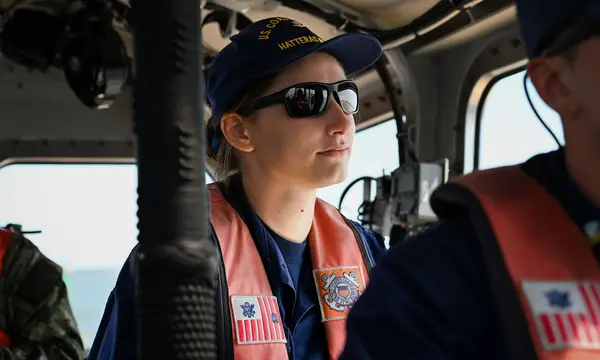
An IMO workshop in Tanzania advances preparations for the 2027 IMO–WISTA workforce survey, with lessons for superyacht recruitment and career development.
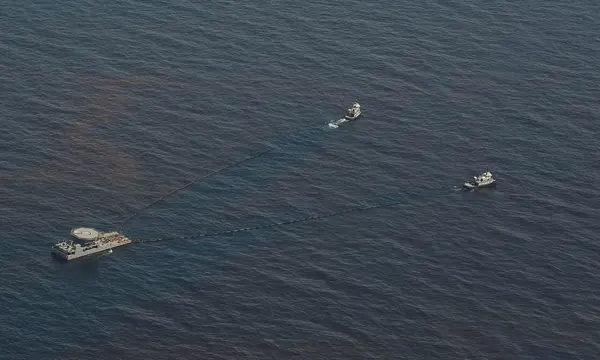
Six West African states validate a draft marine pollution response agreement, with signature planned for 2027 and implications for Atlantic yacht operations.
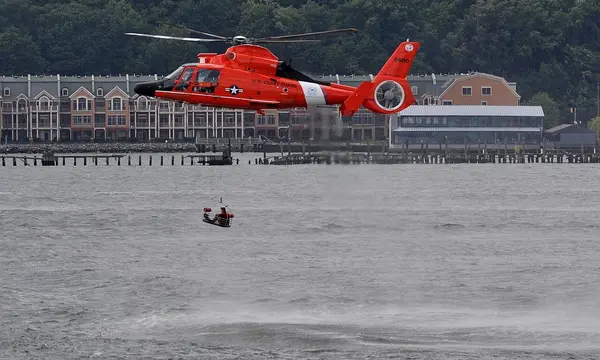
IMO reports completion of drafts for the 2028 international search-and-rescue manual, covering new beacon communication, locating devices and rescue coordination.
IMO has outlined its 30 November–3 December MEPC 85 agenda, including emissions, ballast water, marine pollution, efficiency and underwater noise discussions.
Superyacht Guide
Continue into the wider Superyacht Guide.
Business opportunities · Superyacht Guide
Companies serving the superyacht market can discuss clearly identified advertising, sponsorship and business-profile opportunities. Commercial activity remains separate from independent editorial coverage.