Imperia Court Upholds New 65-Year Marina Concession Framework
By Superyacht Guide Newsroom · Edited by Superyacht Guide Newsroom
Imperia Court Upholds New 65-Year Marina Concession Framework — SYG 25 Nov 2026 News batch 06
An Imperia court has reportedly upheld the independent status of a new 65-year marina concession, with a €159m redevelopment tender and potential appeals still outstanding.
A civil court in Imperia, Italy, has dismissed claims brought by 53 former berth holders against the legal treatment of the port's new concession arrangements, according to reporting published on 11 November 2026. The court is reported to have determined that the 65-year state concession granted in September 2025 constitutes a new, separate authorisation rather than a continuation of earlier provisional arrangements. The result is a significant reported development for a planned large-scale marina project, but it should not be described as a final resolution of every possible dispute or appeal.
The published account says the claimants, associated with Assoporto, were ordered to pay nearly €25,000 in legal costs. That sum concerns the reported proceedings, not the value of the marina project and not a fine payable by every individual berth holder. The previous contractual arrangements and claims relating to earlier investments were central to the dispute. A separate possibility of appeal remains relevant, and the precise binding effect of the judgment should be assessed from official court records and legal advice rather than inferred from a news summary alone.
The former berth holders argued over rights associated with contracts made during the port's transitional management period. Their claims reportedly concerned the continuing validity of those agreements and compensation for investments made under earlier arrangements. The court's reported position was that the new 65-year concession should not inherit every private right created during the older period. This distinction affects the commercial assumptions that prospective operators may make when planning future berth allocation and pricing.
A marina concession is not the same thing as an ordinary lease for a yacht owner. The public-law authorisation under which a facility operates can impose conditions on the concession holder, while berth users may have separate contractual rights. The way these layers interact depends on governing law and the documents actually signed. The Imperia report identifies a court conclusion about their separation, but it does not reproduce every page of the judgment. Responsible reporting should preserve that limitation and acknowledge that further legal challenges may still occur.
Marina di Imperia Srl, described as the municipality's in-house company, holds the new concession granted in September 2025. The reported term is 65 years, giving the framework a very different timescale from a single annual berthing contract. A long concession can support substantial investment because infrastructure spending may be planned over many years. Yet the length of a concession does not eliminate the continuing obligations of its operator or guarantee commercial success.
The latest decision is important because it clarifies, in the court's reported reasoning, that the concession is new and independent of prior temporary management contracts. This is different from saying the entire redevelopment is complete or that an investor has already been selected for every part of the project. The berth network, landside works, hospitality and shipbuilding elements still involve a separate tender and operational planning. The ruling addresses one important legal foundation rather than delivering a completed superyacht destination.
The reporting connects the judgment to a tender for approximately €159 million in development works. The total estimated value of the concession is reported at €312.65 million, derived from a 65-year structure and an annual starting tender fee of about €4.81 million. These numbers refer to different aspects of the public procedure; they should not be combined or described as a single confirmed construction contract. The tender was reported as published on 3 November 2026, with bids due by 12 February 2027.
The bid deadline gives potential operators time to assess the proposed facilities, responsibilities and investment obligations. A tender publication does not establish how many qualifying offers will arrive or who will be awarded the future role. The economic capacity of bidders, the risks they accept and the technical quality of proposals will ultimately matter. The court judgment may provide more clarity to those parties, but it does not itself select a winner or guarantee a specific delivery date for marina improvements.
The reported project envisages berths for vessels ranging from roughly 10 to 90 metres. That broad span includes smaller recreational craft as well as yachts large enough to require professional crews and substantial marina services. Such mixed fleets demand different berth sizes, mooring equipment and operating arrangements. A plan to accommodate 90-metre vessels is commercially meaningful but does not establish that all waterside facilities are presently ready to handle every vessel of that length.
The proposed scheme also includes a shipbuilding or yacht-service hub, a fuel facility and landside hospitality and property components. These features could help attract owners whose interests go beyond securing a seasonal mooring. Yet each requires investment, permissions and coordination within the operating port. A new legal framework may make planning more predictable, but engineering and commercial work still have to be completed before the overall offering can be assessed.
Stefano Gandolfo, the head of Marina di Imperia, told the publication that the decision was important for the ongoing tender. The strategy described in the report aims to operate the marina as a more integrated facility, with a single coordinated approach rather than fragmented older arrangements. The company intends to retain certain direct services, including the management of mooring assistance, while seeking partners for other elements.
Gandolfo's comments are the views of a named executive involved in the programme; they are not a substitute for the court's full judgment. He also referred to three further decisions concerning claimed possession rights over berths that favoured Marina di Imperia. The precise scope of those decisions would require separate documentation. For yacht owners and potential operators, the point is that several legal issues are being addressed as the marina prepares for a new tender process. That process must remain open to the next formal steps.
The report acknowledges that former concessionaires and berth users may have invested substantial resources under previous arrangements. Some have challenged the legal outcome and may consider appeals or other proceedings. Presenting only the development company's interest would omit an important part of the dispute. The court's reported ruling gives one legal answer, while the affected owners' concerns about previous investments remain part of the public record.
A fair account does not assume that every berth holder had an identical contract or that all claims are legally groundless merely because this particular case was dismissed. Individual rights depend on the relevant agreements and procedural history. It would likewise be wrong to suggest the company has been found liable for the earlier financial circumstances without a supporting record. The published judgment summary should be described accurately, alongside the fact that the decision may be challenged under the applicable rules.
Marina investment often involves long construction and recovery periods. The value of an operator's rights depends on the term, payment obligations, regulatory permissions and confidence that the physical facilities can be developed and used. Disputed historic rights can complicate the allocation of berths and the pricing of new contracts. A court decision that clarifies a concession's status may therefore influence how bidders assess legal risk, though it does not eliminate all commercial uncertainty.
For a superyacht owner, the implications may concern berth availability and whether future arrangements are rentals, long leases or another legally defined interest. The published plans favour periodic rental within a coordinated operating model, but the details should be checked once the successful bidder and formal terms are known. A website advertisement is not a substitute for understanding taxes, termination rights, permitted subletting and the marina's technical obligations. The current news is primarily about the legal framework behind those future choices.
A marina designed to accommodate larger yachts can create opportunities for maintenance companies, logistics providers, chandlers and crew-related services. The proposed shipyard and fuel components could make the port more useful to vessels that spend extended periods in the northern Mediterranean. Yet no verified number of new jobs or additional superyacht visits can be derived from the court judgment alone. Those outcomes depend on the eventual investment and commercial success of the future facility.
Local businesses may be involved in tenders or later service agreements, according to the planning described by Gandolfo. The report suggests that bids involving local operators may be considered favourably under specified tender criteria. However, no award should be assumed ahead of evaluation. A responsible assessment distinguishes the legal milestone from projections of future regional benefits. Improvements to infrastructure and services will need actual implementation and measurement.
As reported on 11 November 2026, the Imperia civil court rejected a claim involving 53 former mooring holders, confirmed the independent nature of the September 2025 concession and addressed the status of earlier contracts. The new 65-year framework underpins a €159 million redevelopment tender with a stated 12 February 2027 bid deadline. These are meaningful procedural developments for a port intended to serve vessels of up to approximately 90 metres.
The ruling is not the completion of the marina works, the selection of an operator or a guarantee that all disputes are resolved. Possible appeals, tender decisions, planning requirements and construction milestones should be reported only when independently documented. Superyacht Guide treats the November decision as a reported court outcome with commercial implications, while preserving the positions of affected berth holders and the distinction between public concession rights and private contracts.
Primary source: SuperYacht24 report of civil court ruling and Marina di Imperia comments, 11 November 2026.
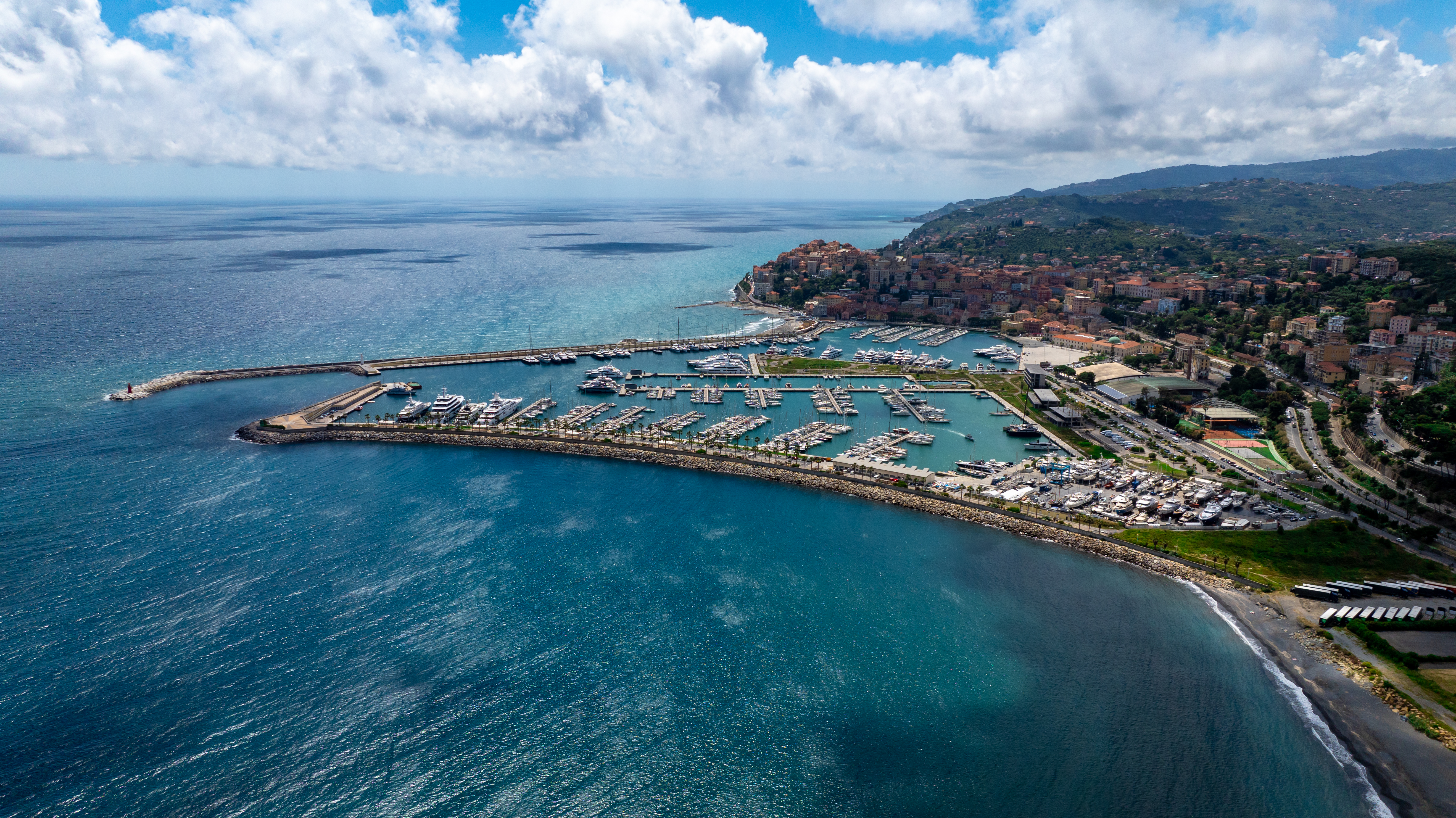
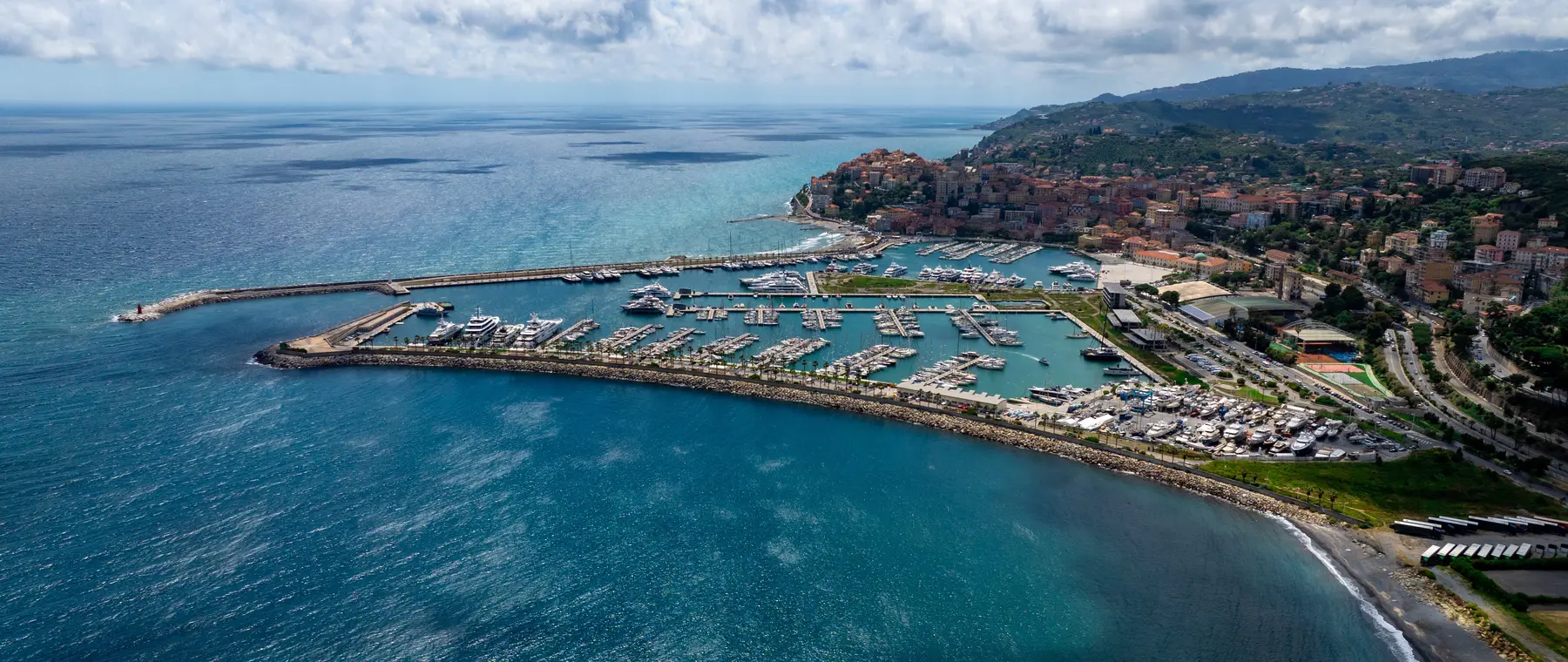
Aerial view of the Porto Maurizio/Marina di Imperia waterfront from Marina di Imperia’s official website gallery (DJI_0828); illustrative site photograph, not a photograph of the court hearing. © Marina di Imperia and original rights holder. Official source.
Explore
Go deeper into the yachts, companies, events and destinations directly connected to this article.
Continue reading

Former berth concession holders warn that a proposed €159m tender for Porto di Imperia could face further legal challenges over historic rights and pricing …
Aon Italia's Paolo Mascino identifies crew liability and shipyard insurance as critical issues for superyacht owners, covering P&I and refit risk allocation.
The UK Maritime and Coastguard Agency seeks yacht-sector evidence on pleasure-vessel definitions before 1 February 2027, following a fatal Cowes incident.
HM Revenue & Customs revised the goods declaration section of UK pleasure craft arrival guidance on 16 November, including overseas equipment purchases.
Superyacht Guide
Continue into the wider Superyacht Guide.
Business opportunities · Superyacht Guide
Companies serving the superyacht market can discuss clearly identified advertising, sponsorship and business-profile opportunities. Commercial activity remains separate from independent editorial coverage.