
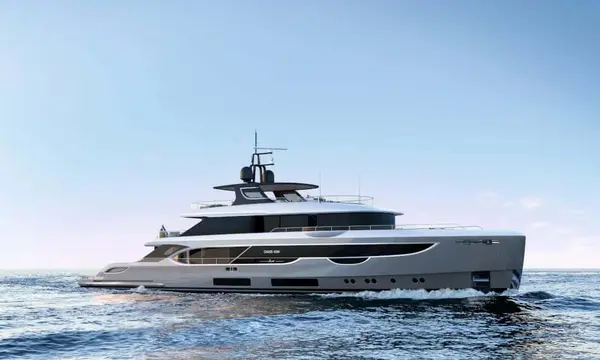
40m Superyacht Running Costs: Crew, Fuel, Berthing and Refit
Running a 40m superyacht requires a substantial annual budget for crew, maintenance, fuel, berthing and other operating costs. Superyacht Guide's 2026 model of 322 …
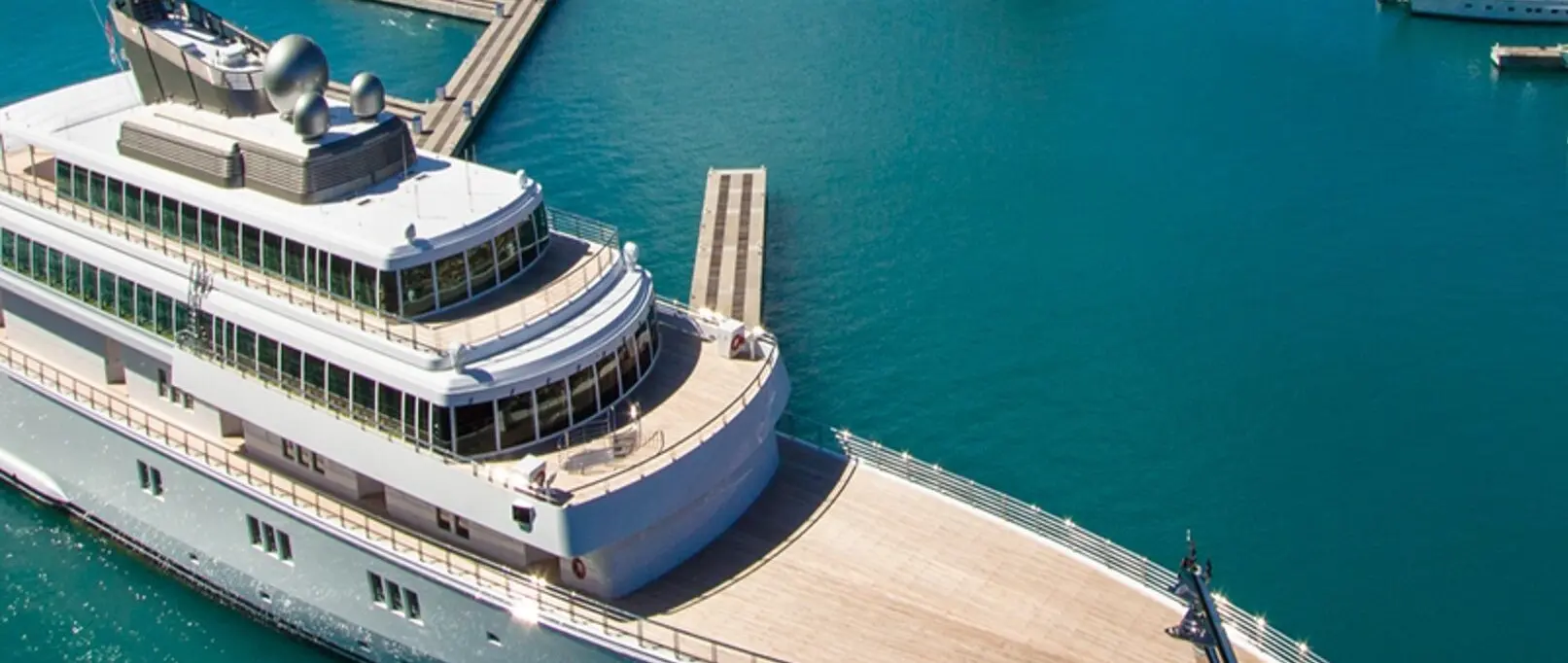
Aon Italia original corporate image supplied with Paolo Mascino shipyard insurance interview 2026
Aon Italia's Paolo Mascino identifies crew liability and shipyard insurance as critical issues for superyacht owners, covering P&I and refit risk allocation.
Insurance specialist Paolo Mascino of Aon Italia has identified two contractual areas worth particular attention for superyacht owners: liability associated with crew injuries and illness, and the way responsibility is divided between the owner, insurer and shipyard during a repair or refit. His comments appeared in a SuperYacht24 interview on 20 November 2026, originally prepared for the publication's Yacht Upstream supplement. This is an expert assessment, not an announcement of new law or a general finding that specific yachts are uninsured. It nevertheless raises practical questions that become increasingly important when a high-value vessel moves between charter operations, crew employment arrangements and a yard contract. The central point is that policies and contractual responsibilities should be understood before a claim. A yacht may possess apparently comprehensive insurance paperwork and still have unanswered questions about who is protected, when cover applies and what rights an insurer has after paying a loss.
Superyachts often use management businesses and dedicated crew-employment companies as part of an international operating structure. These arrangements may be efficient, but they can leave individuals uncertain about which legal entity is responsible after an injury or serious illness. In the published interview, Mascino highlights the difference between an economic owner benefiting from the crew's work and the company formally acting as employer. He advises examining protection for both rather than relying on assumptions drawn from the employment contract's letterhead. The actual allocation of liability depends on national law, flag rules, the contractual documents and the circumstances of a particular incident. It would be inaccurate to suggest that every owner and crew agent are automatically liable in the same way. The more useful lesson for an owner is to ask a qualified broker and adviser to map each company in the operating chain against the cover actually purchased, especially where policy schedules refer to named insured parties.
The Maritime Labour Convention 2006 and relevant flag-state implementation can impose obligations concerning seafarers' working conditions, medical care and welfare. The scope of those rules needs careful application to the individual vessel, its registration and its employment arrangements. Aon Italia's commentary places these responsibilities in the context of injury and illness, where the first concern must be assistance for the person involved. Yacht managers should ensure that the captain knows whom to contact for immediate medical support, urgent travel approval and notification to insurers or administrators. Procedures should include a way to reach decision-makers outside normal office hours. A written plan helps only when crew have practised or understood it. Insurance documents cannot substitute for competent emergency action, and regulatory compliance is not achieved simply by buying a policy with a familiar name. The interaction between employment protections, the shipboard response and insurance is the real operational issue.
Protection and indemnity insurance is widely used to cover defined liabilities connected with vessel operations, including some crew-related claims. The Aon Italia interview outlines possible benefits involving medical treatment, repatriation, replacement crew and sick wages where the applicable terms respond. Those descriptions should not be read as an assurance that every P&I policy covers each item without exceptions. An incident occurring while a crew member is off duty may raise different questions from an injury during assigned work, which is why additional crew extensions or separate cover may merit discussion. The exact wording, notification conditions, exclusions and applicable limits govern what is payable. A crew member's personal needs also extend beyond the mechanics of an insurance claim. Owners should expect their management arrangements to provide a humane, prompt response while the insurer evaluates the formal position. This is an area where good planning serves both the employee and the yacht's operational continuity.
A superyacht can depend on a small number of people with specialist qualifications, intimate knowledge of machinery or established roles in guest operations. A sudden absence may affect minimum safe manning, scheduled maintenance or a planned charter, even when the underlying medical claim is properly handled. The yacht may need to source a replacement chief engineer, officer, chef or other experienced professional at short notice. Availability is not necessarily predictable in a remote cruising area. For that reason, insurers and managers should discuss the treatment of travel and replacement costs before the vessel begins a demanding itinerary. The published Aon remarks point to replacement arrangements as one aspect of potential crew-related cover. Yacht operators should then make their own contingency plan, identifying reputable crewing channels, approval procedures and the qualifications that must be checked. Insurance may help with expense, but it does not remove the captain's responsibility to operate the yacht safely.
An incident requires action, but it also generates records that may be essential later. The interview refers to prompt notice, a captain's report, medical documentation and the relevant employment agreement as examples of material insurers may need. An owner should establish a secure process for collecting and retaining those records without delaying necessary care. The captain's account should distinguish direct observations from second-hand information and avoid unsupported conclusions about blame. Sensitive medical and personal information should be shared only through appropriate channels. When crew are engaged through different agencies, managers need confidence that the correct contract, commencement date and employment details can be retrieved quickly. The lesson is not to create paperwork for its own sake, but to make facts available to the right people at the right time. A well-organised case file can reduce confusion among the yacht, employer, broker and insurer, especially if the parties are based in different countries.
Refit and repair periods introduce exposures different from those encountered during normal cruising. A yacht may be connected to temporary shore services, lifted out of the water, worked on by several contractors or subjected to hot work such as welding. The vessel may also be parked beside other valuable yachts. The owner's policy, the yard's policy and the repair contract all need to be understood together. Mascino's interview raises the possibility that a shipyard's liability limits may be insufficient to match the entire value of a high-value vessel. That fact alone does not demonstrate that a yard is negligent or unprofessional; insured limits must be assessed in relation to the work, facilities and exposure. Owners should request the relevant policy information well before arrival, including terms for subcontractors, movement of the yacht and the dates when it will be under the yard's control. The technical reputation of a yard is important, but so is the clarity of the financial arrangements surrounding its work.
In simple terms, an insurer that pays a covered loss may possess rights to recover some or all of that payment from a responsible third party. A waiver of subrogation, sometimes called a waiver of recourse, can limit those rights in accordance with its wording. Shipyards may seek such agreements as part of their contractual conditions. The Aon Italia interview cautions that this is not an administrative formality to be signed without consideration. It can transfer or retain significant financial risk within the owner's insurance arrangement. The final effect depends on the policy, the waiver itself and the governing law, so owners should not rely on a general definition when faced with a specific form. Brokers may need to review the proposed work, vessel value, insured sums, period in the yard and activities such as lifting or welding before an endorsement can be considered. Insurance and legal advice should come before a commitment, not after a dispute has arisen.
One yacht damaged in isolation presents a different exposure from several yachts affected by the same fire or incident. Large repair yards may have many high-value vessels alongside one another during peak seasons, creating the potential for accumulation of losses. Mascino uses an illustrative difference between a five-million-euro damage amount and a three-million-euro yard insured limit to show how recovery and insurer exposure could be affected. That is an example, not a standard payout formula. Insured limits may be shared, affected by sub-limits or subject to exclusions, and the responsibility of each party may be contested. For an owner, the important question is whether the contractual and insurance arrangement remains sensible under a plausible severe incident, not merely whether a certificate displays a large number. Independent advice is essential where a waiver or unusually complex repair scope is involved, particularly if the vessel is much more valuable than the yard's available liability limit.
A shipyard may carry several forms of insurance, and the names can sound reassuring without explaining the policy's actual boundaries. Aon Italia's interview draws attention to specialist Ship Repair Liability protection and the possible shortcomings of relying exclusively on ordinary third-party liability cover. Clauses addressing property in the yard's custody, lifting operations, work defects and post-handover periods are not necessarily identical across insurers. A headline limit can coexist with much smaller sub-limits for particular activities, while deductibles or exclusions may materially change the response. The owner's representative therefore needs the full relevant documents, not only a marketing summary or a certificate confirming that some policy exists. Those documents should be considered by an insurance professional familiar with large-yacht repair operations. The aim is to identify and address gaps before the yacht is exposed, rather than to negotiate the meaning of policy terms while contractors are trying to manage a serious casualty.
A yacht manager comparing two shipyards typically considers technical capability, berth availability, timing, logistics and price. The insurance arrangements can affect that comparison as well. A waiver requested by one yard might entail additional work by the owner's insurer or an extra premium, while a different facility could offer a different contractual risk profile. The total cost should be assessed before signing, especially when the vessel's planned downtime has commercial consequences. A lower initial refit quotation is not necessarily a less expensive project once all risk-related expenses are included. The reverse is also true: a higher premium does not prove that one yard is unsafe. The relevant information must come from the real policies, the nature of the work and the insurer's assessment. Managers should build sufficient time into the schedule for document review because insurance approvals cannot be assumed to happen instantly. The value lies in predictable arrangements rather than last-minute negotiations.
Before a new cruising season or a substantial yard period, a manager can review the names of insured entities, crew contracts, required cover, notification procedures and the current itinerary. For a yard visit, the work list and key dates should be matched to policies, endorsements and contractor arrangements. Any waiver should receive explicit professional scrutiny. Captains need to know how to escalate a crew incident and how to preserve relevant factual records, while the owner's office should understand who can authorise emergency costs and communicate with insurers. These are areas for professional due diligence, not substitutes for legal advice or the instructions of a particular underwriter. The November interview is valuable because it brings both employment responsibilities and yard insurance to the same discussion. Those subjects are often managed by separate teams but both can create serious exposure if organisational boundaries obscure the actual terms.
The two topics identified by Mascino reveal a common problem: the party that appears to be responsible in daily operations may not be the only party whose legal or financial interests are involved in a claim. A crew employer, beneficial owner, insurer, yard and subcontractor can each have distinct obligations. The existence of several entities is not itself a defect, but uncertainty about the boundaries can make an already difficult event harder to resolve. The interview reinforces the need for clear contracts, suitable insurance and a plan understood by those who will act first. Superyacht Guide's editorial conclusion is that the most useful insurance work happens while nothing has gone wrong. Owners should obtain advice specific to the flag, jurisdiction, vessel and policy, then ensure that those decisions translate into practical instructions for managers and crew. The confirmed news is the expert assessment published on 20 November, not a change to the underlying legal framework.
Primary source: SuperYacht24 — original interview with Paolo Mascino of Aon Italia, 20 November 2026.
Image: Aon Italia, corporate photograph supplied in the 20 November 2026 SuperYacht24 interview with Paolo Mascino; not a photograph of an incident. Official source.
Continue reading
Running a 40m superyacht requires a substantial annual budget for crew, maintenance, fuel, berthing and other operating costs. Superyacht Guide's 2026 model of 322 …
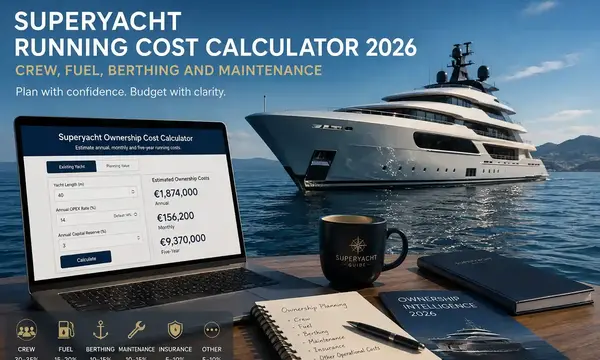
Superyacht Guide's 2026 running cost calculator provides annual, monthly and five-year ownership estimates using either an existing yacht or a planning value. It gives …

Vitters Shipyard's November announcement highlights long-term sailing yacht engineering support, maintenance and refit coordination through its two service bases.
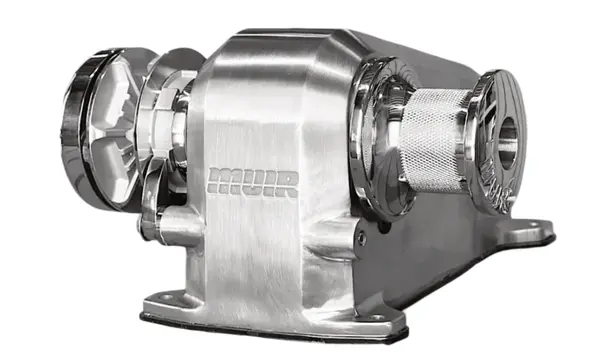
Muir introduces Volume II of its anchoring guide at METSTRADE, addressing equipment handover, commissioning, safe operation and maintenance for large yacht crews.
Superyacht Guide
Continue into the wider Superyacht Guide.
Business opportunities · Superyacht Guide
Companies serving the superyacht market can discuss clearly identified advertising, sponsorship and business-profile opportunities. Commercial activity remains separate from independent editorial coverage.