
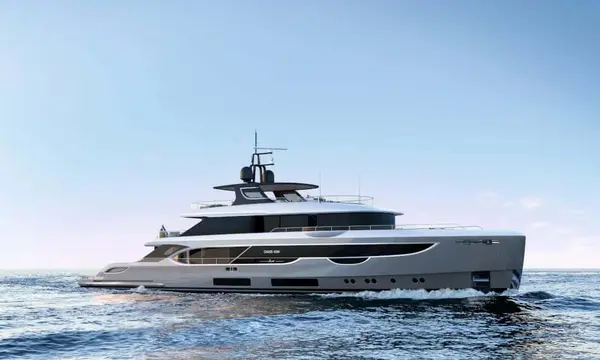
40m Superyacht Running Costs: Crew, Fuel, Berthing and Refit
Running a 40m superyacht requires a substantial annual budget for crew, maintenance, fuel, berthing and other operating costs. Superyacht Guide's 2026 model of 322 …
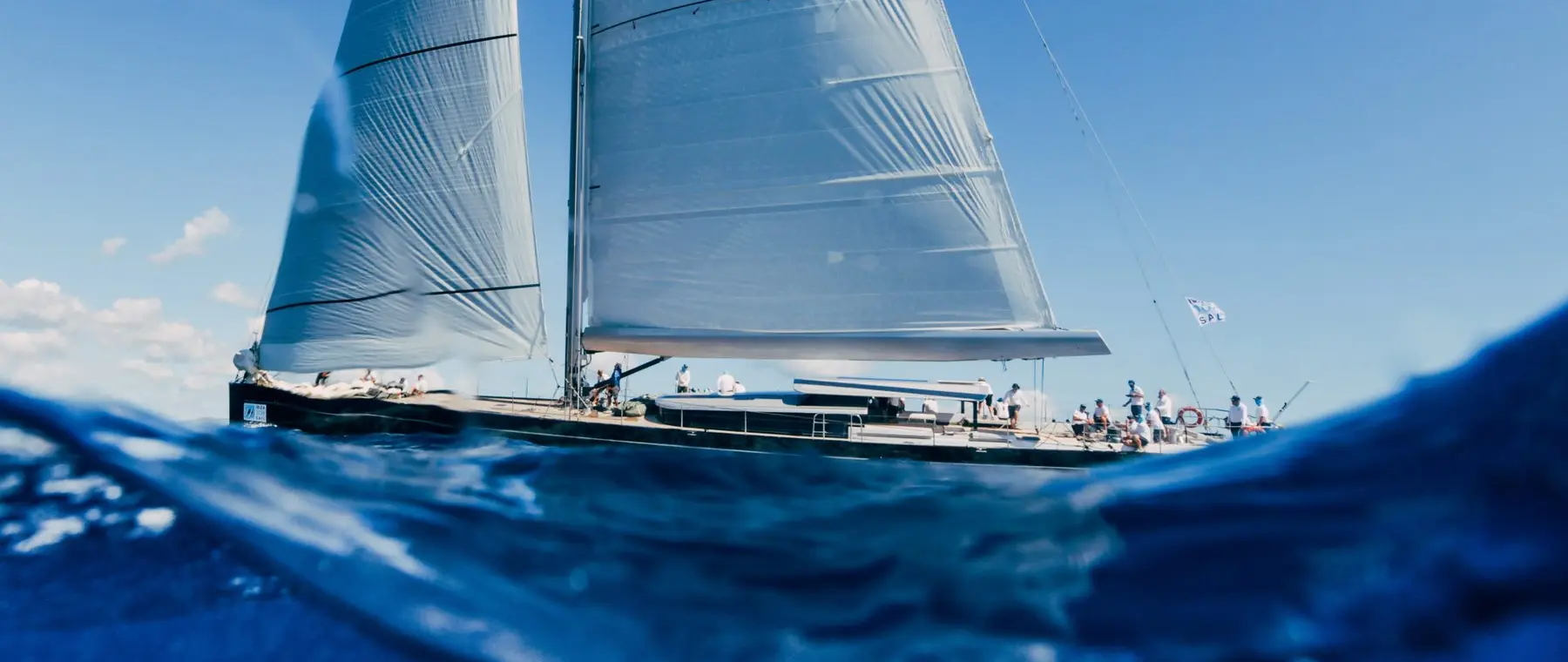
Sailing Energy photograph accompanying Vitters Shipyard's METSTRADE 2026 release — Ibiza JoySail illustration
Vitters Shipyard's November announcement highlights long-term sailing yacht engineering support, maintenance and refit coordination through its two service bases.
Vitters Shipyard used its November announcement for METSTRADE 2026 to draw attention to the continuing relationship between a large sailing yacht and the company that built it. In addition to its construction business in the Netherlands, the yard identified the activities of Vitters Service, with operations in Zwartsluis and Palma de Mallorca. The Amsterdam exhibition ran from 17 to 19 November, and its announced programme included opportunities to discuss maintenance, refits and system improvements with owners and professional crew.
The significance of the announcement extends beyond the company's exhibition stand. The technical complexity of custom sailing yachts makes continuity of knowledge an important factor in managing them over a long period. A vessel's original drawings, design decisions and commissioning records can be particularly valuable when an owner is considering substantial work years after delivery.
Vitters also reported that three projects were under construction at Zwartsluis at the time of the announcement. The company offered prospective clients and industry contacts an opportunity to arrange visits to the yard. No new construction contract or completed refit was announced in the release, and the company's exhibition invitation does not establish the outcome of individual meetings.
A custom yacht incorporates a large number of engineered systems selected to work within one particular design. Mechanical arrangements, electrical services, hydraulics, rigging and interior structures may depend on decisions made during the original design and commissioning process.
When a fault arises later in the yacht's life, identifying the affected component is not always the difficult part. The greater challenge may be understanding its interfaces with other equipment, the loads for which it was designed and the limitations placed on its installation. Original engineering documentation can provide a starting point for that work.
An owner who changes management companies or replaces a captain will benefit from having those records held in an accessible controlled archive. Details should not reside solely in personal correspondence or in the recollections of the people who supervised construction. A documented understanding of the boat also makes it easier to bring appropriate outside specialists into a repair or upgrade project.
One practical objective of lifecycle management is to maintain an accurate record of the installed condition of the vessel. Original drawings remain useful but may not represent equipment after a number of seasons of operation and technical changes.
When a component is replaced or a control system is upgraded, the yacht's documentation should identify the change, the authorising decision and any relevant test results. Updated operating instructions may also be necessary. In some cases the original drawing should be retained for historical reference alongside a clearly identified current revision.
This form of configuration management is particularly important where the change affects multiple departments. An alteration made to a hydraulic installation could affect the operation of deck equipment as well as the engineering department's maintenance schedule. Software changes can similarly require updates to instructions or a review of compatibility with other systems.
The benefit of a builder-linked service organisation is the potential to consult earlier technical information when necessary. That relationship does not remove the need for the yacht's own management to keep the current records complete.
A custom sailing yacht may spend one season engaged in competitive sailing and another undertaking a more relaxed cruising programme. The way it is used has implications for the workload and the inspection requirements of individual systems.
A maintenance plan should therefore account for both calendar-based and operation-based requirements. The actual recommendations of equipment manufacturers, the vessel's applicable survey regime and the experience of the technical team should inform that schedule.
Crew records can help identify recurring issues before they develop into larger projects. For example, the frequency of small repairs or operating interruptions may indicate a need to review a particular installation. An organised history provides better evidence than isolated reports, especially when an outside engineer is asked to attend.
Owners should also consider the time needed to obtain bespoke components. A high-performance sailing installation may include equipment that cannot be replaced immediately from a standard stock. Identifying critical spares and suitable suppliers before a demanding season begins can provide considerable operational value.
A large sailing yacht's rig is an integrated load-bearing system. Its condition cannot be evaluated solely by examining an individual fitting or by considering a single component's published capacity. The mast, standing rigging, deck structures, running rigging and associated control equipment all have relevant interfaces.
Specialist inspections and work should follow the applicable manufacturer, designer and surveyor requirements. The yacht's technical representatives should be able to distinguish routine servicing from changes that require a new engineering assessment or approval.
A refit is an appropriate occasion to review the records associated with this equipment, including previous inspection reports and the documentation for modifications. The objective is not simply to renew items because they appear old, but to establish their assessed condition and the required work in accordance with a competent technical programme.
For Vitters clients, access to the builder's engineering knowledge may help establish the design assumptions behind some installations. The specific specialists and approval arrangements required will still depend on the yacht and the proposed work.
Substantial refits can have different primary objectives. One owner may seek to achieve a new appearance and improve guest accommodation. Another may be concentrating on machinery renewal, reliability or the requirements of a particular survey. Some projects combine work across all of those areas.
The specification should distinguish necessary work from desirable improvements and identify dependencies between activities. A project affecting an interior and a technical installation may require access behind joinery, creating a sequence of operations that must be agreed by both departments. It may be more efficient to undertake associated work in one controlled period than to repeat the process during subsequent yard visits.
A clear specification also helps the owner representative evaluate quotations. Different bidders may have made different assumptions about the scope, inspection requirements or the condition in which equipment will be returned to service. Resolving those differences before placing contracts can improve the accuracy of a budget and reduce disputes later.
The company's two identified service bases provide a useful geographical distinction. The Netherlands is the location of its construction yard, while Palma is an established Mediterranean yachting centre. The choice of a facility for particular work should reflect the yacht's programme, the nature of the project and the availability of specialist resources.
A technical representative planning a refit should establish what work can actually be undertaken at the proposed location. Yard capacity, lifting or access arrangements, local supplier competence and the availability of suitable berths will all matter. The announcement does not provide a comprehensive capability list for every type of yacht at each location, so individual requirements should be discussed with the service team.
For owners who operate frequently around the Mediterranean, having access to technical expertise within the region may make it easier to arrange appropriate maintenance during a short interruption to a cruising programme. Larger works may require a separate period reserved in the itinerary.
A decision to improve the yacht's interior systems or technical equipment can be driven by many factors, including the availability of replacement parts, operational efficiency and changing expectations of guest comfort. The important issue is that the proposed installation must fit the yacht's existing design.
A new unit may have different requirements for cooling, ventilation, electrical supply, communications or maintenance access. Verifying those requirements early is preferable to discovering installation difficulties while the yacht is already undergoing work. Designers and engineers should document the chosen solution and ensure that the relevant parties understand the limitations.
Where a proposed improvement has an expected performance benefit, a sensible commissioning plan should establish what evidence will be collected to demonstrate that benefit. The final handover should include updated documentation, training where needed and the contact arrangements for warranty support.
Vitters' decision to present its construction and service expertise together reflects an important characteristic of the market for custom yachts. The cost and usefulness of ownership extend beyond the original delivery date. A yacht that has been consistently maintained and whose technical history is well documented may offer a clearer proposition to future purchasers and their surveyors.
A builder's involvement is one possible means of achieving continuity, alongside the work of captains, technical managers, surveyors and independent specialists. The appropriate balance between those parties will vary with the project. The owner benefits when responsibilities are clearly defined and the resulting information remains accessible throughout the life of the yacht.
The November statement establishes the company's intention to promote that longer-term relationship at METSTRADE and its reported construction activity. Owners and captains looking into specific maintenance or refit projects can use the service organisation as a point of enquiry, while confirming the scope, location, technical approvals and timetable appropriate to their vessel. The release is a reminder that aftercare should be considered during the initial design and purchase process, not only when the first substantial technical project arises.
Primary source: Vitters Shipyard — November 2026 METSTRADE announcement.
Photograph: Sailing Energy / Vitters Shipyard, from the shipyard's official METSTRADE news release; illustrative sailing image, not a photograph of the exhibition. Official source.
Continue reading
Running a 40m superyacht requires a substantial annual budget for crew, maintenance, fuel, berthing and other operating costs. Superyacht Guide's 2026 model of 322 …

Superyacht Guide's 2026 running cost calculator provides annual, monthly and five-year ownership estimates using either an existing yacht or a planning value. It gives …
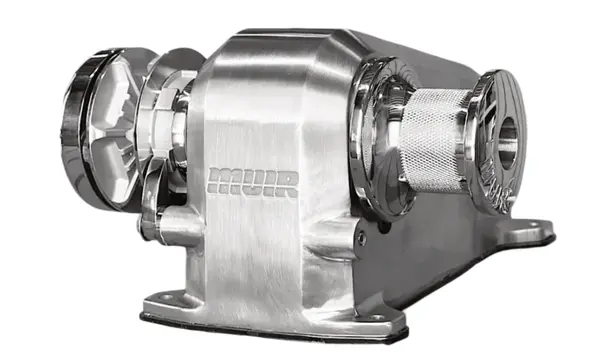
Muir introduces Volume II of its anchoring guide at METSTRADE, addressing equipment handover, commissioning, safe operation and maintenance for large yacht crews.
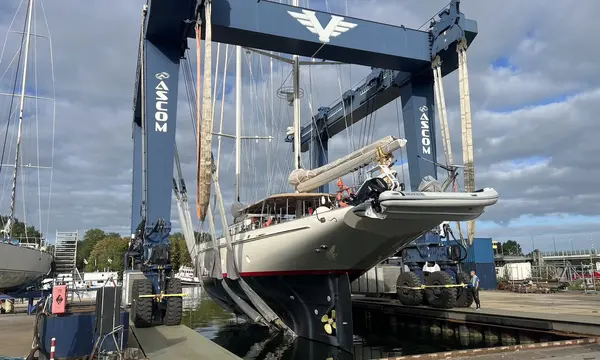
Amsterdam Yacht Service reports a rig-on haul-out for 41.54m MELODY, including antifouling, exterior maintenance, rig retuning and a swing-keel inspection.
Superyacht Guide
Continue into the wider Superyacht Guide.
Business opportunities · Superyacht Guide
Companies serving the superyacht market can discuss clearly identified advertising, sponsorship and business-profile opportunities. Commercial activity remains separate from independent editorial coverage.