Jefa ES150 Gets Five Helm Wheel Angles for RIB Operators
By Superyacht Guide Newsroom · Edited by Superyacht Guide Newsroom
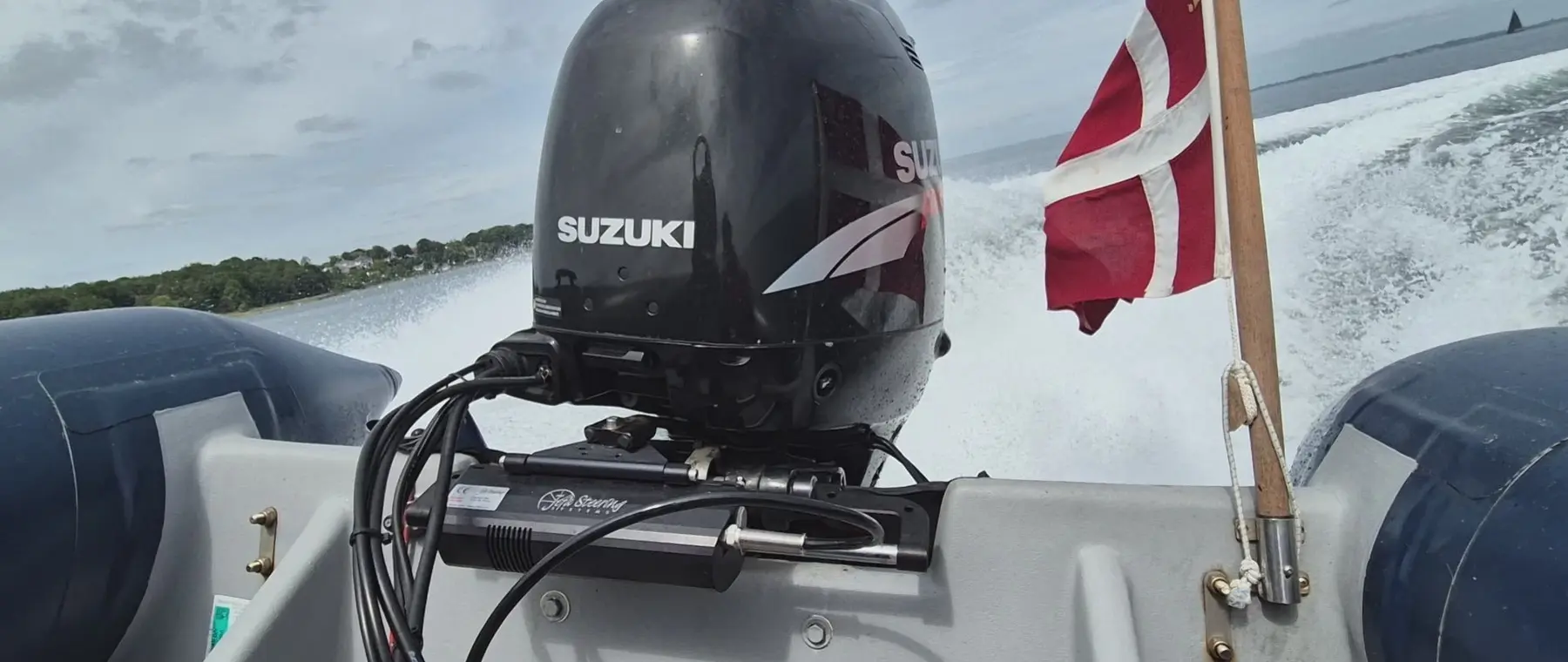
Jefa ES150 manufacturer electronic steering demonstration video still independent of LBG Tilt Helm photo 2026
Jefa adds five-position wheel angle adjustment to its ES150 electric steering system, with new-build and retrofit options for superyacht tender helms.
Danish steering specialist Jefa Steering has introduced Tilt Helm, an adjustable wheel mounting option for its ES150 electric steering system, at METSTRADE 2026. Announced through BSI Marine Equipment Group on 11 November, the upgrade permits the steering wheel to move from minus 10 degrees to plus 30 degrees in ten-degree increments across five positions. The manufacturer says the arrangement can be specified on new boats or supplied as a retrofit for compatible ES150 installations. Its immediate market includes powerboats, RIBs and other craft where drivers often switch between seated and standing positions. For the superyacht industry the relevant application is the professionally operated tender or support boat, not a claim that the ES150 is automatically approved to steer a large classified yacht. The development shows how ergonomics and safe control access can matter alongside electronic steering performance.
A tender driver may spend several hours moving guests between a yacht and the shore, waiting at marina pontoons and repositioning the boat alongside a swim platform. The driver often changes posture to improve visibility when manoeuvring in close quarters or moving through rougher water. A fixed wheel angle may be comfortable for one person in one seating position but awkward for another. Reaching the wheel at the wrong angle can contribute to fatigue or make it difficult to maintain a natural grip. The new adjustment is designed to address that particular physical issue. The mechanism does not change the vessel's underlying handling characteristics, and the operator must still maintain a clear view and safe access to the other controls. Nevertheless, a better helm position can be a valuable improvement to how consistently a tender is handled during a busy day.
The official release states that the Tilt Helm has five positions between minus 10 and plus 30 degrees, changing in increments of 10 degrees. That makes its range and adjustment steps concrete rather than a vague promise of flexibility. The manufacturer says its purpose is to support more varied helm layouts and driver positions while building on the ES150's existing electric steering architecture. It does not publish a universal compatibility list for every boat or retrofit console in the short press announcement. Owners should therefore check the exact ES150 configuration, wheel clearance, mounting structure and any additional parts required for the selected package. A steering upgrade should never be assumed to fit simply because the same model name appears in the sales material. The installation drawings and maker's current technical guidance remain essential.
On a large superyacht, guest tenders can be substantial vessels in their own right, with specialist layouts, long operating hours and a need to carry passengers smoothly and safely. They may also be driven by several members of the deck team during a single charter. An adjustable steering wheel can make it easier for people of different height and build to find a workable position, especially where the helm seat is also adjustable. That does not mean every tender needs the option. The captain and tender manager should assess the actual console geometry, height of the windscreen and whether the driver can see passengers, obstacles and the yacht's platform while seated or standing. Ergonomic adjustments work best when the entire driving station is designed coherently rather than when one isolated component is made movable.
A RIB helmsman may sit during a long transfer and stand when looking over waves or approaching a berth. The difference changes the angle of the arms, wrist position and the space available around the wheel. Tilting the wheel could help maintain a comfortable grip in both configurations, but care must be taken to prevent the wheel from interfering with the throttle, switches or handholds. The driver should also be able to leave the helm without catching clothing or equipment on the controls. The official announcement highlights flexibility in this kind of operating environment. A good acceptance test should check the actual seating and standing positions of the crew members likely to use the boat, not only those of the yard's test driver. A successful design supports safe control without requiring awkward reach or poor posture.
Jefa says the Tilt Helm can be offered as an upgrade for existing ES150 systems. That could be attractive for an established tender whose basic steering performance is satisfactory but whose helm arrangement has drawn complaints from operators. A retrofit still requires survey and technical checks, including wheel size, console strength, cable routing and whether existing trim or instrument panels reduce the available adjustment range. A yacht manager should request the current installation instructions and a quote that specifies all associated work. If the helm cover, dashboard trim or seat positions need changes, those should be included in the budget before approval. Any adjustment mechanism may also require additional inspection over time. The purpose of the retrofit is not simply to install the new component, but to improve the driving environment without compromising control integrity.
The ES150 is an electric steering system, and wheel-angle adjustment must not affect the safety of its electrical or mechanical functions. The manufacturer should explain the approved movement envelope, mounting loads and any constraints needed to keep controls correctly aligned. The yacht's technicians also need to understand what happens when electrical power or communication is lost. The short Tilt Helm announcement does not establish the complete failure procedures of every ES150 installation. A tender is expected to manoeuvre close to people, structures and other craft, so the steering system deserves the same seriousness as its propulsion controls. Sea trials should confirm predictable steering response through the permitted operating range. No adjustable accessory removes the need for safe handling, inspections and appropriate emergency procedures.
A wheel that can be moved through several positions must remain securely fixed once the driver selects the desired setting. The unit should not shift unexpectedly when someone uses the wheel to brace against vessel movement, and adjustment should be performed according to the manufacturer's instructions. The supplier's press release describes the available angles but does not provide the full retention mechanism or endurance test results. Owners should request that information where it is important to the project. Inspection of the locking and mounting components should be part of the tender's maintenance plan. Salt deposits, vibration and repeated adjustment can affect marine hardware, making service access and clear guidance important. The most useful feature is one that works predictably after many different crew members have operated it throughout a season.
Professional yachts often carry several support craft with different engine packages and steering arrangements. Consistency in the way controls operate can reduce familiarisation time, although it is not always possible to make every boat identical. An adjustable helm can support a wider range of drivers, but the crew still needs to know how to select and secure a position. The captain should ensure that any retrofit is recorded in the vessel's equipment file and that users are shown the manufacturer's approved adjustment procedure. If the fleet operates boats with and without Tilt Helm, the handover checklist may note this difference. Operational consistency is particularly valuable during demanding guest transfers when the tender driver is also communicating with deck personnel and watching traffic near the mother yacht.
Jefa emphasises that the new option gives manufacturers greater freedom to position steering equipment relative to seating and console structures. Designers can consider changes to the driving position without treating a fixed wheel angle as an immutable constraint. This may help in compact tenders where the available volume is limited by passenger seating or stowage. But the wheel cannot be considered separately from throttles, engine displays, compass and visibility. Controls should be reachable under the intended conditions, and nothing should encourage a driver to operate a craft while looking away from the water. A boatbuilder should verify that the wheel remains safely accessible at each approved angle. In a premium tender, thoughtful ergonomics is more valuable than the appearance of additional adjustment hardware on a showroom console.
Tender journeys are often one of the first practical experiences guests have with a yacht's operation. Smooth arrivals and a confident driver can make those journeys feel simple, even when quay conditions and traffic are complicated. A helm arrangement that reduces unnecessary strain may support professional performance, but it cannot be credited automatically with improved safety outcomes without testing. The design should address the driver as a working crew member who may use the equipment repeatedly, not only as part of the tender's styling. Owners can ask their experienced drivers whether the existing controls are comfortable and use that feedback in a technical review. The results may indicate that the seat, windscreen or throttle position also needs attention. A single adjustment option should be evaluated within that wider layout.
A proper specification should identify the compatible ES150 hardware version, the intended wheel, adjustment geometry and service clearances. It should also establish the strength of the supporting console and whether the installation needs special electrical protection. The yard should confirm that the steering system remains easy to inspect and that any cables or other components cannot be pinched during movement. A practical test should check all permitted wheel positions and ensure that nothing interferes with other controls. The builder or technician must follow the manufacturer's instructions rather than improvising a mount. If the tender is subject to a commercial or flag-related approval process, the change should be assessed within that framework. The owner should receive updated drawings and a clear description of the new mechanism.
Owners should preserve the product version, installation record and parts information with the tender's other technical documentation. If the adjustment system requires periodic checks, those should be incorporated into the planned-maintenance programme. Crew should know what unusual looseness or resistance looks like and when the unit should be taken out of service for inspection. A tender often travels internationally with its mother yacht, making local repair support less predictable than at a domestic service centre. The availability of replacement parts is therefore a useful purchasing question. A modest ergonomic upgrade can still create an avoidable operational interruption if it is difficult to support in service. Good documentation makes future maintenance more straightforward for engineers who were not involved in the original installation.
The ES150 electric steering system existed before this announcement; the new feature being introduced in November 2026 is specifically the Tilt Helm wheel-angle option. This distinction matters because it avoids presenting the entire steering product as a first-time release. The supplier's angles, intended user benefits and proposed retrofit capability provide a clear basis for reporting the development. They do not establish that the product is suitable for every tender size or that adjusting the steering wheel will solve underlying hull-handling issues. The right approach is to consider it where the helm ergonomics can be improved within the manufacturer's technical limits. For superyacht operators, the news is a reminder that the safety and comfort of smaller workboats deserve the same design attention as systems aboard the mothership.
Primary source: Jefa Steering / BSI Marine Equipment Group — 11 November 2026 ES150 Tilt Helm upgrade announcement.
Manufacturer illustration: Jefa ES150 electronic steering demonstration video still from the official boat-steering.com website; not the new Tilt Helm component itself. Official source.
Explore
Go deeper into the yachts, companies, events and destinations directly connected to this article.
Continue reading
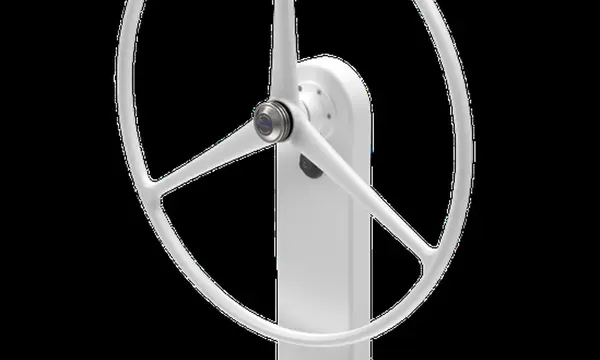
Jefa launches its WP950 bulkhead-mounted multihull steering pedestal with movable helm positions and support for mechanical or wire steering arrangements.
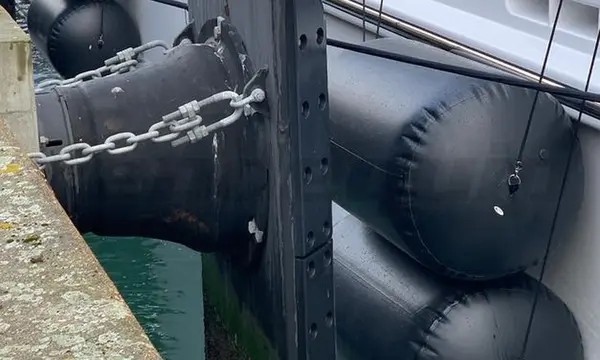
Fendequip showcases UK-made maxiStow inflatable superyacht fenders at METSTRADE 2026, focusing on hull protection, stowage and crew deployment.
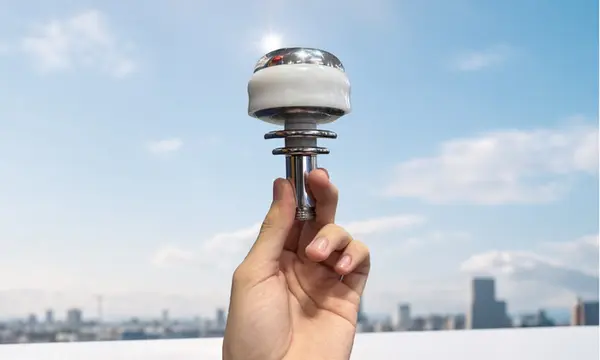
Technical Marine Supplies introduces SERTEC CMCE Micro at METSTRADE 2026, a passive capacitive device marketed for marine static-charge management.
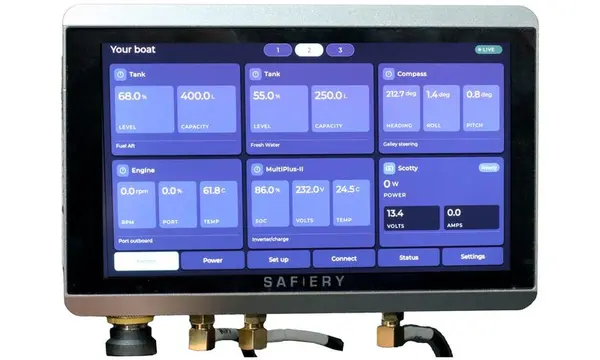
Safiery promotes Quasar ONE vessel monitoring with 15-minute fault analysis across NMEA 2000 and Victron data, making vendor claims about 60 fault types.
Superyacht Guide
Continue into the wider Superyacht Guide.
Business opportunities · Superyacht Guide
Companies serving the superyacht market can discuss clearly identified advertising, sponsorship and business-profile opportunities. Commercial activity remains separate from independent editorial coverage.
