Company
Technical Marine Supplies
Explore the company profile and related Superyacht Guide coverage.

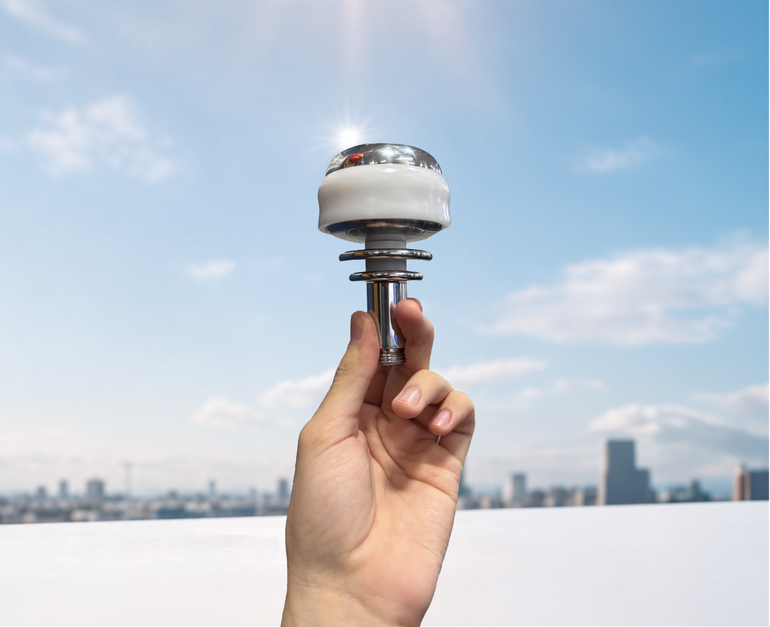
SERTEC CMCE Micro marine static charge management capacitive device technical manufacturer photo
Technical Marine Supplies introduces SERTEC CMCE Micro at METSTRADE 2026, a passive capacitive device marketed for marine static-charge management.
Technical Marine Supplies has introduced the SERTEC CMCE Micro at METSTRADE 2026, presenting a compact passive device intended to manage electrostatic conditions around exposed marine structures. In its 10 November press release, the company describes a capacitive-electrode approach to reducing local electric-field concentrations and conditions associated with corona discharge, without an external power supply. Technical Marine Supplies is the distributor presenting the product to European customers, with UK stock and technical support planned. The concept was originally developed for constrained positions such as outriggers on sportfishing boats, but the supplier identifies secondary yacht structures, navigation equipment and remote marine installations as possible applications. The announcement is significant because lightning-risk management is a genuine engineering concern aboard yachts, although **the release does not demonstrate that this device prevents lightning strikes or replaces an approved lightning-protection and bonding system**. Those claims must remain clearly separated.
A yacht operating near thunderstorms can be exposed to lightning, even when the crew has carefully assessed weather and adjusted its route. Tall masts, radar arches and exposed electronics can create concerns about potential paths for electrical current and secondary damage. Lightning behaviour is complex, and no small accessory should be represented as a guarantee that a vessel will avoid a strike. Captains and builders must continue to follow established weather avoidance, safe operating procedures and the requirements of any applicable lightning-protection standards. The new CMCE Micro is therefore best regarded as a proposed supplementary component whose installation and claimed effect need independent engineering review. A purchasing decision should begin with a clear account of the hazards to be managed, rather than with the assumption that one product removes the need for the yacht's existing protective arrangements.
The METSTRADE press release says CMCE Micro employs insulated capacitive electrodes designed to manage induced static electrical charge and reduce electric-field concentrations in the local installation area. The manufacturer contrasts this arrangement with traditional static dissipaters using arrays of fine conductive points. The device is passive and does not need an external electrical supply, according to the distributor. It may be installed alone or with larger SERTEC systems, subject to suitable earthing arrangements. These statements describe the principle and intended use, but the announcement does not include an independently verified strike-prevention rate or the technical evidence required to demonstrate effectiveness under all storm conditions. The difference is important for editors and owners alike: a claimed reduction in certain electrical conditions is not the same as a proven reduction in the probability of a direct lightning strike.
The supplier says the Micro version was developed in response to positions where larger equipment would be impractical because of size and weight. Sportfishing outriggers are one example, while the company's broader list includes weather buoys, navigation markers, unmanned surface vessels, communications equipment and secondary yacht structures. On a superyacht, many exposed installations have limited space for added hardware and may need to preserve an exact profile to avoid interference with moving equipment or sightlines. A smaller component might be easier to accommodate physically, but packaging alone does not establish its benefit or suitability. The yacht's engineer must still determine whether it can be mounted safely and whether its proposed electrical connection and geometry are consistent with the rest of the vessel's approved protective arrangements.
Traditional marine lightning protection addresses several different questions, including how current may travel, how exposed structures are connected and how equipment and people can be protected from dangerous potential differences. A passive static-management device is not automatically an alternative to those functions. The supplier's description expressly distinguishes the Micro concept from systems designed to handle the effects of a strike. Owners should not infer that they may remove existing air terminals, down conductors, bonding or surge protection because a capacitive device has been added. Any change to a yacht's protective design should be evaluated by a competent specialist familiar with the vessel's materials and electrical systems. Where class or flag rules apply, the final arrangement may also require approval. The central safety question is whether the proposed component complements a defensible protective scheme without degrading its other functions.
The official announcement states that the device can be installed with suitable earthing arrangements. The word suitable matters because a superyacht may combine aluminium, steel, composite structures and many interconnected electrical systems. A connection that appears straightforward on a metal support may be much more complex on a carbon-fibre mast or a composite radar enclosure. Poorly designed bonding may create unwanted current paths or other hazards. The installer should examine the manufacturer's current instructions together with the yacht's electrical and structural drawings. The technical team should know what the device must be connected to, how its connection will be inspected and whether any installation could interfere with antennas or other equipment. A generic mounting diagram is not enough for every vessel.
Superyacht radar units, communication antennas, cameras and weather sensors are often mounted high above the waterline, sometimes on structures with complex cable routes. Their vulnerability to direct or nearby lightning effects depends on numerous factors, including grounding, shielding and surge protection. A device marketed to manage local electric-field conditions may prompt useful discussion about these areas, but it should not be credited with protecting a particular radar or satellite terminal without evidence. Owners should ask whether the supplier has conducted tests relevant to the exact installation and what limitations are stated. They should also assess existing surge protective devices, cable pathways and maintenance arrangements. Protecting electronics requires a systems approach that includes installation quality and practical resilience, rather than relying on an isolated accessory.
The initial sportfishing-outrigger use case may be more closely related to smaller support craft than to the entire mother yacht. Large superyachts often carry RIBs, chase boats and equipment for specialist operations. Some of these craft have exposed antennas or auxiliary structures where space is constrained. The operator still needs to consider whether the product is appropriate to the craft's size, grounding and intended activity. A small boat does not necessarily have the same lightning risk or electrical configuration as a large steel yacht. The presence of the product should never encourage a tender to operate close to a thunderstorm that would otherwise cause the crew to return to shelter. Avoidance and sound seamanship remain important. Any supplementary device should be assessed in light of those existing procedures.
Technical Marine Supplies also identifies unmanned surface vessels and remote monitoring stations among possible applications. Such installations can face challenges because they may operate without staff able to intervene promptly after electrical damage. A passive device without its own power source might be attractive where energy budgets and servicing visits are limited. However, exposure conditions can be severe and the effectiveness of the proposed installation cannot be established from a short exhibition announcement. Operators should request test data and evidence of durability in salt, vibration and weather before specifying the component. The possible advantages of a compact passive system need to be balanced against the cost of installation and ongoing inspection. A sensible project would treat performance as a hypothesis requiring verification under relevant conditions.
Products designed to prevent unusual or catastrophic events are particularly difficult to evaluate because the absence of an incident is not proof that the product caused the favourable outcome. A yacht might sail for many years without a direct lightning strike whether or not such a device is installed. Reliable evidence would require appropriate testing or a carefully designed study rather than a handful of customer anecdotes. A supplier may be able to provide laboratory measurements of electric-field changes, but those should be distinguished from evidence of real-world strike prevention. Owners should ask what exactly was measured, against which comparison and under which conditions. Claims about reduced corona discharge or local fields should not be casually translated into an assurance of personal safety during a thunderstorm.
A superyacht may cruise across jurisdictions with different electrical rules and operating codes. Equipment that appears in a trade-show catalogue is not automatically approved for every use or recognised by a classification society. The yacht's responsible engineer should examine applicable standards, certification records and the status of any existing lightning-protection assessment before introducing new components. If the device modifies a protective system, the change should be documented and reviewed by the appropriate technical authority. The supplier's claim of global potential does not remove those obligations. An owner who values compliance and serviceability will want clear product identification, written installation instructions and traceable technical evidence. This is especially important for a passive device whose condition may be difficult to assess through an ordinary visual glance.
A passive device still needs suitable installation and inspection. Salt spray, vibration, accidental impact and corrosion can degrade external hardware, mounting brackets and connections even when there is no internal power supply. The planned-maintenance schedule should identify what the crew must check and whether specialist testing is required. Any protective coating or surface condition specified by the manufacturer should be preserved. A compromised connection could change the behaviour of the device or create other problems in the surrounding structure. Owners should ask for a clear service procedure that can be followed during international cruising, with details of replacement parts and inspection intervals. The absence of batteries or electronic controls is not the same as an absence of maintenance requirements.
A buyer considering CMCE Micro should ask the supplier for the relevant technical drawings, permitted mounting positions, installation restrictions, compatible structures and any independent test evidence. They should also request a precise description of its intended benefit and of what the device does not do. The shipyard's electrical engineer and lightning specialist can then decide whether there is a justified application. It may be appropriate to compare the device with other ways of addressing the same specific risk, without replacing mandatory equipment. A purchase decision should not be driven by a fear-based claim that every yacht without the product is inadequately protected. The useful question is whether the device contributes a measurable and safe improvement within the actual protective architecture.
The distributor says it is SERTEC's exclusive European distributor and intends to hold UK stock of the new Micro product. That arrangement may make quotations, technical discussions and deliveries easier for European boatbuilders, but availability must be confirmed for the exact order. Support quality also depends on how installers are trained and whether the distributor can obtain engineering answers from the manufacturer. Captains should ask who takes responsibility for a design recommendation and who can provide evidence if a surveyor questions the installation. An organised supply route is commercially useful but should not be mistaken for technical validation. The material delivered with the product needs to be strong enough for competent engineers to make an informed decision without relying solely on promotional statements.
The 10 November announcement establishes a genuine METSTRADE 2026 product debut for a compact, passive capacitive device. Its proposed use in marine lightning-risk management is relevant to exposed equipment on yachts and support craft, especially where installation space is limited. What has not been established in the published release is an independent universal reduction in lightning strikes or a basis for replacing conventional protection. A responsible superyacht specification should preserve that distinction. Buyers can explore the technology and ask detailed questions about testing, grounding, installation and maintenance, while continuing to rely on professionally designed protective measures and weather avoidance. The strongest editorial value of the launch is the opportunity to scrutinise a proposed new approach without allowing marketing language to become an unqualified safety promise.
Primary source: Technical Marine Supplies — 10 November 2026 official SERTEC CMCE Micro METSTRADE launch announcement.
Official supplier product image: SERTEC CMCE Micro capacitive marine device, supplied by Technical Marine Supplies via METSTRADE 2026. Official source.
Explore
Go deeper into the yachts, companies, events and destinations directly connected to this article.
Company
Explore the company profile and related Superyacht Guide coverage.
Continue reading
Videoworks has issued technical details of its completed digital refit aboard the 60m CRN charter yacht ELENI, covering multi-zone audio, a 115-inch upper-deck screen …
SEA.AI has tested its machine-vision technology across multiple crewed and uncrewed vessel platforms during the REPMUS 2026 exercise in Portugal.

Floatist has launched a managed website product for charter fleet operators that displays live availability, equipment details and booking payments.
McConaghy reports a new operational 50m autoclave and dedicated clean room for its MC1 carbon-spar production, with implications for larger rigs.
Superyacht Guide
Continue into the wider Superyacht Guide.
Business opportunities · Superyacht Guide
Companies serving the superyacht market can discuss clearly identified advertising, sponsorship and business-profile opportunities. Commercial activity remains separate from independent editorial coverage.