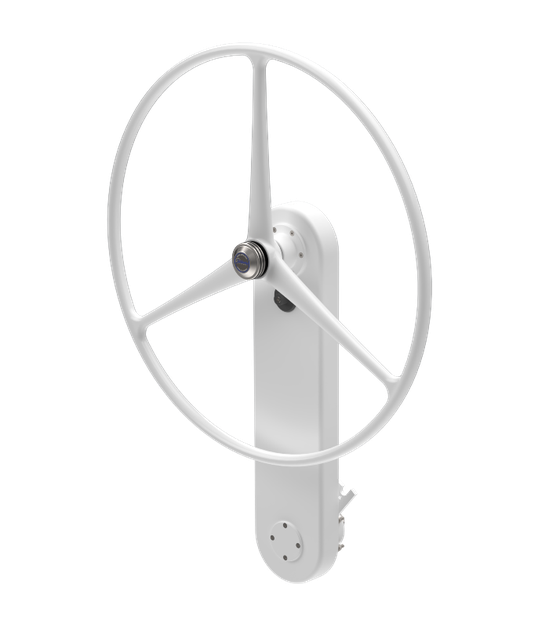
Jefa Introduces WP950 Bulkhead Steering Pedestal for Sailing Multihulls
By Superyacht Guide Newsroom · Edited by Superyacht Guide Newsroom
Jefa WP950 new bulkhead mounted aluminium multihull steering pedestal official METSTRADE manufacturer product
Jefa launches its WP950 bulkhead-mounted multihull steering pedestal with movable helm positions and support for mechanical or wire steering arrangements.
Danish marine steering manufacturer Jefa Steering has introduced the WP950, a bulkhead-mounted steering pedestal intended to offer more flexible helm arrangements on sailing multihulls. The product was announced on 11 November 2026 through BSI Marine Equipment Group ahead of the METSTRADE exhibition in Amsterdam. According to the manufacturer, the pedestal can be installed with wire or mechanical transmission steering, using an appropriate sprocket on the outgoing shaft, and it can be moved between port and starboard positions while freeing the cockpit sole of a conventional pedestal base. For designers of large sailing catamarans and other multihulls, such arrangements can be relevant to helm visibility, deck circulation and service access. The product should nevertheless be matched to the loads and steering architecture of each vessel, with no assumption that it has been certified for every sailing superyacht.
Sailing multihulls often offer generous overall deck area, but the specific space available around the helm can still be highly constrained. Steps to an upper deck, passenger routes, sail-handling equipment and visibility requirements may compete with the position of a traditional steering pedestal. A floor-mounted structure also occupies a part of the cockpit that passengers and crew may need to cross. Moving the support to the bulkhead changes the way the loads are carried and can potentially open the floor area. That is the fundamental idea behind the WP950. The improvement is useful only when the structure can carry the required steering loads and the new helm position remains safe for operation. A less intrusive pedestal is not automatically a better system if visibility or access deteriorates.
Jefa describes the WP950 as a pedestal that attaches directly to a suitable bulkhead. The supplier says it can be configured for wire or mechanical steering through changes to the outgoing-shaft sprocket, giving builders flexibility in both new construction and certain retrofit projects. The manufacturer also describes the pedestal as movable from port to starboard and capable of being secured in different positions. It is made from high-strength aluminium and given an alochrom treatment to protect the surface. Those are important statements about the intended architecture, but the short release does not provide a universal steering torque rating or a list of approved boat sizes. Those details are needed before a naval architect can specify the equipment for a large yacht.
A sailing catamaran may have two widely separated hulls and steering stations that need to accommodate sightlines along either side of the vessel. The operating geometry can change when sailing, docking or approaching a berth. A helm that can be located or adjusted between positions may help the skipper see sail shape and nearby obstacles without compromising deck circulation. However, the vessel's steering response is determined by its rudders, linkage, structural design and controls, not simply by where the wheel is located. A helm support should be selected as part of a complete system. Large multihulls can have distinctive mechanical load paths, and the required strength must be calculated for the actual design. The WP950 may offer useful layout flexibility, but its fitness for a particular 24-metre-plus catamaran is a question for the manufacturer and the yacht's steering engineer.
A pedestal fixed to a cockpit floor transfers loads into one kind of structure. A bulkhead-mounted unit sends those loads into another, and the difference matters to the structural design. The supporting bulkhead may need reinforcement or local load-spreading arrangements, especially on a composite yacht. A lightweight interior partition cannot simply be treated as a suitable anchoring point for steering gear. The naval architect should check wheel loads, operating forces, accidental impacts and fatigue under the expected conditions. The manufacturer's instructions should define the approved fastening arrangement. An installation can appear tidy on deck while hiding an inadequate load path behind finishing panels. Inspection access to the fasteners and surrounding structure is therefore an important element of the design, not an afterthought.
The announced ability to accommodate wire and mechanical steering through a change of sprocket is commercially useful, but it should not be interpreted as unrestricted compatibility. Cable diameter, chain or wire geometry, turning radius, sheaves and transmission loads may differ between yachts. Each arrangement needs a complete drawing and a correct set of components. A refit in particular should examine the condition of the existing transmission rather than assume the old wires, bearings or linkage can simply be reused. If the yacht has more than one steering station, the interaction between them also requires engineering attention. The project team should establish the approved ratio, movement and operating limits before connecting the helm to the rudder system. The supplier's promise of versatility is best realised through disciplined specification rather than improvised changes during installation.
The manufacturer's description says the WP950 can be moved between port and starboard and secured in different locations. That feature could help a sailor select a position with a useful view along the windward or leeward side. However, switching the pedestal's position must be done according to a safe procedure and under the conditions permitted by the manufacturer. The crew should not attempt a change when the steering system is heavily loaded unless that use is explicitly approved. A locking mechanism must secure the pedestal reliably once a position is selected. The owner should request details of how engagement works and what indications show that the support is correctly locked. Any possibility of a control moving unexpectedly while a yacht is under way deserves careful assessment during commissioning.
Jefa describes an engagement arrangement in which a handle is opened and clicks into the next position when reached. It also says the engagement plate can be set at the desired angle and may be customised. These details suggest an emphasis on practical adjustment rather than a fixed permanently installed helm. Still, the press description is not a complete operating manual. Operators need to know which adjustments are permitted while sailing, whether special locking checks are required and what should be inspected for wear. A system with movable components may be subjected to repeated handling during the season. The yacht's maintenance plan should identify the checks needed to preserve smooth adjustment and secure locking. A simple-looking handle can be an important part of a critical steering assembly and should be treated accordingly.
The WP950 is described as using high-strength aluminium to achieve a relatively light structure, with an alochrom treatment used for environmental protection. Aluminium alloys can provide attractive combinations of weight and structural performance, but they also require attention to corrosion, fastener compatibility and surface condition. Marine exposure is demanding, especially around deck equipment regularly touched by wet hands or washed with cleaning chemicals. Designers should consider contact with other metals and whether the installed assembly can be rinsed and inspected properly. The yacht should obtain the manufacturer's cleaning and maintenance instructions rather than assume that a surface finish makes the equipment immune to deterioration. A refined appearance at delivery is useful, but the longevity of the product depends on the combined design and service environment.
Jefa presents WP950 as a more compact and flexible alternative for customers familiar with the WP900 and WP910 pedestals. That description establishes the product's place within the manufacturer's own range, but it does not mean that the three units can be substituted without checking specifications. Their mounting configurations, transmission details or operating loads may differ. A builder should compare the engineering drawings and identify exactly which features are changing. For a refit, the cost of altering supports or steering links may be greater than the purchase-price difference between two pedestals. The project team should establish the target benefit—more deck space, better helm position or easier access—and verify that the selected design delivers it in the actual vessel.
A superyacht-sized catamaran may combine passenger lounging with professional sailing operations. The bridge or helm station must support the skipper's view of sails, traffic and approaching quays, while guests need a safe route around the cockpit. A bulkhead-mounted arrangement might improve circulation where it eliminates an awkward floor pedestal. Conversely, placing equipment against a bulkhead could introduce new sightline or access constraints. The designer should test both seated and standing operation, handholds, winch access and movement by other crew members. The steering system also needs to remain predictable when the boat heels or accelerates. A suitable arrangement for a smaller cruising catamaran may not scale directly to a large commercial yacht without verification of loads and approvals.
For an existing multihull, the shipyard should begin with drawings and a physical inspection of the present steering system. The project may involve moving wire leads, reinforcing a bulkhead or changing the connection between the wheel and rudder linkage. Access behind the proposed mounting surface can be especially important if the space is already occupied by wiring, insulation or furniture. A modest hardware replacement can become a substantial modification once the full steering path is considered. The contractor should provide an installation method and identify how the completed system will be inspected. A competent survey can also reveal wear or alignment problems in existing steering components, which should be corrected rather than hidden by a new pedestal. Steering reliability is the overriding concern.
A yacht with several regular helmsmen needs a shared understanding of how the pedestal is operated and secured. If the unit moves between positions, the handover procedure should make its current configuration clear. Crew should know what abnormal play, resistance or noise means and when they should stop using the mechanism. There should also be a documented response to any loss of steering, appropriate to the yacht's complete installation. The WP950 announcement does not replace those instructions. A safe vessel depends on repeated checks and correct handling, not simply on the presence of modern equipment. Captains should ensure that alterations are reflected in the yacht's technical documentation and that training includes the new operating features before passengers are carried in demanding conditions.
One possible benefit of moving steering equipment to a bulkhead is the ability to organise the cockpit floor more simply. Yet the important maintenance question is whether the installer can reach all the fixings, gears, cables and adjacent components that need periodic attention. The pedestal may be compact on the visible side while its mechanical connections occupy a difficult space behind the support. The shipyard should plan access panels and inspection routes accordingly. Any component exposed to salt and movement should be checked at intervals suitable for the manufacturer's recommendations and the yacht's activity. The aim is to reduce complexity where possible, rather than replace one awkward maintenance arrangement with another that is less visible but equally inaccessible.
The official 11 November release is specific: the WP950 is a new bulkhead-mounted pedestal intended to give multihull builders a more flexible steering position and preserve cockpit floor space. It offers configurable transmission arrangements and repositioning features, subject to proper selection. The press information does not justify claims of certified suitability for every yacht length, unlimited load capacity or an automatic performance advantage. Those technical questions belong in the design and approval process. For large sailing multihulls, the value of the innovation is the option to rethink a crowded helm without assuming that an established floor-mounted pedestal is the only possible arrangement. Better space planning can be an important contribution when backed by sound structural and steering engineering.
Primary source: Jefa Steering / BSI Marine Equipment Group — original 11 November 2026 WP950 multihull steering pedestal announcement.
Manufacturer photograph: Jefa Steering WP950 bulkhead-mounted steering pedestal from the official BSI METSTRADE 2026 release. Official source.
Explore
Go deeper into the yachts, companies, events and destinations directly connected to this article.
Continue reading
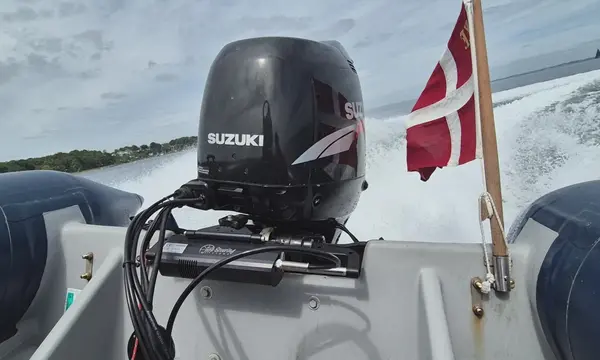
Jefa adds five-position wheel angle adjustment to its ES150 electric steering system, with new-build and retrofit options for superyacht tender helms.
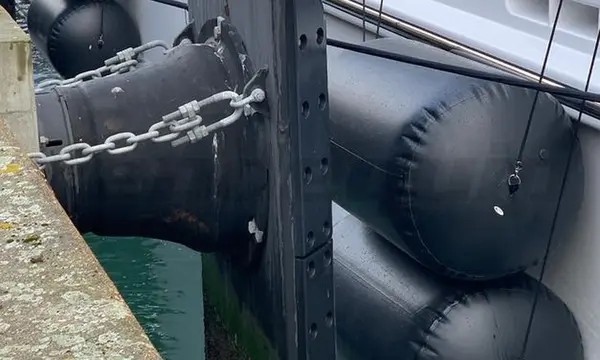
Fendequip showcases UK-made maxiStow inflatable superyacht fenders at METSTRADE 2026, focusing on hull protection, stowage and crew deployment.
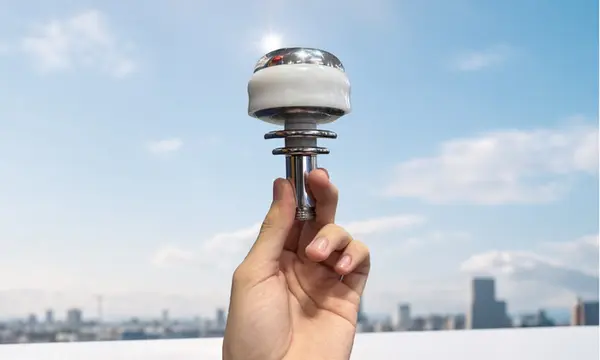
Technical Marine Supplies introduces SERTEC CMCE Micro at METSTRADE 2026, a passive capacitive device marketed for marine static-charge management.

Safiery promotes Quasar ONE vessel monitoring with 15-minute fault analysis across NMEA 2000 and Victron data, making vendor claims about 60 fault types.
Superyacht Guide
Continue into the wider Superyacht Guide.
Business opportunities · Superyacht Guide
Companies serving the superyacht market can discuss clearly identified advertising, sponsorship and business-profile opportunities. Commercial activity remains separate from independent editorial coverage.