Safiery Quasar ONE Targets Predictive Fault Monitoring Across Yacht Systems
By Superyacht Guide Newsroom · Edited by Superyacht Guide Newsroom
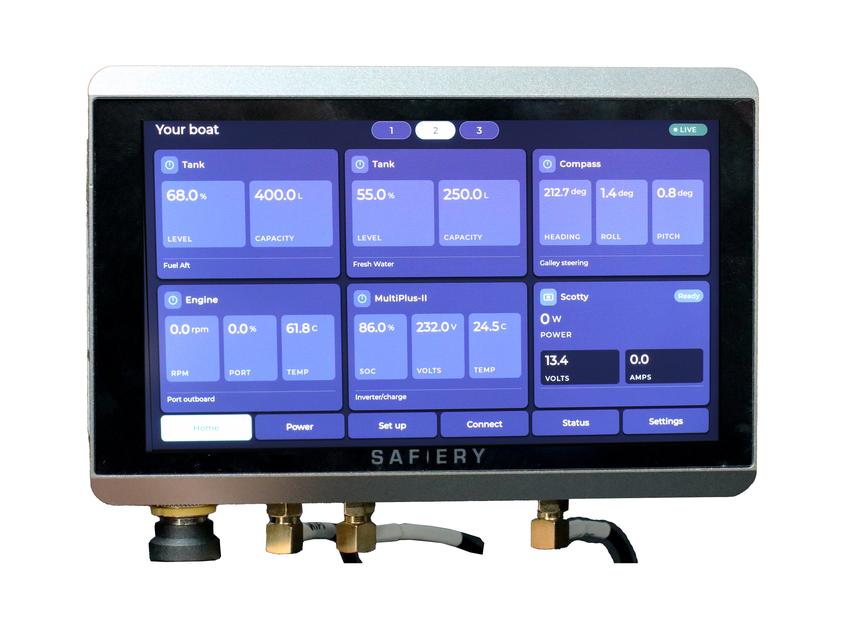
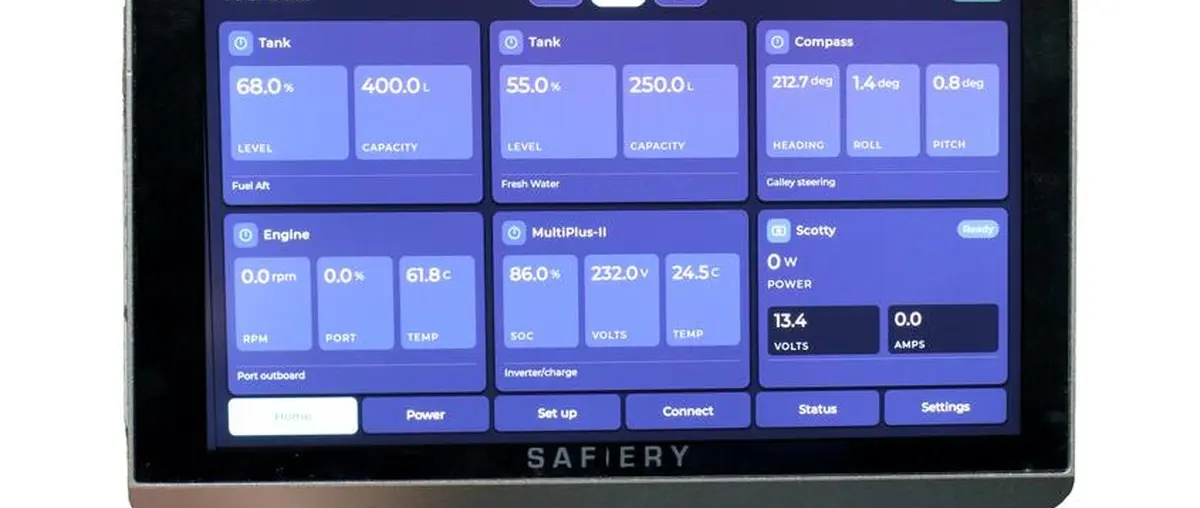
Safiery Quasar ONE digital predictive yacht monitoring product official manufacturer METSTRADE photograph
Safiery promotes Quasar ONE vessel monitoring with 15-minute fault analysis across NMEA 2000 and Victron data, making vendor claims about 60 fault types.
Australian marine-electronics company Safiery is presenting Quasar ONE in the METSTRADE 2026 catalogue as a connected vessel-monitoring platform intended to identify developing technical faults before they become operational failures. Its official product listing describes a system that reads data from NMEA 2000, Victron equipment, digital switching and Bluetooth devices, then assesses a live representation of the yacht at 15-minute intervals. The manufacturer claims it can recognise early indications associated with 60 fault types, provide relevant part numbers and use separate onboard and cloud-based supervision to reduce the risk of unsafe automated actions. These are ambitious supplier statements that require careful technical validation before they can be used in a safety-critical specification. For superyacht owners, the practical opportunity is to consider whether well-designed condition monitoring could reduce avoidable technical interruptions while preserving the crew's authority over critical machinery and maintenance decisions.
A large yacht contains many systems that may deteriorate gradually before reaching the threshold for a conventional alarm. Pumps, batteries, electrical circuits and other equipment can show trends that an engineer might notice through regular inspection or data analysis. A predictive platform attempts to make such patterns more visible by comparing new measurements with earlier behaviour. This differs from simply displaying the most recent sensor value on a touchscreen. An unusual reading may be a useful clue, but it can also reflect a change in operating conditions, a sensor fault or a maintenance intervention. The chief engineer needs the context to interpret the warning. A product that predicts an incident poorly could add noise rather than insight, especially on a yacht where technical systems operate in varied climates and under very different loading patterns.
The METSTRADE listing identifies NMEA 2000, Victron systems, digital switching and Bluetooth among the information sources supported by the platform. Those technologies can provide useful operational and electrical data, but the available signals vary between installations and may not cover every critical component. An owner should request a detailed compatibility matrix listing supported devices, available measurements and any limitations on sampling or interpretation. Connecting a unit to an existing network does not automatically make all of the yacht's systems visible. Proprietary equipment may use closed interfaces, and some sensors may need calibration or replacement before their readings become reliable. A structured survey of the vessel's technical network is therefore an essential first step. Without it, a sophisticated analytics service may be drawing conclusions from incomplete or misleading data.
Safiery says Quasar ONE assesses its live vessel model every fifteen minutes. This is a specific detail that helps define the system's intended role. It suggests a platform geared toward condition monitoring and developing faults rather than millisecond-level control of propulsion or emergency equipment. On a large yacht, some critical conditions require immediate local detection and action through dedicated systems. A monitoring service that updates periodically should not replace those arrangements. Engineers should establish which types of faults can reasonably be evaluated through trend analysis and which are too rapid or hazardous to delegate to a remote analytical cycle. The company should explain how data is buffered and handled during communications interruptions, and whether the onboard component continues to make useful assessments when the vessel is outside network coverage.
The product description states that Quasar ONE can detect early indications of sixty fault types, potentially weeks before a failure. That is a manufacturer claim rather than a published independent benchmark. Buyers should ask for the specific list of supported conditions, the sensor data needed for each, the false-positive rate and any limitations introduced by equipment age or operating profile. A useful system should also distinguish between a possible emerging issue and a condition confirmed by a diagnostic test. An alert that is repeatedly wrong can cause the engineering team to stop trusting notifications. Conversely, a missed fault can create unwarranted confidence. The technical review should examine real installation references and whether the supplier's fault library is relevant to the machinery actually aboard the yacht.
Safiery says some alerts can identify a relevant part number. Such information could help when a yacht is cruising far from its usual service network, because ordering the right replacement component quickly may reduce downtime. However, a diagnostic suggestion must match the exact installed equipment and revision. The same model of pump or controller can have different internal parts depending on production date. A vessel may also have undergone refits that are not reflected in the original builder's inventory. The chief engineer should verify the proposed component against manuals and physical identification before ordering. The product's claimed parts support is potentially valuable as an aid to planning, not a reason to bypass normal fault diagnosis. Accurate equipment records remain essential.
The manufacturer's catalogue describes separate supervisors, one in the cloud and one aboard, intended to ensure that an erroneous automated answer does not become an unsafe action. This is an important architectural claim, but the short product description does not establish the exact decision process or authority limits of those components. Owners should ask which functions are read-only, which can recommend action and whether any system can issue commands to connected machinery. Safety-critical controls require careful segregation and often specific approval. An analytical platform should not be allowed to bypass established engine-room safeguards. If remote switching is offered, the vessel needs explicit permissions, clear feedback and reliable means of overriding an inappropriate request. A statement about dual supervision should be supported by engineering evidence rather than accepted as a complete safety case.
Quasar ONE is advertised as supporting setup by voice in twelve languages, a feature intended to reduce the effort required to configure the system. For international yacht crews, multilingual interaction can be useful, especially when staff turnover is high. But voice interfaces also introduce risks of misinterpretation, background noise and accidental changes. The system should provide a clear review stage before applying settings that affect alarms or permissions. A proper configuration history is also important so that a new engineer can understand what was changed and why. Voice convenience should never remove the need for written instructions and a verified configuration record. The owner should ask how the platform handles commands it does not recognise and whether important actions require separate confirmation from an authorised user.
A cloud-based vessel model can help owners and managers compare operating information across time and possibly across several vessels. The usefulness depends on communications availability, privacy and the quality of the underlying measurements. Superyachts often operate well outside terrestrial mobile coverage and may have limited or costly satellite data capacity. The technical specification should therefore establish which information must be transmitted, how often and what remains functional without a connection. If a yacht must rely on a remote service for ordinary monitoring, the cost and operational implications should be understood before purchase. Any local component should retain a clear purpose when disconnected. Remote access is a useful management feature, but the ship must remain safely operable when every external communications link is unavailable.
An analytical platform cannot consistently recognise a developing fault if it receives incorrect or inconsistent sensor data. Tank senders, current sensors, engine gateways and battery monitors may have calibration errors or incomplete histories. Equipment can also produce misleading values while undergoing maintenance. The chief engineer should therefore consider a data-quality audit before relying on predictive results. That audit might identify missing measurements, unrealistic readings or systems that change operating state without providing a corresponding signal. The installation should have a method for recording maintenance events so that an apparent anomaly is not mistaken for deterioration after the crew has deliberately altered equipment. The most advanced software cannot remove the need for competent engineering judgment about what the measurements mean.
A manager overseeing several yachts could potentially compare recurring problems and service experiences across vessels, especially where equipment models are similar. The manufacturer refers to comparisons with sister vessels as part of its monitoring method. Such comparisons can produce useful context, but the operating conditions must be considered carefully. One yacht may spend months at anchor in tropical conditions, while another travels regularly at higher speeds in cooler water. The same sensor trend might have different explanations. The platform should not make a firm conclusion simply because one boat differs from the average of an unsuitable group. Owners also need to decide who can see aggregated information and how it is anonymised, particularly when yachts belong to different clients. Fleet analytics should respect confidentiality and operational differences.
Quasar ONE's proposed collection of network and equipment information creates a cybersecurity responsibility for the owner and supplier. System data can reveal location, operational patterns and details of technical infrastructure that should not be exposed to unauthorised parties. A yacht must understand where its information is stored, who can access it and how credentials and software updates are managed. Read-only monitoring links should be preferred where control is not required, with sensitive networks appropriately segmented. The supplier should explain its security approach and how vulnerabilities or service outages are handled. A connected system that promises better maintenance must not create a route for an attacker to interfere with machinery or learn sensitive travel information. Those considerations belong in the purchase specification rather than being left to a later IT review.
Before deploying predictive monitoring across a large yacht, a controlled trial could focus on a limited number of noncritical systems with reliable existing sensors. The engineering team could record alerts, investigate their causes and compare the platform's assessments with ordinary maintenance findings. This provides an opportunity to evaluate the clarity of the interface, the number of false alarms and whether the supplier's predictions are genuinely actionable. A pilot should have defined success criteria and should not alter any mandatory alarm or safety function. The owner may also want to understand how much engineer time the system consumes and whether its proposed maintenance actions are proportionate to the evidence. A successful demonstration is one that helps the crew make better decisions, not simply one that produces an attractive flow of charts.
Connected yacht equipment is affected by software support, data services and supplier viability throughout its working life. An owner should ask what happens to stored records if the service ends, whether it is possible to export data and which functions remain accessible without an active subscription. The contractual responsibility for updates, cybersecurity and technical assistance needs to be clear. A sophisticated monitoring system can become a maintenance burden if it relies on proprietary cloud services that are difficult to replace. Conversely, strong support can help the yacht refine its configuration as equipment is upgraded or replaced. The owner's technical records should identify installed sensors, interface settings and the date on which the analytical service was last reviewed. Such documentation also supports transitions between management companies and crews.
Predictive maintenance may reduce avoidable breakdowns, waste or emergency travel for service engineers when it correctly identifies emerging faults. However, the METSTRADE page does not provide an independently measured financial return or environmental benefit for superyachts. The savings depend on how often the identified failures would actually have occurred, the cost of preventing them and the burden of false alarms. Owners should avoid treating a marketing claim about fault detection as a guaranteed reduction in annual operating expenditure. A credible business case can compare the cost of the platform and its integration with the value of confirmed prevented failures over time. The chief engineer's work and the yacht's existing planned-maintenance programme remain central, whether or not the technology proves useful.
Safiery's Quasar ONE is a distinct product in the September 2026 METSTRADE catalogue, promoted as a combination of connected vessel data, cloud modelling and regularly updated fault analysis. The maker's statements about sixty fault modes, advance warning, parts identification and dual supervision are sufficiently specific to merit investigation. They are not independent proof that every yacht will experience the claimed results. For the superyacht industry, the central opportunity is to improve awareness of developing technical problems without compromising safety or confidentiality. Owners, managers and engineers should seek a documented compatibility assessment and trial evidence before relying on the platform. Responsible innovation is measured by whether it strengthens professional decisions, not merely by the number of data points collected.
**Primary source:** Safiery Pty Ltd, official METSTRADE Quasar ONE product listing released 17 September 2026. All predictive-performance claims are attributed to the manufacturer and are not represented as independently verified.
Primary source: Safiery Pty Ltd official Quasar ONE METSTRADE product listing, released 17 September 2026.
Official Safiery Pty Ltd Quasar ONE product image, manufacturer-supplied through METSTRADE 2026 catalogue. Official source.
Explore
Go deeper into the yachts, companies, events and destinations directly connected to this article.
Continue reading
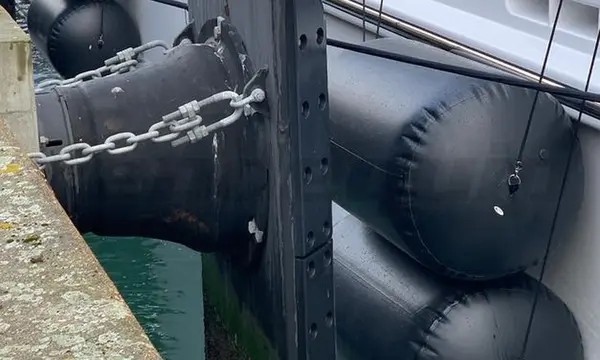
Fendequip showcases UK-made maxiStow inflatable superyacht fenders at METSTRADE 2026, focusing on hull protection, stowage and crew deployment.
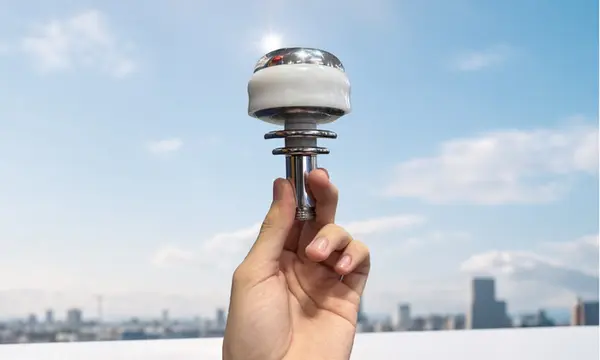
Technical Marine Supplies introduces SERTEC CMCE Micro at METSTRADE 2026, a passive capacitive device marketed for marine static-charge management.
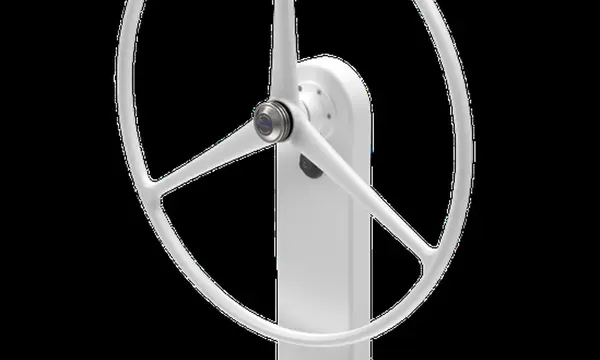
Jefa launches its WP950 bulkhead-mounted multihull steering pedestal with movable helm positions and support for mechanical or wire steering arrangements.
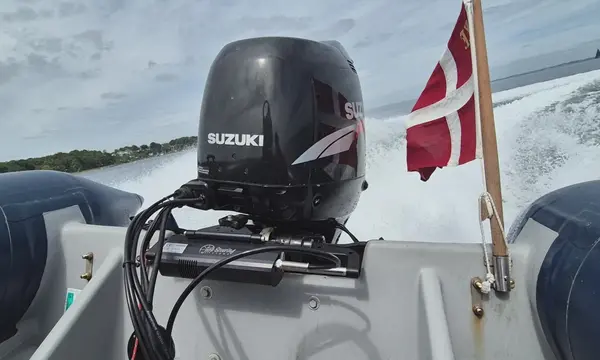
Jefa adds five-position wheel angle adjustment to its ES150 electric steering system, with new-build and retrofit options for superyacht tender helms.
Superyacht Guide
Continue into the wider Superyacht Guide.
Business opportunities · Superyacht Guide
Companies serving the superyacht market can discuss clearly identified advertising, sponsorship and business-profile opportunities. Commercial activity remains separate from independent editorial coverage.